Unifocus Claira Leads Hotel Labor and Maintenance Overhaul
Hotels integrate maintenance tracking and AI-native scheduling to reduce labor costs and eliminate operational downtime.
The short answer
Hotels combine housekeeping and maintenance metrics with AI scheduling platforms to reduce operational payroll and eliminate room downtime. Unifocus Claira introduces unified workforce management tailored for select-service and above-property hospitality operators.
The short version
- Unifocus launched Claira to unite labor forecasting, budgeting, housekeeping, and maintenance tracking in one AI platform.
- Hotel Management reports tracking room turnovers and asset lifecycles cuts labor expenses and raises net operating income.
- Ask Claira uses natural-language processing to provide actionable operational recommendations and automate property tasks in real time.
Hotels reduce labor expenses and optimize room turnover by consolidating housekeeping, maintenance, and workforce scheduling into unified operational data systems [[1], [2]]. Platforms like Unifocus Claira merge asset maintenance tracking with predictive scheduling algorithms, allowing operators to prevent asset downtime, automate daily task assignments, and eliminate disconnected departmental databases across select-service and full-service properties [[1], [2]].
How does unified operational data reduce hotel labor expenses?
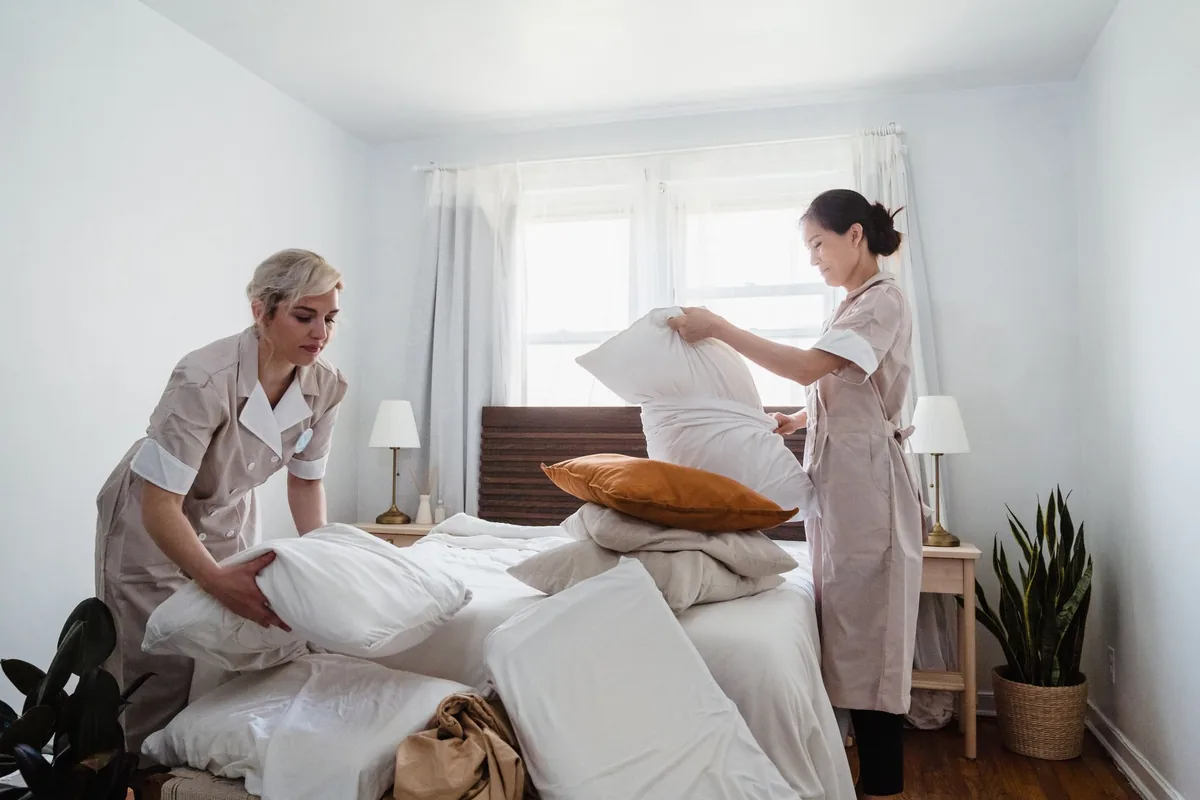
Combining housekeeping metrics with facilities maintenance records allows operators to cut overhead expenses by coordinating labor around actual physical room readiness [2]. As Hotel Management reported, hotels track room turnover rates alongside asset lifecycles to avoid unexpected downtime that inflates departmental payroll and harms guest satisfaction [2]. When room inspections and maintenance tasks reside in isolated systems, managers waste labor hours cross-checking room statuses manually [[1], [2]].
Operational visibility across housekeeping, service, maintenance, inspection, and inventory gives managers real-time oversight of where staff allocate their shifts [1]. Unifocus designed its Claira platform to unify this operational delivery with labor planning, scheduling, time, and attendance records [1]. By relying on unified operational datasets, properties adjust shift lengths directly against real operational requirements rather than static historic schedules [1].
What capabilities does Unifocus Claira introduce for select-service hotels?
Unifocus Claira serves as an end-to-end workforce management and operations platform designed specifically for the select-service tier as well as above-property hospitality organizations [1]. According to Lodging Magazine, the software acts as a single, connected, AI-native system that organizes workforce and operations information into one foundation [1].
Rather than purchasing isolated tools for distinct departments, hotels use the platform to unify demand forecasting, zero-based budgeting, operational task delivery, and reporting [1]. The architecture incorporates an AI assistant named Ask Claira, which uses natural-language processing to deliver operational answers, generate scheduling recommendations, and execute system actions in real time [1].
| Operational Area | System Functional Scope | Target Performance Metric |
|---|---|---|
| Workforce Labor Management | Demand forecasting, zero-based budgeting, shift scheduling, time and attendance tracking [1] | Optimized payroll allocation and reduced overtime hours [1] |
| Housekeeping & Service | Room turnover oversight, operational inspection routines, inventory tracking [[1], [2]] | Accelerated room turnover rates and standardized quality [[1], [2]] |
| Facilities Maintenance | Maintenance task delivery, asset lifecycle tracking, room repair records [[1], [2]] | Reduced asset downtime and protected net operating income [2] |
| Performance Analytics | Natural-language AI querying via Ask Claira, real-time action suggestions [1] | Faster operational decision-making across departments [1] |
How does maintenance tracking protect net operating income?
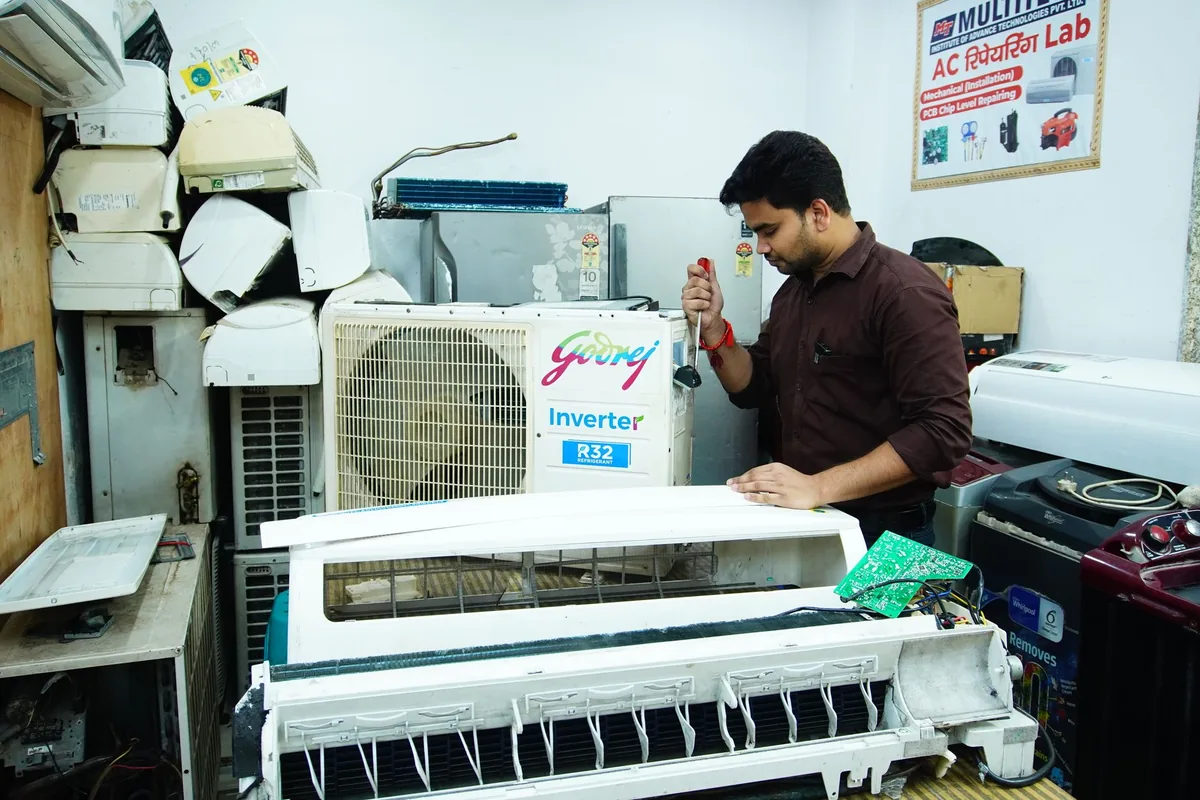
Integrated facilities maintenance data directly boosts net operating income by preventing rooms and physical assets from falling out of service unexpectedly [2]. Hotel Management outlined that operators examine asset lifecycles and turnover speed to schedule preventative maintenance before costly equipment breakdowns strand inventory [2].
When maintenance tracking integrates directly with housekeeping inspections, engineering crews receive instant alerts regarding faulty fixtures or appliances discovered during daily turnover rounds [1]. Resolving these defects immediately prevents rooms from sitting vacant for maintenance reasons, keeping available inventory open for arrivals and protecting room revenue streams [2].
Why are disconnected departmental systems failing modern operations?
Disconnected hospitality software isolates worker schedules from actual room conditions, forcing general managers to make labor plans on stale operational estimates [1]. Lodging Magazine reported that hospitality leaders frequently operate across fragmented platforms that segment staff scheduling away from real-time floor activities [1].
“Hospitality leaders have never needed greater visibility into their people, operations and performance, yet many are still working across disconnected systems and data,” said John Lockyer, chief executive officer of Unifocus [1]. He stated that bringing labor, operations, and artificial intelligence into a single platform allows teams to make operational choices faster and allocate more attention to staff and guests [1].
How do AI assistants alter daily housekeeping and engineering execution?
Embedded AI assistants convert raw operational metrics into instant scheduling and maintenance commands without requiring manual data compilation from property leaders [1]. Lodging Magazine detailed that the Ask Claira tool processes plain-text questions from operators to supply recommendations and trigger workflows directly inside the system [1].
Instead of manually reconciling engineering request queues, inspection scores, and payroll hours at the end of each week, managers query the platform to identify operational bottlenecks immediately [1]. Combining real-time task oversight with labor analytics ensures supervisors spot delayed cleanings or mounting maintenance tickets before they cascade into guest check-in delays [[1], [2]].
Reported by
This article was written from the following reporting. Follow the links for the original coverage.
- [1]Unifocus Unveils Claira AI Operations and Labor Platform— Lodging Magazine
- [2]Housekeeping and Maintenance Data Drive Hotel Profits— Hotel Management
Frequently asked
+What is Unifocus Claira?
Unifocus Claira is an AI-native workforce management and operations platform that unifies labor forecasting, scheduling, housekeeping, maintenance, and analytics into one cohesive system for hotel properties and above-property organizations.
+How does maintenance tracking lower hotel labor costs?
Tracking asset lifecycles and maintenance tasks alongside room turnovers prevents unexpected equipment breakdowns and room downtime, eliminating inefficient manual coordination between engineering and housekeeping teams.
+What features are included in the Ask Claira tool?
Ask Claira is a natural-language AI assistant that answers operational questions, suggests management recommendations, and performs actions within the workforce management software in real time.
+Which hotel segment does Unifocus Claira specifically target?
While designed for hotel operators and above-property organizations, the platform is purpose-built specifically for the select-service hospitality segment.
+How does operational data integration impact net operating income?
Integrating housekeeping turnover speeds and facilities data protects net operating income by keeping rooms rentable, preventing costly asset failures, and minimizing wasted labor expenditures.
Keep reading
Our reporting


More in operations