UK Hotels Face Margin Pressures from Excluded Tax Cuts and 5% Levy
Hotel operators warn that rising business rates and a proposed English visitor levy threaten investment and demand.
The short answer
UK hotels have been excluded from recent government business rates relief granted to pubs and clubs. Simultaneously, a proposed 5% visitor levy on English overnight stays threatens to reduce tourism demand and investment.
“Unlike most commercial real estate, stronger trading performance can result in higher business rate liabilities, even when operators are facing rising labour, energy, and financing costs”
The short version
- Prime Minister Andy Burnham excluded hotels from business rates relief granted to pubs and clubs.
- The APPG warns a proposed 5% visitor levy risks reducing tourism spending and employment.
- Parliamentarians recommend dropping hospitality VAT to 10% to offset the impact of new taxes.
Two separate UK tax policies threaten hotel operating margins: the exclusion of accommodation from business rates relief granted to pubs and clubs, and a proposed 5% visitor levy on English overnight stays [1]. Together, these developments increase tax liabilities directly tied to expected revenue while risking a drop in consumer demand [2].
How did the Prime Minister address hospitality taxes?
UK Prime Minister Andy Burnham announced tax cuts for a range of businesses just three days after taking office, Skift reported [2].
The government granted tax relief to pubs, clubs, and live music venues, but entirely excluded hotels from the measure [2].
This exclusion marks the second round of government business rates relief that has bypassed the UK hotel industry [2].
Dominic Paul, chief executive officer of Whitbread, which owns Premier Inn, issued a statement on the day of Burnham’s announcement, noting that the news would not alter the situation for most businesses [2].
Why do business rates penalize high-performing hotels?
The UK tax code places hotels at a disadvantage because they are taxed based on the annual revenue a property expects to generate [2].
When a hotel performs better, its rateable value increases, which directly results in a higher tax bill [2].
Joe Stather, head of EMEA hotels and hospitality research at JLL, explained to Skift that stronger trading performance leads to higher business rate liabilities [2].

Stather noted that this tax increase occurs even as hotel operators deal with rising energy, labour, and financing costs [2].
What did the APPG inquiry investigate?
Separately, the All-Party Parliamentary Group (APPG) for Hospitality and Tourism published findings on July 30 regarding a proposed visitor levy [1].
The parliamentary inquiry reviewed evidence from major businesses, trade bodies, and councils, according to Hotel Owner [1].
The inquiry examined the impact of a 5% levy on English overnight accommodation [1].
The APPG concluded that introducing this tax risks reducing employment, investment, and tourism spending across the country [1].
Which hotel markets face the highest risk from the levy?
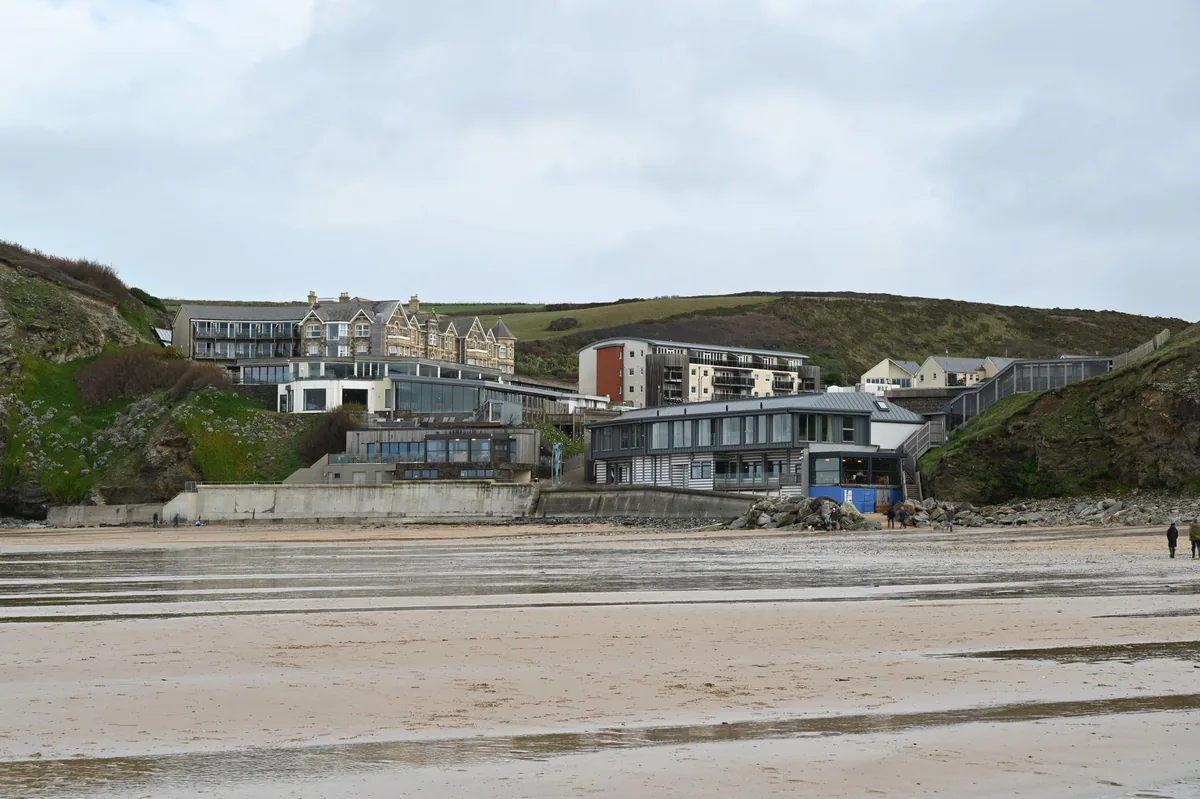
The APPG inquiry determined that rural and coastal destinations will face the highest impact from the proposed overnight tax [1].
Allen Simpson, chief executive of UKHospitality, warned that introducing the tax without safeguards risks increasing family holiday costs [1].
Simpson added that the levy threatens to reduce visitor demand and undermine investment at a time when hospitality businesses are already under pressure [1].
What safeguards is the industry demanding?
To protect hotel margins, parliamentarians recommended dropping hospitality VAT to 10% [1].
The APPG report also called for a consistent national framework and a minimum 12-month implementation period for any new tax [1].
Furthermore, the inquiry recommended strict ringfencing of the revenues to ensure they are transparently reinvested into growing the visitor economy [1].
The report stated that a full regulatory impact assessment and pre-legislative scrutiny must take place before the government devolves levy powers to mayoral authorities [1].
How are industry leaders responding to the tax burden?
Chris Webb, chair of the APPG, noted that the report highlights concerns across the tourism and hospitality industries regarding the visitor levy [1].
Webb stated that if the government proceeds with the tax, it requires fairness, consistency, and genuine industry engagement [1].
UKHospitality's Simpson emphasized that there is an urgent need to consider the unintended consequences of a visitor levy and implement the report's practical recommendations [1].
Simpson concluded that the government must address the wider tax burden facing the accommodation industry if it chooses to proceed with the levy [1].
| Tax Policy | Affected Venues | Current Status | Impact Mechanism | Proposed Industry Mitigation |
|---|---|---|---|---|
| Business Rates Relief | Pubs, clubs, music venues (Hotels excluded) | Implemented by PM Andy Burnham | Tax bill rises with expected annual revenue | None specified in recent announcements |
| English Visitor Levy | English overnight accommodation | Proposed 5% tax under review | Increases cost of holidays, reducing demand | Drop hospitality VAT to 10%; 12-month implementation |
Reported by
This article was written from the following reporting. Follow the links for the original coverage.
- [1]APPG Warns UK Visitor Levy Risks Hospitality Jobs— hotelowner.co.uk
- [2]UK Hotels Excluded from Government Business Tax Cuts— Skift
Frequently asked
+Why were UK hotels excluded from recent tax cuts?
Prime Minister Andy Burnham announced tax cuts for pubs, clubs, and live music venues, but entirely excluded hotels from this second round of business rates relief.
+How are UK hotel property taxes calculated?
Hotels are taxed based on the annual revenue a property expects to generate, meaning better performance results in a higher rateable value and a larger tax bill.
+What is the proposed English visitor levy?
The government has proposed a 5% tax on English overnight accommodation, which the APPG warns risks reducing tourism spending, investment, and employment.
+Which areas will be most affected by the visitor levy?
Coastal and rural destinations face the highest impact from the proposed overnight accommodation tax, according to the APPG inquiry.
+What safeguards does the APPG recommend for the visitor levy?
The APPG recommends dropping hospitality VAT to 10%, a 12-month implementation period, strict ringfencing of revenues for destination investment, and a full regulatory impact assessment.
Keep reading
Our reporting

More in finance