Trip.com Reports 74% Growth in Live Event Tourism Demand
Event-driven travel flips guest booking behavior as travelers commit to concerts and matches before selecting destinations.
The short answer
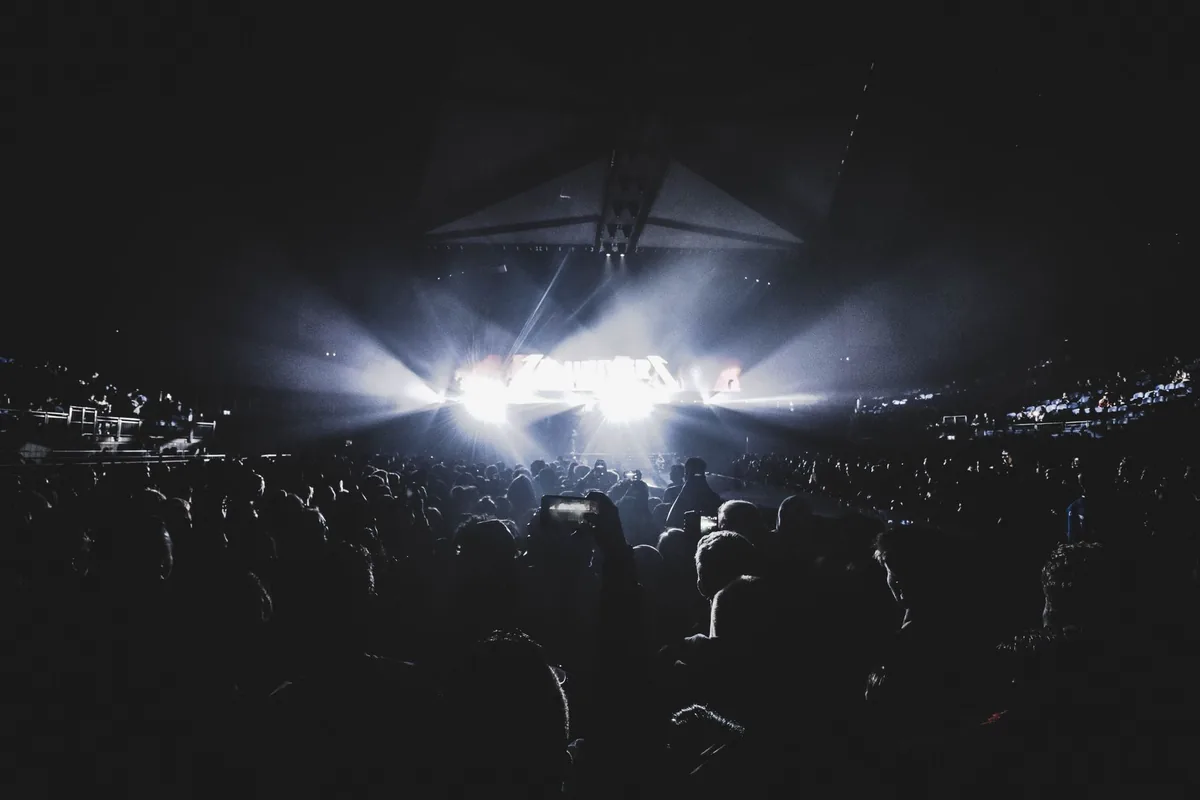
Live event travel has become a primary driver of global tourism demand, led by a 74% jump in Trip.com's entertainment bookings. Hotels must look past temporary rate spikes to capture broader destination spend and secure long-term repeat visits.
The short version
- Trip.com Group posted a 74% year-over-year increase in entertainment-driven travel bookings in Q1 2026.
- 70% of travelers report they are more likely to build a trip around a live event now than five years ago.
- 84% of live event tourists spend money on businesses beyond the event venue itself.
Event-driven travel has flipped traditional booking behavior, compelling travelers to select a concert, match, or festival first before assembling transportation and lodging around that fixed calendar date. With entertainment-driven bookings climbing and fans spending heavily outside venues, hospitality operators must adjust revenue, inventory, and packaging strategies to capture lasting value from compressed demand surges. [1]
How fast is event-driven travel expanding across global markets?
Entertainment-driven travel expanded rapidly in early 2026, ranking as one of Trip.com Group's fastest-growing segments with a 74% year-over-year surge in the first quarter, according to Skift. [1] This momentum reflects a structural change in tourism patterns rather than an isolated spike from a single artist tour. [1] Over 70% of travelers state that they are now more inclined to arrange a trip around a live event than they were five years ago. [1]
Where does live entertainment travel spending actually go?
Spending from live entertainment travelers spreads across hotels, restaurants, retail outlets, transport providers, ticketing platforms, promoters, and venues. [1] Skift Research notes that 84% of event tourists venture out to explore the surrounding area beyond the venue itself, enabling local businesses and hoteliers to secure the majority of visitor spend. [1] During Taylor Swift’s Eras Tour, attendees spent an average of $1,300 per show across hotels, dining, retail, and local transportation. [1]
| Metric / Indicator | Reported Figure | Context and Scope |
|---|---|---|
| Trip.com Group Growth | 74% | Year-over-year surge in entertainment-driven travel (Q1 2026) [1] |
| Traveler Intent Shift | >70% | Travelers likelier to book around live events vs. five years ago [1] |
| Destination Exploration | 84% | Event tourists spending money beyond the host venue [1] |
| Eras Tour Fan Spend | $1,300 | Average spent per show on lodging, food, retail, and transit [1] |
Why does event demand challenge hotel operations and revenue plans?
Live entertainment concentrates travel demand into tight, intense arrival windows that strain local infrastructure, drive room rates upward, and expose operators to downside risks if an event is canceled. [1] Rather than treating major performances as detached calendar windfalls, properties must manage inventory and staffing readiness to withstand these compressed influxes. [1] Skift reported that building long-term coordination between destination bodies and event operators is what transforms a temporary compression weekend into sustained repeat travel. [1]
How can hotels turn one-time event tourists into repeat guests?
Hotels convert single-event visitors into durable revenue by offering packages that connect property amenities directly to the event and encouraging return visits. [1] Data from Skift Research reveals that a guest who visits three separate times with moderate spending generates higher cumulative value—specifically aiding local businesses—than a high-spending visitor who travels once and never returns. [1] Major hospitality chains and airlines are responding by integrating event ticketing directly into single-path booking channels to secure guest loyalty early. [1]
Reported by
This article was written from the following reporting. Follow the links for the original coverage.
Frequently asked
+What is driving the rise in event-driven travel?
Travelers increasingly prioritize specific live events over destinations, planning trips around concert dates, sports matches, and festivals rather than picking a city first, according to Skift.
+How fast are entertainment travel bookings growing?
Entertainment-driven travel grew 74% year over year in the first quarter of 2026 for Trip.com Group, establishing itself as one of the platform's fastest-rising booking categories.
+How much do event travelers spend in local destinations?
During the Eras Tour, attendees spent an average of $1,300 per show on lodging, dining, shopping, and local transport, with 84% of event tourists exploring businesses outside the venue.
+Why is repeat visitation more valuable than one-off event spikes?
Skift Research indicates that a traveler returning three times with moderate spending delivers more cumulative lifetime value to local operators than a single high-spending traveler who visits only once.
+How are travel companies integrating live events into bookings?
Major hotel groups, airlines, and ticketing platforms are partnering to create unified booking paths that bundle lodging, flights, and live event access into a single guest transaction.
Keep reading
Our reporting
More in finance