10 Sustainability Practices to Cut Hotel Operating Costs
Hotel owners and operators are reducing operational overhead through ten proven sustainability practices spanning IoT automation, microgrids, and food waste.
The short answer
Hotel operators are lowering utility, food, and renovation expenses by embedding ten operational sustainability practices. Proven steps include AI food waste tracking, IoT occupancy sensors, circular furnishings, and on-site microgrids.
The short version
- AI food tracking paired with 24-hour on-site digesters curbs food purchasing and waste disposal costs.
- IoT occupancy sensors and smart kitchen hoods cut property energy consumption automatically.
- 30% to 50% carbon footprint reductions are achieved by switching menus toward plant-forward proteins.
Hotel owners and general managers can lower operating costs by embedding ten long-term practices: artificial intelligence food waste tracking, on-site microgrids, circular furnishings, Internet of Things automation, greywater recovery, regenerative hyper-local sourcing, back-of-house plastic removal, plant-forward menus, carbon transparency, and on-site aerobic digesters that process organic waste within 24 hours [1].
How do kitchen automation and menu changes lower food and beverage expenses?
Modern kitchens lower food costs and carbon emissions by combining camera- and scale-equipped artificial intelligence tools with plant-forward menu design [1]. Cayuga Hospitality Consultants reported that artificial intelligence tracking monitors discarded ingredients to distinguish preparation waste from customer plate waste, allowing culinary teams to adjust portion sizes and menus in real time [1]. eHotelier noted that restaurants re-engineering menus toward pulses, legumes, and alternative proteins instead of carbon-heavy proteins like beef cut their carbon footprint by 30% to 50% while appealing to broader customer demographics [2]. Unavoidable food scrap transport costs are cut entirely through on-site aerobic digesters, which process waste into nutrient-rich fertiliser or greywater within 24 hours [1]. Establishments also curb procurement freight by harvesting garnishes and greens from on-site herb gardens or aeroponic vertical farms [2].
Where can IoT and microgrids reduce property energy bills?
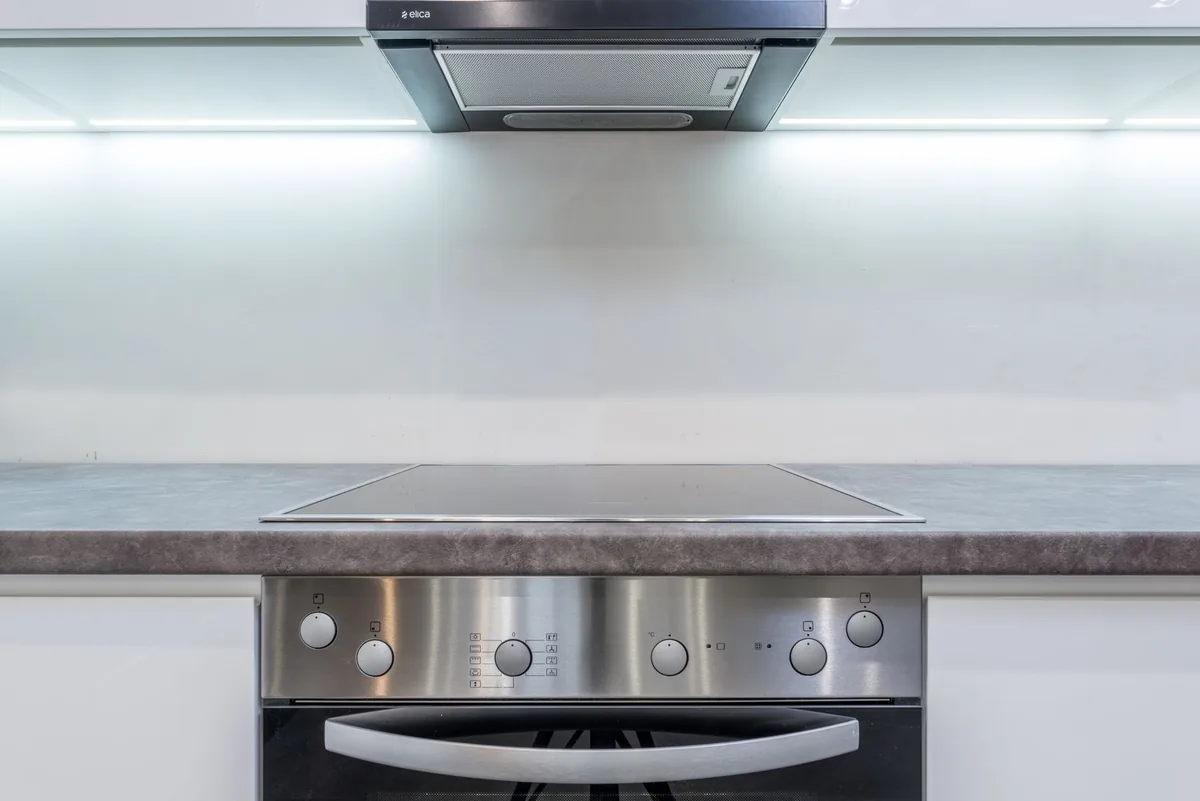
Properties reduce power consumption by combining automated Internet of Things environmental controls with on-site generation infrastructure [1]. In guest rooms, IoT occupancy sensors automatically trim heating, ventilation, and air conditioning alongside lighting whenever guests leave [1]. In commercial kitchens, smart exhaust hoods throttle fan speeds to match active cooking volumes, while connected refrigeration sends automated alerts before temperatures rise enough to spoil inventory [2]. For primary power generation, properties are moving away from merely buying green energy credits by installing on-site microgrids that feature solar panels, wind turbines, and geothermal systems [1]. According to Cayuga Hospitality Consultants, certain energy-positive facilities generate surplus electricity and supply power back to the local municipal grid [1].

How do water recovery and greywater systems curb utility costs?
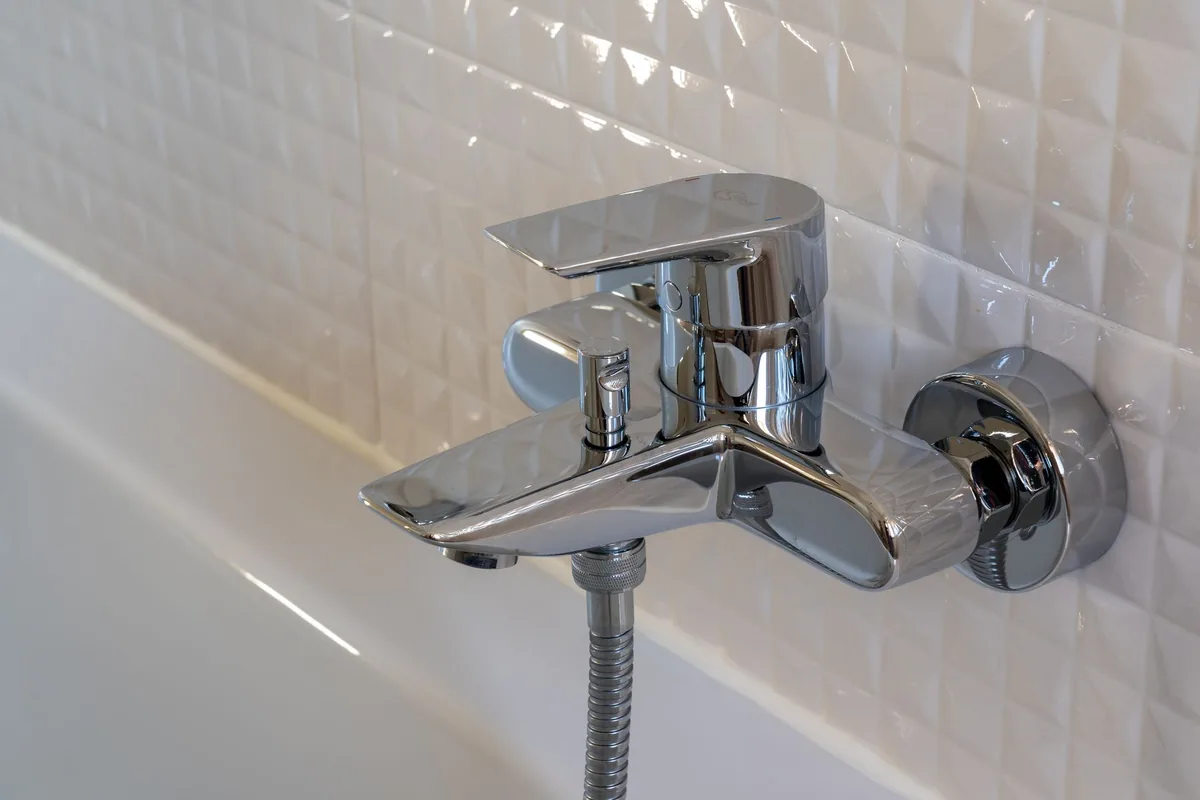
Active water recovery systems cut municipal water consumption by recycling greywater and identifying hidden infrastructure failures [1]. As outlined by eHotelier, properties capture and filter discharge from guest showers and commercial laundry facilities, redirecting that supply directly to flush toilets and irrigate grounds [2]. Concurrently, smart pipe monitors detect small leaks inside complex hotel plumbing networks before pipe breaches turn into expensive structural damage or utility waste [1].
| Operational Area | Core Sustainability Practice | Direct Operational and Cost Benefit |
|---|---|---|
| Kitchen & Dining | AI waste monitoring & aerobic digesters | Cuts food prep waste, reduces beef reliance, eliminates waste transport costs [1] |
| Guest Rooms & BOH | IoT sensor automation | Adjusts HVAC and lighting when vacant; monitors commercial refrigeration [[1], [2]] |
| Facilities & Energy | On-site renewable microgrids | Generates power via solar, wind, and geothermal; allows grid export [1] |
| Plumbing & Grounds | Greywater recovery & leak sensors | Supplies water for laundry, flushing, and irrigation; stops pipe leaks [[1], [2]] |
| FF&E / Renovation | Circular design and repair | Replaces 'strip and flip' models with refurbished, repairable furnishings [1] |
What back-of-house operational changes eliminate recurring plastic and renovation costs?
Hotels lower purchasing overhead by abandoning the traditional strip and flip renovation cycle and replacing disposable kitchen plastics with durable alternatives [1]. Operations teams are swapping disposable kitchen cling wrap for reusable silicone lids and adopting compostable vacuum-seal pouches alongside paper takeaway packaging [[1], [2]]. Guest bathrooms eliminate individual packaging costs via large-format refillable dispensers [1]. When renovating, properties choose reclaimed lumber, bamboo, and recycled metals, while repairing or donating legacy furniture rather than paying disposal and landfill fees [[1], [2]].
How does guest-facing carbon transparency support daily housekeeping efficiency?
Sharing verified environmental data with guests builds participation in cost-saving operational routines like opt-out housekeeping [1]. Cayuga Hospitality Consultants highlighted that guests in 2026 demand clear emissions metrics, prompting venues to show carbon labels across dining menus and supply energy savings statements covering each stay [1]. Clear transparency encourages guests to voluntarily waive daily linen and room cleanings, decreasing departmental laundry volume, utility consumption, and chemical costs [[1], [2]].
Reported by
This article was written from the following reporting. Follow the links for the original coverage.
- [1]Top 10 Long-Term Sustainability Innovations for Hotels— cayugahospitality.com
- [2]Hotels Adopt 10 Core Practices to Drive Sustainability— eHotelier
Frequently asked
+How does artificial intelligence reduce food waste costs in hotel kitchens?
Artificial intelligence tools connect to kitchen scales and cameras to track exactly what food staff discard. By separating prep scrap from plate waste, chefs can resize portions and alter menus in real time, cutting food spend and emissions.
+What is an energy-positive hotel?
An energy-positive hotel uses on-site renewable microgrids—such as solar installations, wind turbines, and geothermal systems—to produce more electricity than the property requires, exporting the surplus back into the local power grid.
+How does circular furnishing cut hotel renovation expenses?
Instead of gutting and discarding rooms during renovations, properties refurbish existing furniture, install items engineered for easy repair, and use circular materials like bamboo, reclaimed wood, and recycled metals to avoid recurring landfill and replacement costs.
+Where does greywater recovery provide utility savings?
Greywater recovery systems collect and filter water discarded from laundry operations and guest showers. Properties reuse this treated water to flush toilets and irrigate landscaping, cutting municipal water purchases.
+How much can plant-forward menus cut a restaurant's carbon footprint?
Re-engineering menus around legumes, pulses, and alternative proteins rather than carbon-intensive meats like beef cuts carbon emissions by 30% to 50% while accommodating broader guest dietary choices.
+How quickly do on-site aerobic digesters process hotel organic waste?
On-site aerobic digesters break down unavoidable commercial organic food waste into fertiliser or greywater within 24 hours, removing the transport fees and logistics associated with trucking waste to municipal landfills.
Keep reading
Our reporting

More in operations