Steve Case Details Hospitality Investment Strategy in AI Era
Revolution's chairman targets irreplaceable physical land and membership clubs while deploying artificial intelligence strictly on operational abundance.
The short answer
Steve Case separates hospitality assets into digital abundance and physical scarcity to direct Revolution's portfolio capital. The firm targets irreplaceable coastal land and membership communities while deploying algorithms for routine logistics.
“The mechanics of loyalty haven’t changed: people remember how you made them feel — whether someone anticipated their needs, solved a problem before it became one, or helped them discover something they wouldn’t have found on their own.”
The short version
- Steve Case evaluates assets by determining whether technology makes them abundant or keeps them scarce.
- Revolution assembled The Exclusive Collective by combining Exclusive Resorts, Inspirato, and onefinestay.
- Chase Travel found 60 percent of Gen Z and Millennial travelers want human travel advisors to avoid decision fatigue.
Steve Case directs capital toward physical real estate and human relationships while applying artificial intelligence to digital tasks, according to an interview published by Skift. The Revolution chairman and CEO evaluates hospitality investments by asking whether technology will make an asset abundant or keep it scarce, prioritizing irreplaceable geographic destinations and member communities over automated digital conveniences. [1]
What is the Scarcity Shift guiding Revolution's investments?
The Scarcity Shift dictates deploying artificial intelligence on digital volume while investing financial capital exclusively in assets that technology cannot replicate, Skift reported. Case noted that throughout history, technology has steadily lowered the cost and increased the accessibility of information, content, and planning tasks. [1]
As algorithms create vast digital abundance, non-replicable assets command higher value. Case stated that the firm applies artificial intelligence aggressively to logistics, administrative duties, and research, but deploys investment capital into scarce physical land and real community trust. [1]

Why is Revolution acquiring physical assets like Punta Cacique?
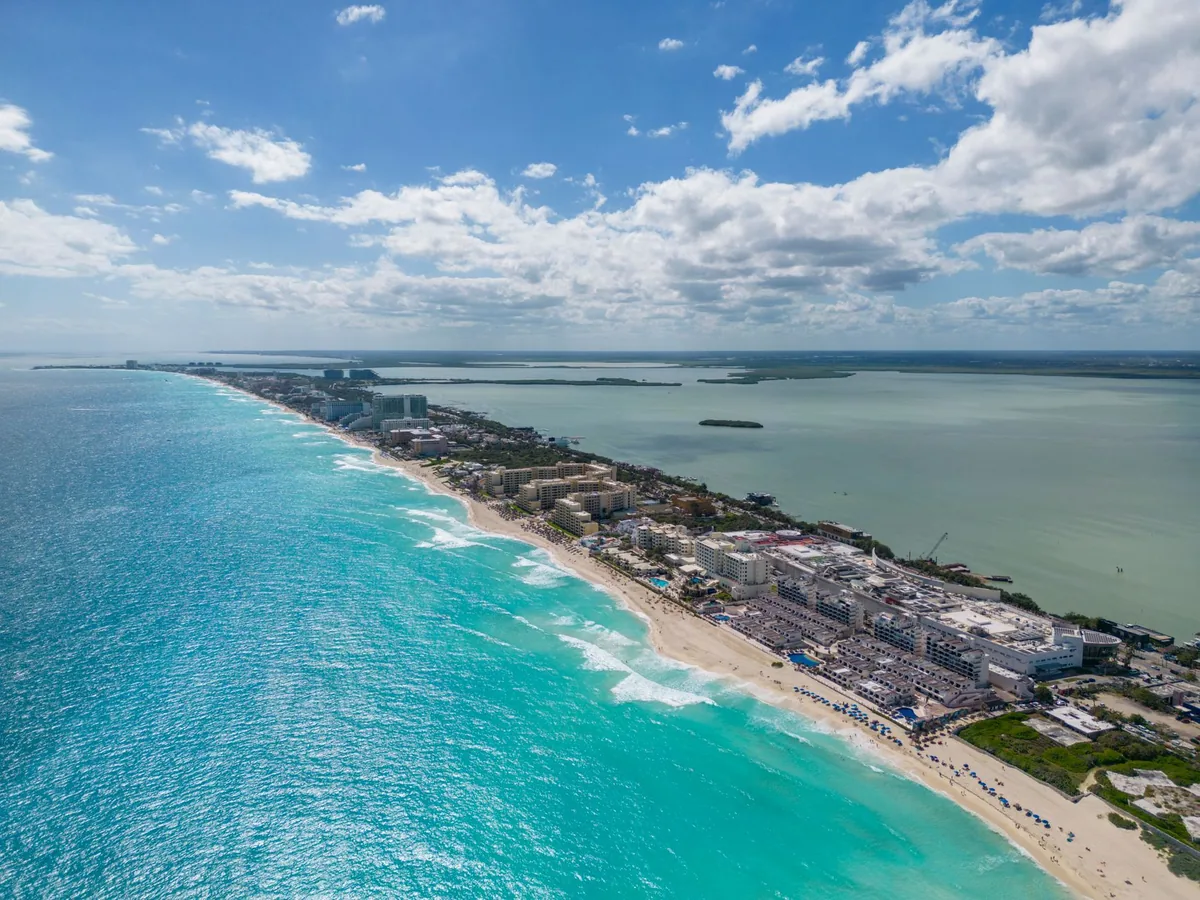
Revolution invests in physical destinations because algorithms cannot manufacture finite geographic locations, according to Skift. Case pointed to the firm's oceanfront peninsula project, Punta Cacique on the Guanacaste coast of Costa Rica, alongside existing land holdings across Hawaii. [1]
While software can optimize operating workflows, Case maintained that technology cannot build another natural peninsula or generate decades of localized community trust. Revolution approaches these locations as bases for guest exploration rather than isolated enclaves. [1]
How do membership models alter the economics of guest retention?
Membership clubs replace episodic guest transactions with compounding relationships that prevent customer acquisition from resetting to zero on every trip, Skift reported. Case invested in Exclusive Resorts more than two decades ago under the initial belief that real estate was the primary product, but later determined that community connections form the actual enterprise value. [1]
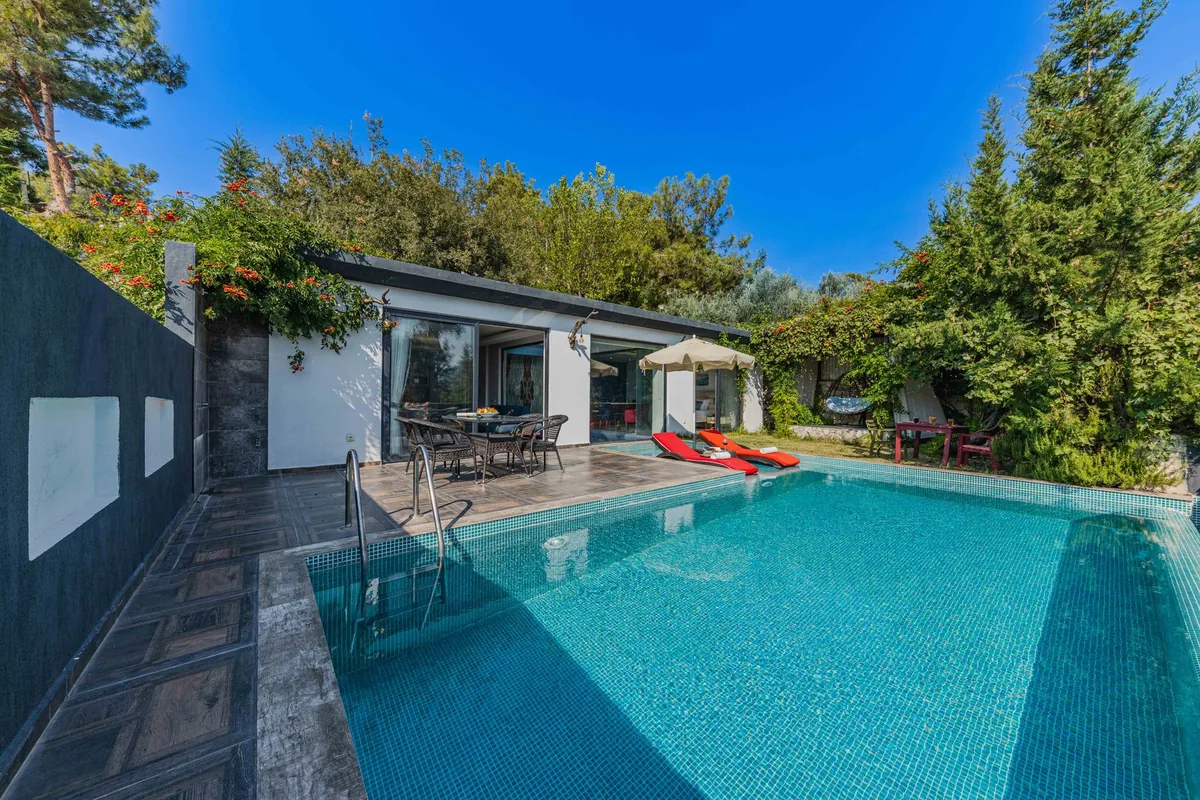
Revolution assembled The Exclusive Collective by pairing Exclusive Resorts with its acquisitions of Inspirato and onefinestay. According to Case, repeat member travel generates proprietary behavioral data that no outside algorithm can replicate, as staff learn how families mark milestones across dozens of stays over years. [1]
| Brand or Property | Business Structure | Strategic Investment Focus |
|---|---|---|
| Punta Cacique | Oceanfront real estate development | Irreplaceable natural peninsula on Costa Rica's Guanacaste coast |
| Exclusive Resorts | Luxury vacation membership club | Long-term relationship equity and recurring club community |
| Inspirato | Subscription travel platform | Platform scale under The Exclusive Collective umbrella |
| onefinestay | Curated home rental brand | High-end residential portfolio expansion within The Exclusive Collective |
| Hawaii Holdings | Physical land assets | Finite, non-reproducible island destination real estate |

Why are younger travelers turning away from pure digital booking?
Surging digital abundance produces decision fatigue rather than purchasing confidence, leading travelers back toward curated human advice, Skift reported. Citing a Chase Travel study of over 4,000 travelers, Case pointed out that 60 percent of Gen Z and Millennial respondents want to use travel advisors when planning trips. [1]
While digital natives consult social media and algorithmic tools for top-of-funnel discovery, Case explained that committing time and money prompts them to rely on human curation. For operators, human judgment functions as the primary product when consumers face infinite online options. [1]
What is the operational distinction between good and bad friction?
Operators must eliminate logistical friction using software while deliberately defending experiential friction that creates enduring memories, according to Case. Bad friction includes airline hold times, airport security checkpoints, and confusing booking interfaces where automation serves traveler interests directly. [1]
Conversely, good friction involves personal vulnerability and spontaneous discovery, such as getting lost in an unfamiliar neighborhood, trying unpronounceable regional foods, or learning local phrases. Case argued that hospitality designers must protect these unpredictable moments rather than homogenizing the entire guest journey through digital predictability. [1]
Reported by
This article was written from the following reporting. Follow the links for the original coverage.
Frequently asked
+What rule governs Steve Case's investment decisions around technology?
Case evaluates investments by asking whether technology will make an asset abundant or keep it scarce. Revolution applies artificial intelligence to automate abundant digital operations such as scheduling, research, and logistics, while directing capital expenditures into scarce physical land and member clubs that software cannot duplicate.
+Why did Revolution acquire Inspirato and onefinestay?
Revolution acquired Inspirato and onefinestay to expand its luxury hospitality portfolio under The Exclusive Collective alongside Exclusive Resorts. The acquisitions allow the group to service high-net-worth families across multiple residential formats while building cumulative guest data and multi-generational relationships that reset competitors cannot copy.
+What is the difference between good friction and bad friction in hospitality?
Bad friction comprises operational delays like customer service hold queues and complex booking processes that automation should eliminate. Good friction entails experiential uncertainty, such as discovering unmapped neighborhoods, trying unfamiliar cuisines, and interacting with locals, which Case considers central to why people travel.
+How do younger generations approach human travel advisors according to Case?
Younger travelers increasingly choose human advisors to escape online decision fatigue. According to a Chase Travel survey cited by Case, 60 percent of Gen Z and Millennial respondents want professional travel advisor guidance when booking trips, relying on humans to curate and validate their spending choices.
+Where is Revolution developing oceanfront real estate?
Revolution is developing Punta Cacique, an oceanfront peninsula located on the Guanacaste coast of Costa Rica. Case selected the location because unique coastal land cannot be replicated by technology, providing an enduring physical base for regional exploration.
Keep reading
Our reporting
More in finance