Hotel PIP Funding: Managing Brand Mandates and Cash Flow
How hotel owners can balance brand-mandated renovations and property improvement plans without depleting operational cash reserves.
The short answer
Hotel brands are enforcing strict renovation requirements on property owners, presenting choices between upgrading, rebranding, or exiting. Asset managers must use dedicated financing structures to fund mandatory improvements without depleting operational reserves.
The short version
- Accor has mandated that Sofitel owners must renovate, rebrand, or exit the system.
- Lodging Magazine emphasizes that hotel renovations are unavoidable but can be financed without depleting operating cash.
- Owners face increased pressure to evaluate specialized capital structures rather than relying on operational cash flow during PIP cycles.
Hotel owners must balance strict brand-mandated property improvement plans (PIPs) against operational liquidity by evaluating diverse financing structures rather than relying solely on property-level cash flow. When hotel groups issue strict upgrade requirements, owners must either fund the work through tailored capital options, rebrand the asset, or exit the system entirely [[1], [2]].
What happens when a brand issues a renovation mandate?
When hotel brands enforce property improvement plans, owners face rigid compliance deadlines to maintain brand affiliation [[1], [2]]. Skift reported that Paris-based Accor is continuing a sweeping renovation campaign across Sofitel, its largest luxury brand [1]. Under this initiative, Accor presented property owners with a direct mandate: renovate, rebrand, or exit the portfolio [1]. Such enforcement cycles demonstrate that brand standards are non-negotiable for flagship hospitality flags [1].
Why do brand-mandated PIPs threaten property cash flow?
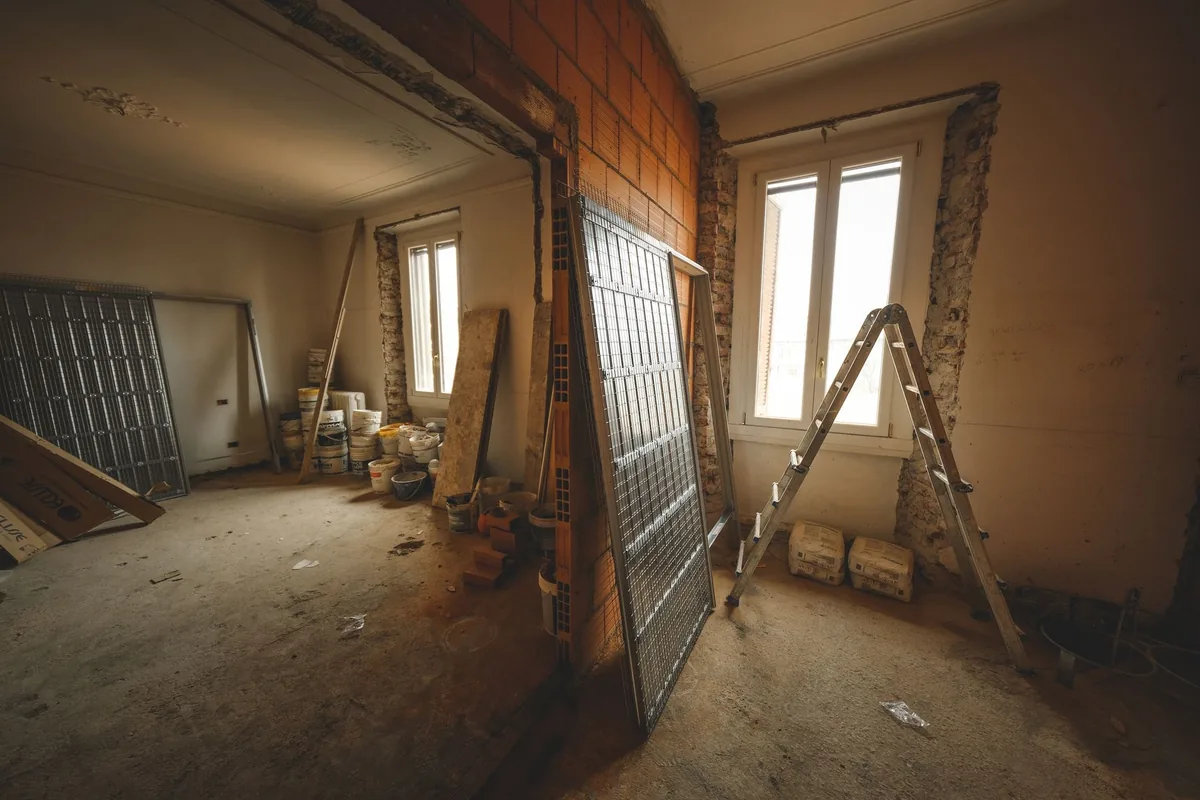
Property improvement plans involve heavy capital expenditures that can destabilise daily operations if funded directly from operating revenue [2]. Lodging Magazine noted that hotel renovations are expensive, disruptive, and unavoidable, whether driven by mandated PIPs, independent repositioning, or guestroom refreshes [2]. Because construction causes displacement and dampens occupancy, relying on day-to-day cash balances to pay contractors can trigger a severe liquidity deficit [2].

| Mandate / Renovation Component | Operational Impact | Ownership Action Required |
|---|---|---|
| Luxury Brand PIP Enforcement | Risk of deflagging or forced exit if unfulfilled | Evaluate brand ROI versus repositioning costs |
| Guestroom and Amenity Refurbishment | Operational disruption and room inventory displacement | Secure dedicated non-cash-flow capital structures |
| Public Space Overhauls (e.g. Lobbies) | Short-term disruption to guest arrival and on-site revenue | Phase construction alongside targeted financing |
How can owners fund capital works without exhausting cash reserves?
Owners must seek dedicated project capital to insulate operating accounts during heavy capital expenditures [2]. According to Lodging Magazine, hospitality owners have access to more financing options than in previous cycles to prevent cash flow from collapsing during renovations [2]. Selecting the appropriate funding tool allows asset managers to spread the cost of physical updates across future revenue rather than absorbing total upfront outlays from current liquidity [2].
When should an owner consider exiting instead of renovating?
An owner should consider exiting a franchise or management agreement when the return on investment from a required PIP fails to justify the capital outlay [[1], [2]]. As Skift highlighted regarding Accor's luxury portfolio, properties that do not meet brand standards face exiting the system if owners choose not to fund comprehensive upgrades [1]. If the projected rate premium after renovation cannot service the debt incurred, repositioning or rebranding provides an alternative path [[1], [2]].
Reported by
This article was written from the following reporting. Follow the links for the original coverage.
- [1]Accor's Message to Sofitel Owners: Renovate or Exit— Skift
- [2]Financing Hotel Renovations Without Killing Cash Flow— Lodging Magazine
Frequently asked
+What choices do brands give owners during major renovation drives?
Major hotel groups can require owners to execute full renovations according to brand standards, switch to another brand within or outside the company, or exit the brand network entirely, as seen in Accor's recent Sofitel initiative.
+Why is funding a PIP directly from hotel operations risky?
Renovations cause room closures and operational disruption that lower top-line revenue. Paying for capital improvements directly out of current cash reserves can quickly deplete operating cash and cause liquidity shortfalls.
+Are hotel renovations optional for franchised properties?
No. When hotel brands roll out standard property improvement plans across a network, adherence is mandatory for maintaining the flag and remaining part of the brand's distribution network.
+How can owners protect cash flow during mandatory upgrades?
Owners should secure specialized capital and renovation financing rather than using day-to-day operating funds, distributing the expenditure over time to preserve baseline working capital.
+What should owners evaluate before committing to a brand-mandated PIP?
Owners must assess whether the RevPAR uplift from the renovated property will cover the required capital expenditure and debt service, or if rebranding or selling the asset represents a better return.
Keep reading
Our reporting
More in finance