Rogue OTAs and Commission Traps Drain 20% of Hotel Direct Revenue
Predatory search bidding, distribution channel leaks, and misleading brand listings divert high-margin direct bookings away from hotel bottom lines.
The short answer
Third-party intermediaries and distribution inefficiencies cost hotels up to 20% of their room revenue. By intercepting branded search queries and undercutting direct rates, predatory platforms siphon valuable high-margin bookings.
“Hotels put an enormous amount of work into earning a guest’s decision, yet even when someone searches for a property by name, there can be multiple third parties waiting to intercept that booking. For many hoteliers, the scale and financial impact of that activity at their own property has been difficult to see.”
The short version
- Operto reports branded hotel searches feature predatory OTA ads 75 percent of the time, diverting 8 percent of direct bookings.
- Net Affinity and Smarthotel calculate hotels risk losing up to 20% of room revenue via commissions of 15% to 25% and distribution gaps.
- PRISM corrected Las Vegas listings on major OTAs after marketing OYO rooms under the separate brands Palette and Collection O.
Rogue online travel agencies and platform commission traps siphon hotel direct revenue by bidding aggressively on branded search terms, undercutting direct rates via redistributed wholesale inventory, and imposing commissions between 15% and 25%. Combined with system friction and misleading third-party listings, properties lose up to 20% of room revenue on affected bookings alongside direct customer control.
How Do Rogue OTAs Intercept Branded Search Traffic?
Predatory third-party intermediaries capture demand at the precise moment a guest intends to book directly by bidding on hotel names in search engines. Branded hotel searches feature competing OTA advertisements 75 percent of the time, according to figures released by Operto [1]. The typical hotel competes against an average of nine predatory OTAs for its own trade name, with sites such as GuestReservations, ReservationsDesk, and HotelsOne among the most active players [1].
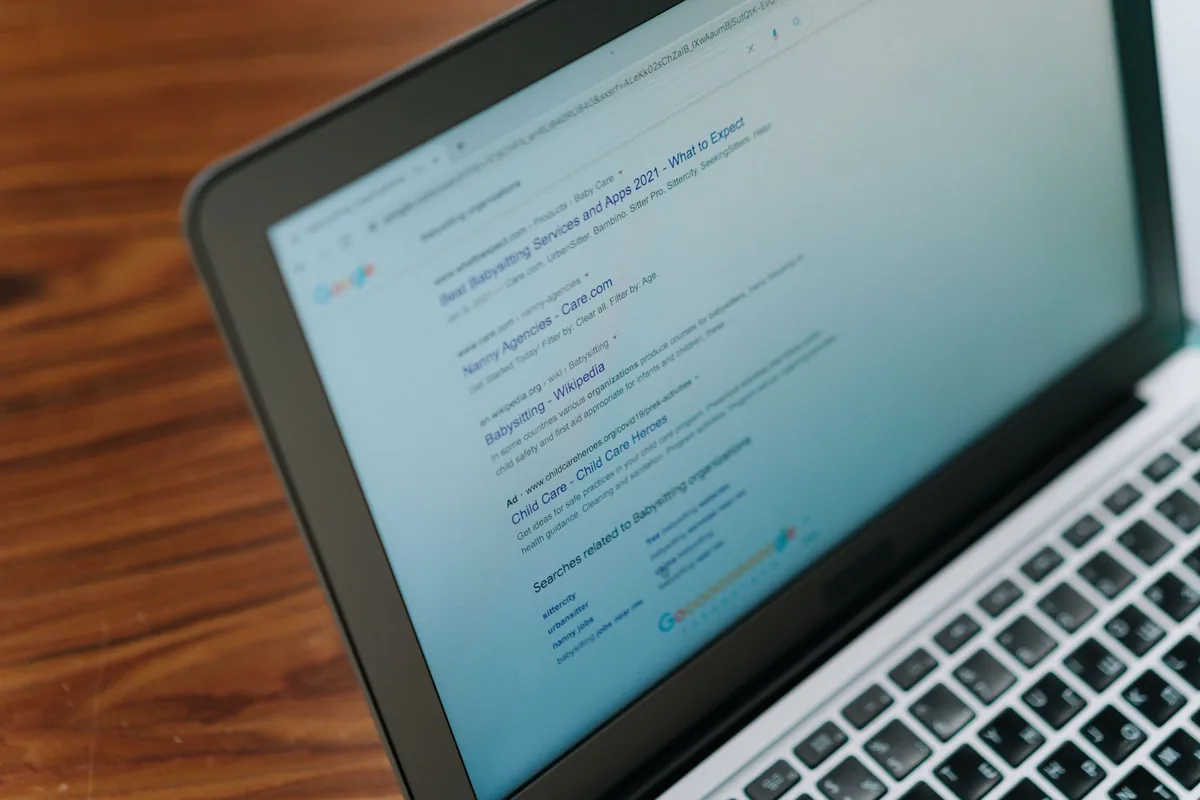
These intermediaries place paid placements above the hotel's official website in Google Search results [1]. Consequently, Operto estimates that 8 percent of direct bookings are lost to these third-party platforms [1]. Beyond paying commissions on diverted business, hotels lose direct relationships with their guests, who frequently encounter restrictive cancellation terms and unexpected fees without realizing they purchased outside official channels [1].
Where Does Revenue Leak Across Booking Platforms?
Revenue leakage extends past intercepted search traffic into everyday distribution gaps between core property systems. In a separate joint analysis, hospitality technology specialists Net Affinity and Smarthotel reported that hotels risk losing up to 20% of room revenues on bookings due to high platform commissions, rate discrepancies, and integration gaps [2]. Standard platform commissions range from 15% to 25%, establishing a substantial deficit between the headline booking value and net revenue retained by the operator [2].
This leakage is intensified when wholesale inventory is redistributed to undercut direct prices, or when booking platforms implement member-only rates and mobile-only discounts [2]. Furthermore, hotelowner.co.uk reported that static length-of-stay rules, delayed availability updates, and outdated minimum-stay restrictions cause properties to miss profitable demand as guest behaviors shift toward shorter stays and last-minute reservations [2]. Mobile friction, including slow website speeds and complex checkout paths, regularly pushes shoppers directly back to third parties [2].

How Can Inventory Manipulation Confuse Distribution Channels?
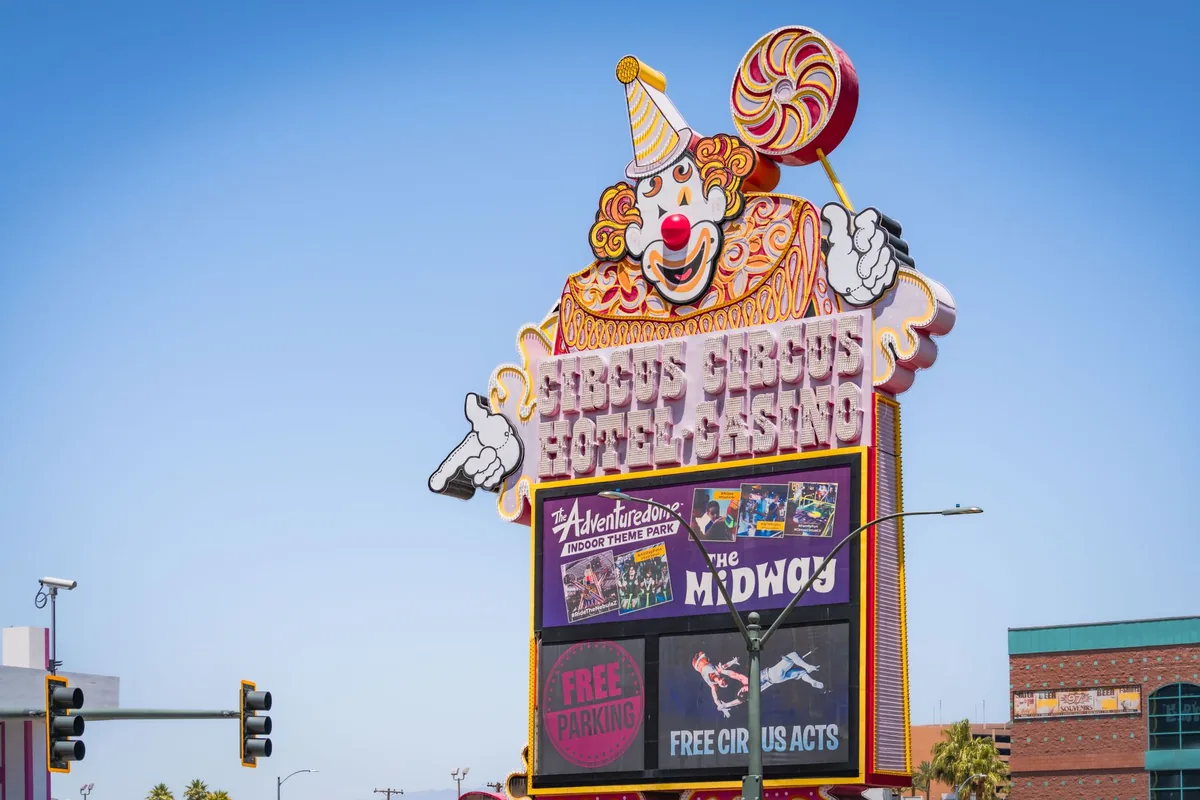
Distribution risks also materialize when properties and intermediary networks manipulate online inventory listings to bypass negative brand sentiment. Asian Hospitality reported on a controversy in Las Vegas where OYO Hotel & Casino faced scrutiny after rooms at 115 East Tropicana Avenue were listed as entirely separate properties named Palette Las Vegas and Collection O [3].
Vital Vegas reported that exterior building photos were altered with artificial intelligence to replace real exterior signs with Palette and Collection O branding [3]. These listings appeared on major distribution portals including Booking.com, Expedia, Orbitz, Travelocity, Hotels.com, and Trip.com, as well as OYO’s own site [3]. At the time, OYO carried a 1.7-star Yelp rating amid guest complaints of broken elevators and faulty air conditioning [3]. Parent company PRISM stated the listings were intended as an evaluation of a dual-brand strategy for room blocks that went live before renovations and physical signage were finished [3]. Travelers who booked Palette to avoid OYO arrived to discover they were staying at the same property, forcing PRISM to review listings and offer room upgrades or refunds [3].
What Do the Figures Show Across Search and Distribution?
Understanding the exact financial toll of third-party intermediaries requires evaluating search visibility metrics alongside distribution commission structures.
| Metric or Channel Factor | Observed Figure or Range | Operational Impact on Hotels | Source |
|---|---|---|---|
| Branded Search OTA Ad Presence | 75% of searches | Pushes official hotel websites down Google Search rankings | Operto |
| Average Rogue Competitors Per Property | 9 predatory OTAs | Forces direct brand dilution from sites like HotelsOne and ReservationsDesk | Operto |
| Direct Bookings Diverted | 8% | Direct customer acquisition lost to third-party markups | Operto |
| Standard Platform Commission Rate | 15% to 25% | Reduces retained booking revenue on distributor sales | Net Affinity / Smarthotel |
| Total Room Revenue Leakage Risk | Up to 20% | Accumulates through rate gaps, commissions, and poor mobile checkout | Net Affinity / Smarthotel |
| Las Vegas OYO Deposit Revision | Reduced from $300 to $100 | Direct guest-facing operational policy change | Asian Hospitality |
How Can Hoteliers Counter Commission Traps and Protect Direct Bookings?
Hoteliers must deploy continuous brand monitoring alongside optimized booking pathways to stem leakage. Operto introduced an assessment that pinpoints within five minutes which third parties are bidding on a hotel's name and estimates resulting commission losses [1]. To counter unauthorized bidders, the company uses an automated marketing agent within Operto ONE to manage brand protection campaigns and report misleading advertisements directly to Google [1].
Operationally, Net Affinity and Smarthotel advise revenue teams to audit distribution channel contribution net of acquisition costs, resolve rate parity gaps created by redistributed wholesale rates, and streamline mobile booking engines to remove friction [2]. Ensuring that availability restrictions and rate updates sync instantly across channels prevents third-party sites from exploiting system delays [2].
Reported by
This article was written from the following reporting. Follow the links for the original coverage.
- [1]Operto Tool Exposes Revenue Lost to Rogue OTAs— Lodging Magazine
- [2]Hotels Risk Losing 20% of Room Revenue via Booking Platforms— hotelowner.co.uk
- [3]OYO Las Vegas Faces Scrutiny Over Misleading OTA Listings— asianhospitality.com
Frequently asked
+What are rogue OTAs and how do they operate?
Rogue OTAs are predatory third-party booking sites that bid on hotel brand names in search engines. They appear above official hotel links on Google to capture travelers searching directly for the property.
+How much hotel direct booking volume is lost to predatory search bidding?
Operto data indicates that competing third-party ads appear on 75 percent of branded hotel searches, diverting an estimated 8 percent of direct bookings away from official hotel reservation channels.
+What percentage of room revenue can hotels lose through booking platforms?
Analysis from Net Affinity and Smarthotel reveals that hotels risk losing up to 20% of room revenue on bookings due to platform commissions, wholesale rate discrepancies, and system integration gaps.
+What typical commission rates do booking platforms charge hotels?
Booking platform commissions typically range between 15% and 25%, which significantly depresses net revenue compared to direct bookings, particularly when combined with mobile-only discounts and member pricing.
+Why was OYO Hotel & Casino Las Vegas scrutinized over OTA listings?
Asian Hospitality reported that OYO used AI-edited images on platforms like Booking.com and Expedia to market rooms at its address as new hotels named Palette and Collection O.
Keep reading
Our reporting