Radisson Scales Creator Hub to 400 Hotels
Radisson Hotel Group expands its nano-influencer platform across 64 nations, replacing agency fees with room-barter content.
The short answer
Radisson Hotel Group has expanded its Creator Hub platform to over 400 hotels across 64 countries, sourcing verified nano-influencer content through room-barter stays. Campaign data reveals the model drives 22.2 times higher conversion than macro-influencers at zero media cost.
“The hotel was a great place to create content, with lots of different spaces to shoot in. The whole team knew we were there to capture content, which made it easy to set up shots. The collaboration through Creator Hub was simple and well organized throughout”

The short version
- Radisson expanded Creator Hub from 210 hotels at its November 2025 launch to more than 400 properties across 64 countries.
- Nano-creators with 1,000 to 30,000 followers generated 22.2 times higher conversion than macro-influencers in platform campaigns.
- Creator Hub trades three-night stays for short-form photo and video assets, eliminating direct media costs for participating properties.
Radisson Hotel Group has expanded its proprietary Creator Hub platform to more than 400 properties across 64 countries, connecting hotels directly with over 600 nano-content creators [[1], [2]]. Operating on a zero-media-spend barter model co-developed with agency APPLE TREE, the platform trades hosted stays for verified social content, yielding 22.2 times higher conversion than macro-influencer campaigns [[1], [2]].
How does the Creator Hub barter model operate for hotels?
Participating properties trade room inventory for production assets rather than paying commercial production or influencer fees [[1], [2]]. According to Hospitality Technology, the platform operates on a zero-media-spend exchange framework where vetted creators receive hosted three-night stays for up to two guests [2]. In return, creators produce and deliver authentic video and photography assets formatted for short-form social channels [2]. This replaces traditional, costly shoots and generic stock imagery, which audiences increasingly skip [1].
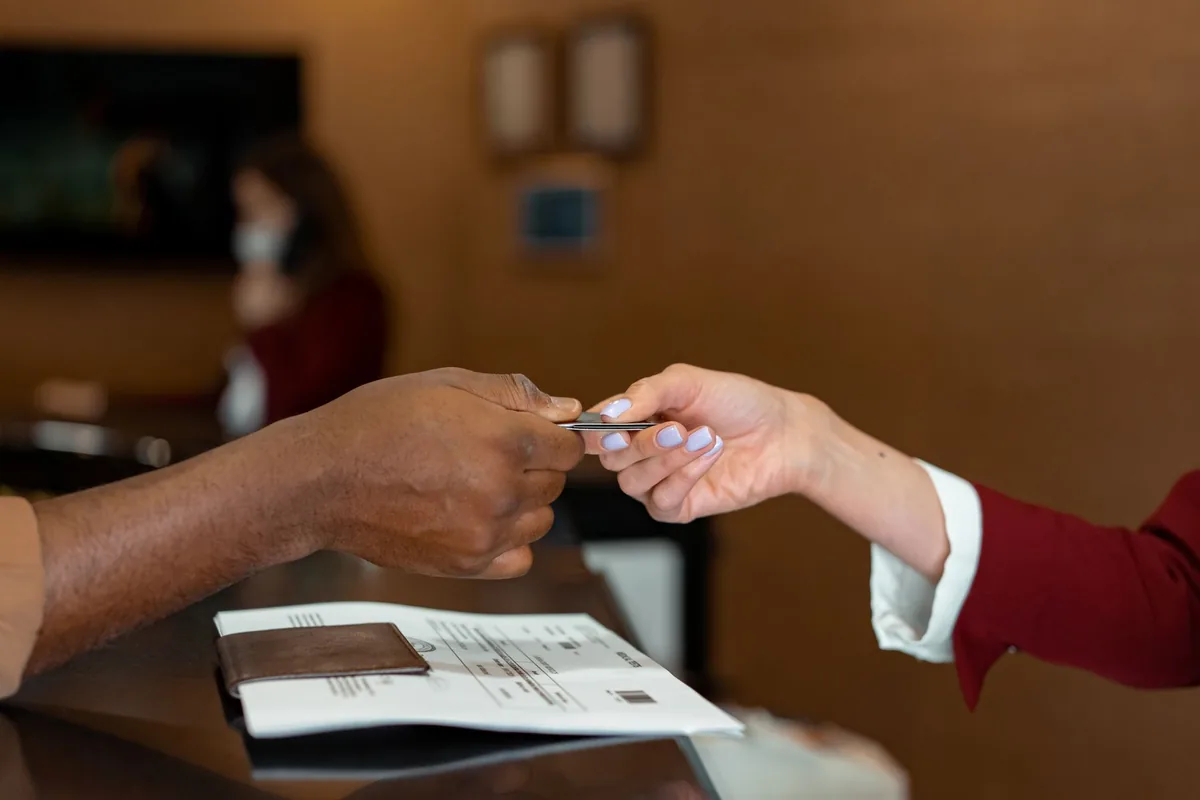
The system also solves administrative burdens at the property level [2]. Instead of individual general managers and sales teams fielding ad-hoc, unsolicited barter requests through social direct messages, the platform introduces a centralized booking and vetting workflow [2]. Hotel teams access a structured roster of creators who specialize as solo travelers, couples, filmmakers, photographers, inclusive voices, and families [1].
Which creators qualify and what rules govern their content?
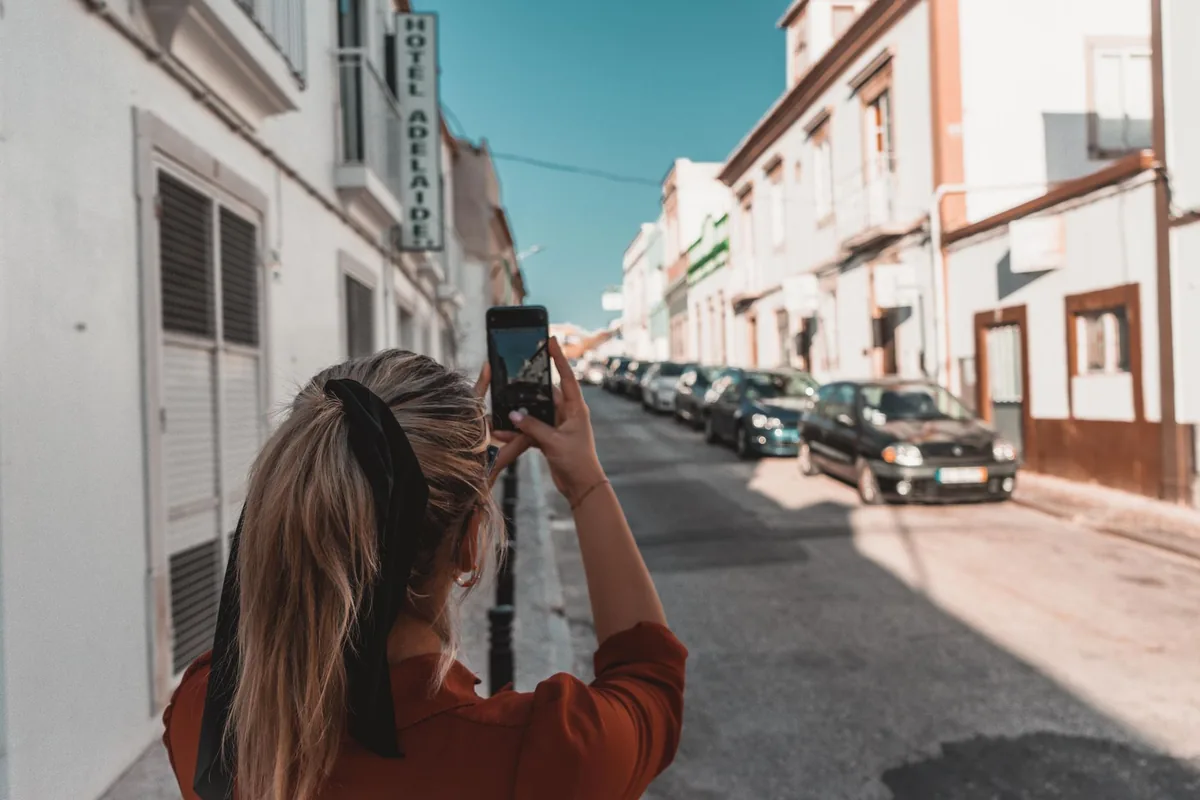
Radisson restricts platform participation to nano-creators holding between 1,000 and 30,000 followers on Instagram and TikTok [2]. These creators reside across 44 countries within EMEA and APAC [1]. According to eHotelier, properties such as art’otel London Hoxton, Radisson RED Belgrade, and Cour des Loges Lyon (A Radisson Collection Hotel) serve as creative backdrops, with Stockholm, Amsterdam, Gothenburg, Budapest, and Helsinki emerging as the most requested destinations on the platform [1].
To maintain brand control across hundreds of decentralized properties, Creator Hub issues hotel-specific briefs and creative guidelines prior to arrival [2]. Content must align with property aesthetics alongside four global corporate pillars: design, wellbeing, local culture, and gastronomy [2]. Furthermore, Radisson integrated the system into Radisson Rewards, applying a gamification mechanism that awards creators VIP tier perks—including room upgrades and early check-in—in exchange for consistent output and creative quality [2].
What commercial returns does nano-creator marketing produce?
Campaign data shows that nano-influencers dramatically outperform larger accounts in commercial conversion and brand reach [[1], [2]]. An internal campaign analysis conducted by Radisson and APPLE TREE revealed that nano-creator partnerships delivered 22.2 times higher conversion rates than macro-influencer promotions [[1], [2]]. Additionally, figures from Later cited by eHotelier document a 34.1% impression rate for these nano-partnerships, doubling the benchmark recorded by higher influencer follower tiers [1].
| Metric / Program Component | Platform Standard / Performance Result | Source Citation |
|---|---|---|
| Active Property Footprint | 400+ hotels across 64 countries | Hospitality Technology / eHotelier [[1], [2]] |
| Creator Network Size | 600+ creators across 44 countries | eHotelier [1] |
| Target Influencer Tier | 1,000 to 30,000 followers (nano-tier) | Hospitality Technology [2] |
| Barter Stay Format | Hosted 3-night stay for up to 2 guests | Hospitality Technology [2] |
| Conversion Multiplier | 22.2x higher than macro-influencers | Radisson / APPLE TREE analysis [[1], [2]] |
| Average Impression Rate | 34.1% (double higher influencer tiers) | Later Benchmark Report [1] |
| Launch Timeline | Scaled from 210 hotels in Nov 2025 | Hospitality Technology [2] |
Why are hotel brands abandoning macro-influencers for nano-creators?
Consumer behavior has decoupled travel discovery from conventional search engines and polished advertising [1]. According to eHotelier, Pew Research Center data shows that Gen Z travelers consult Instagram, YouTube, and TikTok rather than search engines when planning travel itineraries [1]. Nielsen research indicates that 92% of consumers trust word-of-mouth recommendations and user-generated content over traditional brand campaigns [1]. Furthermore, HubSpot’s State of Marketing 2026 report found that short-form video delivers the highest return of any content format for travel marketers, outranking livestreams and long-form video [1].
Hospitality Technology noted that macro-influencers frequently deliver low return on investment while generating content that strays off-brand [2]. General managers have increasingly pushed back against unsolicited comp stays [2]. By automating the pipeline to vetted micro-audiences, hotel operators turn unsold room nights into authentic assets that convert prospective guests without media cash outlays [[1], [2]].
What industry recognition has the platform achieved?
The operational framework has gained formal recognition from international business and communications bodies [1]. Creator Hub earned a Premios Dircom 2026 award in Spain and securement as a finalist in the SABRE Awards EMEA 2026 [1]. The platform also collected an IN2 SABRE Certificate of Excellence and secured a position on the “100 Best Ideas of the Year” ranking compiled by Actualidad Económica and El Mundo [1].
General managers report tangible property-level visibility from the initiative [1]. Roderick Smith, General Manager of Park Inn by Radisson Amsterdam City West & Amsterdam Congress Center, noted the platform generated assets highlighting the hotel’s Karim Rashid-designed interiors, guest spaces, and conference facilities [1]. By aligning creator workflows with centralized brand benchmarks, properties establish reliable content pipelines while bypassing commercial shoot expenses [[1], [2]].
Reported by
This article was written from the following reporting. Follow the links for the original coverage.
- [1]Radisson's Creator Hub Wins Awards for Travel Marketing— eHotelier
- [2]Radisson Expands Creator Hub to 400 Properties— Hospitality Technology
Frequently asked
+What is Radisson Creator Hub?
Creator Hub is a centralized digital platform developed by Radisson Hotel Group and agency APPLE TREE. It connects properties directly with vetted nano-content creators who supply authentic social media photos and short-form videos in exchange for hosted hotel stays.
+How does the barter stay arrangement work?
Participating creators receive a hosted three-night stay for up to two guests at a participating Radisson property. In return, the creators produce short-form video and photography assets that adhere to property-specific briefs without any media spend by the hotel.
+What follower count is required to join Creator Hub?
The platform is restricted to nano-creators who have between 1,000 and 30,000 followers on Instagram and TikTok. These accounts deliver higher trust and an impression rate of 34.1%, which is double the benchmark for higher influencer tiers.
+How does Radisson ensure content quality and brand compliance?
Before their stay, creators receive detailed property briefs and creative guidelines aligned with Radisson's four brand pillars: design, wellbeing, local culture, and gastronomy. Radisson Rewards loyalty integration also rewards creators with upgrades and VIP perks for quality output.
+What conversion lift does the nano-creator model achieve?
Internal campaign analysis by Radisson Hotel Group and communications agency APPLE TREE showed that nano-creator partnerships yielded 22.2 times higher conversion than macro-influencer campaigns, alongside a 34.1% average impression rate.
Keep reading
Our reporting

More in marketing