Luxury Hotels Rethink Personalisation Beyond Generic Marketing
Hoteliers at a London summit debate data fragmentation, operational automation, and high-touch recognition.
The short answer
Luxury hoteliers gathered in London to rethink guest personalisation amid data fragmentation and rising labour pressures. Operators focused on back-of-house automation and pre-arrival tech improvements to restore genuine human recognition.
The short version
- Agilysys and Boutique Hotel News convened luxury leaders to address operational personalisation hurdles.
- 78 per cent of marketers cannot create personalised content at operational scale.
- 60 per cent of Millennials trust AI recommendations over human store associates.
Luxury hoteliers must redefine personalisation around guest recognition and stay intent rather than automated marketing gimmicks [1]. Boutique Hotel News reported that operators face disconnected software stacks, high employee turnover, and rising payroll costs, making automated behind-the-scenes systems essential for freeing on-property teams to forge emotional connections with arriving guests [1].
What defines genuine personalisation in luxury hospitality?
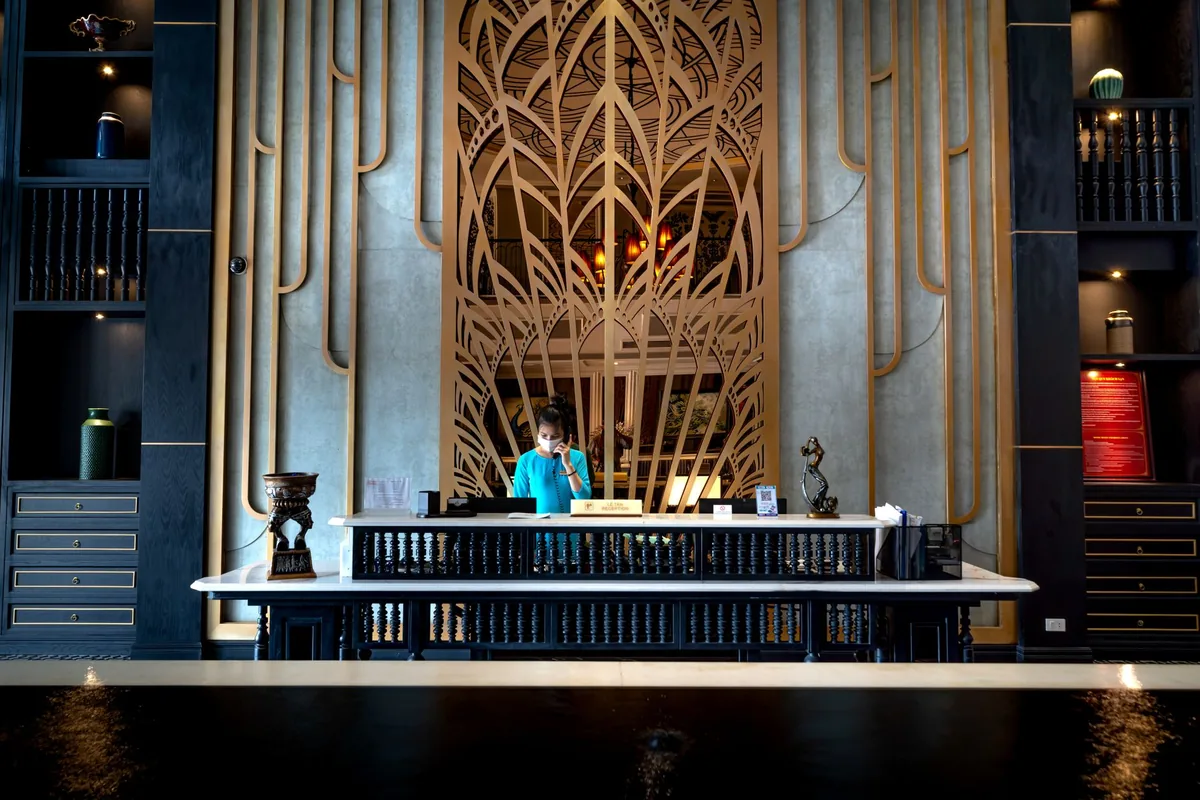
Genuine personalisation relies on recognition and relevance rather than rigid industry templates [1]. As Boutique Hotel News reported from its Feed Your Mind roundtable co-hosted with Agilysys at Four Seasons Hotel London at Tower Bridge, hoteliers agree there is no universally accepted definition for the term [1]. Success comes down to understanding why an individual is travelling, anticipating on-property needs, and responding appropriately during the stay [1]. Because luxury guests now have access to higher-quality technology and high-end amenities inside their private residences, properties must deliver memories and bespoke experiences that cannot be purchased or replicated at home [1]. Determining the explicit purpose of a trip provides the foundation for those tailored experiences [1].

Why does the pre-arrival guest journey continue to fail?
The pre-arrival phase remains one of the weakest operational links across the hospitality industry [1]. Disconnected technology stacks and fragmented guest profiles routinely prevent properties from recognising returning clients [1]. These legacy siloes stop front-desk and reservations teams from understanding previous guest stays or acting on booking intent while the request is still timely and actionable [1]. Research from eMarketer cited at the event underscores an execution gap caused directly by disconnected data and operational workflows [1].
What consumer data barriers do marketers face in 2026?
Consumer engagement with generic messaging is falling while operational hurdles to tailoring messaging continue to mount [1]. According to eMarketer data shared at the gathering, 78 per cent of marketers report they cannot produce personalised content at scale [1]. Furthermore, 65 per cent state that producing timely, targeted communication across every customer segment is too difficult [1]. Consumer trust and guest agency also dictate boundaries: what feels like attentive service to one guest demographic can read as intrusive surveillance to another [1]. Travellers demand control over how hotels handle their private information [1].
| Personalisation Benchmark | Reported Metric | Underlying Dynamic |
|---|---|---|
| Marketers struggling with content scale | 78% | Inability to produce personalised assets at high volumes [1] |
| Marketers blocked by multi-segment timeliness | 65% | Difficulty creating timely communications across all guest profiles [1] |
| Millennials trusting AI recommendations | 60% | Higher trust in automated agents over human store associates [1] |
| Gen Z trusting AI recommendations | 54% | AI-mediated demand reshaping advice channels [1] |
How does generational trust shift toward artificial intelligence?
Generative systems are reshaping booking behaviour as younger travellers place growing faith in automated platforms [1]. As Boutique Hotel News detailed, eMarketer findings show 60 per cent of Millennials trust artificial intelligence agents to supply superior recommendations compared to in-store associates [1]. Among Gen Z consumers, 54 per cent place the same confidence in machine advice [1]. Hoteliers must balance this automated assistance against personal human service without making digital interactions feel alienating or cold [1].
Where should hotel operations deploy back-of-house AI?
The strongest operational returns for automation occur behind the scenes rather than customer-facing interfaces [1]. Roundtable participants emphasised that technology should eliminate administrative burdens to allow employees to step away from screens and connect directly with visitors [1]. Practical back-of-house implementations include filtering high volumes of incoming emails, automating responses to routine reservation queries, assisting with guest itinerary design, and rebuilding complex month-end reports [1].
How do turnover and payroll pressures reshape property teams?
High staff turnover combined with mounting payroll expenses makes institutional guest memory difficult to preserve [1]. When experienced personnel depart, hotels lose historical records of customer preferences stored only in employee memory [1]. Operators from attending brands—including Firmdale Hotels, Cheval Collection, COMO Metropolitan London, Hand Picked Hotels, and The Standard London—noted that systems must support rather than replace human hospitality teams [1]. Ongoing staff training remains vital to give line-level workers the confidence to leave computer terminals and build face-to-face guest rapport [1].
Reported by
This article was written from the following reporting. Follow the links for the original coverage.
- [1]Luxury Hoteliers Rethink Personalisation Beyond the Buzzword— Boutique Hotel News
Frequently asked
+What is the primary obstacle to hotel personalisation?
Disconnected technology stacks and fragmented guest profiles create the primary obstacle [[1]]. These technical siloes stop operations from recognising returning guests, reviewing past stay details, or acting on booking intent in real time [[1]].
+Why is guest trip purpose essential for luxury properties?
Because modern travellers have access to superior technology and luxury amenities at home, properties must offer unique memories [[1]]. Establishing the precise purpose of a guest's visit allows teams to customise interactions that cannot be replicated elsewhere [[1]].
+How do Gen Z and Millennial guests view AI recommendations?
Younger demographics trust machine advice over retail staff [[1]]. According to eMarketer research, 60 per cent of Millennials and 54 per cent of Gen Z trust AI agents to deliver better suggestions than in-store personnel [[1]].
+What behind-the-scenes tasks are hotels automating with AI?
Hoteliers use artificial intelligence to automate high-volume email triage, resolve repetitive reservations inquiries, support itinerary planning, and rebuild complex month-end operational reports [[1]].
+How do payroll costs and turnover impact guest knowledge?
Frequent personnel turnover strips hotels of unrecorded guest preferences [[1]]. Combined with rising wage pressures, operations must use software that captures guest data to assist on-property staff rather than attempting to replace workers entirely [[1]].
Keep reading
Our reporting

More in operations