LEVA Hotels Expands in Africa With Morocco and Zimbabwe Deals
Dubai-based LEVA Hotels expands across Africa through a conversion in Casablanca and a new-build project in Bulawayo.
The short answer
Dubai-based LEVA Hotels is executing an African expansion strategy with a conversion in Casablanca and a new-build project in Bulawayo. The dual-track approach balances North African urban repositioning with Southern African greenfield developments.
“Partnering with a forward-thinking brand like LEVA Hotels ensures that our hospitality offering aligns with the broader vision we have for this $1 billion multi-use development”
The short version
- LEVA Casablanca marks the brand's North African debut through a 106-key conversion of the historic Washington Hotel.
- Radar Properties partnered with LEVA for a greenfield 120-key hotel in Bulawayo's $1 billion Kings City master development.
- Morocco targeted 26 million tourists by 2030, underpinning LEVA's conversion push in commercial hubs.
Dubai-based LEVA Hotels is executing its regional expansion across Africa by combining asset-light historic hotel conversions in high-traffic North African gateways with new-build management agreements in Southern African mixed-use developments. By signing deals in Casablanca, Morocco, and Bulawayo, Zimbabwe, the operator is scaling its lifestyle brand footprint across both North and Southern Africa [1], [2].
How is LEVA Hotels establishing its North African footprint?
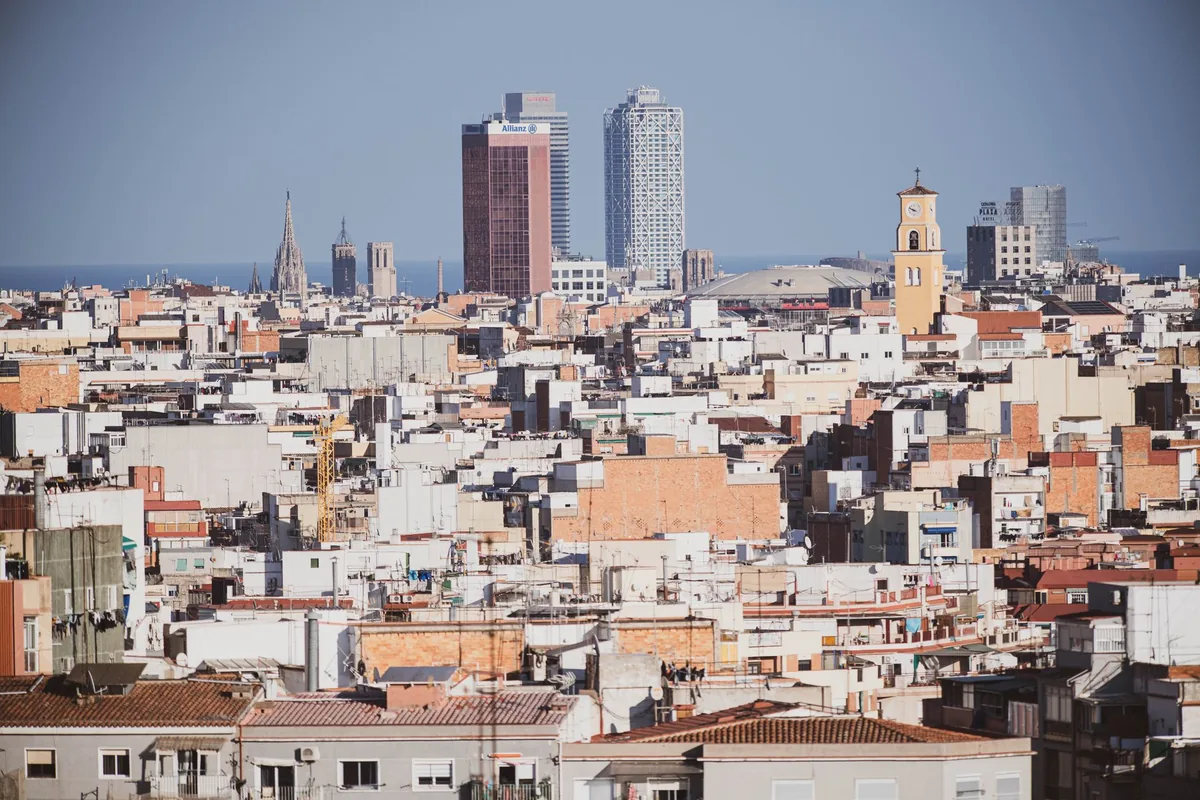
LEVA Hotels entered North Africa through a management agreement signed with Ismail Oukrid, COO of Ares Invest, Oukrid Family Office, to rebrand the former Washington Hotel in Casablanca [2]. According to Hotels Magazine, the 106-key property located in Casablanca's Mers Sultan district will officially transition to LEVA Casablanca on June 1, 2026 [2]. Originally built in 1953, the modernist landmark sits between the Old Medina and the commercial center [2]. Hotels Magazine reported that the conversion involves a phased refurbishment while the property remains fully operational [2]. The repositioning includes art-inspired interiors, smart technology, co-working lobby lounges, an all-day dining space, and a revitalized eighth-floor panoramic rooftop sky bar, with a gym and spa scheduled for a subsequent phase [2].
What structural model drives the Zimbabwe expansion?
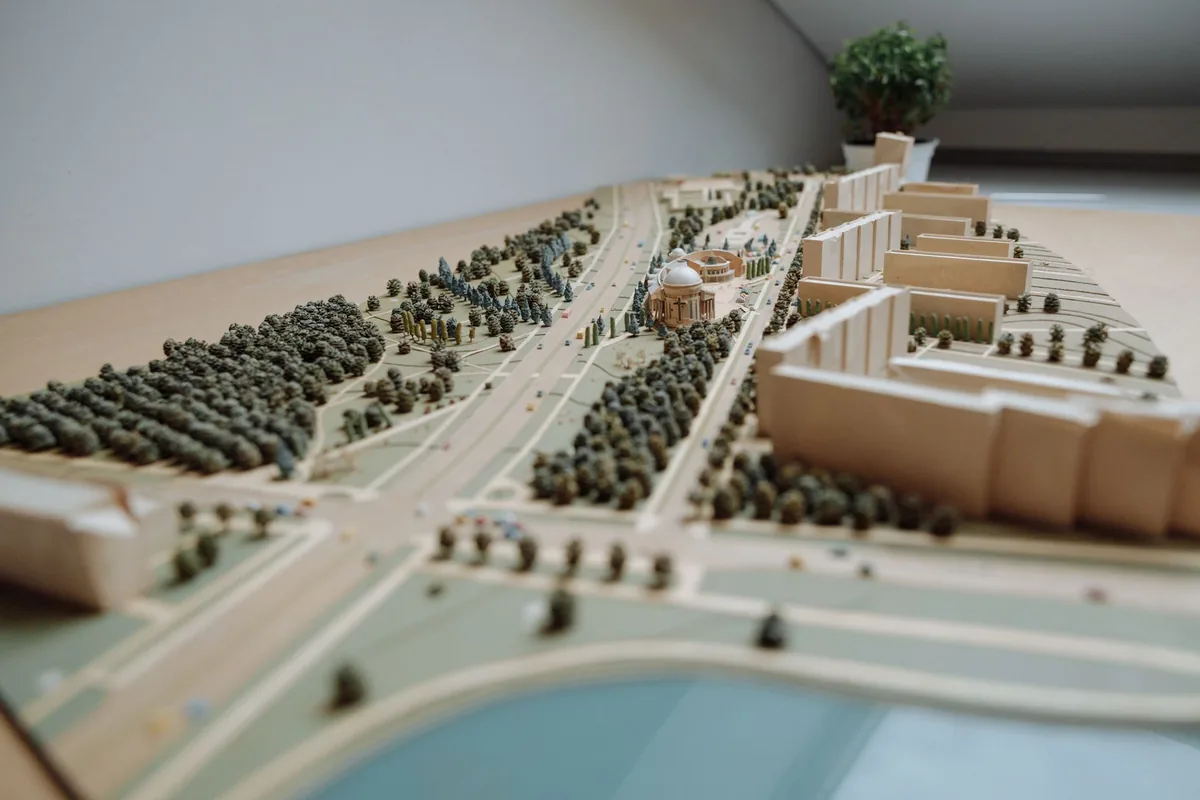
In Southern Africa, LEVA Hotels signed a management agreement with Radar Properties for a greenfield four-star hotel in Bulawayo, marking its fourth signed property in Zimbabwe [1]. Hotels Magazine reported that the 120-key hotel will sit within Kings City, a $1 billion, 2,100-hectare mixed-use urban development located 8 km from Bulawayo's Central Business District along Gwanda Road [1]. The Bulawayo deal follows the group's prior entry into Harare [1]. Facilities planned for the new-build four-star development include an on-site restaurant, a fitness center, a spa, and a dedicated conference hall [1].
| Property Name | Location | Project Type | Key Count | Local Development Partner |
|---|---|---|---|---|
| LEVA Casablanca | Casablanca, Morocco | Historic conversion / Phased repositioning | 106 keys | Ares Invest, Oukrid Family Office |
| LEVA Hotel Kings City | Bulawayo, Zimbabwe | Greenfield new-build | 120 keys | Radar Properties |

Why are Casablanca and Bulawayo primary commercial targets?
Both urban hubs offer distinct commercial and leisure demand generators for incoming operators [1], [2]. Casablanca provides commercial connectivity and strong tourism growth, supported by national figures where Morocco welcomed 17.4 million tourists in 2024 and targets 26 million visitors by 2030 under its 2023–2026 roadmap and co-hosting role for the FIFA World Cup 2030 [2]. Bulawayo serves as Zimbabwe's second-largest city, an industrial center, and the host city for the Zimbabwe International Trade Fair [1]. Furthermore, Bulawayo acts as an access point to regional tourism hubs, including Victoria Falls, Hwange National Park, and Matobo Hills [1].
How do LEVA's deal structures differ across African subregions?
LEVA applies an asset-light conversion model in mature urban markets while securing greenfield management agreements in emerging Southern African commercial hubs [1], [2]. In Morocco, the brand leverages an existing, operational 1953 building to accelerate market entry and unlock immediate asset value [2]. Conversely, the Zimbabwe strategy relies on integrating into large-scale master-planned communities like Kings City to capture emerging corporate, event, and leisure traffic [1].
Reported by
This article was written from the following reporting. Follow the links for the original coverage.
- [1]LEVA Hotels Signs Fourth Zimbabwe Project in Bulawayo— Hotels Magazine
- [2]LEVA Hotels Debuts in North Africa With Morocco Property— Hotels Magazine
Frequently asked
+What is LEVA Hotels' first property in North Africa?
LEVA Hotels is debuting in North Africa with LEVA Casablanca, taking over the former Washington Hotel in Morocco's Mers Sultan district under a management agreement with Ares Invest, Oukrid Family Office.
+When does LEVA Casablanca open?
The property transitions to the LEVA brand on June 1, 2026, undergoing a phased refurbishment while remaining fully operational.
+What are the details of the LEVA project in Bulawayo?
LEVA signed a management deal with Radar Properties for a 120-key greenfield four-star hotel in Kings City, a $1 billion mixed-use development located 8 km outside Bulawayo, Zimbabwe.
+How many signed projects does LEVA Hotels have in Zimbabwe?
The Bulawayo development marks the fourth signed project for LEVA Hotels in Zimbabwe, following an earlier entry into Harare.
+What guest amenities are planned for the Kings City Bulawayo property?
The four-star Bulawayo hotel will feature 120 rooms, a restaurant, a fitness center, a spa, and a conference hall.
+What tourism volume is Morocco targeting by 2030?
Morocco welcomed 17.4 million tourists in 2024 and projects reaching 26 million visitors by 2030, supported by its national roadmap and FIFA World Cup 2030 co-hosting duties.
Keep reading
Our reporting

More in operations