Delivery Apps Erode Hotel F&B Revenue Like OTAs
Hotels risk repeating room commission mistakes as third-party food apps claim up to 40% of dining revenue.
The short answer
Delivery apps charge up to 40% in stacked fees, draining hotel food and beverage revenue in the same way OTAs disrupted room distribution. Hoteliers must adopt direct mobile ordering and POS integrations to retain guest data and protect profit margins.
The short version
- US$50 billion is paid annually by hotels to the top three OTAs, setting a precedent for F&B revenue loss.
- UberEats, DoorDash, and GrabFood charge stacked commission rates climbing between 30% and 40%.
- SABA and major POS integrations like Oracle Simphony Cloud POS allow properties to eliminate third-party dining commissions.
Third-party delivery platforms are siphoning hotel food and beverage revenue by replicating the online travel agency model, charging stacked fees that reach up to 40% per order while capturing guest relationship data [1]. To protect margins and retain customer insights, properties must deploy direct in-house mobile ordering systems that connect directly to kitchen operations [1].
How do delivery apps mirror the historical OTA distribution model?
Delivery platforms such as UberEats, DoorDash, and GrabFood follow the exact playbook established by online travel agencies twenty years ago [1]. According to eHotelier, hotels originally outsourced digital room distribution to OTAs for convenience, which eventually transformed into an industry-wide cost of US$50 billion paid annually in commissions to the three largest OTAs [1]. Room commissions that began at 10% have risen between 15% and 30% or more when factoring in partner tiers, visibility boosters, and preferred placements [1].
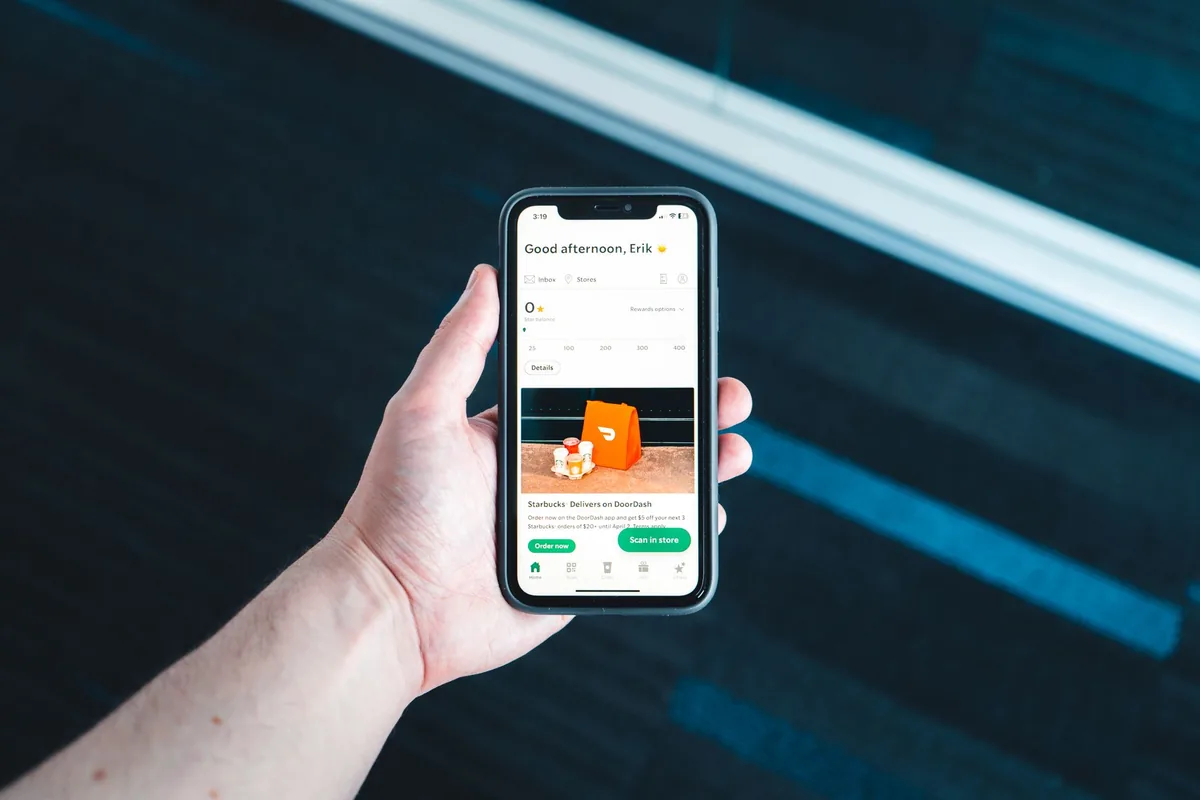
As reported by eHotelier, third-party delivery apps now exploit the same structural weakness by capturing the digital interface for food orders [1]. These aggregators charge initial commissions starting at 15%, which climb to between 30% and 40% once all platform fees are stacked [1].
Why is in-room dining failing to capture guest demand?
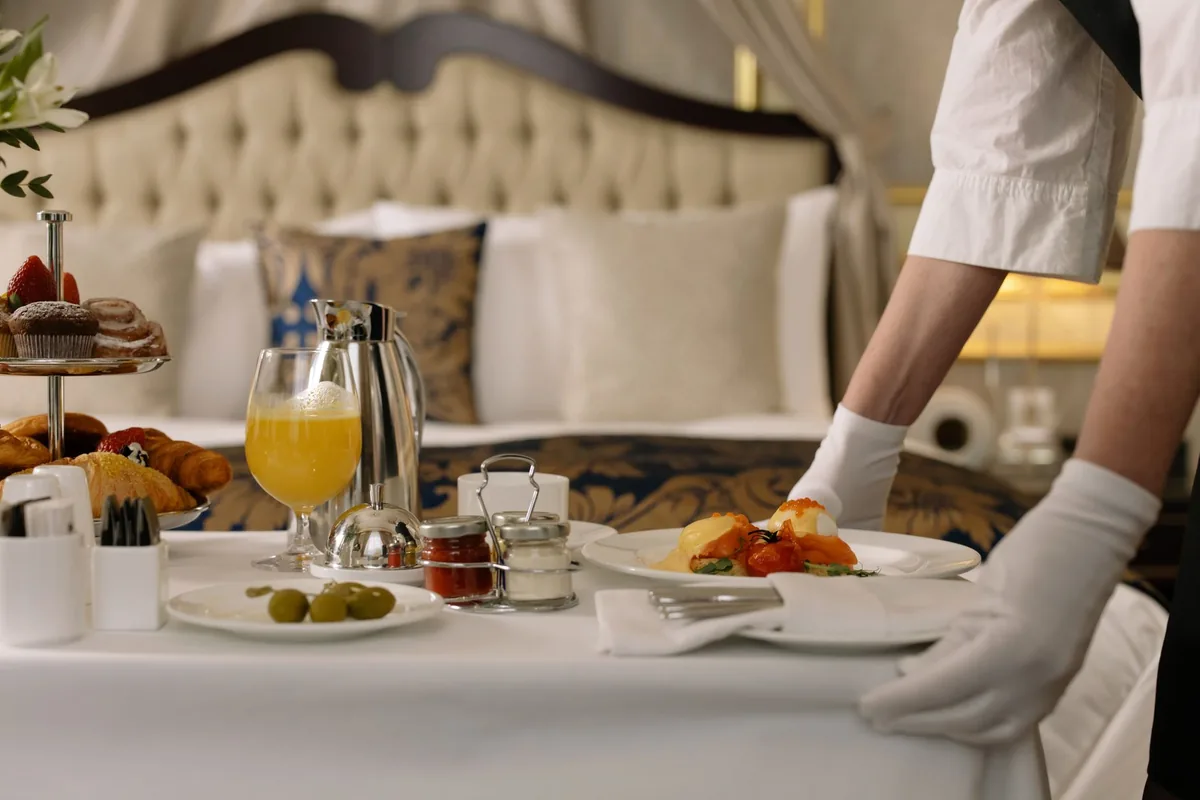
In-room dining represents a consistently performing revenue channel, yet properties forfeit direct sales because internal menus remain difficult to access, lack appeal, or suffer from poor marketing [1]. Guests increasingly prefer dining inside their guestrooms due to post-meeting privacy needs, over-the-top streaming content viewing, and demand for comfort food [1].
Despite this clear guest behavior, many hotel food and beverage leaders fail to market room service effectively because they view in-room dining as an internal threat that cannibalises their seated restaurant outlets [1]. Consequently, guests turn directly to third-party mobile aggregators from their rooms [1].
| Distribution Channel | Initial Commission Rate | Stacked / Mature Commission Rate | Guest Data Retention |
|---|---|---|---|
| Major Room OTAs | Around 10% | 15% to 30%+ | Third-party platform holds data |
| Third-Party Delivery Apps | Starting at 15% | 30% to 40% | Third-party platform holds data |
| Direct QR-Code In-House Ordering | 0% third-party commission | 0% third-party commission | Hotel retains full profile and order history |
What hidden operational costs do delivery apps impose on hotels?
Third-party app orders leave fixed property overheads intact while siphoning food sales away from internal kitchens [1]. While kitchen stations sit idle and front desks miss order calls, properties continue paying baseline utility, lease, and payroll expenses [1].
Labor inefficiencies worsen because hotel personnel frequently end up staging deliveries, coordinating driver handovers, and fielding issues for orders from which the hotel earns zero income [1]. In addition, hotels absorb secondary operational friction: guests face logistical confusion meeting drivers in lobbies, while housekeeping teams are left to manage external packaging disposal without capturing any guest spending [1]. When outside food arrives cold, late, or incorrect, the guest's dissatisfaction reflects on the hotel experience rather than the external application [1].
How does third-party ordering create a customer data black hole?
When an in-house guest orders through an aggregator, the external platform captures every critical data point: customer name, location, contact details, payment information, order history, spending patterns, ratings, and feedback [1]. The hotel receives no guest information, eliminating future remarketing, loyalty incentives, and profile personalization [1]. Each transaction strengthens the aggregator's competitive advantage while leaving the hotel with no record of guest dining preferences [1].
How can hotels reclaim food and beverage revenue through direct technology?
Hotels can counter external apps by implementing direct, browser-based QR-code ordering that requires no application downloads or login friction [1]. For instance, eHotelier highlighted SABA's mobile ordering software, which presents multilingual, branded menus directly on the guest's mobile device [1].
To automate kitchen workflows, direct mobile ordering tools integrate directly into point-of-sale systems like Oracle Simphony Cloud POS and Shiji Infrasys Cloud POS [1]. Furthermore, direct platforms integrate with job-dispatch software—including FCS1, Hotelkit, HubOS, Knowcross, Optii, and Quore—enabling teams to handle dining orders and guest service requests through a single unified interface [1].
Reported by
This article was written from the following reporting. Follow the links for the original coverage.
- [1]Delivery Apps Erode Hotel F&B Revenue Like OTAs— eHotelier
Frequently asked
+How much do third-party delivery apps charge hotels in fees?
Delivery platforms charge baseline commissions starting at 15%, which frequently reach 30% to 40% per order once all platform fees are stacked together.
+How much do hotels pay annually to major online travel agencies?
Hotels pay US$50 billion annually in commissions to the three largest online travel agencies, illustrating the long-term cost of outsourcing digital distribution.
+Why do hotel guests choose delivery apps over in-room dining?
Guests order via delivery apps because traditional in-room dining options are often poorly marketed, lack menu appeal, or are difficult to access, despite guest demand for private room dining.
+What data do hotels lose when guests use third-party delivery apps?
Hotels lose access to guest contact details, order histories, payment data, spending preferences, and feedback ratings, preventing future marketing and profile personalization.
+Which POS systems support direct in-house mobile ordering integrations?
Direct platforms connect with major systems including Oracle Simphony Cloud POS and Shiji Infrasys Cloud POS to transmit orders straight to kitchen displays.
Keep reading
Our reporting
More in operations