India MICE Delivers 2.03x Economic Multiplier in KPMG Study
Joint research by KPMG in India and EEMA highlights how corporate meetings generate double their initial spend across travel, lodging, and logistics.
The short answer
India's MICE sector delivers a 2.03x economic multiplier, leading all live event segments according to a joint study by KPMG and EEMA. Corporate delegates spend two to three times more per day than leisure travelers, generating widespread gains for hotels and transport.

The short version
- KPMG and EEMA found MICE generates a 2.03x economic multiplier across the Indian economy.
- MICE delegates spend two to three times more daily than leisure tourists and record longer hotel stays.
- ICRA projects Indian hospitality growth will moderate in fiscal 2026 amid West Asia regional tensions.
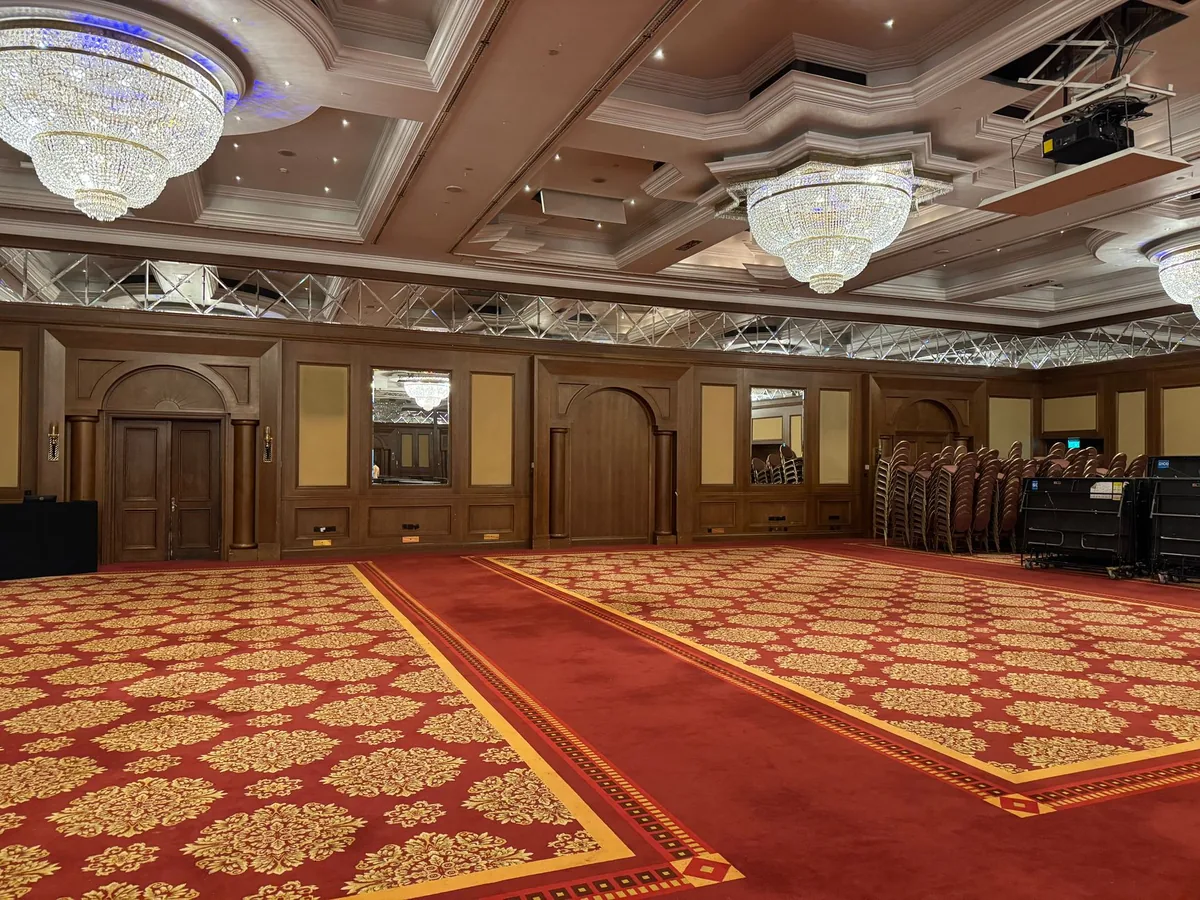
India’s meetings, incentives, conferences, and exhibitions (MICE) segment produces an economic multiplier of 2.03x, delivering the highest return across all live event categories, according to a joint study by KPMG in India and the Event and Entertainment Management Association (EEMA) [1]. The research shows that direct outlays on corporate gatherings yield double the total output across hospitality, transport, retail, and logistics [1].
What did the KPMG-EEMA study reveal about economic multipliers?
The study found that direct event expenditure generates between 1.46 and 2.03 times total economic activity across four primary event categories [1]. As Asian Hospitality reported, researchers assessed 108 events attended by over 1.8 million people to evaluate direct, indirect, and induced economic footprints [1].
MICE achieved the highest economic multiplier at 2.03x [1]. Weddings and allied celebrations recorded a 1.61x multiplier, commercial sports generated 1.52x, and live entertainment events produced 1.46x [1]. Direct spending in these categories moves from primary suppliers into the broader economy through employee wages, local procurement, and household spending [1].
| Event Category | Economic Multiplier | Representative Event Impact | 2025 Market Benchmark |
|---|---|---|---|
| MICE | 2.03x | $131,000 | $4.90 billion |
| Weddings & Allied | 1.61x | $202,000 | $68.2 billion |
| Commercial Sports | 1.52x | $813,000 | $1.98 billion |
| Live Events & Entertainment | 1.46x | $1.52 million | $1.43 billion |
How does delegate spending compare to standard leisure travel?
MICE delegates spend two to three times more per day than traditional leisure tourists and maintain longer lengths of stay [1]. Out-of-town visitors accounted for nearly three-fourths of all visitor spending in the primary survey [1]. These travelers directed the bulk of their budgets toward travel, accommodation, and dining rather than basic venue admission [1].
The study revealed that 54.6 percent of surveyed attendees traveled outside their city of residence for their most recent event [1]. In total, India recorded 34,086 live events in 2025 [1]. The inflow of nonlocal attendees channels cash directly to hotel guestrooms, convention spaces, food and beverage operations, and local transportation networks [1].
How do live entertainment and concerts affect food and beverage revenues?
Live entertainment creates direct spillover spending for restaurants and venues outside the event perimeter [1]. Citing data from the Mastercard Economics Institute, the report noted that restaurant spending in Mumbai increased by 21 percent on dates featuring domestic concert artists [1].
Concerts headlined by international artists lifted Mumbai restaurant spending by 13 percent [1]. In addition to driving auxiliary food and beverage sales, government estimates cited in the report show that large-format live productions create between 2,000 and 5,000 temporary jobs per event [1].

What structural reforms are needed to support event growth?
The report highlighted an urgent need for single-window clearances to simplify administrative approvals for organizers [1]. It also recommended establishing social protection frameworks for contract and gig workers who support live operations [1].
Furthermore, the research called for expanded capital investment in event spaces and hotel inventory across tier-2 and tier-3 cities [1]. These secondary markets require dedicated infrastructure to capture regional event demand [1].
What is the outlook for Indian hospitality into fiscal 2026?
India’s hospitality market faces moderating growth rates following a period of expansion [1]. According to rating agency ICRA, India's hospitality business is expected to expand at a slower pace in fiscal 2026 compared to the previous year [1].
Asian Hospitality noted that ICRA identified ongoing conflict in West Asia as an ongoing consideration for the operating outlook [1]. Despite broader macroeconomic fluctuations, high-multiplier corporate events and wedding-related activities continue to anchor foundational demand for hotel venues [1].
Reported by
This article was written from the following reporting. Follow the links for the original coverage.
- [1]India's MICE Sector Delivers 2x Economic Multiplier— asianhospitality.com
- [2]India MICE Events Deliver 2x Economic Multiplier— asianhospitality.com
Frequently asked
+What is the economic multiplier for MICE in India?
According to the KPMG and EEMA study, India's MICE segment delivers an economic multiplier of 2.03x, which is the highest among all live event categories examined.
+How much do MICE delegates spend compared to leisure travelers?
MICE delegates spend two to three times more per day than traditional leisure tourists and typically stay longer at host destinations.
+How many live events were recorded across India in 2025?
India recorded 34,086 live events across various categories during 2025, according to benchmark data presented in the KPMG-EEMA report.
+What impact do concerts have on local restaurant spending in Mumbai?
Mastercard Economics Institute figures cited in the report show Mumbai restaurant spending rises 21 percent during domestic artist concerts and 13 percent during international artist concerts.
+What policy improvements did the KPMG-EEMA report recommend?
The report called for single-window regulatory clearances, social protection programs for contract and gig workers, and targeted infrastructure investment across tier-2 and tier-3 cities.
Keep reading
Our reporting


More in finance