College Town Hotels Draw Capital to Year-Round Demand
Investors and hotel brands expand campus pipelines as institutional capital moves past seasonal game-day spikes toward year-round demand.
The short answer
Hotel investors and global brands are expanding into university markets with specialized upper-midscale and luxury concepts. Projects from Hilton and Alum highlight institutional interest in replacing outdated campus lodging to capture consistent year-round travel.
The short version
- Undergraduate by Hilton aims for 400 to 500 properties, with its initial opening slated for 2027.
- Alum launched a luxury condo-hotel and private club model targeting 30 to 40 campus markets.
- Legends Global will operate private clubs across Alum properties to connect with university leadership.
Hotel investors and brands launch dedicated concepts for college towns because these markets generate resilient year-round demand far beyond peak athletic weekends [[1], [2]]. University destinations maintain baseline occupancy through academic conferences, campus visitors, research operations, and local corporate travel, providing asset owners with dependable cash flows alongside severe lodging supply shortages during high-compression events [[1], [2]].
What Makes College Town Fundamentals Attractive to Institutional Capital?
College towns deliver steady revenue streams throughout the calendar year rather than relying solely on a handful of home football dates [[1], [2]]. As reported by Hotel Dive, Alum co-founder Paul Brenneke stated that capital now views college towns as year-round markets instead of underwriting them around six home games [2]. Tens of thousands of visitors enter these destinations on athletic Saturdays, yet traditional local lodging was built for a different era and fails to meet modern expectations [2].
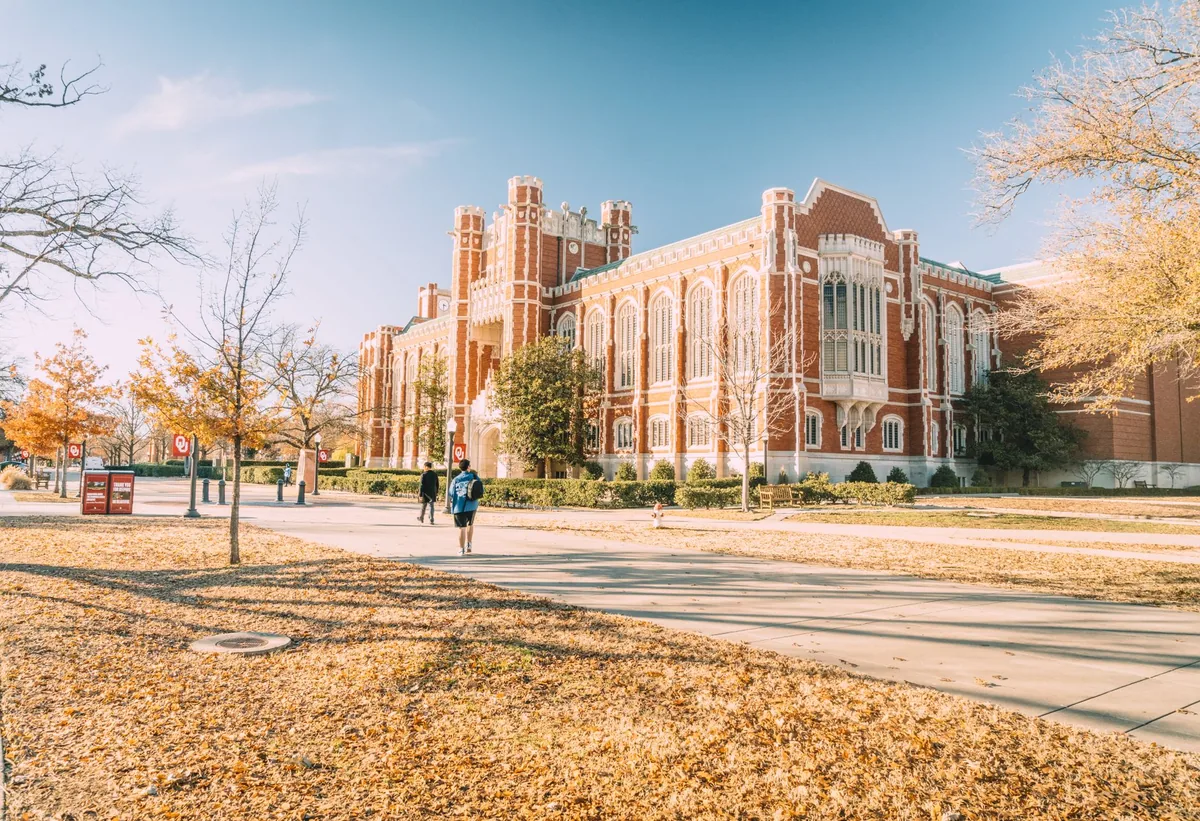
According to Lodging Magazine, Hilton Lifestyle Brands president Kevin Osterhaus pointed out that many university markets suffer inventory shortages during graduations, athletic fixtures, and major institutional events [1]. The underlying strength rests on business travel, academic conferences, and university-affiliated activity operating across all four quarters [1].
How Do Brand Positioning Strategies Differ Between Concepts?
Hospitality groups target distinct asset classes to capture market share across campus tiers, ranging from luxury condo-hotels to upper-midscale prototypes [[1], [2]]. Two separate developments illustrate this divergence across the hospitality spectrum [[1], [2]].
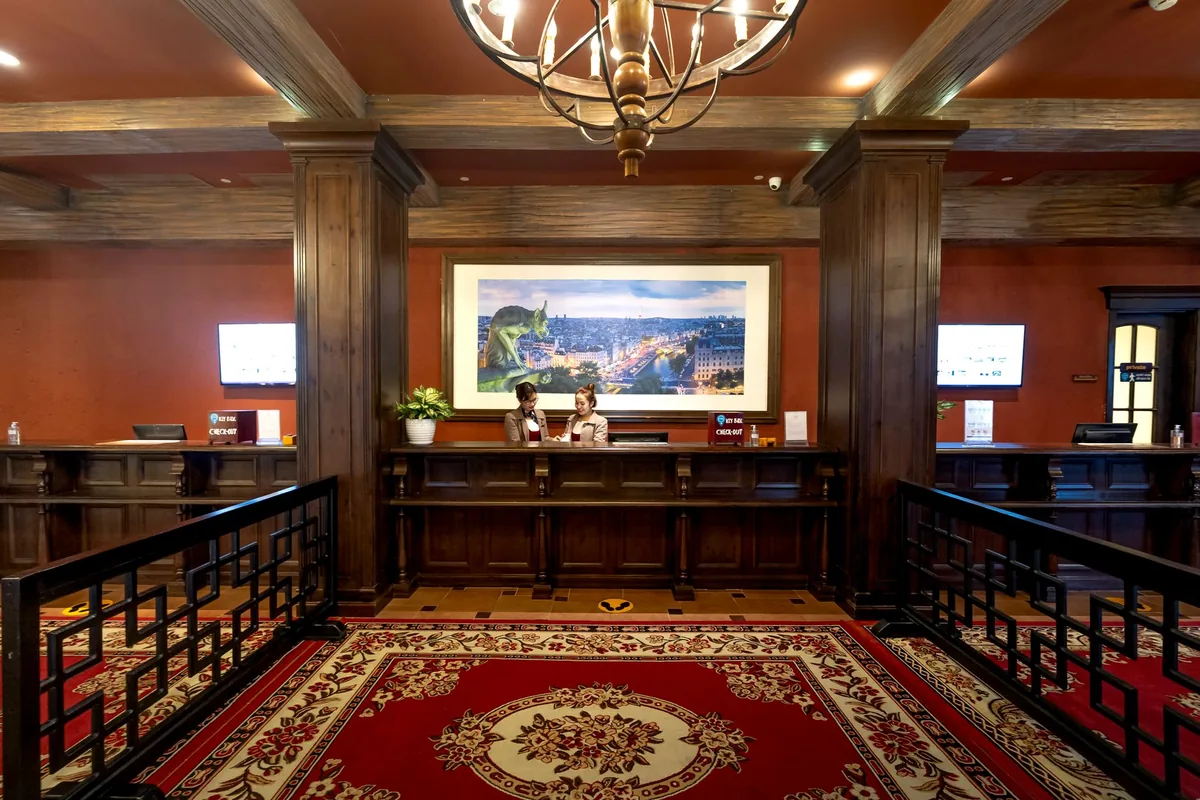
In the upper-midscale tier, Hilton unveiled Undergraduate by Hilton to complement its upper-upscale Graduate by Hilton footprint, which it acquired in 2024 [[1], [2]]. Undergraduate by Hilton targets secondary and tertiary markets using a scalable model suited for conversions and new builds, keeping properties within three miles of campus [[1], [2]]. At the high end of the market, newcomer Alum launched a luxury hospitality concept combining condo-hotel units, private members' clubs, and curated event facilities [2].
| Brand Concept | Target Segment | Target Property Count | Core Product Model | Initial Target Markets |
|---|---|---|---|---|
| Undergraduate by Hilton | Upper-Midscale | 400 to 500 properties | Conversions and new builds; grab-and-go F&B; study guestrooms | Broad university markets nationwide within 3 miles of campus |
| Alum | Luxury | 30 to 40 developments | Condo-hotels, private clubs, rooftop lounges, pools | Tuscaloosa (Alabama), Oregon, Michigan, Ohio State, Oklahoma, Kentucky, Notre Dame |
What Physical Products Are Operators Building on Campus Borders?
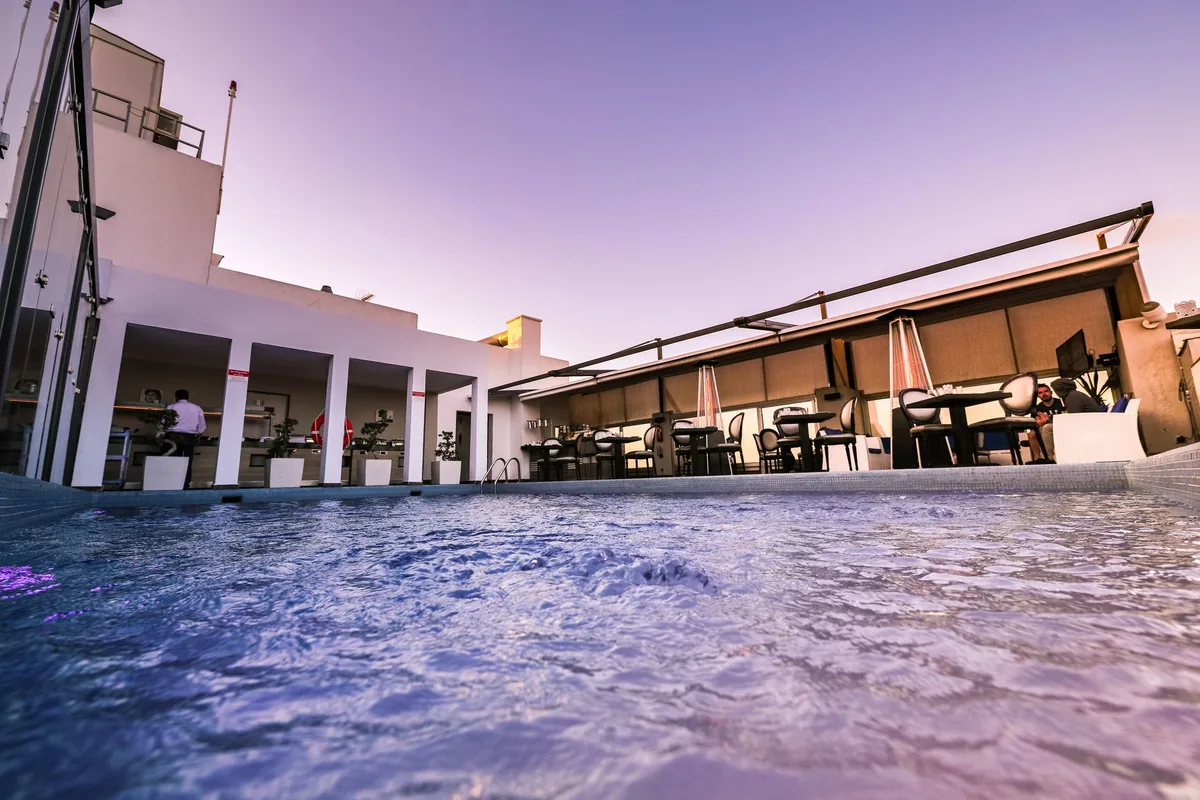
New campus products adapt traditional hotel square footage to university life through flexible guestrooms and specialized social spaces [[1], [2]]. Alum's inaugural project in Tuscaloosa near the University of Alabama spans 116,000 square feet [2]. The development features 68 luxury condo-hotel units, a rooftop lounge, swimming pool, meeting venues, and a private members' club operated in partnership with sports and live events company Legends Global [2]. Alum is backed by Baseball Hall of Famer Derek Jeter [2].
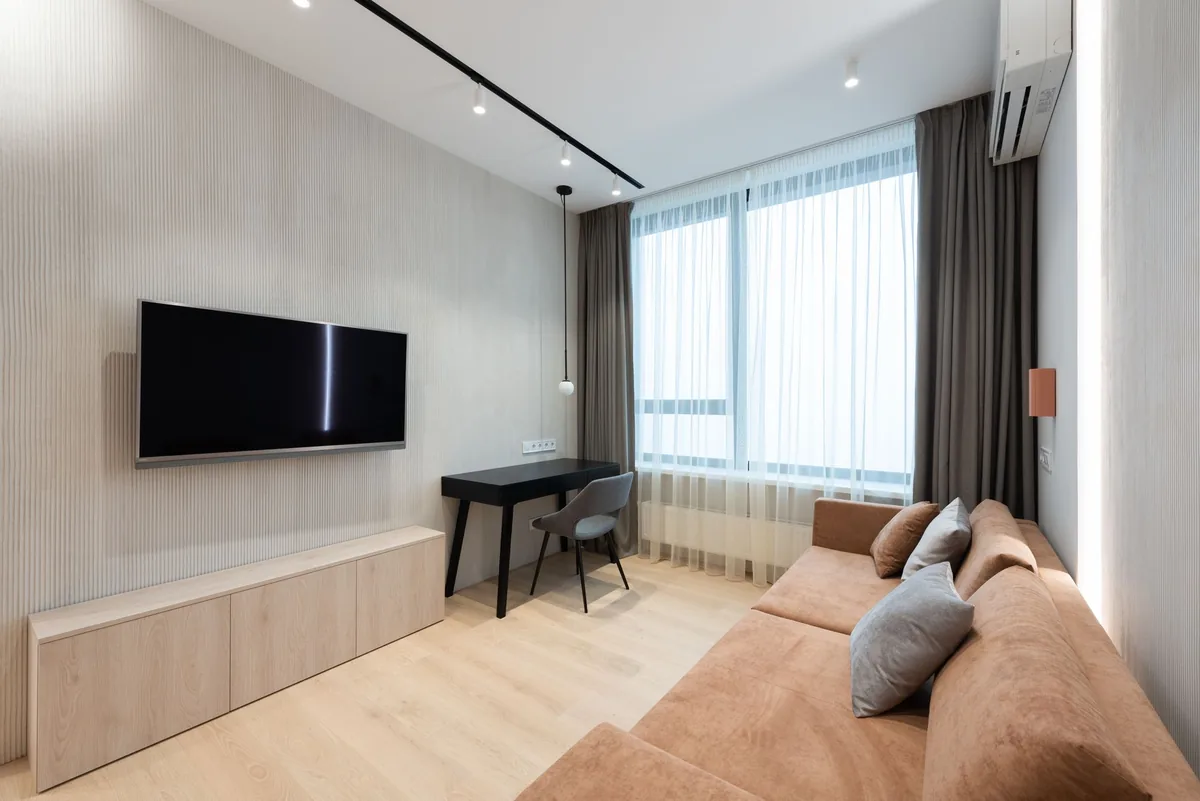
Undergraduate by Hilton introduces a "creative classroom" room layout featuring dedicated study corners, desks for work, corner couches, and modular storage [1]. Public spaces center on an always-on hangout environment [1]. Its food and beverage relies on Supersenior's, an all-day social space and market selling cult snacks, breakfast pizza tiles, kimchi quesadillas, jelly donut French toast, and pickles with chips and dip [1]. Authentic Hospitality—the operator behind Ray's and Pebble Bar in New York City—designed the brand's cocktail and college dive bar programs [1].
How Large Is the Long-Term Campus Pipeline?
Major operators project significant expansion pipelines across college real estate portfolios [[1], [2]]. Hilton estimates long-term capacity for 400 to 500 Undergraduate hotels, with the first site scheduled to open in 2027 [1]. Chris Nassetta, president and CEO of Hilton, stated that Undergraduate advances a corporate plan to expand the lifestyle portfolio to 700 hotels globally by 2028, including 60 lifestyle openings scheduled for this year [1].
Hotel Dive reported that Alum controls a site at the University of Oregon and conducts active discussions with Notre Dame, Kentucky, Oklahoma, Ohio State, and Michigan, aiming for 30 to 40 properties [2]. Other groups are active in the space: Travel + Leisure Co. secured rights in 2023 to develop Sports Illustrated Resorts in college markets, planning a sports-themed property in Baton Rouge, Louisiana, for late 2027 [2].
Reported by
This article was written from the following reporting. Follow the links for the original coverage.
- [1]Hilton Launches Upper-Midscale Undergraduate Brand— Lodging Magazine
- [2]Alum Launches College-Town Luxury Hotel Concept— Hotel Dive
Frequently asked
+Why are hotel investors targeting college towns over primary metro markets?
Investors target college towns because they pair high demand during athletic weekends and graduations with steady, year-round business travel, academic conferences, and institutional events, replacing aging lodging with modern concepts.
+What is Undergraduate by Hilton?
Undergraduate by Hilton is an upper-midscale lifestyle brand introduced by Hilton to complement its upper-upscale Graduate by Hilton portfolio, offering a conversion-friendly and new-build model located within three miles of campus.
+What does the Alum hospitality concept offer?
Alum is a luxury concept backed by Derek Jeter that combines condo-hotel units, private members' clubs, rooftop lounges, and game-day programming, debuting with a 68-unit, 116,000-square-foot development in Tuscaloosa, Alabama.
+How large is the projected growth for collegiate hotel brands?
Hilton projects 400 to 500 Undergraduate hotels over the long term, while Alum aims to scale to 30 to 40 developments across university towns.
+What other brands are expanding into college markets?
Travel + Leisure Co. acquired rights in 2023 to bring Sports Illustrated Resorts to college towns, with a sports-themed lifestyle hotel scheduled to open in Baton Rouge, Louisiana, in late 2027.
Keep reading
Our reporting

More in finance