Hotelschool The Hague Embeds VR and AI in Hospitality Training
Hotelschool The Hague incorporates VR simulations, generative AI prototyping, and a dedicated Makerspace to bridge digital skills gaps in hospitality education.
The short answer
Hotelschool The Hague has incorporated virtual reality simulations, generative AI prompt engineering, and a Makerspace into its bachelor's degree program. The initiative trains students to build digital prototypes, critique automated tools, and practise guest interactions without real-world risk.
“Hospitality will always be a people business, but our graduates now enter workplaces built on apps, data and AI-driven tools. If we don’t give them the digital fluency to work confidently with those tools, we’re not preparing them for the industry they’re walking into,”
The short version
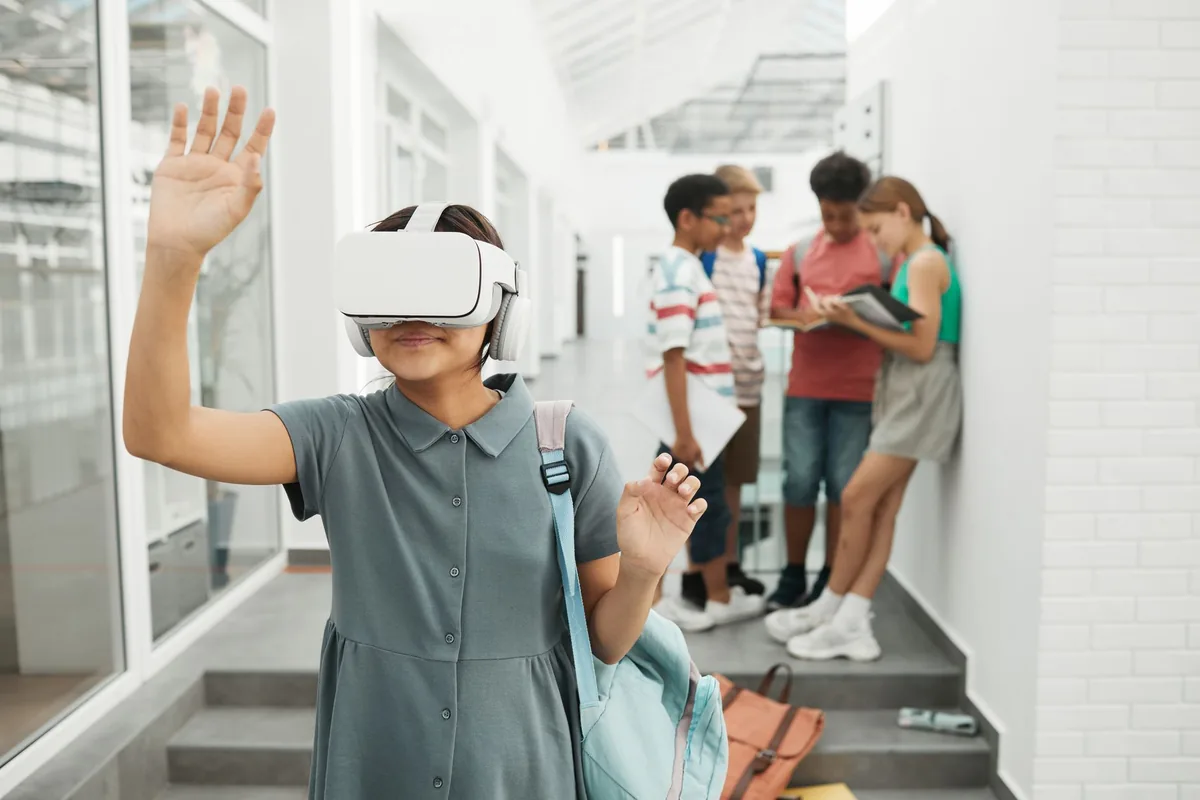
- Hotelschool The Hague integrates VR simulations to let students practise guest check-ins and cocktail preparation without consequences.
- Bachelor's students built a minimum viable product for a guest check-in app entirely through generative AI prompt design.
- A dedicated Makerspace combines 3D printing and digital prototyping to develop graduates' data literacy and technical fluency.
Hotelschool The Hague is embedding virtual reality simulations, generative artificial intelligence prototyping, and physical Makerspace environments directly into its curriculum to close the digital proficiency gap among entry-level hospitality graduates [1]. According to eHotelier, the initiative teaches students data literacy, app development through prompt design, and asynchronous customer service repetition in controlled digital environments [1].
Why is hospitality management training incorporating virtual reality?
Virtual reality gives hospitality management students an asynchronous, consequence-free environment to rehearse service scenarios before facing live hotel guests [1]. As reported by eHotelier, entry-level workers frequently lack the digital proficiency needed for immediate operational readiness [1]. Immersive VR training allows students to repeatedly practise front desk check-ins, onboarding training, food and beverage preparation, and de-escalation with difficult guests [1].
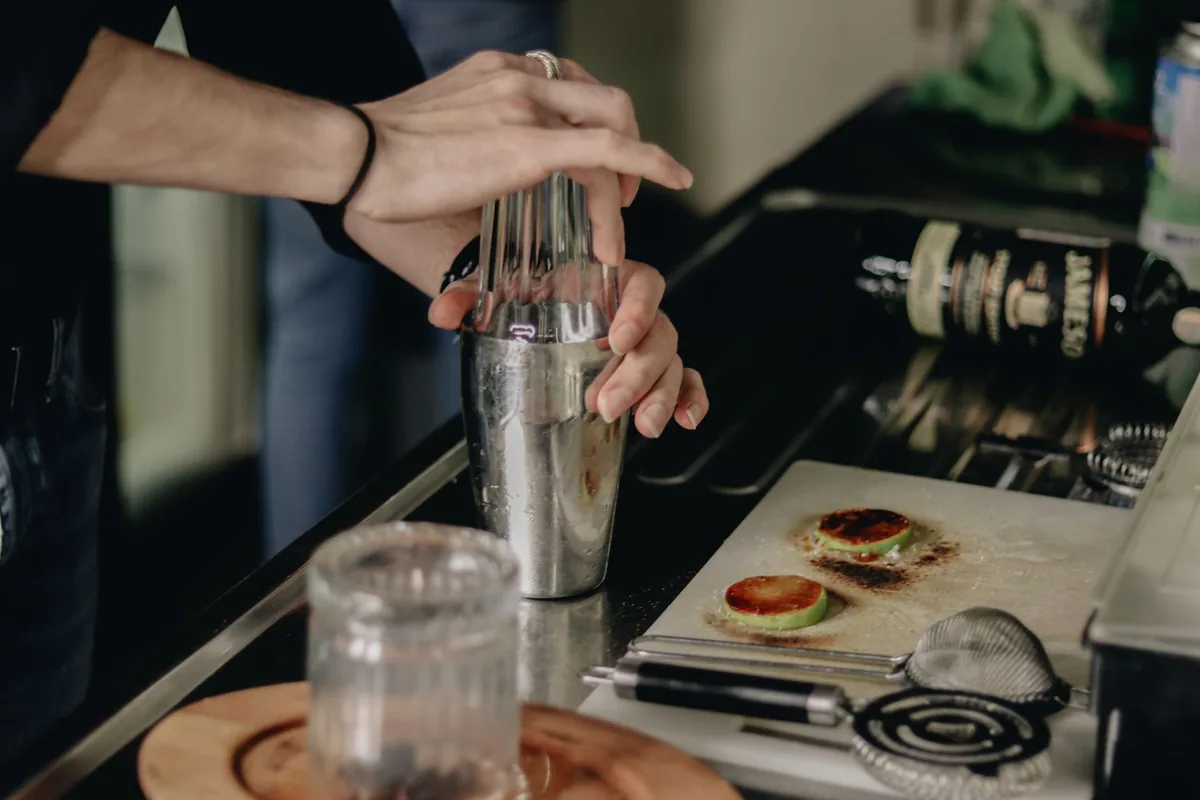
Dr. Praneschen (Che) Govender explains that the primary value of VR lies in repetition without real-world consequences [1]. A student can complete a challenging interaction ten times, alter their communication approach, and correct errors in private prior to entering a live service floor [1]. In practical beverage operations, students use cocktail training simulations to rehearse service steps, gain feedback, and establish confidence before taking on scheduled floor rotations [1].
How does data literacy shape generative AI education?
Data literacy provides the foundation that allows hospitality students to critically evaluate generative AI outputs rather than accepting them as neutral facts [1]. Generative AI systems reflect the specific training data fed into them and depend heavily on user prompt design, leaving them vulnerable to bias, factual mistakes, outdated details, and misleading answers [1].

Hotelschool The Hague focuses on teaching how operational information is collected, organised, interpreted, and transformed [1]. Dr. Sebastian A. Balart Sanchez, Lecturer in Digitalisation and Research at Hotelschool The Hague, points out that students must understand the construction of AI systems before they can identify whether an automated output suits a specific hotel context [1].
What role does digital app prototyping play in student learning?
App prototyping requires students to guide software concepts from initial ideation and prompt design through to functional digital prototypes [1]. According to eHotelier, bachelor's students at the school developed a minimum viable product for a virtual, secure guest check-in app entirely through generative AI prompts [1].
Building applications gives students practical insights into underlying operational workflows, data security, and interface structures [1]. Rather than acting merely as front-line software users, graduates acquire the operational knowledge necessary to evaluate third-party software vendors and enforce quality standards on hotel technology systems [1].
| Training Component | Core Technology | Target Operational Competency |
|---|---|---|
| Front Office & F&B Rotations | Virtual Reality Simulations | Check-in procedures, difficult guest interactions, and cocktail preparation [1] |
| Guest Experience Systems | Generative AI Prompting | Check-in app development, workflow design, and data oversight [1] |
| Product & Service Ideation | Makerspace & 3D Printing | Physical prototyping, online guest behaviour analysis, and system testing [1] |
How does the Makerspace bridge digital tools and physical hotel operations?
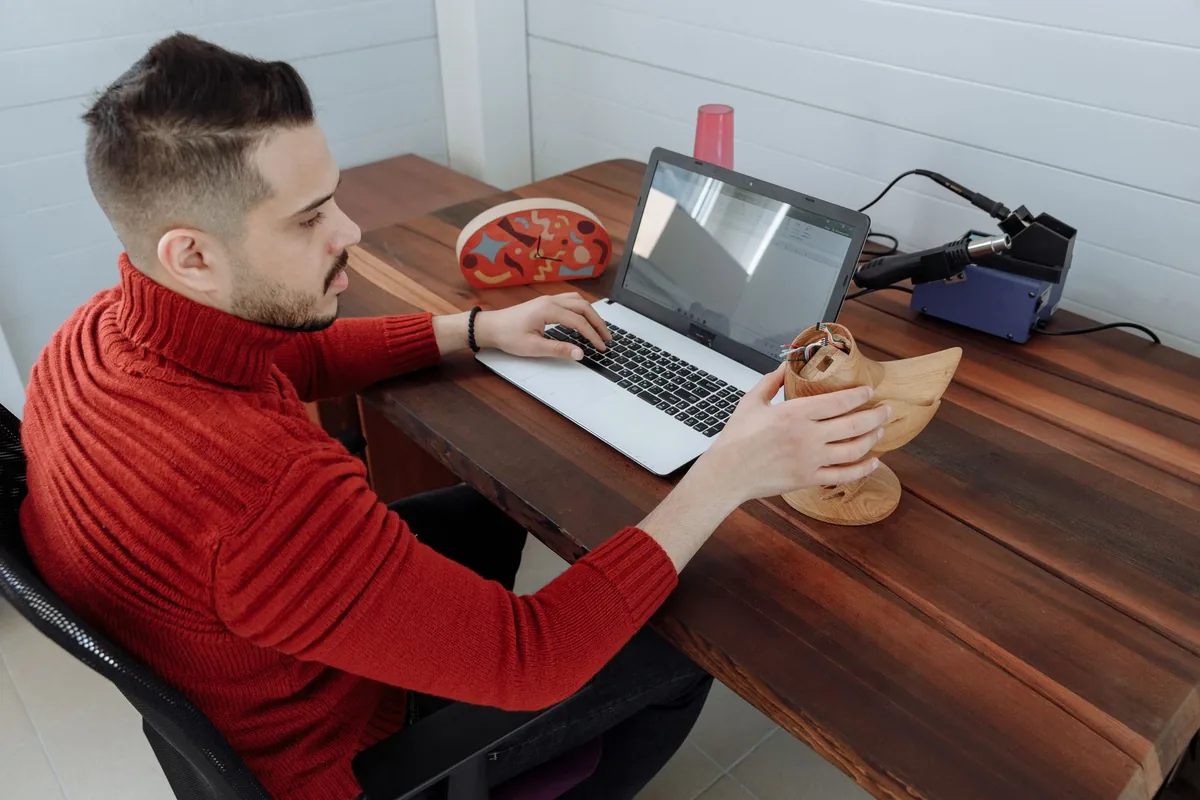
The Makerspace acts as an applied laboratory where students blend virtual testing with physical production tools like 3D printing [1]. Hotelschool The Hague established this dedicated area to merge digital platform testing, generative AI output evaluation, and online consumer analysis with tangible prototypes [1].
Dr. Balart Sanchez warns that educational institutions treating digital fluency as optional risk preparing students for an industry that has already moved forward [1]. The hands-on integration within the Makerspace prepares students for modern workplaces that depend continuously on apps, system analytics, and automation [1].
Reported by
This article was written from the following reporting. Follow the links for the original coverage.
Frequently asked
+Why is Hotelschool The Hague adding VR and AI to its curriculum?
The school introduced these technologies because entry-level hospitality workers often lack the digital proficiency needed for modern workplaces built on apps, data, and automation. The tools offer safe spaces to practise operations before dealing with live guests.
+What operational scenarios do students practise using VR?
Students use VR simulations for onboarding training, guest check-in procedures, food and beverage preparation such as cocktail training, and managing interactions with difficult guests.
+How do students use generative AI in their coursework?
Students use generative AI prompt design to build digital prototypes, such as a minimum viable product for a secure guest check-in app, while learning to spot system bias and assess data collection.
+What is the purpose of the Makerspace at Hotelschool The Hague?
The Makerspace is a dedicated facility where digital experimentation meets physical prototyping, allowing students to test generative AI outputs, analyse online guest behaviour, and build physical models using 3D printing.
+How does prompt design help future hotel managers oversee software vendors?
By constructing digital applications from prompt design through to working prototypes, students understand system architectures and data collection methods, enabling them to evaluate software providers critically and demand quality standards.
Keep reading
Our reporting

More in operations