Disconnected Hotel Tech Strains Labor Costs and Efficiency
Hotels face an invisible labor tax as workers manually bridge disconnected software systems despite rising labor costs per occupied room.
The short answer
Disconnected systems force hotel workers to bridge workflow gaps through manual calls and messages. As labor costs per occupied room rise 1.8%, operators turn to connected platforms to eliminate coordination waste.
The short version
- HotelData.com found U.S. hotel labor costs per occupied room rose 1.8% in Q1 2026 despite a 2.3% decrease in hours worked.
- Deloitte reported 45% of surveyed hotels cannot achieve an end-to-end operational view due to fragmented systems.
- FCS Solutions claims properties using integrated workflows experience up to 40% faster task response times.
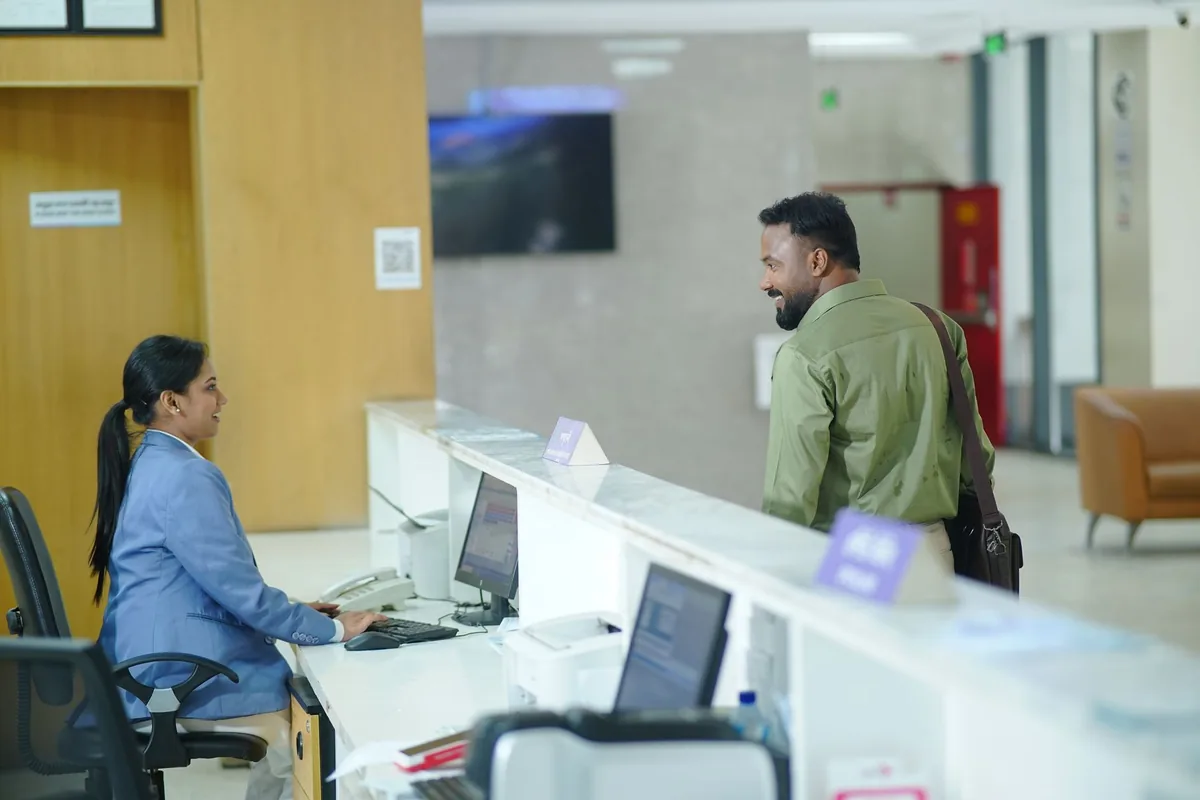
Disconnected hotel software forces employees to bridge operational gaps through phone calls, messaging, and manual data entry, creating an invisible labor tax [1]. As wage pressures rise across properties, unintegrated systems diminish productivity gains by requiring staff to spend valuable time coordinating routine tasks rather than executing them [1].
How does disconnected technology create an invisible labor tax?
Staff members spend paid hours acting as human conduits between isolated software systems rather than executing their primary duties [1]. As eHotelier reported, routine hotel interactions illustrate this hidden burden when a guest reports an in-room issue to the front desk [1]. An employee must receive the message, figure out the appropriate department, call engineering, confirm engineer availability, and follow up later while updating room records manually [1]. The physical repair requires only minutes, yet the surrounding coordination takes far longer [1].
A matching problem appears when a room attendant discovers a maintenance defect while servicing a guestroom [1]. The detail must reach engineering, undergo assignment, and get logged so the room status updates accurately across the property [1]. These breakdowns represent workflow failures rather than personal employee shortcomings [1]. Staff members end up chasing updates, placing calls, and duplicating data entry to move basic information between departments [1].
Why are hotel labor costs rising despite higher staff productivity?
Wage inflation outpaces modest operational hour reductions, making every minute lost to manual coordination expensive [1]. According to HotelData.com’s Q1 2026 Labor Costs Report cited by eHotelier, U.S. hotels cut hours per occupied room by 2.3% year over year [1]. Yet during the same period, hotel labor cost per occupied room rose by 1.8% [1].
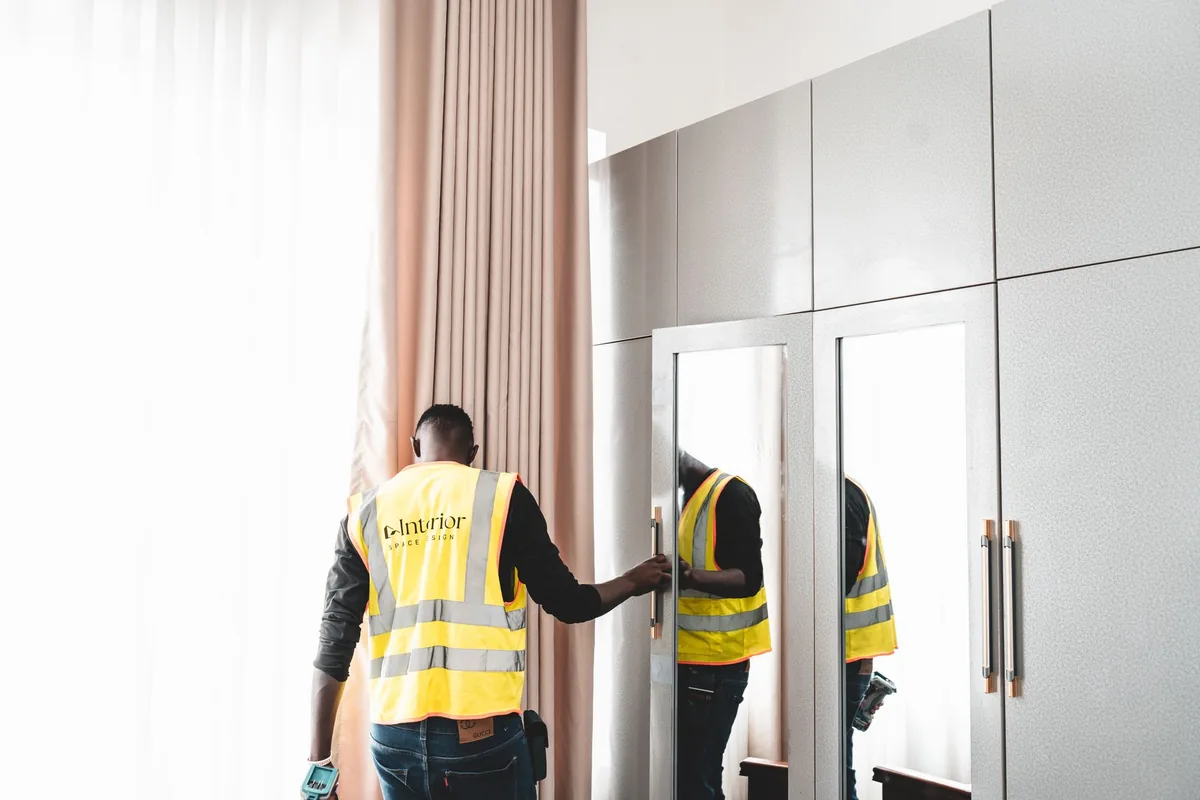
Operations achieved targeted output gains, but wage rates eroded those margins [1]. Housekeeping productivity increased as room-attendant minutes per occupied room dropped by 4.3% [1]. Because properties are already optimizing direct labor output, operators must now look at the overhead minutes consumed by internal administrative friction [1].
| Metric from HotelData.com Q1 2026 Report | Year-over-Year Change | Operational Impact |
|---|---|---|
| Hours Per Occupied Room | -2.3% | Direct workforce hours scheduled and worked decreased [1] |
| Labor Cost Per Occupied Room | +1.8% | Overall labor expenses climbed despite reduced hours [1] |
| Room-Attendant Minutes Per Occupied Room | -4.3% | Housekeeping cleaning duration per room improved [1] |
What barriers prevent hotels from integrating operational data?
Siloed legacy infrastructure and complex system stacks prevent properties from establishing unified operational tracking [1]. eHotelier cited data from Deloitte showing that 45% of surveyed hotels reported fragmented technology and data prevented them from achieving a single, end-to-end view of customers and operations [1].

Furthermore, approximately one-third of respondents in the Deloitte survey pointed to integration with their existing technology stack as a major operational concern [1]. Installing isolated applications compounds these bottlenecks by introducing extra layers of complexity [1]. Operations suffer when new software fails to communicate with systems that front-line workers already employ daily [1].
How do integrated operational platforms reduce departmental coordination?
Integrated platforms automatically route task tickets directly to available technicians and update room conditions without verbal check-ins [1]. Technology provider FCS Solutions, which operates across 40 years of industry experience and serves more than 2,800 properties across over 70 countries, uses its FCS1 system to unite housekeeping, maintenance, guest services, and incident management [1].
Automated rules route, track, and escalate guest needs directly to specific personnel [1]. When housekeeping staff log maintenance defects into the platform, tickets flow into engineering queues immediately, eliminating departmental follow-up calls [1]. Managers monitor property operations centrally without dialling individual teams for status checks [1]. The platform also connects with property management systems and third-party tools to eliminate duplicate data entry [1].
What efficiency improvements do connected workflows deliver on property?
Connected workflows decrease service turnaround intervals and eliminate repetitive communication across hotel divisions [1]. FCS Solutions reports that properties deploying its FCS1 platform achieve up to 40% faster task response times [1]. Company-reported figures also state properties see a 25% to 30% increase in housekeeping task efficiency [1].
Hotels deploying connected architecture validate these operational time savings [1]. Jennifer Rice Palmer, vice president of Guest Contact and Revenue Management at Rosen Hotels & Resorts, reported that FCS1 helps manage guest requests and maintenance tasks more precisely [1]. Phil Klinkenberg, hotel manager at Caribe Royale Orlando, noted that the platform improved efficiency and cross-departmental communication among housekeeping, engineering, and the front office [1]. Eliminating manual handoffs allows repetitive micro-tasks to translate into aggregate labor savings across a portfolio [1].
Reported by
This article was written from the following reporting. Follow the links for the original coverage.
Frequently asked
+What is the invisible labor tax in hotels?
The invisible labor tax refers to the staff time spent making phone calls, sending messages, and re-entering data to move information between disconnected technology systems rather than serving guests or performing core duties [[1]].
+Did U.S. hotel labor costs increase in 2026?
Yes. According to HotelData.com's Q1 2026 Labor Costs Report, labor cost per occupied room rose 1.8% year over year, even though overall hours per occupied room fell 2.3% [[1]].
+How much did housekeeping productivity improve in Q1 2026?
HotelData.com reported that room-attendant minutes per occupied room decreased by 4.3% year over year, demonstrating that direct task efficiency improved across housekeeping departments [[1]].
+Why do hotels struggle to get a unified view of operations?
Deloitte research shows 45% of hotels say fragmented technology and data prevent an end-to-end operational view, with roughly one-third citing integration with their existing technology stack as a major concern [[1]].
+What efficiency gains does connected workflow software claim?
FCS Solutions reports that hotels using its FCS1 operational platform achieve up to 40% faster task response times and a 25% to 30% increase in housekeeping task efficiency [[1]].
Keep reading
Our reporting


More in operations