Hotels Cut Front-Desk Queues with Mobile Tech and AI Concierges
Independent and branded properties deploy kiosks, digital directories, and messaging bots to automate routine arrival tasks and service requests.
The short answer
Hotels are implementing self-service kiosks, mobile compendiums, and conversational AI bots to handle routine check-in and concierge interactions. These systems reduce front-office telephone queues and automate back-of-house task distribution.
“As well as being able to customise the platform with our brand identity, what has been particularly valuable for us from an operations perspective, is the capability to manage the content in real time. It is convenient, live, dynamic and accurate to both build trust with guests and provide additional support for staff.”
The short version
- Grand Prince Hotel Osaka Bay reached an 85% kiosk utilization rate by deploying three bilingual Trevo terminals at arrival.
- Canopy by Hilton Istanbul Taksim eliminated printed collateral across 110 rooms using the IRIS Guest Directory on personal devices and in-room televisions.
- ONE | GT combined Innspire's AI Concierge with Alice and Oracle OPERA Cloud to convert guest messages directly into back-of-house tasks.
Hotels are streamlining front-desk workflows by deploying self-service check-in kiosks, app-free digital directories, and conversational artificial intelligence assistants that automate routine transactional duties [[1], [2], [3]]. These systems handle administrative steps like identity verification, key dispensing, food ordering, and concierge inquiries, allowing desk agents to focus on high-touch guest relations [[1], [2], [3]].
How are hotels automating the arrival process?
Properties are introducing self-service hardware and mobile pre-arrival check-in channels that remove routine transactions from the front counter [[1], [3]]. According to eHotelier, Grand Prince Hotel Osaka Bay introduced three bilingual Trevo kiosks to manage identity verification, guest registration, payment collection, and digital room key issuance [1]. The system operates alongside a live property management system sync, enabling guests to bypass arrival queues entirely [1].
As reported by eHotelier, Remington Hospitality is pursuing a mobile-first route at ONE | GT in Grand Cayman, pairing its Innspire-built branded mobile application with digital keys integrated via Salto door locks to deliver keyless guest arrivals [3]. Both rollouts transfer manual check-in steps to digital touchpoints, freeing desk agents from administrative tasks so they can greet arrivals as dedicated hosts [[1], [3]].
Can digital compendiums cut front-desk phone calls?
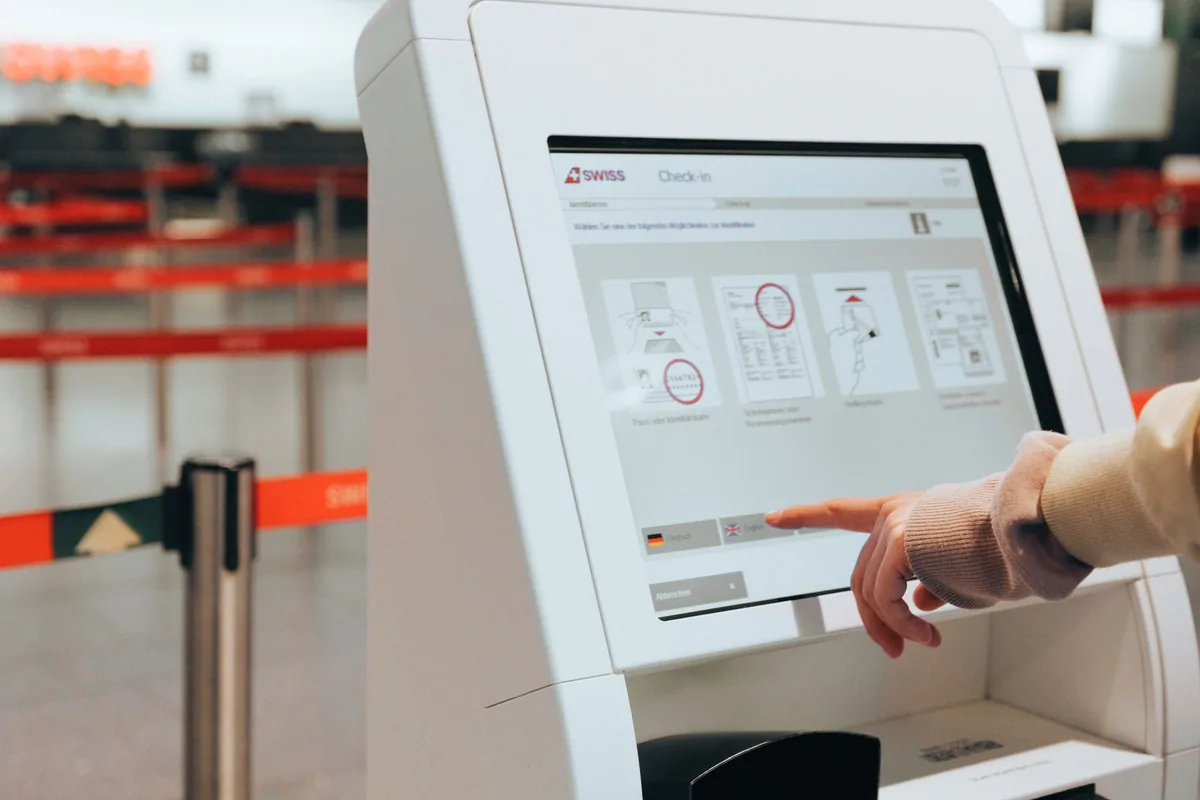
Hotels are replacing printed in-room materials with browser-based digital directories and interactive mobile hubs to resolve guest inquiries before they turn into incoming switchboard calls [[1], [2]]. In April 2026, Canopy by Hilton Istanbul Taksim implemented the Hilton-approved IRIS Guest Directory across its 110 rooms, according to eHotelier [2]. The system delivers hotel information, concierge recommendations, and dining guides straight to guest phones or in-room televisions via property-wide QR codes, eliminating the need to reprint paper directories [2].
Similarly, eHotelier noted that Grand Prince Hotel Osaka Bay implemented SABA Hospitality's web-based "Explore" digital compendium [1]. The app-free platform provides real-time access to menus, facilities information, spa booking flows, and seasonal promotional schedules directly on personal devices [1]. By making facility details accessible within a couple of taps, properties cut repetitive phone inquiries regarding hours, local attractions, and amenities [[1], [2]].
| Property | Location | Technology Partners | Core Deployed Capabilities |
|---|---|---|---|
| Grand Prince Hotel Osaka Bay | Osaka, Japan | Trevo, SABA Hospitality | Check-in kiosks, digital compendium, mobile ordering, "Prince" AI concierge [1] |
| Canopy by Hilton Istanbul Taksim | Istanbul, Turkey | IRIS | Hilton-approved digital guest directory via QR codes and in-room TVs [2] |
| ONE | GT | Grand Cayman, Cayman Islands | Innspire, Salto, Alice, Oracle | AI Concierge, AI Task Manager, branded app, OPERA Cloud PMS integration [3] |
How do AI concierges handle multilingual guest communications?
Conversational virtual assistants are taking over routine guest communications by operating around the clock across native mobile interfaces and external messaging applications [[1], [3]]. At Grand Prince Hotel Osaka Bay, an artificial intelligence chatbot named "Prince" handles guest inquiries regarding bayside transport, food and beverage options, and property facilities [1]. The bot communicates in multiple languages without putting travelers on hold, handing conversations over to human associates only when complex or sensitive situations occur [1].
At ONE | GT, Remington Hospitality introduced Innspire's conversational AI Concierge, which communicates 24 hours a day across SMS, WhatsApp, and in-app messaging channels [3]. The platform processes guest requests for dining recommendations, transportation, and extra amenities in multiple languages [3]. This continuous automated channel deflects call volumes away from the front desk while maintaining immediate response times [[1], [3]].
How do mobile orders and automated tasks route through operations?
Front-office teams are shedding manual dispatch responsibilities as guest-facing software connects directly into back-of-house workflow tools and point-of-sale systems [[1], [3]]. At Grand Prince Hotel Osaka Bay, the SABA Mobile Ordering system directs food and beverage requests straight to kitchen staff with correct ticket routing, updating the guest on order status in real time without front-desk intervention [1].
eHotelier reported that ONE | GT connected Innspire's AI Task Manager directly with Alice for guest request fulfillment, Oracle OPERA Cloud PMS for property records, Oracle Simphony POS for retail and dining charges, and OpenTable for restaurant reservations [3]. The AI Task Manager converts incoming guest requests into operational tickets, dispatches them instantly to the designated department, tracks progress, and escalates unfinished tasks automatically to management [3].
What operational returns do automated front desks deliver?
Properties rolling out these platforms report measurable gains in front-of-house adoption, labor reallocation, and incremental revenue capture [[1], [2]]. Grand Prince Hotel Osaka Bay achieved an 85% utilization rate across its three lobby check-in kiosks, demonstrating high guest willingness to embrace automated entry workflows [1]. The hotel also captured incremental revenue via check-in upselling modules on the kiosks and automatic cross-selling prompts embedded in mobile dining menus [1].
Operationally, front offices lower printing overheads, eliminate manual dispatch duties, and clear queues during peak registration windows [[1], [2], [3]]. When routine identity capture, menu distribution, and FAQ handling move to software, hotel employees gain the time required to build direct guest relationships [[1], [2]].
Reported by
This article was written from the following reporting. Follow the links for the original coverage.
- [1]Grand Prince Osaka Bay Deploys Trevo and SABA Tech Stack— eHotelier
- [2]Canopy Istanbul Taksim Deploys IRIS Digital Directory— eHotelier
- [3]Remington Adopts Innspire AI Platform at Caribbean Resort— eHotelier
Frequently asked
+What guest transactions can self-service kiosks handle?
Self-service kiosks handle complete guest check-in and check-out workflows. Systems like Trevo verify guest identity, process payments, sync live guest folios with the property management system, and dispense digital or physical keys, bypassing the front desk entirely [[1]].
+How do digital guest directories decrease call volumes to reception?
Digital directories provide instant access to menus, amenities, spa bookings, and local recommendations via guest mobile devices and in-room televisions. Because guests find operating hours and guides through QR codes, routine information queries no longer tie up front-desk telephone lines [[1], [2]].
+Which messaging channels do modern hotel AI concierges support?
Modern AI concierges operate across multiple channels including branded hotel mobile apps, SMS, and WhatsApp. Platforms like Innspire's AI Concierge interact 24 hours a day in multiple languages to answer questions and take amenity requests [[3]].
+How does an AI task manager route housekeeping and service requests?
An AI task manager converts incoming guest messages into operational service tickets. It routes tasks directly to relevant departments in real time through systems like Alice, tracking completion milestones and escalating unresolved tickets without front-desk intervention [[3]].
+What check-in kiosk adoption rates can urban hotels achieve?
Adoption rates can reach significant levels when kiosks are positioned centrally. Grand Prince Hotel Osaka Bay documented an 85% utilization rate across its three bilingual arrival kiosks, shifting the vast majority of routine arrivals away from front-desk staff [[1]].
Keep reading
Our reporting

More in operations