Hotels Restrict AI to Back-Office and Pre-Arrival Roles
Hoteliers deploy agentic systems and conversational booking tools while keeping physical property encounters staffed by people.
The short answer
Hoteliers are installing agentic tools and conversational discovery engines while deliberately keeping on-property touchpoints staffed by humans. Research shows 89 percent of travelers reject fully automated hotel stays, driving brands to automate administrative workflows instead.
“The hotels that win this next decade won’t be the ones that automate the most. They’ll be the ones whose systems are unified enough that AI can actually deliver a new way of operating, and where staff can get back to providing a genuine human experience.”
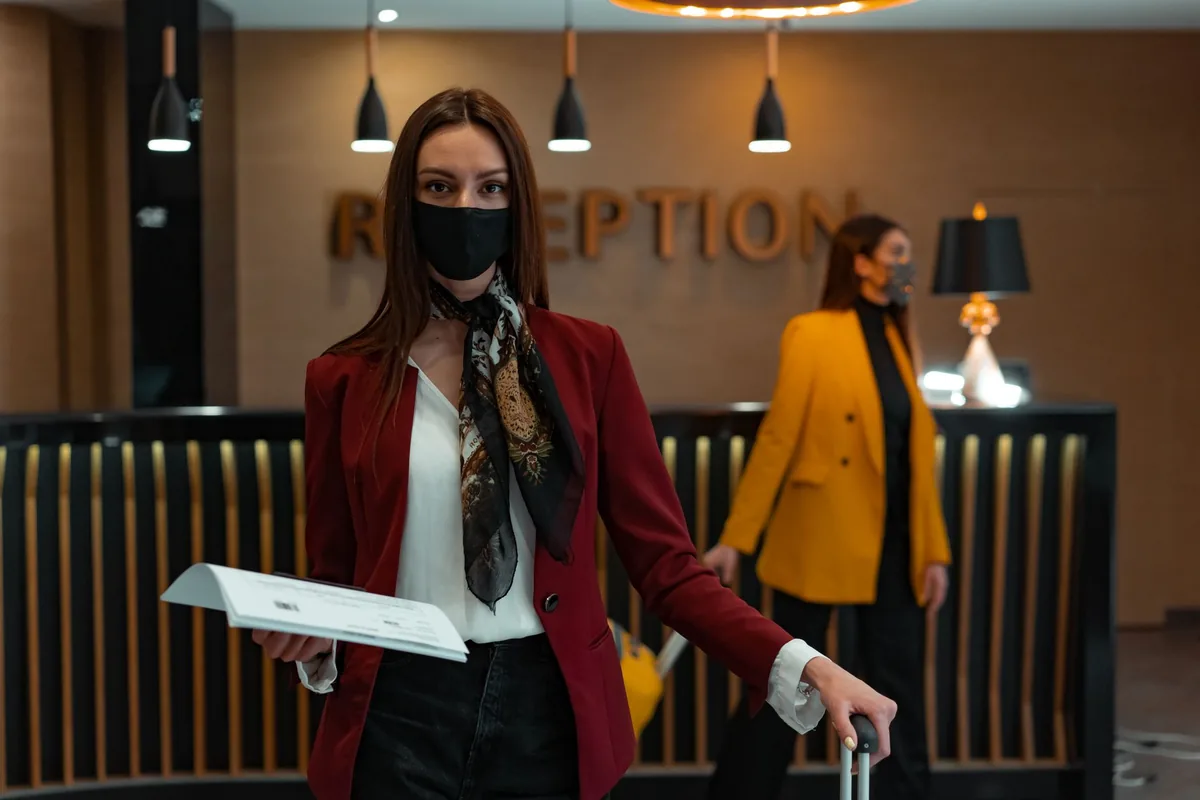
The short version
- Mews data shows 89% of hotel guests reject fully automated stays, preferring human staff for key property interactions.
- Guesty launched autonomous AI agents trained across 500,000 listings to execute routine tasks without human approval queues.
- Radisson Hotel Group launched an application within ChatGPT spanning more than 1,000 properties to capture intent-driven bookings.
Hotel operators who replace on-property service staff with artificial intelligence are misreading what travelers actually want from a stay. While commercial directors and software vendors push autonomy into bookings and internal operations, consumers draw a distinct line at the front door. The division between guest-facing discovery tools and human-led hospitality on-site is becoming the defining operational boundary for current tech deployments.
Guests reject automated stays while embracing conversational search
Lodging Magazine reported survey findings from property management software provider Mews showing that 89 percent of hotel guests reject fully AI-led hotel stays [1]. Instead, these travelers demand either a hybrid model blending digital tools with on-property staff, or technology that operates quietly behind the scenes on repetitive administration [1]. Almost no consumers want a machine running their entire visit [1].
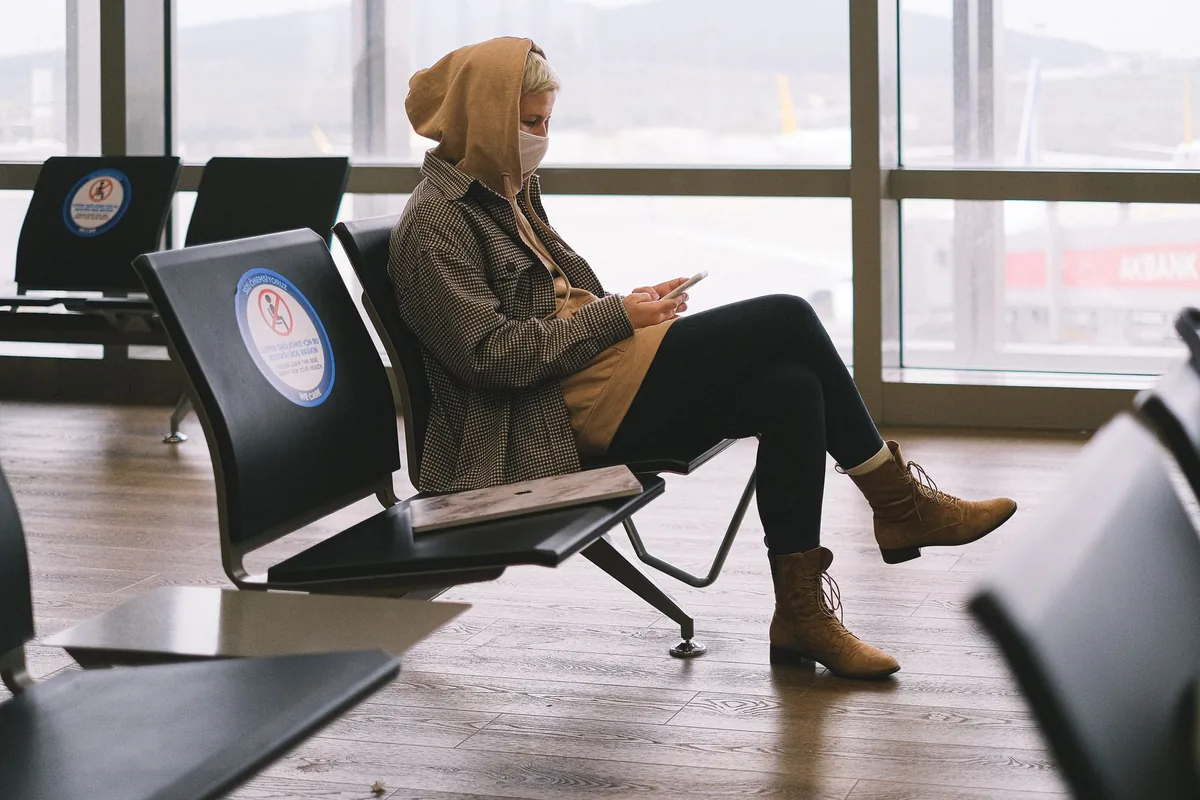
Resistance intensifies when automated systems enter hospitality environments that require interpersonal warmth. According to the Mews data, 72 percent of guests prefer a human for bar and restaurant service, 66 percent want a person for front desk arrivals, and 58 percent demand people for check-in and room key handling [1]. Even for arranging taxis, an easily digitized transaction, 44 percent favor human assistance against 28 percent backing software [1]. Furthermore, 67 percent of travelers worry about hotel workers losing employment to software, and 51 percent dispute the idea that they would tolerate job cuts simply to accommodate automated tools [1].
Yet consumer openness shifts completely outside the physical hotel. Asian Hospitality reported that Radisson Hotel Group partnered with Accenture to launch a ChatGPT app, branded as @RadissonHotels, covering more than 1,000 properties across over 100 countries [4]. The app surfaces live inventory, rates, property details, and map listings directly inside conversational queries [4]. Radisson cited Accenture Consumer Pulse Research indicating that 87 percent of travelers are open to using an AI-powered travel agent, with 71 percent expecting such tools to guide at least half of their lodging or airline spending over the next 12 months [4].
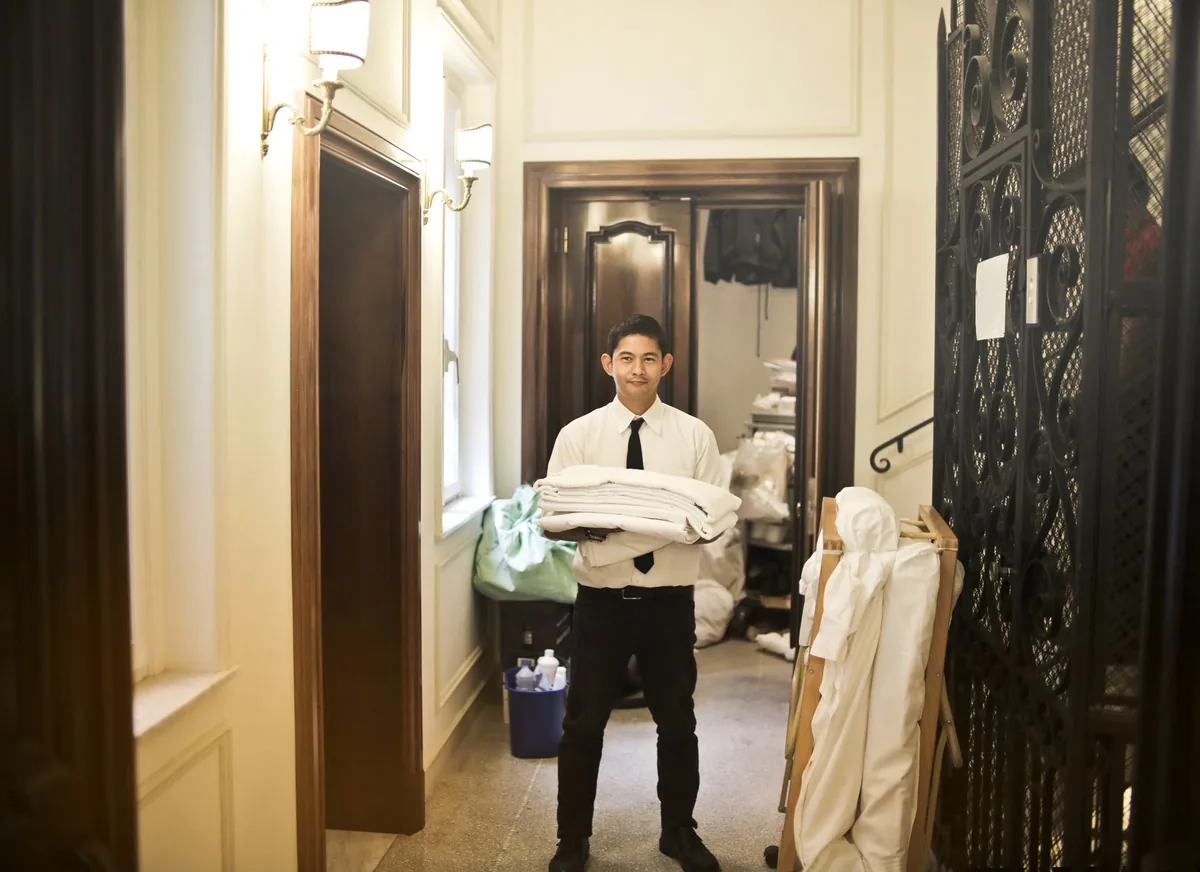
Property teams turn to autonomous agents to eliminate manual backlogs
Behind the scenes, operators face intense administrative strain. Lodging Magazine cited a 2025 survey from the American Hotel & Lodging Association and Hireology showing that 65 percent of hotels suffered labor shortages, with 71 percent reporting unfilled positions [2]. In properties running lean, the initial wave of digital tools exacerbated bottlenecks by generating drafts that required manual staff sign-off [3].
As ShortTermRentalZ reported, property management systems platform Guesty launched a suite of autonomous AI agents designed to execute routine actions rather than merely drafting replies [3]. Rather than leaving alerts queued on an employee's screen, an agent such as ReplyAI checks calendar availability, verifies late checkouts, interprets specific property policies, and confirms early check-in requests directly with guests [3]. Guesty reported training these autonomous agents on 13 years of historical data covering 500,000 listings across more than 100 countries [3].
Additional tools such as Guesty's PriceOptimizer adjust rates automatically against real-time demand, while its Message-to-task Dispatcher converts incoming guest messages directly into prioritized work orders [3]. The operational intent mirrors the 59 percent of survey respondents in the Mews data who said routine tasks should be handed to machines so employees can concentrate on establishing personal trust with travelers [1].
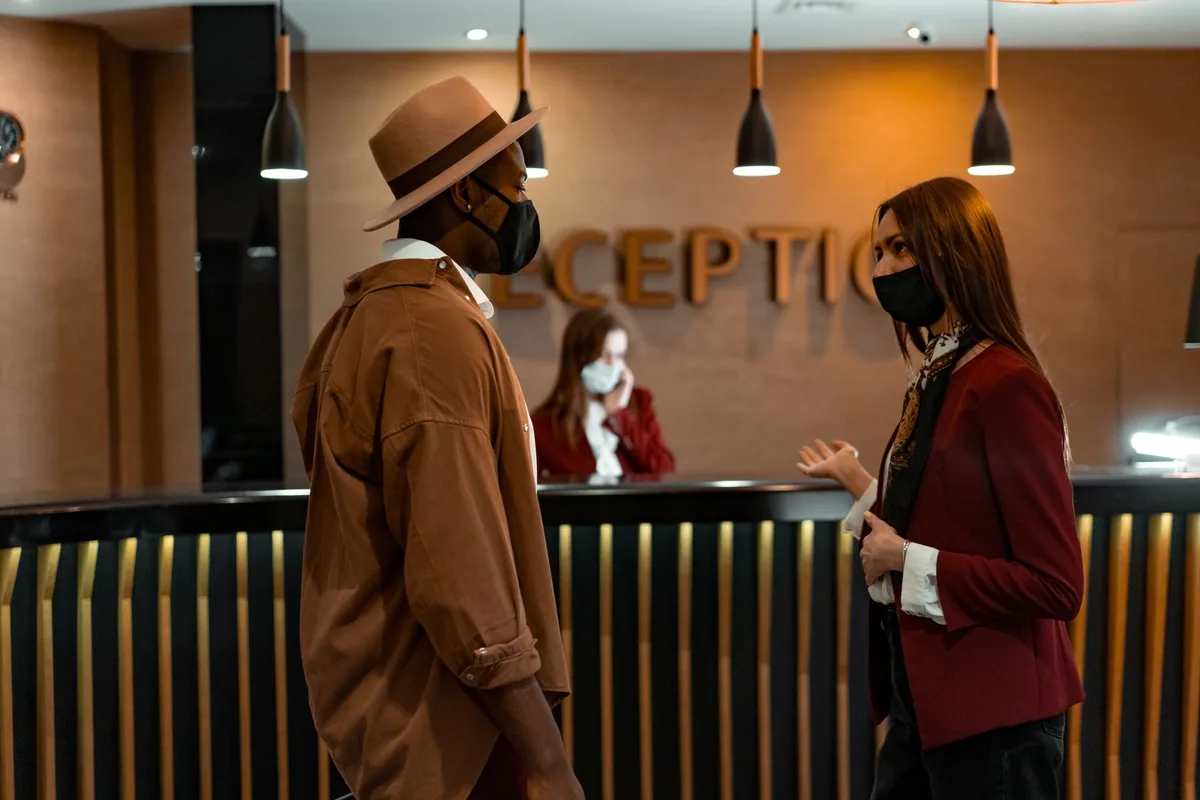
Operational boundaries dictate which decisions stay human
Handing over complete authority to automation carries operational hazards. As Lodging Magazine noted, technology leadership requires distinguishing between tasks that should be automated, operational decisions that need computational augmentation, and guest moments that must remain deliberately personal [2]. Accountability cannot be passed to an algorithm [2].
Guesty noted that edge cases must automatically escalate to human managers, including distressed guests, anxious property owners, and novel property incidents that fall outside programmed business rules [3]. Attempting to automate these sensitive interactions risks causing commercial damage that outweighs any internal efficiency gained [3]. As Mews founder Richard Valtr explained, the competitive advantage lies not in maximizing automation, but in establishing unified systems that free staff to deliver authentic service [1].
What would break this operating model
This division of labor will hold only as long as labor shortages do not worsen and guests continue to penalize dehumanized service. If the proportion of properties facing labor deficits climbs substantially beyond the 65 percent recorded by AHLA and Hireology, full automation at physical touchpoints will become an economic necessity rather than an operational misstep [2]. Conversely, if Radisson's ChatGPT app or Guesty's autonomous rule engines produce repeated booking discrepancies and guest escalations, hotel companies will pull autonomy back, returning to human approval checkpoints at every stage [[3, 4]].
Reported by
This article was written from the following reporting. Follow the links for the original coverage.
- [1]Mews Finds 89% of Guests Reject Fully AI-Led Hotel Stays— Lodging Magazine
- [2]How Hotel Leaders Can Drive Practical AI Tech Adoption— Lodging Magazine
- [3]Guesty Launches Agentic AI Suite to Automate Operations— shorttermrentalz.com
- [4]Radisson Launches ChatGPT App for Hotel Discovery— asianhospitality.com
Compare the systems named here
Frequently asked
+What proportion of hotel guests reject entirely automated stays?
Data from Mews reveals that 89 percent of hotel guests reject fully AI-led stays. Instead, travelers prefer either a hybrid experience combining technology with human staff or systems working quietly in the background on repetitive work.
+Which hotel tasks do guests least want automated?
According to Mews survey findings, guests strongly prefer human staff for bar and restaurant service (72 percent), front desk welcoming (66 percent), and check-in and key delivery (58 percent). Even for arranging taxis, 44 percent prefer human support over 28 percent for software.
+What is the primary difference between draft-and-approve AI and agentic AI?
Draft-and-approve tools generate text or recommendations that sit idle until an employee manually approves them. Agentic AI, such as Guesty's autopilot tools, autonomously checks availability, consults internal rules, and completes tasks such as early check-ins without staff intervention.
+How is Radisson Hotel Group using conversational artificial intelligence?
Radisson collaborated with Accenture to launch the @RadissonHotels app inside ChatGPT. The application allows travelers to discover, compare, and view live inventory and rates across more than 1,000 properties worldwide before completing reservations on the hotel brand's website.
+How severe are current hotel staffing shortages?
A 2025 survey by the American Hotel & Lodging Association and Hireology revealed that 65 percent of hotels reported staffing shortages, with 71 percent confirming they had open, unfilled job openings across their operations.
Keep reading
Our reporting

More in technology