Hotel Security Standards Expand With UKH Principles and AI Video
Operators combine a new five-point UKHospitality framework with automated AI video analytics to protect staff and guests.
The short answer
Hotels are pairing UKHospitality's new five-point safety principles with automated AI video analytics. The combined approach tackles workplace violence and strengthens property-wide security standards.
“Millions of people stay in accommodation every year, right across the UK. Whether it’s visiting friends and family, taking a holiday or travelling for work, they all expect a safe, secure and welcoming environment, where their privacy and safety are the number one priorities.”
The short version
- UKHospitality launched a five-point safety framework developed with major brands including Hilton, Accor, and IHG.
- 75 percent of service workers have experienced workplace violence in recent years.
- AI video analytics software now automates real-time detection of physical aggression, slips, and restricted-access breaches.
Hotels are strengthening guest and frontline staff security through two distinct industry developments: formalised operational frameworks and automated detection technology. While UKHospitality has issued a five-point standard covering proportionate verification and employee training, operators are concurrently installing AI video analytics to spot physical aggression, slip hazards, and access breaches in real time.
What are the new UKHospitality guest safety principles?
UKHospitality launched a five-point guidance framework designed to help accommodation operators review and strengthen their current security arrangements [1]. Developed by a dedicated working group featuring brands such as Accor, Hilton, IHG Hotels and Resorts, Travelodge, and Whitbread, the guidance sets baseline expectations for properties ranging from rural holiday parks to urban hotels [1].
As reported by Hotel Owner, the five core principles establish that guest safety comes first, privacy forms an essential part of security, guest verification must remain proportionate but effective, well-trained employees provide the strongest safeguard, and security arrangements require continuous improvement [1]. Each area includes practical operational scenarios to help operators audit their existing procedures [1].
Why is frontline staff protection accelerating across hotels?
Frontline staff face sustained physical risks during daily operations, prompting operators to upgrade physical safeguards [2]. According to Lodging Magazine, 75 percent of service workers have experienced workplace violence in recent years [2].
With properties handling hundreds of guest arrivals and departures every day, isolated security incidents can harm employee well-being and damage a property's market reputation [2]. In response, management teams are combining clear operational protocols with automated surveillance to monitor high-risk zones, including front desks, stairwells, and parking structures [2].
How does AI video analytics technology safeguard hotel teams?
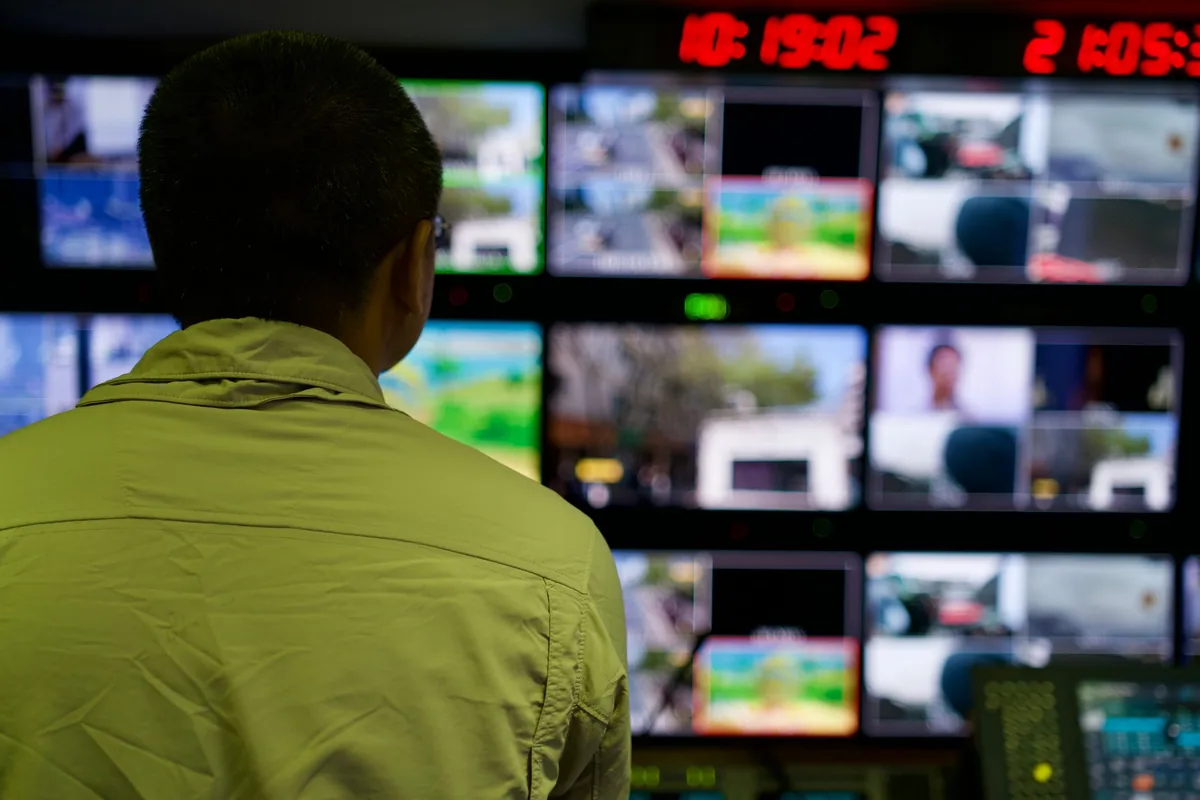
AI video analytics systems use computer vision and machine learning to scan camera footage for anomalous events and notify security personnel in real time [2]. The software monitors for physical aggression by identifying threatening body language, gestures, or active altercations between individuals [2].
Integrated systems also connect optical feeds with sound sensors, flagging clips when voices are raised and transmitting immediate alerts to managers via SMS [2]. When staffing levels fall during night shifts, these systems can trigger automated security responses, such as dispatching alerts to local law enforcement or locking access doors [2].
How do operational guidance and monitoring technology compare?
Hotels are approaching safety through two distinct avenues: structured operational policy frameworks created by industry trade groups, and automated detection hardware deployed on site [[1], [2]].
| Security Area | UKHospitality Five-Point Principles [1] | AI Video Analytics Applications [2] |
|---|---|---|
| Operational Focus | Procedural standards, privacy, staff training | Real-time threat detection and hazard tracking |
| Threat Mitigation | Proportionate identity verification and access control | Aggression detection and automated law enforcement alerts |
| Hazard Management | Continuous review of internal security arrangements | Slip, trip, fall detection and PPE compliance checks |
| Staff Role | Trained employees serve as the primary safeguard | Assisted by remote monitoring and automated alarms |
| Target Locations | City-centre hotels, holiday parks, rural accommodation | Front desks, stairwells, bars, parking lots, storerooms |

How does automated detection assist compliance and facility safety?
AI video security systems identify occupational risks and site rule violations before accidents occur [2]. The technology flags physical hazards such as wet floors, spilled liquids, trailing cables, and unattended bags that create trip risks during peak operational hours [2].
The software also monitors access control by detecting individuals attempting to enter maintenance rooms, storerooms, or age-restricted zones like hotel bars [2]. Cameras can identify safety breaches including missing personal protective equipment in restricted areas, emergency exit doors left ajar, indoor smoking, and improper storage of cleaning chemicals [2].
How can general managers use incident data for continuous improvement?
Both operational guidance and AI analytics emphasise continuous review as a core security requirement [[1], [2]]. Machine learning platforms compile incident logs that highlight operational patterns, such as disturbances occurring at specific times or doors left unlatched on particular shifts [2].
As UKHospitality Chief Executive Allen Simpson noted regarding the trade group's framework, the goal is to provide accommodation providers with a foundation to continually strengthen security standards across their estates [1]. General managers can pair analytics data with the UKH framework to adjust rotas, alter access permissions, and update employee training routines [[1], [2]].
Reported by
This article was written from the following reporting. Follow the links for the original coverage.
- [1]UKHospitality Launches New Five-Point Guest Safety Principles— hotelowner.co.uk
- [2]Hotels Deploy AI Video to Protect Frontline Staff— Lodging Magazine
Frequently asked
+What are the five UKHospitality guest safety principles?
The five principles state that guest safety comes first, privacy is essential to security, verification should be proportionate but effective, well-trained employees provide the strongest safeguard, and security arrangements must continually improve.
+Which hotel companies helped create the UKH guidance?
The working group included Accor, Centre Parcs, Clermont Hotels, Fuller’s, Haven, Hilton, IHG Hotels and Resorts, Starboard Hotels, Travelodge, Warner Hotels, and Whitbread.
+How common is workplace violence in the hospitality sector?
According to figures cited by Lodging Magazine, 75 percent of service workers have been affected by workplace violence in recent years.
+How does AI video software detect aggression at front desks?
The software uses machine learning and computer vision to identify threatening body language and physical altercations, triggering real-time alerts or SMS notifications to managers.
+What occupational hazards can AI video cameras identify in hotels?
AI cameras can detect slip and trip hazards like spilled liquids, trailing cables, unattended objects, open emergency exits, indoor smoking, and missing protective equipment.
Keep reading
Our reporting

More in operations