GBTA: Business Travel Costs Stay High in 2026
High energy prices and persistent wage pressures will keep business travel rates elevated through year-end before easing in 2027.
The short answer
Global business travel prices will remain high through 2026 due to oil shocks and multi-year wage increases before moderating in 2027. Hotel rates will climb 3.7% to $168 while average airfares reach $756.

The short version
- GBTA and ALTOUR report average global hotel rates will climb 3.7% to $168 per night in 2026.
- Airfares are rising 4.7% to average $756 globally, pressured by aircraft constraints and fuel markets.
- 2027 will bring gradual moderation, but expenses will remain permanently above pre-shock levels.
Sustained high corporate travel pricing will shape transient demand throughout 2026 as businesses absorb higher room rates alongside rising airline ticket costs [[1], [2]]. A report from the Global Business Travel Association and ALTOUR projects that global hotel rates will climb 3.7% to $168 per night while airfares reach $756 [2]. Relief is scheduled to arrive gradually in 2027 [[1], [2]].
What is driving elevated corporate travel expenses through 2026?
Energy disruptions and compounding payroll expenses represent the primary drivers keeping corporate business travel prices elevated throughout the remainder of 2026 [[1], [2]]. According to Hospitality Upgrade, the 2026 closure of the Strait of Hormuz triggered the largest oil supply disruption on record [1]. This supply shock forced a sharp spike in crude oil and jet fuel prices, which immediately inflated airline operating expenses across international routes [1].
While peak fuel costs have receded, operational pressures remain persistent across the wider travel economy [[1], [2]]. Multi-year labor agreements, ongoing wage inflation, and stubborn workforce shortages have increased base costs for hotels, airlines, ground transport operators, and meeting venues [[1], [2]]. Hotel Online noted that these factors are turning into permanent operating realities rather than temporary headwinds [2].
How much are hotel rates and airfares climbing this year?
Corporate travel prices are recording increases across both accommodation and aviation categories [2]. As Hotel Online reported, the global average hotel rate is climbing 3.7% year-on-year to reach $168 per night in 2026 [2]. Regional performances vary, with Latin America experiencing the steepest hotel pricing jumps [2].
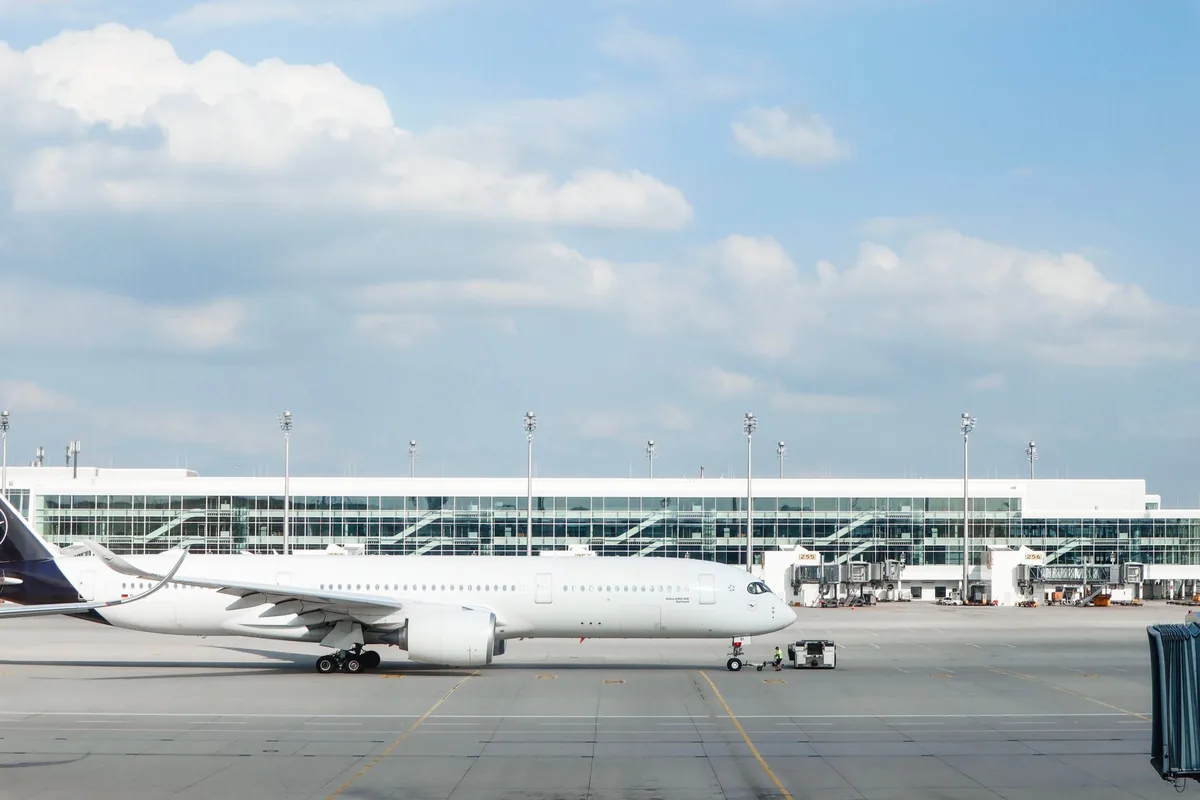
Air travel faces even more intense price volatility due to fuel exposure, limited aircraft inventory, higher crew costs, and tight premium-cabin capacity [1]. Global airfares average $756 in 2026, marking an increase of 4.7% over the previous year, according to figures published by Hotel Online [2].

| Travel Expense Category | 2026 Global Average Metric | Year-on-Year Growth Rate | Primary Cost Drivers Identified |
|---|---|---|---|
| Hotel Accommodations | $168 per night | 3.7% | Labor contracts, wage growth, workforce shortages |
| Commercial Airfares | $756 per ticket | 4.7% | Jet fuel shock, aircraft shortages, premium seat demand |
How are corporate travel buyers reacting to elevated pricing?
Organizations are maintaining their overall travel commitments while implementing tighter operational controls [[1], [2]]. According to GBTA Chief Executive Officer Suzanne Neufang, businesses continue to fund direct client relationships and face-to-face engagements despite surging expense profiles [[1], [2]].
Rather than canceling programs entirely, corporate accounts are tightening compliance to manage expenditure [[1], [2]]. Michael Boult, senior vice president and chief commercial officer of ALTOUR, stated that corporate travel managers must turn market volatility into a predictable discipline by enforcing internal travel policies, securing stronger supplier terms, and tracking real-time booking data [[1], [2]].
When will business travel prices moderate for hotel guests?
Pricing pressure will begin to subside gradually in 2027, according to findings in the 2027 Global Business Travel Forecast [[1], [2]]. However, travel budgets will not retreat to historical baseline levels [[1], [2]]. Because operational wage increases and structural aircraft capacity shortages have become fixed components of supplier overhead, transient rates are projected to settle at an elevated equilibrium across 2027 [[1], [2]].
Reported by
This article was written from the following reporting. Follow the links for the original coverage.
- [1]Business Travel Costs Stay High Through 2026, GBTA Reports— hospitalityupgrade.com
- [2]Business Travel Prices Peak Through 2026 Before Easing— hotel-online.com
Frequently asked
+What is the average global hotel rate in 2026?
According to the GBTA and ALTOUR forecast, the global hotel rate will average $168 per night in 2026, representing a 3.7% year-on-year increase.
+Why did business travel costs spike during 2026?
The primary causes were an unprecedented oil disruption following the closure of the Strait of Hormuz, alongside persistent wage inflation and labor shortages across suppliers.
+Which region saw the highest hotel rate increases in 2026?
Latin America recorded the steepest hotel rate increases among global regions during 2026, according to report findings published by Hotel Online.
+Will corporate travel pricing return to pre-2026 levels?
Travel costs are not expected to return to previous levels because fuel-related inflation and multi-year labor agreements have become permanent operating features.
+How much did global airfares increase in 2026?
Global airfares rose 4.7% year-on-year to an average of $756 per ticket in 2026, driven by fuel costs, aircraft shortages, and premium-cabin constraints.
Keep reading
Our reporting

More in finance