Farrer & Co Details Hotel Placemaking Planning Strategies
Hotel developers win planning approvals by anchoring mixed-use regeneration schemes and proving long-term community value beyond room revenue.
The short answer
Hotel planning applications in the UK succeed when developers treat properties as placemaking anchors rather than pure room generators, according to Farrer & Co. Creating all-day public spaces and flexible permissions drives planning consent and commercial resilience.
The short version
- Farrer & Co emphasizes that hotel planning success relies on community integration rather than room capacity alone.
- Boutique Hotel News reports that all-day public food, beverage, and wellness operations drive planning approval.
- Flexible planning permissions are necessary to allow future property repositioning and brand transitions.
Hotels secure local planning approvals by functioning as active placemaking destinations rather than inward-looking commercial room providers, according to analysis from Amy Penrose of law firm Farrer & Co reported by Boutique Hotel News [1]. By establishing all-day footfall, publicly accessible amenities, and mixed-use neighbourhood integration, schemes satisfy planning authority demands while establishing diversified non-room revenues [1].
Why must hotel planning applications move past basic viability?
Planning applications that rely solely on market demand and financial viability miss a critical opportunity to secure local authority backing [1]. Boutique Hotel News reported that placemaking is firmly embedded across the UK planning framework, meaning planning authorities evaluate how a building functions, who uses it, and how it contributes to social and economic activity [1].
A planning application must show how the asset will improve and connect with surrounding streets [1]. Amy Penrose of Farrer & Co explained via Boutique Hotel News that developers must outline how their buildings engage neighbours, activate public spaces, and open amenities to residents who are not staying overnight [1].
How do hotels generate street activity compared to other commercial assets?
Unlike standard commercial properties, a hotel maintains continuous operational activity throughout the day and into the evening [1]. While office or retail assets close outside conventional working hours, hotel guests, diner traffic, event attendees, and wellness visitors create sustained footfall [1].
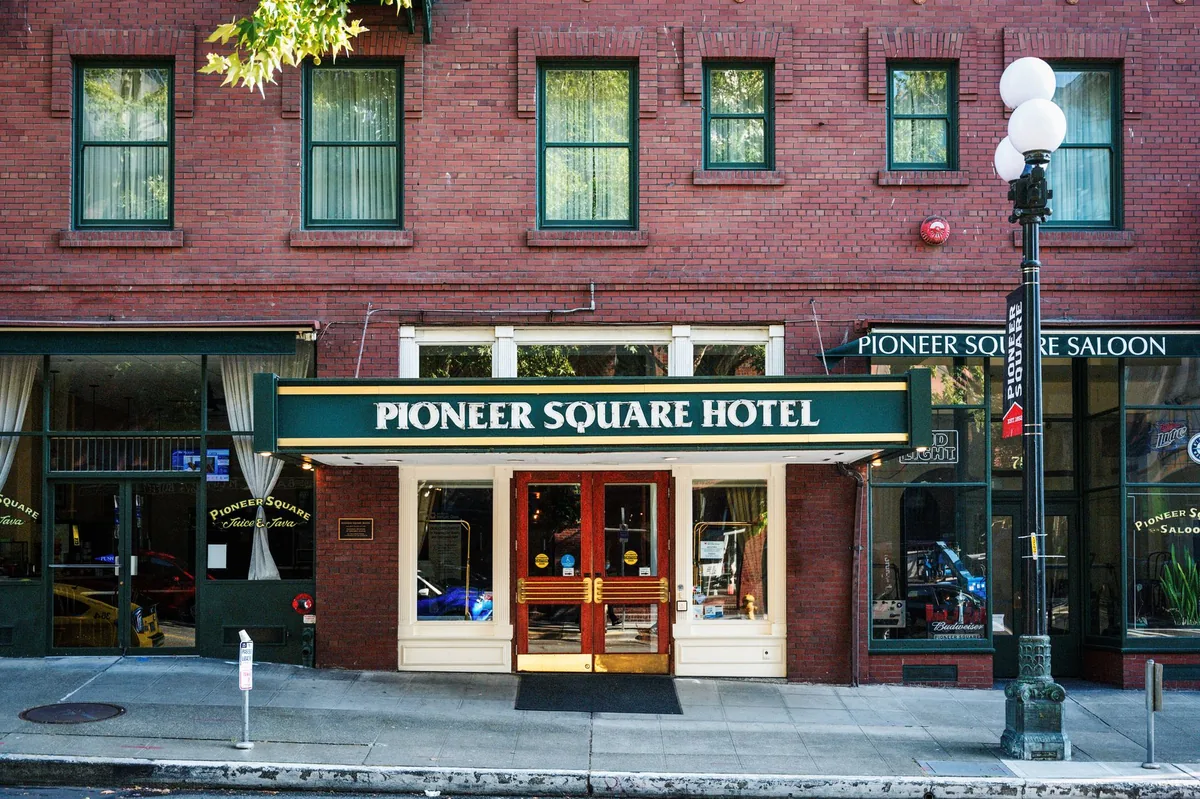
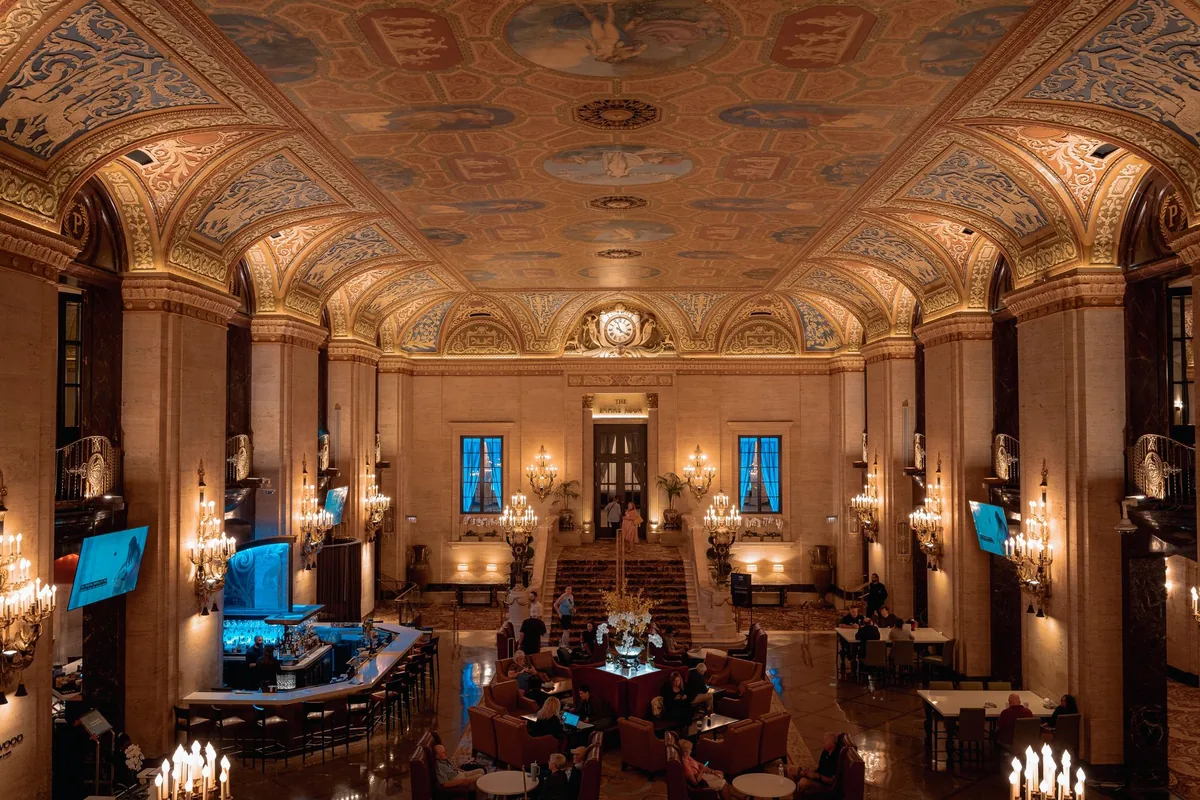
As Boutique Hotel News outlined, facilities such as public bars, restaurants, coworking lounges, and cultural programmes prevent properties from becoming isolated blocks [1]. In urban regeneration zones, this continuous activation delivers the critical mass required to support adjacent businesses and build a recognisable neighbourhood profile [1].
| Development Location | Core Planning Focus Areas | Placemaking Delivery Mechanisms |
|---|---|---|
| Regeneration Districts | Sustained footfall, neighbourhood identity, local job generation | Publicly open restaurants, all-day lounges, street activation [1] |
| Conservation & Listed Sites | Heritage preservation, demonstrable public benefit | Adaptive reuse, accessible civic spaces, heritage interpretation [1] |
| Rural & Resort Destinations | Biodiversity, landscape protection, green transport | Sustainable tourism models, local supply chain integration [1] |
What specific technical requirements apply to sensitive and rural sites?
Sensitive developments face elevated scrutiny regarding heritage assets and environmental performance [1]. Boutique Hotel News reported that proposals involving listed buildings or conservation zones must explicitly prove the protection of architectural significance while establishing clear public benefits [1].
In rural or resort proposals, the planning narrative must directly address landscape protection, biodiversity, sustainable tourism patterns, local employment, and transport access [1]. Amy Penrose noted in Boutique Hotel News that energy performance, climate resilience, and embodied carbon now form integral criteria during formal local authority assessments [1].
How does destination planning protect long-term commercial yields?
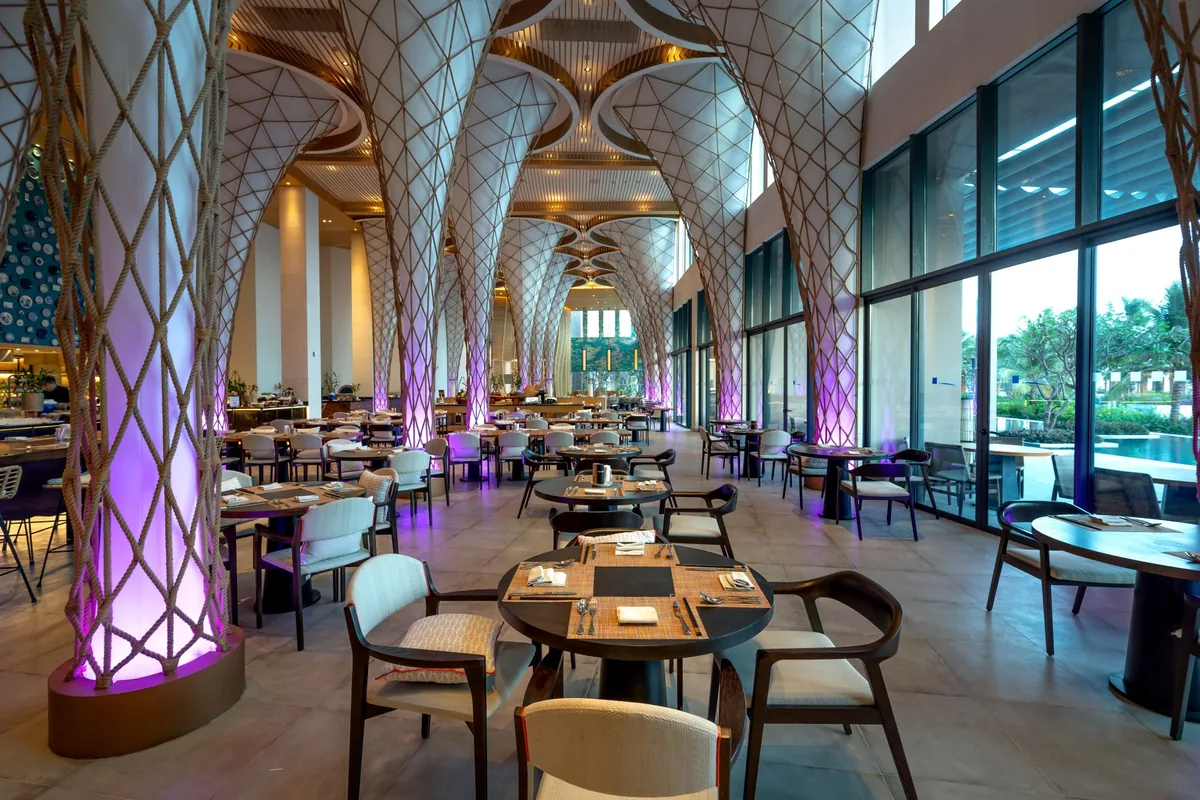
The operational elements required to satisfy planning officers directly improve bottom-line commercial resilience [1]. Properties that integrate local food and beverage, wellness facilities, coworking desks, and event venues capture multiple revenue streams from non-residents, insulating the asset from dips in overnight tourism or business travel [1].
Boutique Hotel News reported that this local customer base and diversified income mix strengthens asset refinancing, purchaser demand, and long-term investment standing [1]. Because of this correlation, placemaking cannot operate as an afterthought or branding exercise; it must shape legal structures, physical design, and operational programming from initial project conception [1].
Why is operational flexibility essential in planning permissions?
An overly rigid planning permission restricts an operator from adjusting layouts and service models as hospitality habits change [1]. Boutique Hotel News stressed that planning agreements must allow for future adaptation without diluting the core scheme vision [1].
Developers must draft careful development descriptions, permitted use definitions, planning conditions, and legal obligations [1]. Critical areas requiring operational flexibility and early coordination include:
- Publicly accessible dining, café, and bar spaces [1]
- Gym, leisure, and wellness areas [1]
- Coworking areas and flexible event facilities [1]
- Servicing routes, outdoor zones, access points, and shared infrastructure [1]
- Signage allocations that support future brand repositioning or operator transitions [1]
Reported by
This article was written from the following reporting. Follow the links for the original coverage.
- [1]Hotels Drive Planning Success via Placemaking Strategies— Boutique Hotel News
Frequently asked
+Why is placemaking critical for hotel planning approval?
Placemaking is embedded across planning rules. Authorities assess how a development functions, who uses it, and how it contributes to social and economic life. Demonstrating all-day public access and neighbourhood integration creates a stronger planning case than financial projections alone [[1]].
+How does hotel footfall differ from traditional commercial uses?
Hotels generate footfall throughout the entire day and night, whereas office and retail spaces empty outside standard business hours. Overnight visitors, restaurant patrons, coworking users, and event guests activate surrounding streets over extended hours [[1]].
+What planning criteria apply to heritage or listed hotel schemes?
Proposals involving listed buildings or conservation districts must establish the protection of heritage significance alongside clear public benefits. Authorities also evaluate embodied carbon, energy efficiency, and neighbourhood accessibility [[1]].
+How do placemaking amenities improve hotel revenue?
Facilities such as public restaurants, bars, coworking desks, and wellness studios generate non-room revenue from local residents. This multi-stream approach reduces exposure to fluctuations in corporate travel or seasonal tourism [[1]].
+Why should developers avoid restrictive planning conditions?
Overly narrow permitted uses or rigid planning conditions prevent hotels from adapting to market changes. Flexible permissions let operators adjust event areas, dining spaces, and wellness operations over the lifecycle of the asset [[1]].
Keep reading
Our reporting
More in operations