Emirates Posts Winter Booking Surge and Retrofit Push
Emirates expands retrofitted fleet to 155 aircraft by year-end as winter forward bookings outpace last year across Africa, the Americas, and Asia.
The short answer
Emirates is entering the winter season with strong booking momentum across multiple continents, operating at 93% of pre-disruption capacity. The carrier is rapidly scaling retrofits to reach 155 aircraft with updated cabins by year-end.
The short version
- Emirates carried over 8.6 million passengers in July and August while operating at 93% of pre-disruption capacity.
- 155 aircraft will offer Emirates' latest cabin products and Premium Economy by the end of December 2026.
- 168 partner agreements provide Emirates customers access to 1,750 partner destinations worldwide.
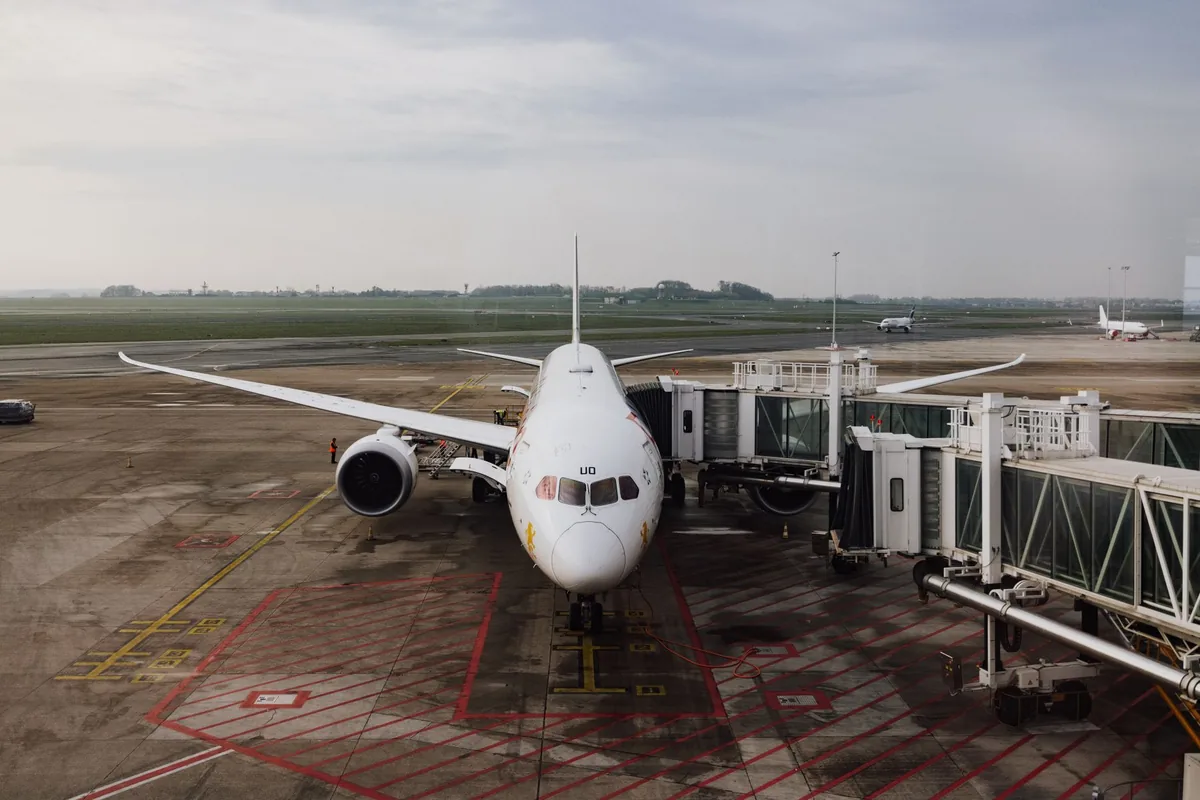
Emirates entered the winter travel season with accelerated booking momentum across Africa, the Americas, and Asia, operating at approximately 93% of pre-disruption capacity [1]. After moving over 8.6 million passengers during July and August, the carrier is deploying retrofitted cabins, adding long-haul frequencies, and introducing Airbus A350 operations across new international markets [1].
Where is Emirates seeing the strongest winter travel demand?
Winter forward bookings are outperforming the prior year across a wide footprint despite an ongoing consumer trend toward booking closer to departure dates [1]. According to eHotelier, demand is pacing ahead of last year in markets including South Africa, Brazil, India, Portugal, Egypt, Ghana, Colombia, Saudi Arabia, and Pakistan [1]. In Africa specifically, regional demand is led by South Africa, Egypt, and Ghana [1]. Demand from Nepal is also tracking ahead through the airline’s codeshare partnership with flydubai [1]. The UAE itself remains a strong outbound market, while Dubai continues to draw inbound visits [1]. In late August alone, more than half a million passengers arrived in Dubai on Emirates flights, marking a 7% increase over the identical window last year [1]. This late-summer influx included returning residents, new residents moving to the city for work, and leisure visitors taking end-of-season vacations [1].
How did passenger volumes and cabin segments perform over the summer?
Summer operations exceeded expectations with Emirates carrying over 8.6 million passengers between July and August [1]. As detailed by eHotelier, seat load factors climbed well above 75% on routes serving West Asia, Europe, the Middle East, the Americas, and Africa [1]. Strong traffic materialized on routes connecting Indonesia, Côte d’Ivoire, and the United Kingdom [1]. West African travel interest was highlighted by high volumes through Côte d’Ivoire [1]. Across cabin classes, Premium Economy generated network growth, with the Americas recording the highest regional increase in demand for the product [1]. To support customer flexibility, Emirates introduced single free date changes across its entire route network and unlimited free date changes for Dubai itineraries, while lowering refund fees on journeys into the hub [1]. It also launched Comprehensive Travel Cover, providing medical protection during airspace disruptions and conflicts, bundled with airline-managed ground arrangements and rebooking support [1].
What is the scale of the airline's fleet retrofit and delivery schedule?
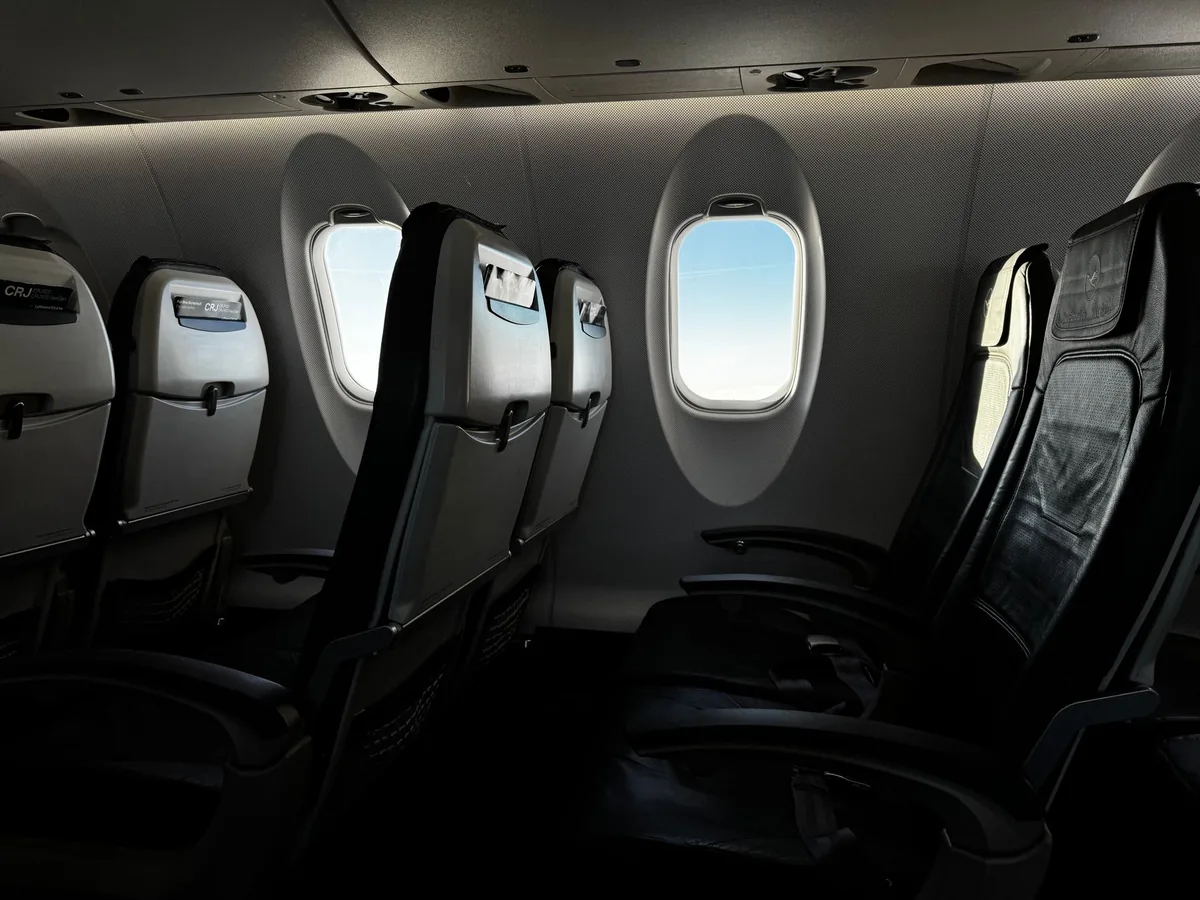
Fleet modernization is accelerating through new deliveries alongside a cabin retrofit initiative [1]. Since January 2026, Emirates has inducted 18 aircraft into its operations, consisting of 11 Airbus A350 passenger jets and seven Boeing 777 freighter variants [1]. An additional six A350 aircraft are scheduled to enter the fleet prior to the end of December 2026 [1]. The carrier has completed retrofits on 104 aircraft to date, modernizing 53 Boeing 777s and 51 Airbus A380s [1]. These retrofits expand the availability of Premium Economy and updated interior designs to 137 aircraft currently in service [1]. By the end of December, Emirates plans to have 155 aircraft carrying its latest cabin products [1]. Furthermore, close to 50 aircraft have been equipped with Starlink hardware to deliver high-speed inflight internet connectivity, installed in tandem with ongoing retrofit workshop schedules [1].
| Deployment Metric | Current Figure | Year-End 2026 Target |
|---|---|---|
| Total Retrofitted Aircraft (777s & A380s) | 104 | Not Specified |
| Aircraft with Premium Economy & New Cabins | 137 | 155 |
| A350 Destinations Served | 30 | 36 |
| Premium Economy Destinations | 90 | 96 |
| A350 Aircraft Received Since Jan 2026 | 11 | 17 |
| Starlink-Equipped Aircraft | Close to 50 | Expanding |
Which destinations are receiving new cabins and increased flight frequencies?
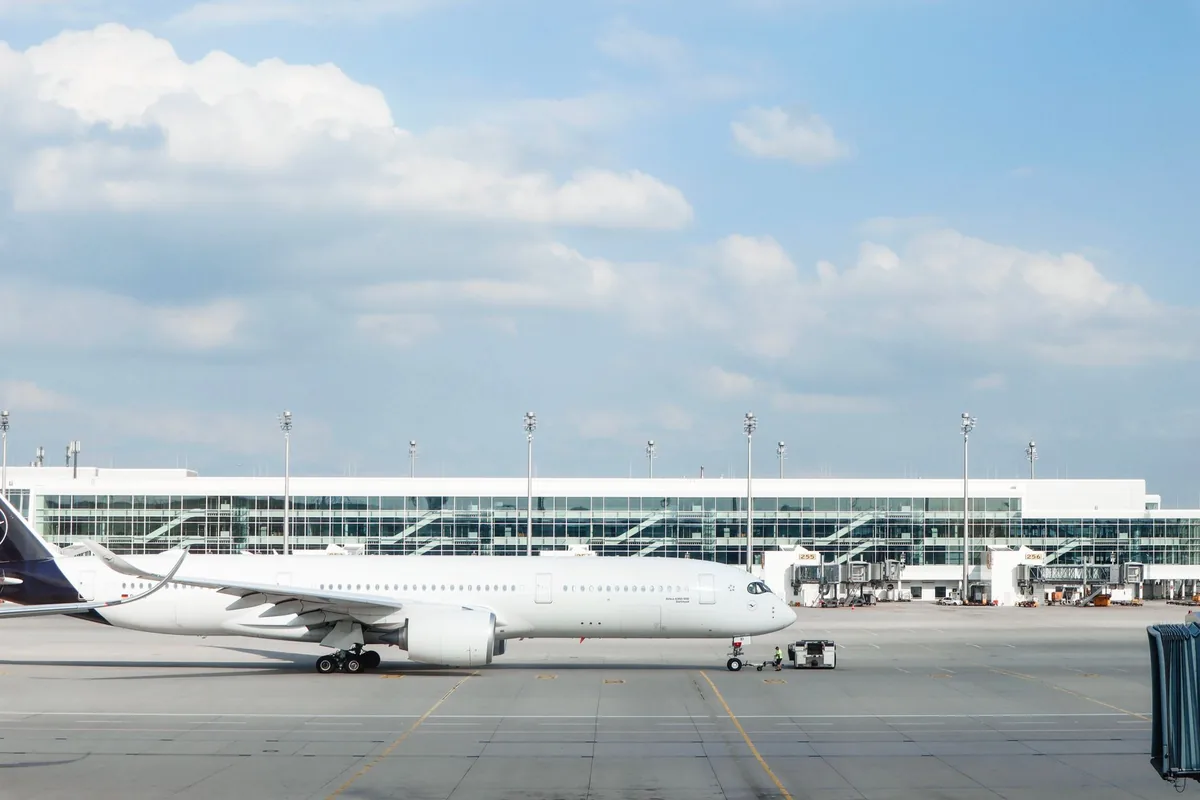
Emirates is rolling out its Premium Economy product and newly delivered A350s to an expanded list of global cities for the winter schedule [1]. Premium Economy now reaches 90 destinations and will add six more by year-end, including Paris, Delhi, and Stockholm [1]. Network planning reported by eHotelier shows Helsinki entering the scheduled network on 1 October using the A350, expanding the aircraft's footprint from 30 destinations up to 36 by the end of December [1]. The A350 is scheduled to serve Larnaca, Malta, Nairobi, and Hamburg beginning in late October, followed by Mauritius in November [1]. Later deployments will place the A350 on routes to Uganda and South Africa, while an A380 deployment is scheduled for Paris [1]. Retrofitted Boeing 777s will appear on Stockholm services in October and Frankfurt in November [1]. Frequency increases include three additional weekly departures to Accra, second daily flights to Tokyo Narita, Ho Chi Minh City, and Hanoi, and an equipment gauge upgrade to an A380 on one daily Delhi rotation [1]. Ground product updates include signature lounges opened in Munich, Frankfurt, and Manchester [1].
How are codeshare and interline partnerships expanding passenger reach?
Network reach beyond Emirates-operated aircraft relies on 168 codeshare, intermodal, and interline agreements, which collectively connect to 1,750 partner destinations [1]. On an average day, more than 13,000 passengers travel on flights operated by partner carriers [1]. The core hub partnership with flydubai spans more than 214 unique destinations across over 100 countries, generating upwards of 4,600 connection itineraries via Dubai [1]. Through this alliance, Emirates passengers access more than 100 flydubai cities, while flydubai customers gain access to over 140 Emirates destinations [1]. As published by eHotelier, popular flydubai destinations for Emirates travellers include Kathmandu, Zanzibar, Krabi, and Belgrade [1]. Since establishing the integrated network in 2017, the two carriers have transported more than 28 million passengers together [1]. Partner route growth saw flydubai add Chittagong in April 2026, Benghazi in June, Aleppo and Bangkok Don Mueang in July, and Pokhara in Nepal in September [1].
Reported by
This article was written from the following reporting. Follow the links for the original coverage.
Frequently asked
+What volume of passengers did Emirates handle over the summer?
Emirates transported more than 8.6 million passengers between July and August, generating load factors well above 75% across routes serving West Asia, Europe, the Middle East, the Americas, and Africa.
+How many aircraft will feature Emirates' latest cabins by the end of 2026?
Emirates plans to have 155 aircraft equipped with its latest cabins and Premium Economy by the end of December 2026, up from 137 currently in service.
+Which markets are pacing ahead for winter bookings?
Demand is tracking ahead of last year in South Africa, Brazil, India, Portugal, Egypt, Ghana, Colombia, Saudi Arabia, Pakistan, and Nepal.
+What aircraft deliveries has Emirates received since January 2026?
Since January 2026, Emirates has welcomed 18 aircraft, comprising 11 new Airbus A350 passenger jets and seven Boeing 777 freighters, with six more A350s due by year-end.
+How many destinations does Emirates serve with Premium Economy?
Emirates currently flies Premium Economy to 90 destinations and plans to expand the offering to 96 cities before the end of the year, including Paris, Delhi, and Stockholm.
Keep reading
Our reporting


More in operations