How Electronic Key Systems Protect Hotel Assets and Workflow
Automated key cabinets eliminate staff downtime, secure physical inventory, and provide real-time audit trails for hotel operations.
The short answer
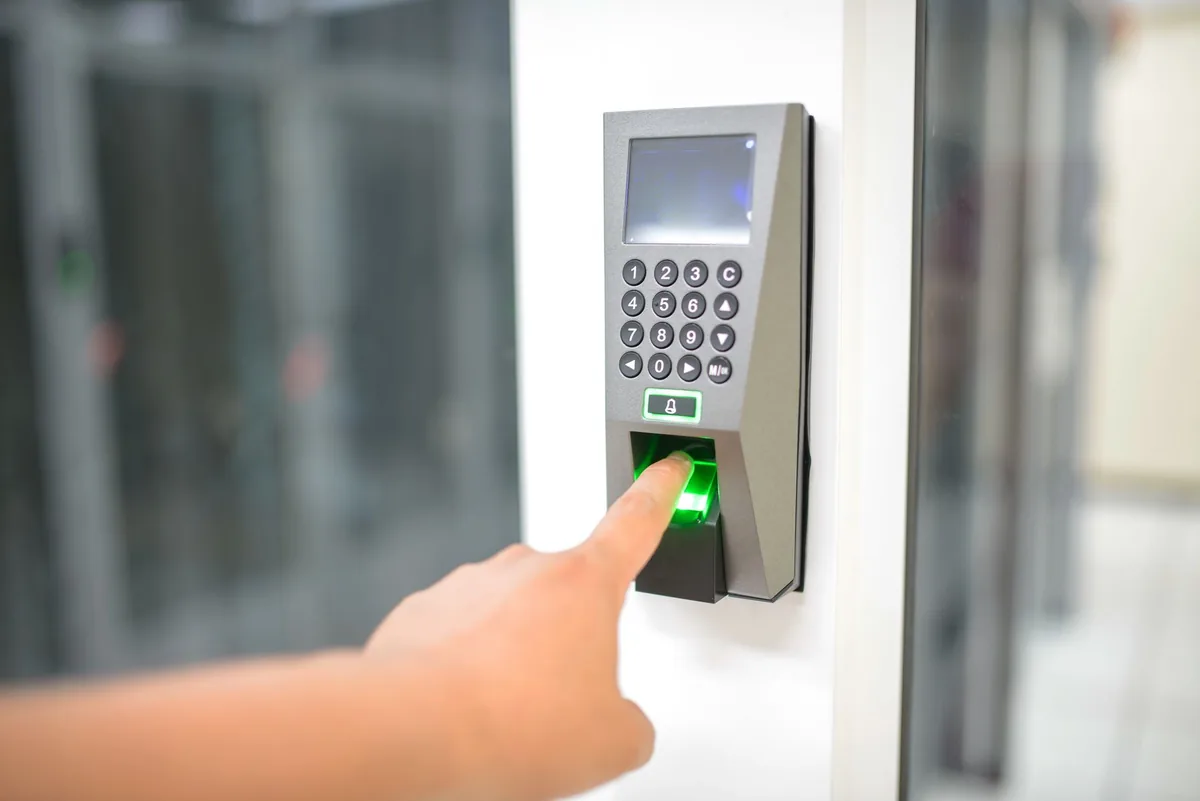
Electronic key control systems replace manual sign-out logs with automated cabinets that dispense keys only to authorized personnel. These systems generate real-time audit trails and missing-key alerts, eliminating staff downtime and securing physical inventory.
The short version
- Electronic key cabinets dispense specific keys instantly upon credential authentication, eliminating staff search time.
- Administrators restrict access by job title, shift, and time, while multi-factor authentication secures sensitive areas.
- Real-time audit trails and automated alerts for unreturned keys create a culture of accountability and reduce inventory loss.
Electronic key control systems replace manual sign-out logs with automated cabinets that dispense keys only to authorized personnel. By restricting access based on roles and shifts, generating real-time audit trails, and triggering missing-key alerts, these systems eliminate staff downtime, secure physical inventory, and protect technology infrastructure from unauthorized access. [1]
Hotel operations run continuously, with staff across all departments accessing secure areas and managing assets from early morning housekeeping rounds to late-night front desk shifts. [1] In this environment, Lodging Magazine reported that a single missing key disrupts operations, slows workflows, creates security vulnerabilities, and reduces profitability. [1] Electronic key control systems provide security and operations teams with the necessary tools to manage both people and assets with strict accountability. [1]

How do electronic cabinets reduce staff downtime?
Electronic key cabinets eliminate the time employees spend searching for keys by instantly releasing assigned keys the moment user credentials are authenticated. [1] Staff members frequently lose valuable time hunting down the physical keys required to perform their duties, a problem that affects dozens of employees and hundreds of shifts every year. [1] By requiring users to enter credentials before dispensing only the specific keys they are permitted to take, the system removes the need for searching, guessing, or waiting. [1] Housekeeping staff, food and beverage personnel, facilities managers, and security teams retrieve their assigned keys in seconds. [1] Multiplied across an entire hotel property, this capability yields a substantial daily productivity gain. [1]
What access controls do electronic systems provide administrators?
Administrators restrict key access using specific parameters, including job title, work shift, date, time of day, and day of the week. [1] Because not every employee requires access to every key, electronic systems enforce boundaries to ensure the right people access the right keys at the correct times. [1] Lodging Magazine noted that this level of granular control is impossible to achieve using conventional key hooks and manual sign-out logs. [1]
How does multi-factor authentication protect high-value assets?
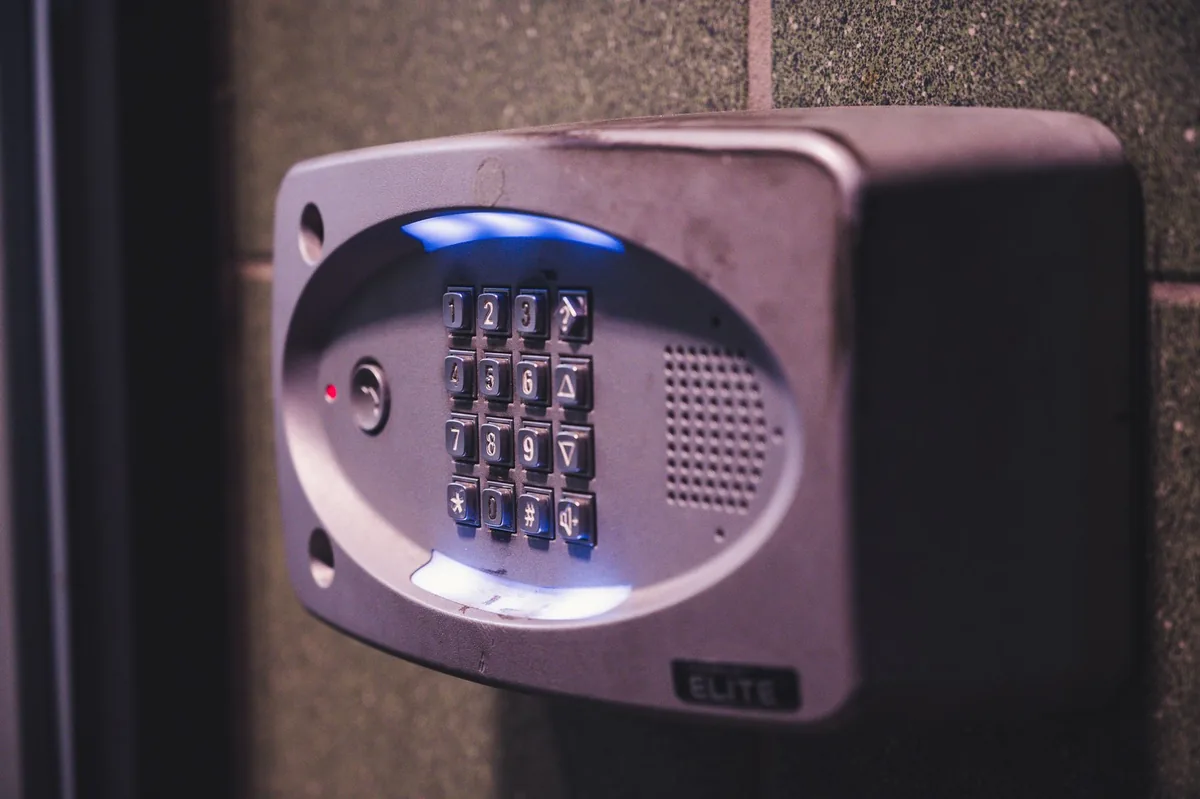
Multi-factor authentication requires multiple authorized managers to enter their credentials before the system releases a sensitive key. [1] Hotels apply this heightened security requirement to specific areas with elevated security needs, such as cash drawers, server rooms, executive storage, and restricted supply areas. [1] By demanding more than one authorization, the system reinforces accountability and lowers the risk of insider misuse. [1]
What data does the automatic audit trail capture?
The automatic audit trail records every key transaction in real time, capturing exactly who accessed a key, when they took it, and when they returned it. [1] Administrators pull these audit trails on demand to maintain a complete record of activity. [1] According to Lodging Magazine, these records are utilized for year-end audits, compliance reporting, shift reviews, and security incident investigations. [1]
How do automated alerts change employee behavior?
When an employee fails to return a key at the expected time, the system automatically generates an alert to notify administrators. [1] This proactive alerting allows management to take immediate action, replacing the reactive process of discovering a missing key hours later when the window for intervention has closed. [1] Over time, this consistent enforcement alters staff behavior; employees become far more conscientious about returning keys on time because they know management sees every logged transaction. [1]

Which physical and digital assets do these systems protect?
Electronic key control secures access to physical inventory such as restaurant provisions, housekeeping supplies, and equipment storage, directly protecting profit margins from persistent theft by outsiders or employees. [1] Furthermore, the systems protect sensitive data by tightly managing physical access to computer hardware. [1] Preventing uncontrolled physical access to technology infrastructure avoids data breaches, which cost a hotel heavily in remediation and reputation damage. [1]
Why is key control a financial priority for hotel owners?
The connection between key control and profitability is direct, as unsecured keys leave hotel inventory and computer hardware vulnerable to theft and misuse. [1] By eliminating the inefficiencies of manual key management, these systems create a structured, documented, and enforceable framework for fundamental hotel operations. [1] For properties of any size, the return on investment extends beyond basic security to include faster shift starts, fewer incidents, leaner inventory losses, and an organizational culture of accountability. [1]
| Feature | Manual Key Management | Electronic Key Control |
|---|---|---|
| Access Mechanism | Conventional key hooks and sign-out logs [1] | Automated cabinets requiring authenticated user credentials [1] |
| Missing Key Detection | Reactive discovery hours later [1] | Proactive alerts generated at the expected return time [1] |
| Security for Sensitive Areas | Standard single-user access [1] | Multi-factor authentication requiring multiple managers [1] |
| Tracking and Record Keeping | Manual sign-out logs [1] | Real-time automatic audit trail capturing user and time data [1] |
Reported by
This article was written from the following reporting. Follow the links for the original coverage.
- [1]Electronic Key Systems Boost Hotel Efficiency and Security— Lodging Magazine
Frequently asked
+How do electronic key cabinets dispense keys?
Electronic key cabinets dispense keys only after user credentials are entered and authenticated, instantly releasing the specific keys an authorized user is permitted to take without searching or waiting.
+How can administrators restrict key access?
Administrators can restrict key access by date, time of day, day of the week, work shift, and job title, ensuring employees only access the keys they need for their specific roles.
+What is multi-factor authentication used for in key control?
Multi-factor authentication requires multiple authorized managers to enter credentials before releasing keys for high-security areas like server rooms, cash drawers, and executive storage.
+What information does the key control audit trail record?
The automatic audit trail records in real time exactly who accessed a key, when it was taken, and when it was returned.
+What happens when a key is not returned on time?
When a key is not returned at the expected time, the system generates an alert that notifies administrators, allowing for immediate action rather than discovering the loss hours later.
+How do electronic key systems protect hotel data?
They protect sensitive data by tightly managing physical access to computer hardware, preventing unauthorized access that causes data breaches and subsequent remediation costs.
Keep reading
Our reporting

More in operations