Digital Ordering and Visual Menus Lift Hotel F&B Revenue Up to 30%
Real-world hotel deployments and conversion data show how mobile ordering systems and photography increase check sizes and room service volume.
The short answer
Deploying mobile ordering platforms and professional food photography increases hotel room service revenue by up to 30 percent. Case data from Glasgow Marriott demonstrates a 24 percent revenue lift and improved labor efficiency through direct POS integration.
“IRIS has become an integral part of our operation with 80% of our room service orders now coming through the platform. Both guests and staff find it incredibly easy to use. We’ve seen significant growth in revenue and orders year after year, while also becoming much more efficient operationally”
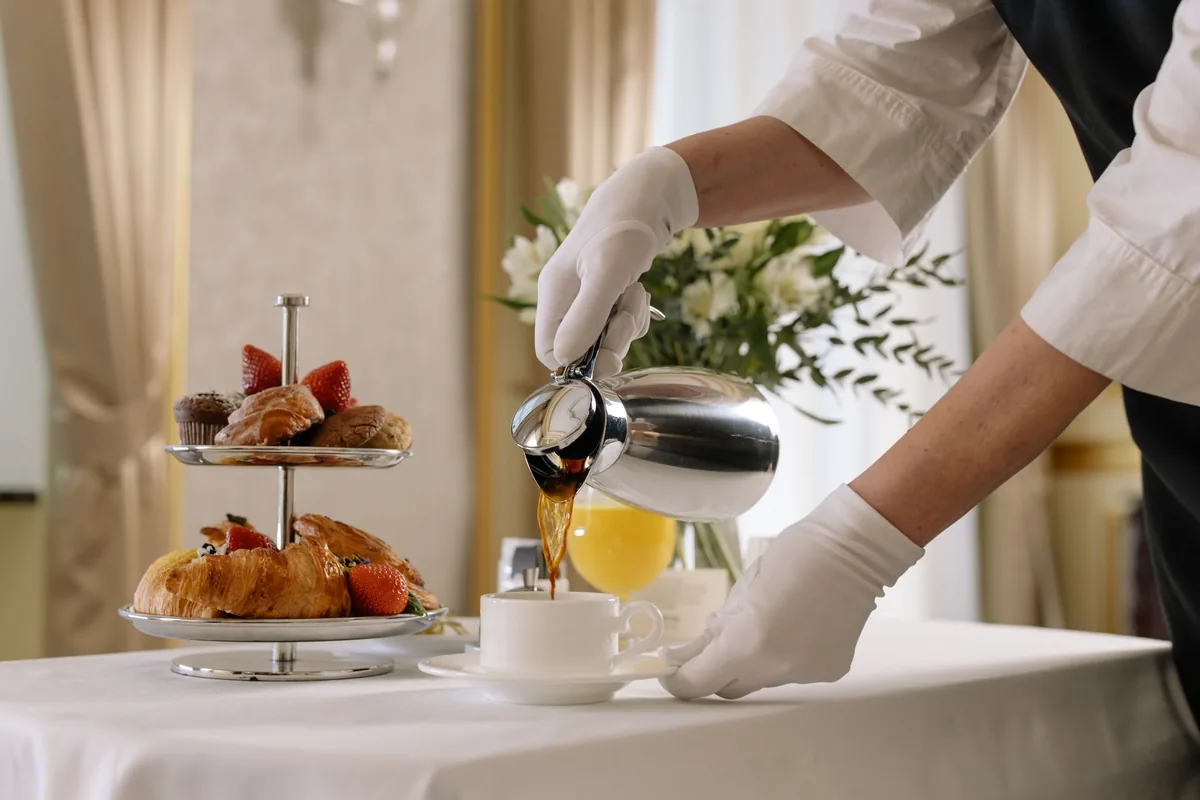
The short version
- Glasgow Marriott Hotel increased room service revenue by 24% year-on-year by deploying mobile ordering integrated with Oracle Micros POS.
- High-quality food photography drives a 20% to 25% increase in menu conversion rates and up to a 30% rise in average order value.
- 80% of room service transactions at Glasgow Marriott now occur digitally via QR codes and the Marriott Bonvoy app.
Hotels boost room service revenue by up to 30 percent and order volumes by over 20 percent by deploying mobile ordering platforms paired with professional food photography. Visual menus raise conversion rates 20 to 25 percent, while automated point-of-sale integration eliminates phone-order friction, prompting guests to select premium items and add-ons.
How do digital menus translate into larger guest checks?
Guests spend more when they can see high-quality imagery of dishes rather than reading plain-text descriptions. The human brain processes images 60,000 times faster than text, creating sensory anticipation that drives impulse purchases and upgrades [2]. According to industry analysis published by eHotelier, properties that switch to visual digital menus experience an average order value increase between 15 and 30 percent [2].
When guests encounter bare text or scanned PDF menus, indecision frequently sets in. Stefan Renziehausen reported via eHotelier that hesitation leads guests to abandon hotel ordering in favor of third-party delivery apps like Uber Eats [2]. By contrast, digital interfaces enable intelligent merchandising. At the Glasgow Marriott Hotel, operators use promotional tags, featured menu items, and targeted upselling recommendations directly on guest devices to encourage guests to purchase complementary items [1].
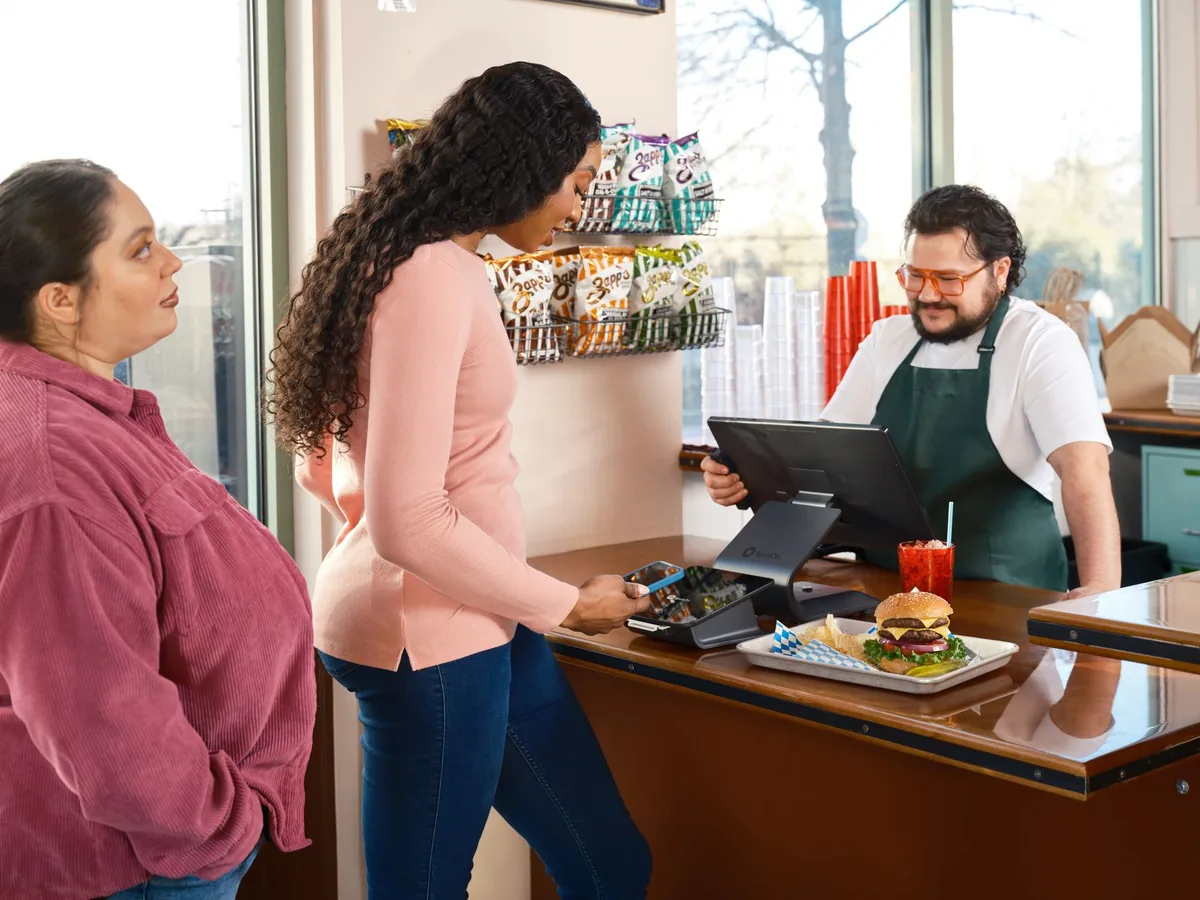
What results did the Glasgow Marriott achieve with mobile ordering?
The Glasgow Marriott Hotel increased its year-on-year room service revenue by 24 percent after transitioning away from legacy phone-based ordering [1]. The 303-bedroom property, which forms part of the Kingfisher Hospitality Group, adopted IRIS Mobile Ordering alongside the IRIS Digital Guest Directory [1].
Guests at the four-star property access digital menus through in-room QR codes or the Marriott Bonvoy app, bypassing front desk and room service phone queues [1]. The hotel also saw its total room service order volume expand by 23 percent year-on-year [1]. Now, 80 percent of all room service orders placed at the property flow through the mobile platform [1]. In addition, the platform supports breakfast pre-ordering, which provides kitchen personnel earlier visibility into morning production demand [1].
How does visual content impact digital ordering conversions?
Food photography acts as the primary conversion trigger on mobile menus, elevating standard ordering rates by up to 25 percent [2]. A DoorDash study cited by eHotelier showed that menus containing food photos achieve up to 44 percent higher monthly order volume compared to text-only alternatives [2].
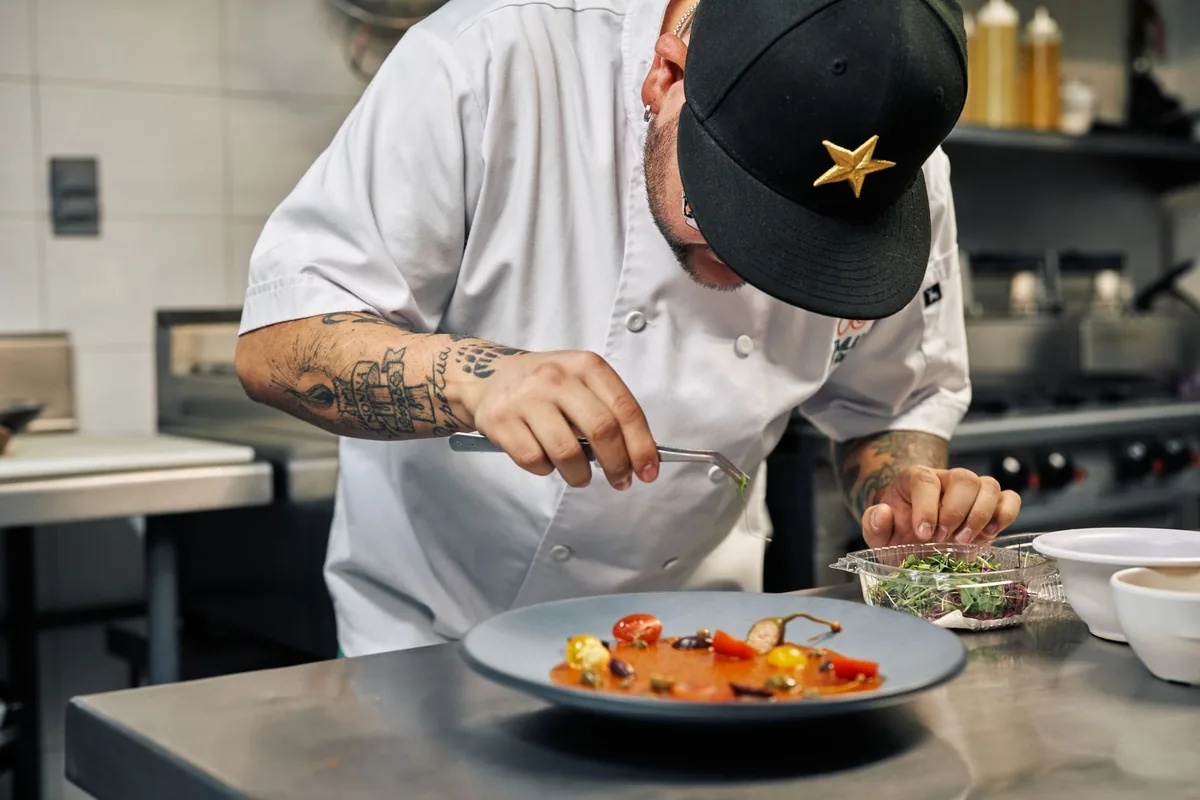
| Metric | Without Images | With High-Quality Images | Operational Impact |
|---|---|---|---|
| Conversion Rate | Baseline | +20% to +25% | More completed orders |
| Monthly Order Volume | Baseline | +20% to +40% | Higher purchase frequency |
| Average Order Value | Baseline | +15% to +30% | Larger guest check sizes |
| Overall F&B Revenue | Baseline | +20% to +30% | Direct top-line growth |
Across external delivery apps, restaurants presenting item photography capture up to 25 percent more orders [2]. Within hotel operations, properties utilizing mobile ordering report 30 percent more food and beverage revenue through a combined lift in transaction volume and ticket size [2].
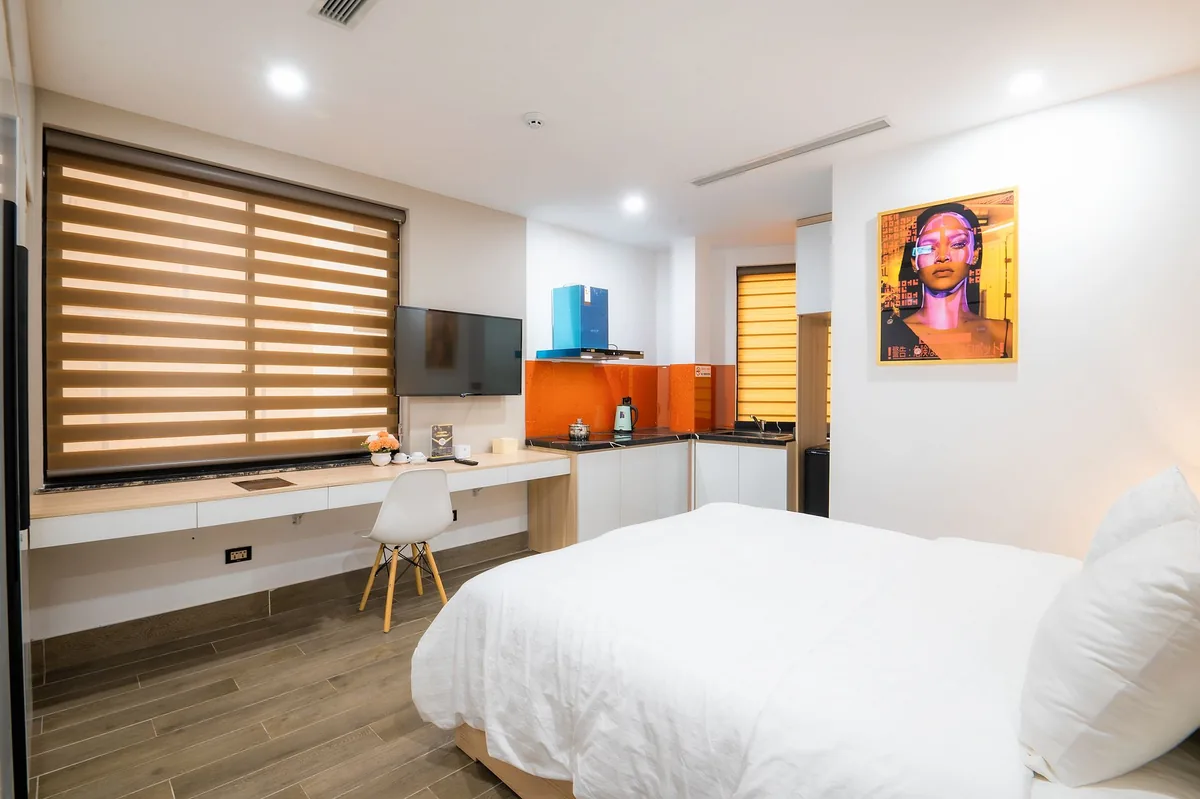
How does POS automation reduce operational strain?
Digital ordering platforms eliminate manual order entry by feeding ticket details directly into kitchen terminals. At the Glasgow Marriott, IRIS Mobile Ordering links directly with the hotel’s Oracle Micros point-of-sale system [1].
Direct point-of-sale transmission removes manual phone transcription, eliminates communication errors, and allows the hotel to staff room service with fewer labor resources [1]. Service staff can redirect their working hours toward food delivery and direct guest interactions rather than handling telephone inquiries [1]. Furthermore, visual digital menus clarify preparation details for guests before they order, minimizing kitchen mistakes and reducing refund disputes [2].
What operational savings exist beyond food sales?
Adopting digital directories allows properties to eliminate paper collateral across guest accommodations. Glasgow Marriott removed printed room service menus and paper guest directories throughout its 303 rooms after deploying the IRIS Digital Guest Directory [1].
Hotel teams can modify pricing, launch promotions, and update seasonal menus in real time without waiting for external technical support or printing replacements [1]. Beyond ordering dinner or drinks, guests utilize the interface to review on-property amenities, seek local recommendations, and examine hotel facilities from their own smartphones [1].
Reported by
This article was written from the following reporting. Follow the links for the original coverage.
Frequently asked
+How much can visual menus increase hotel F&B revenue?
High-quality visual menus can increase food and beverage revenue by 20 to 30 percent. Properties see conversion rates rise 20 to 25 percent, while average order values increase by 15 to 30 percent due to appetite appeal and add-on purchases.
+What revenue lift did Glasgow Marriott achieve with mobile ordering?
The Glasgow Marriott Hotel achieved a 24 percent year-on-year increase in room service revenue after deploying IRIS Mobile Ordering. Room service order volumes expanded by 23 percent, with 80 percent of orders arriving through the platform.
+How does digital ordering improve hotel kitchen workflow?
Mobile ordering platforms integrate directly with point-of-sale systems such as Oracle Micros. Orders route immediately to kitchen printers, eliminating manual telephone entry, reducing order errors, and allowing operations to function with leaner service teams.
+Why do guests abandon text-only hotel menus?
The human brain processes images 60,000 times faster than text. Without photos, guests face uncertainty about portion sizes and presentation, often abandoning the hotel's offering to purchase food via third-party delivery apps like Uber Eats.
+Can digital guest directories reduce hotel printing costs?
Yes. Digital directories allow hotels to eliminate printed room directories and paper room service menus entirely. Properties can update menu pricing, promotional items, and hotel facility information instantly without incurring reprinting expenses.
Keep reading
Our reporting

More in operations