Connected Room Tech Cuts Utility and Labor Costs
Smart room integrations link locks, thermostats, and PMS platforms to curb vacant room energy waste and automate service workflows.
The short answer
Connected room systems integrate locks, thermostats, and management software to curb unoccupied energy consumption and optimize operational workflows. Hotels can deploy modular components over time to reduce utility expenses and keycard replacement costs without overhauling entire properties at once.
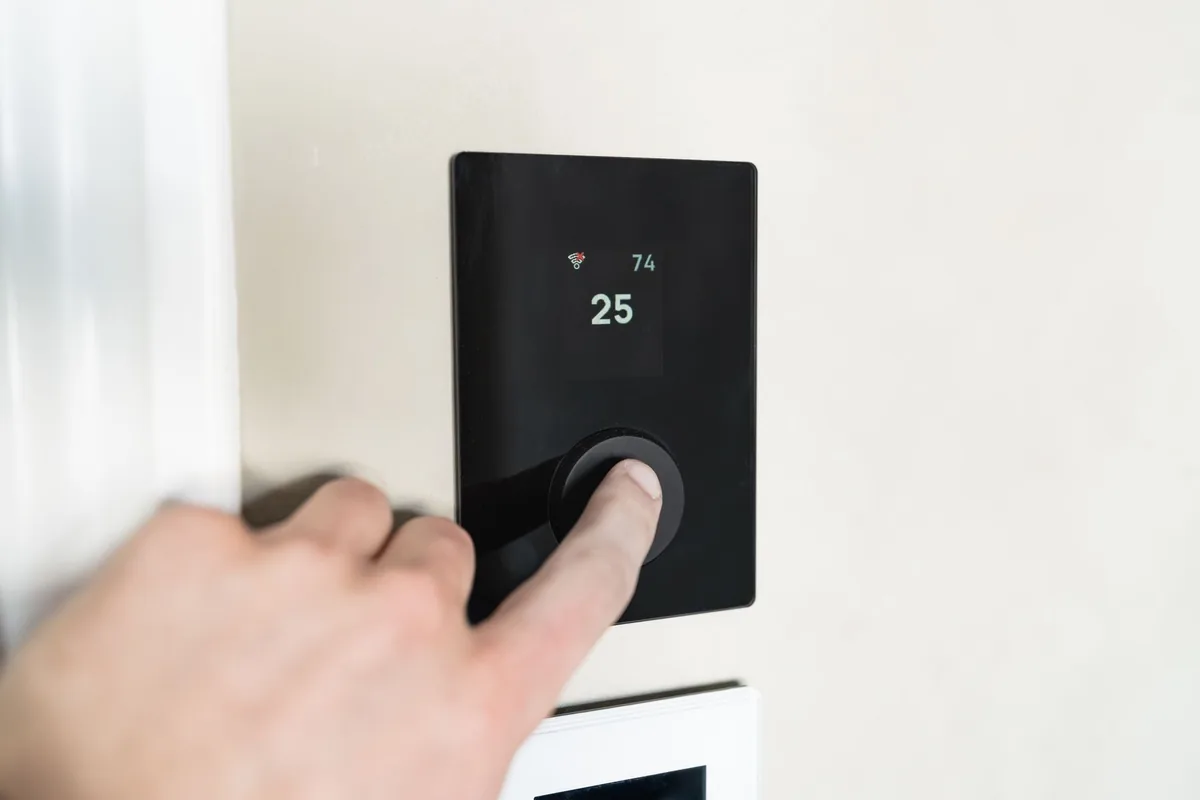
“The big buzzword among chain hotels is scenes. So, they want a welcome scene, an exit scene, a night scene, a morning scene, etc.”
The short version
- Vingcard reports that mobile wallet credentials lower key replacement expenses and trigger personalized HVAC welcome scenes upon arrival.
- Verdant by Copeland systems track run times and equipment strain to alert maintenance staff before air conditioning units fail.
- Modular cloud architecture allows economy and limited-service properties to implement energy management without investing in a complete GRMS.
Connected guestroom technology cuts hotel utility and operational labor expenses by combining smart door locks, cloud-linked thermostats, lighting controls, and property management systems into unified networks. When these components communicate, hotels automatically set unoccupied rooms to energy-saving temperatures, eliminate plastic keycard restocking costs, and route guest tablet requests straight to housekeeping or engineering without manual dispatch delays [1].
How do integrated guestroom devices lower utility expenses?
Integrated energy management platforms lower utility bills by preventing vacant rooms from consuming unnecessary heating, cooling, and electricity [1]. Lodging Magazine reported that connected door locks and occupancy sensors immediately notify environmental controls when guests enter or exit [1]. As Amber Smith, senior product leader at Verdant by Copeland, explained, a smart lock can broadcast an occupancy signal to the thermostat the moment a guest opens the door [1]. Conversely, when the system detects no movement over a designated period, room controls activate an energy-saving mode that resets set points and switches off lighting [1].

Cloud-connected thermostats also furnish predictive data that protects heating and cooling infrastructure [1]. As Smith noted to Lodging Magazine, backend software tracks how long individual units run before and after guest occupancy, records guest temperature preferences, and identifies mechanical strain before equipment breaks down entirely [1]. Maintenance teams receive real-time notifications about failing units, while corporate operators can benchmark equipment performance across multiple properties to spot anomalies [1].
What labor and operational efficiencies do mobile keys and tablets create?
Connected room architecture reduces staff workloads by automating dispatching and front desk procedures [1]. According to George Winker, vice president of sales for North America at Vingcard, digital keys delivered directly to guest mobile wallets cut down on overhead expenses by reducing physical keycard restocking fees [1]. When guests use in-room tablets to order room service or request extra towels, the system routes the tasks directly to food and beverage, housekeeping, or engineering teams rather than requiring front desk staff to triage calls [1].
This continuous tracking also gives property teams an accurate, live view of room occupancy and turnover requirements [1]. The automated handling of requests reduces lapses in guest service quality while eliminating redundant labor hours in day-to-day operations [1].
How do automated room scenes function across a guest stay?
Automated room scenes synchronize environmental controls with the property management system to trigger customized light, drapery, and temperature settings based on guest actions [1]. Amber Smith observed that major hotel chains increasingly prioritize automated room scenes, demanding preset configurations for welcome, exit, night, and morning states [1]. These configurations adjust automatically while still permitting guests to override them manually using wall switches or bedside tablets [1].
| Stay Stage | System Trigger | Automated Room Action | Operational Benefit |
|---|---|---|---|
| Pre-Arrival | Digital credential issued | Room key delivered to guest device wallet | Reduces front desk check-in traffic and plastic keycard costs |
| Arrival | Mobile lock credential scanned | Welcome scene triggers preset lighting and HVAC | Personalizes arrival without running systems in advance |
| In-Room Stay | In-room tablet interaction | Service orders route directly to staff queues | Bypasses front desk dispatching for F&B or repairs |
| Departure (Daily) | Occupancy sensor detects absence | Exit scene engages energy-saving HVAC setback | Eliminates utility waste while guests are away |
| Checkout | PMS checkout completed | Mobile key deactivates; room switches to vacant mode | Secures room and locks HVAC to deep setback |
Do hotels need a full GRMS to deploy smart room features?
Hotels do not need to install an expensive guestroom management system (GRMS) to achieve basic operational savings [1]. George Winker pointed out that properties can connect wallet keys, access controls, WiFi logins, and individual thermostats through existing property management systems, energy management platforms, network software, middleware, or APIs [1]. A dedicated GRMS becomes necessary primarily when an operator wants to orchestrate complicated, multi-device presets involving lighting, drapery motors, and occupancy tracking simultaneously from a centralized hub [1].
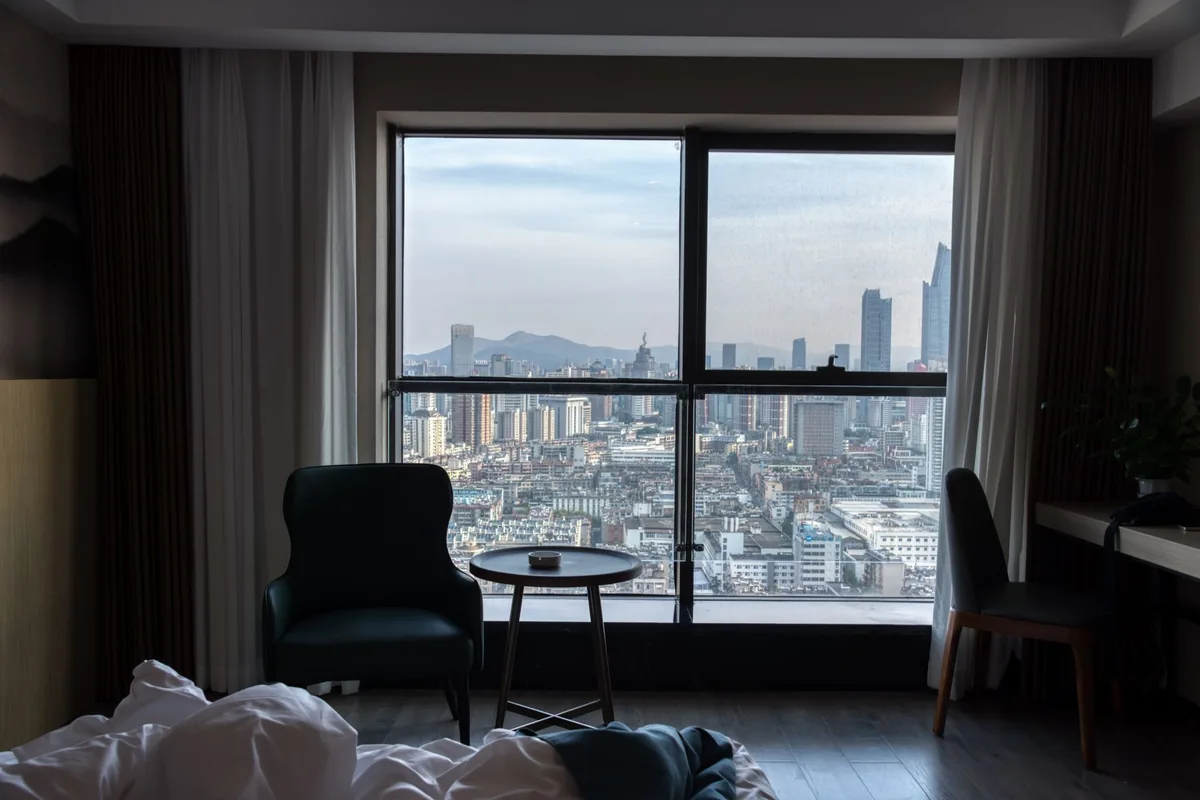
As reported by Lodging Magazine, hoteliers can deploy connected components in stages rather than executing an all-or-nothing overhaul [1]. Economy and limited-service properties frequently start by targeting utility savings through occupancy-sensing thermostats and simple WiFi authentication [1]. Luxury resorts, by contrast, tend to adopt centralized GRMS platforms right away to deliver deep personalization and coordinated room aesthetics [1].
What steps should hoteliers take before upgrading guestroom technology?
Before purchasing hardware, hotel operators must evaluate their desired operational outcomes, existing network wiring, current hardware capabilities, and future growth objectives [1]. George Winker advised hoteliers to decide whether their immediate goal is utility reduction or guest personalization [1]. Properties seeking lower electric bills should begin with standalone energy management networks, while those seeking extensive automation and scene programming should prioritize an integrated GRMS foundation [1].
Winker emphasized that future smart hotel systems will rely on interoperable, cloud-based architectures to share live diagnostic data across entire hotel portfolios [1]. Open networks allow operators to deploy modular components as budgets permit, giving staff the predictive analytics needed to run leaner operations [1].
Reported by
This article was written from the following reporting. Follow the links for the original coverage.
- [1]Connected Room Tech Cuts Hotel Utility and Labor Costs— Lodging Magazine
Frequently asked
+How does connected room tech reduce hotel energy bills?
Connected smart locks and occupancy sensors alert the thermostat when a guest exits. The system automatically engages an energy-saving setback mode that adjusts heating, cooling, and lighting, ensuring vacant guestrooms do not waste electricity.
+Do hotels need to install a complete GRMS immediately?
No, hotels can adopt modular systems piecemeal. Basic functions like digital wallet keys and smart thermostats can integrate through existing PMS setups, APIs, or energy platforms, allowing properties to expand to full GRMS control as capital allows.
+How does connected room technology reduce front desk labor?
Digital keys sent to guest mobile wallets eliminate the need for manual check-in encoding and reduce key replacement purchases. In-room tablets also route guest service and maintenance requests directly to operational departments, bypassing the front desk.
+What diagnostic data do connected thermostats provide maintenance teams?
Connected thermostats monitor how long units run before and during occupancy, evaluate set point performance, and flag mechanical strain. These alerts inform maintenance engineers of equipment malfunctions before a guest reports a failure.
+What is a hotel room scene?
A room scene is an automated configuration of lighting, temperature, and draperies triggered by specific events. Common examples include welcome scenes upon check-in, energy-saving exit scenes when leaving, and customized morning or night settings.
Keep reading
Our reporting

More in operations