Hyatt Study: 90% of Business Guests Use Rooms as Escapes
New survey data shows business travelers prioritize guestrooms over networking events, demanding spaces engineered for productivity and recovery.
The short answer
Hyatt research shows 90 percent of business travelers treat their guestrooms as a solitary sanctuary away from work responsibilities. With 47 percent avoiding optional networking events, operators must prioritize consistent essentials like reliable WiFi, beds, and early check-in.
The short version
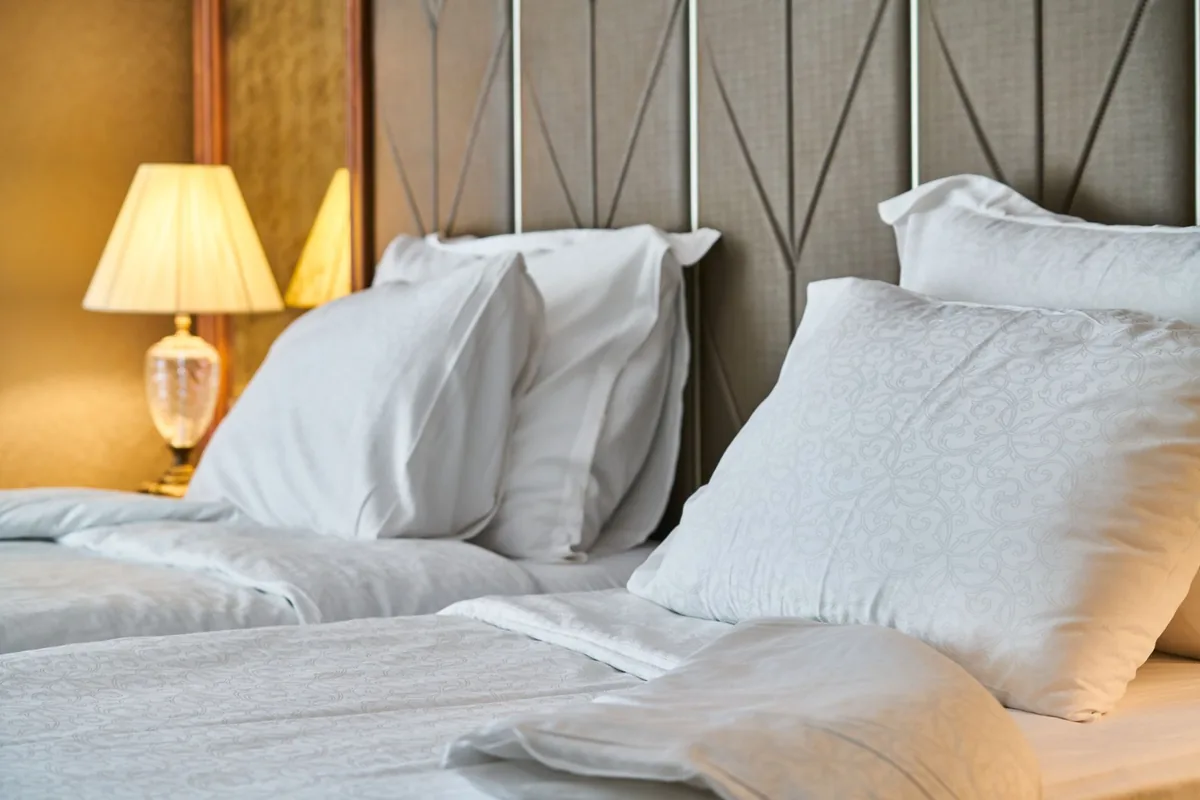
- Hyatt research shows 90 percent of business guests consider their hotel room the only place they feel off the clock.
- 47 percent of corporate travelers prefer private room relaxation over optional networking events.
- Global business travel spending is projected to grow 7.2 percent in 2026, according to GBTA data.
Business travelers now view guestrooms as their primary retreat, with 90 percent reporting that the hotel room is the only space where they feel truly off the clock during work trips [1]. Rather than attending optional corporate events, 47 percent choose solitary downtime, forcing operators to deliver dependable, productivity-minded room environments [[1], [2]].
Why are corporate travelers skipping networking events?
Corporate travelers are actively dodging optional gatherings to protect their downtime inside guestrooms [[1], [2]]. According to Lodging Magazine, 47 percent of business guests prefer relaxing alone in their rooms over optional networking functions [2]. Travelers go as far as inventing excuses or scheduling fake calendar meetings to protect their personal space and unwind [[1], [2]].
How does the guestroom serve both rest and after-hours work?
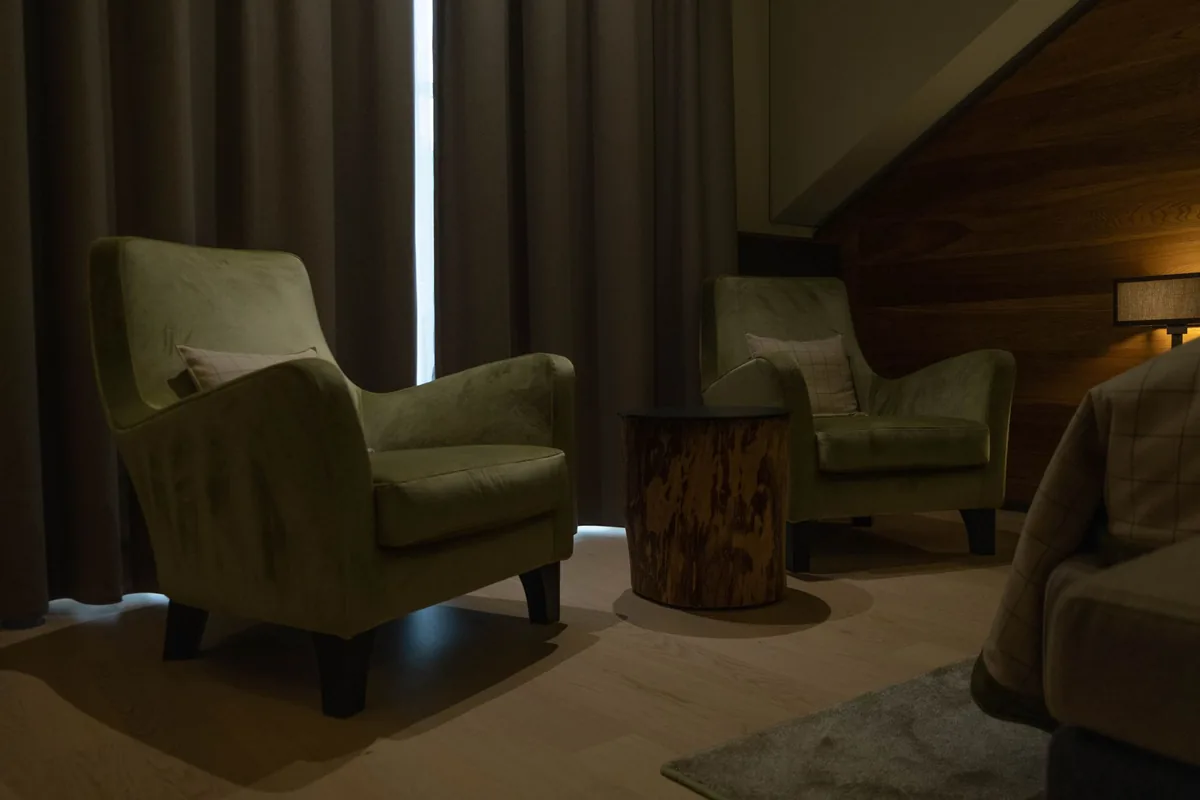
The hotel room now operates as an office extension followed by a personal refuge [1]. Asian Hospitality reported that nearly three-quarters of business guests continue working in their rooms after the primary workday ends [1]. As guests balance work tasks and rest in identical quarters, basic physical comforts directly determine overall guest satisfaction [[1], [2]].
"Business travel has evolved and so have travelers' expectations," said Jason Ballard, Hyatt senior vice president and Essentials global brand leader [1]. "I travel frequently myself, and I know firsthand how much the little things can make a trip. From a thoughtfully designed guestroom and comfortable bed to reliable WiFi and breakfast before early meetings, every detail matters. We want guests to spend less time worrying about the basics and more time feeling refreshed and ready for whatever comes next." [1]
Which amenities matter most to road warriors?
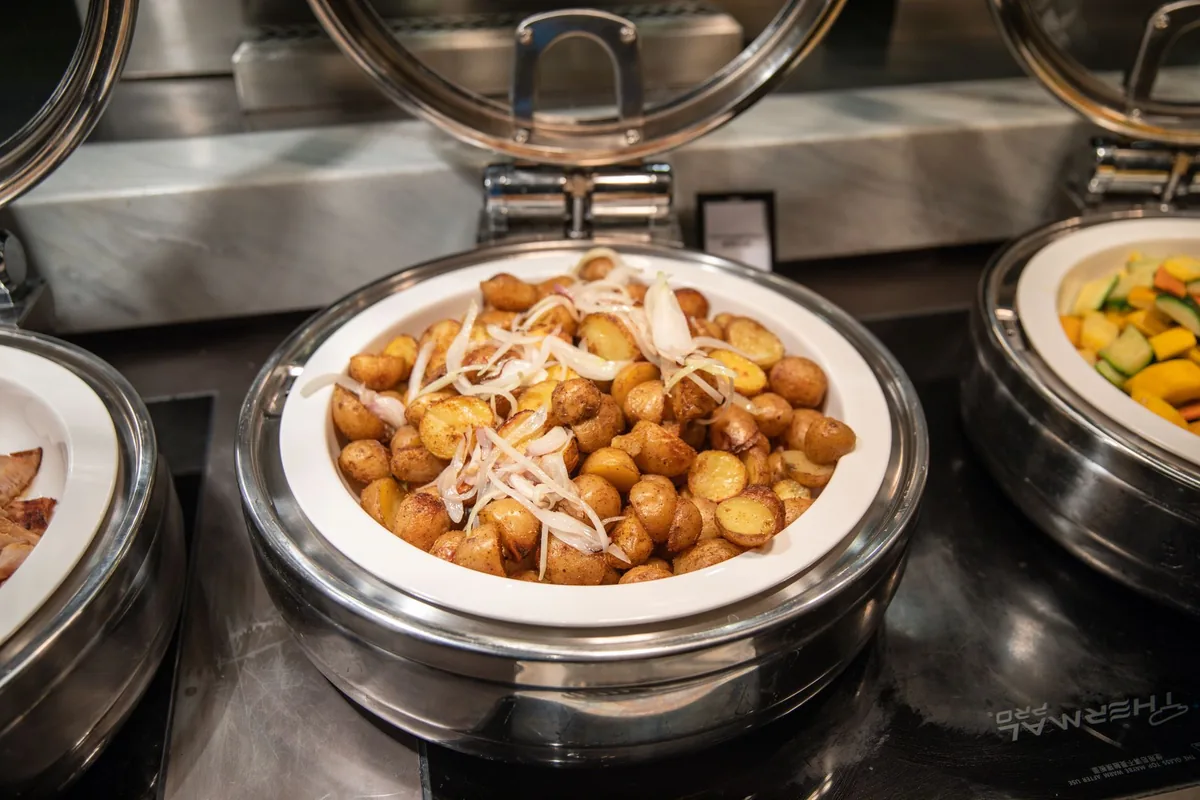
Guests prioritize functional operational amenities that facilitate recovery and daily schedules without added friction [[1], [2]]. According to Hyatt's survey data, comfortable beds and reliable in-room WiFi lead guest demands, joined by 24-hour food options, complimentary breakfast, and early check-in privileges [[1], [2]].
| Amenity Priority | Operational Function | Impact on Traveler Schedule |
|---|---|---|
| Comfortable beds | Physical recovery | Restores energy for next-day meetings |
| Reliable in-room WiFi | Connectivity | Supports evening after-hours work |
| 24-hour food options | Flexible dining | Accommodates irregular corporate hours |
| Complimentary breakfast | Morning convenience | Ensures quick meals before early morning sessions |
| Early check-in | Schedule efficiency | Allows mid-day rest or remote work access |
What signals hotel quality to frequent travelers?
Operational consistency serves as the clearest measure of quality for travelers navigating recurring business itineraries [[1], [2]]. Hyatt found that 46 percent of business travelers point to consistency across properties as the primary benchmark of a quality property [[1], [2]]. Furthermore, nearly 79 percent stated that staying at a high-quality property directly elevates their work performance on the road [[1], [2]].
How do loyalty programs shape booking patterns?
Corporate guests channel bookings toward brands that reward their frequent stays [[1], [2]]. Lodging Magazine noted that 80 percent of business travelers state hotel loyalty programs influence their choice of accommodation [2]. Earning points remains a decisive factor for travelers balancing rigorous travel obligations [[1], [2]].
What macro trends are driving business travel spending?
Travel spending expansion is outpacing total trip counts due to persistent inflation across core travel expenses [1]. Asian Hospitality cited the Global Business Travel Association's 2026 GBTA Business Travel Index Annual Global Report and Forecast, which showed global business travel spending will grow 7.2 percent in 2026 [1]. Rising transportation and general travel expenses drive higher total outlays even as volume growth trails [1].
Reported by
This article was written from the following reporting. Follow the links for the original coverage.
- [1]Hyatt Finds 90% of Business Travelers Treat Rooms as Escapes— asianhospitality.com
- [2]Hyatt Finds 90% of Business Guests Unwind in Rooms— Lodging Magazine
Frequently asked
+Why are business travelers retreating to their hotel rooms?
Hyatt's survey revealed that 90 percent of corporate travelers view their guestroom as the only setting where they feel truly off the clock during trips, prompting 47 percent to skip optional networking functions.
+How does guestroom quality affect corporate performance?
Nearly 79 percent of business travelers reported that staying at a high-quality hotel directly improves their work performance, with 46 percent viewing operational consistency as the top mark of hotel quality.
+Which guestroom amenities do business travelers demand most?
Travelers prioritize comfortable beds, dependable in-room WiFi, round-the-clock food availability, complimentary morning breakfast, and early check-in access to balance after-hours work and rest.
+How influential are hotel loyalty programs on corporate bookings?
Loyalty programs directly shape travel arrangements, with 80 percent of business travelers indicating that loyalty programs influence their accommodation choices when booking corporate stays.
+What is the global business travel spending outlook for 2026?
According to the GBTA Business Travel Index Annual Global Report and Forecast, global business travel spending is projected to expand by 7.2 percent in 2026, outpacing trip volume due to higher travel costs.
Keep reading
Our reporting

More in operations