Booking.com Predicts Surge in Emotion-Driven Travel by 2027
New research across 28,000 travelers shows 81% pick destinations by mood, pressing hoteliers to unbundle packages and market emotional intent.
The short answer
Booking.com's survey of 28,000 travelers reveals 81 percent select destinations based on emotional state rather than location alone. Hoteliers can adapt by auditing digital listings for feeling-based intent, unbundling packages, and catering to fitness and reflection trips.
The short version
- Booking.com found that 81% of global travelers choose destinations primarily based on their emotional mood.
- Sixty-six percent of guests prefer travel packages that allow them to remove amenities and services they do not use.
- Fifty percent of travelers have reconsidered trip companions due to differences in spending expectations and budgets.
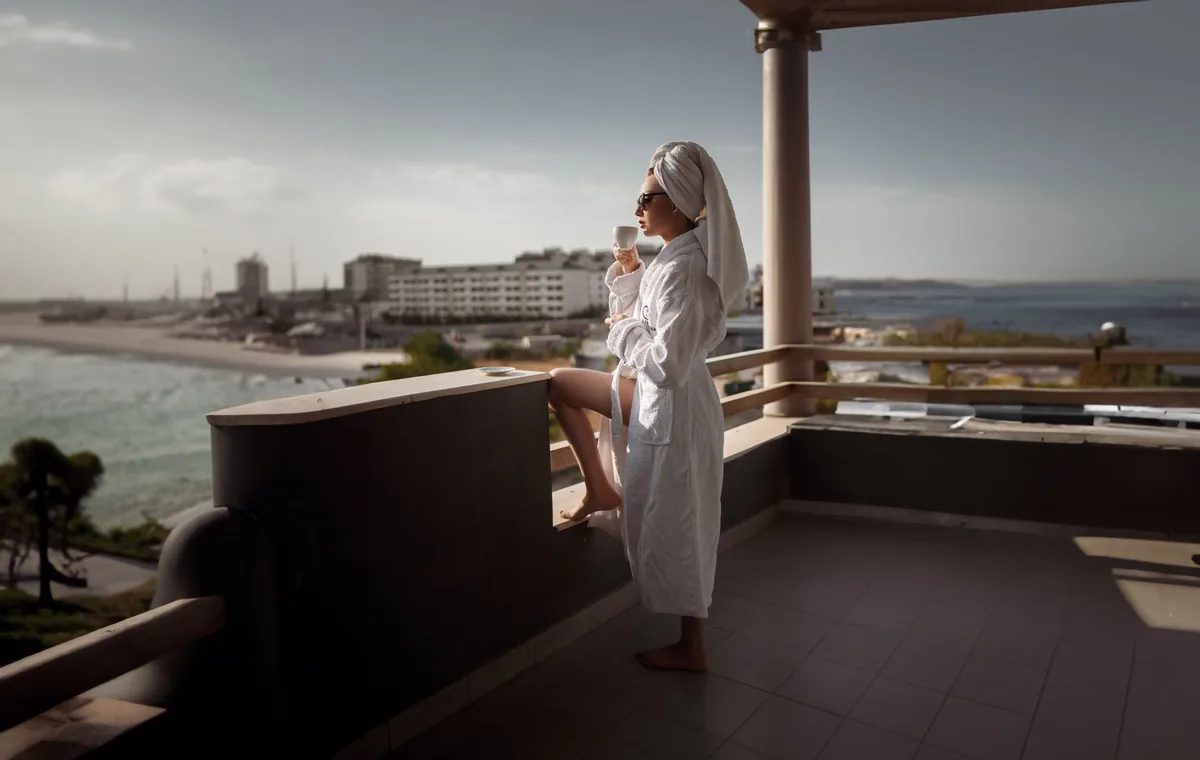
Travelers are shifting from destination-led searches to emotion-driven bookings, with 81 percent of global guests selecting a trip based primarily on mood rather than location, according to Booking.com’s annual Travel Predictions research [1]. Hoteliers must respond by auditing distribution listings for feeling-based keywords, replacing fixed bundles with customizable opt-in pricing, and targeting wellness and conflict-resolution niches [1].
How are travelers shifting their search habits by 2027?
Guests are prioritizing emotional state over geographical coordinates when choosing where to travel, as reported by Lodging Magazine [1]. Booking.com surveyed more than 28,000 travelers across 32 countries and territories to evaluate upcoming travel patterns [1]. The findings revealed that 76 percent of travelers would use a search tool recommending destinations by emotional state [1]. Furthermore, 77 percent of respondents expressed interest in taking a "Plot Twist" trip specifically to do something out of character [1]. Long-haul transit preferences mirror this focus on wellbeing, with 89 percent stating they would book a long-haul flight if guaranteed to arrive rested and refreshed [1].
What changes should operators make to property listings?
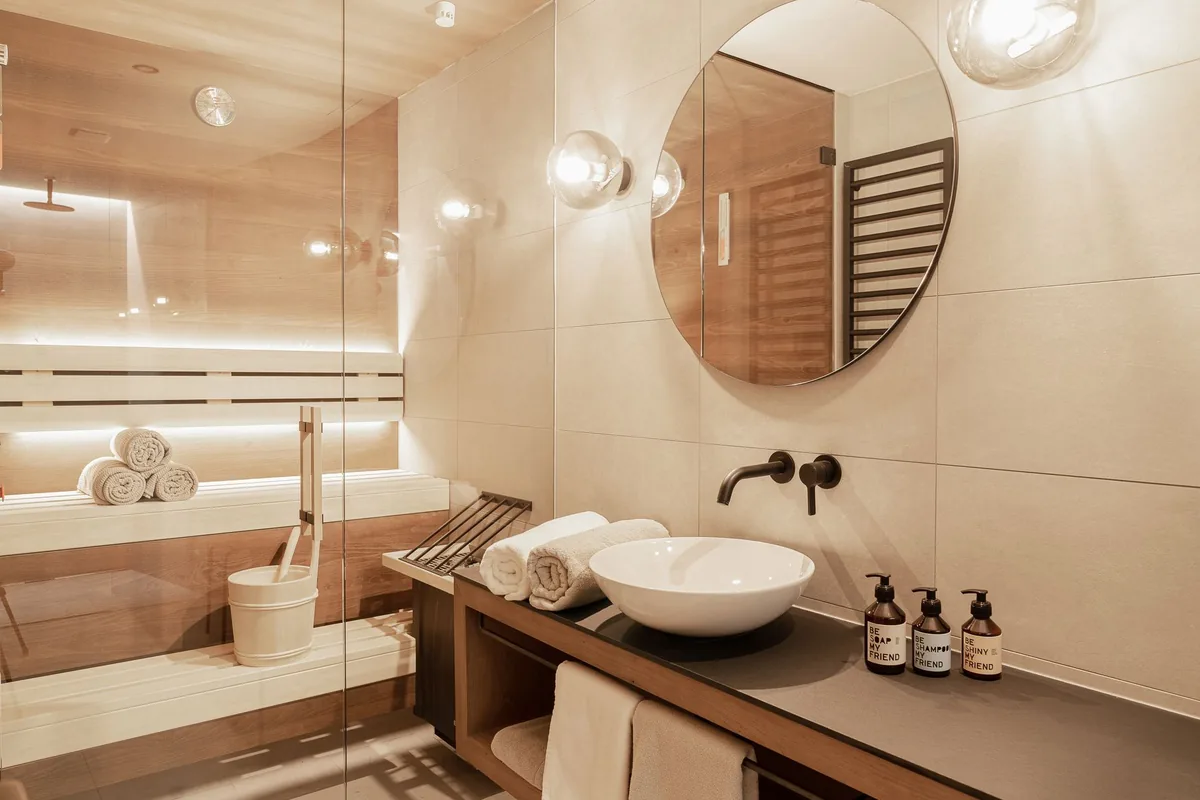
Hotels should audit descriptions, photo sequences, and listed amenities against emotional search queries to capture high-intent traffic, Lodging Magazine reported [1]. Merchandising must show how an experience feels rather than just listing square footage and logistics [1]. Operators can target emotional states such as "comfortable, cozy, relaxed" by updating descriptive text and highlighting amenities like saunas, hot tubs, balconies, and bathtubs [1]. Flight and accommodation operators can target guests seeking to feel "rested" by showcasing onboard lighting systems and sleep-supporting menus [1].

| Travel Prediction Theme | Core Traveler Metric | Commercial Opportunity for Hotels |
|---|---|---|
| Vibe Check(In) | 81% choose destinations primarily based on mood | Audit listing copy and photo sequences for emotional terms |
| Plot Twist Trip | 77% want to do something out of character | Curate novel activities and uncharacteristic local experiences |
| Hotel in the Sky | 89% would take long-haul flights if arriving rested | Promote sleep amenities, ambient lighting, and recovery menus |
| All-Exclusive Packaging | 66% want packages that exclude unused services | Unbundle rates and provide clear opt-in amenity pricing |
| Social Currency | 50% reconsider travel companions over budget differences | Provide split payments, per-person pricing, and visible inclusions |
| Sweat Synergy | 52% of solo travelers want to attend sports/fitness events | Target recurring athletic races and provide recovery F&B |
| Trailside Therapy | 47% would travel specifically to resolve a conflict | Market trail access, hiking partnerships, and quiet spaces |
Why are guests rejecting traditional all-inclusive packages?
Guests want to protect both their budgets and peace of mind by paying strictly for goods and services they use, according to Lodging Magazine [1]. Flat, all-inclusive packaging is generating guest fatigue, creating an opening for unbundled merchandising [1]. Booking.com found that 66 percent of travelers favor packages that allow them to remove services they do not expect to consume [1]. In addition, personal habits are dictating stays: 67 percent noted a health, body, or lifestyle change influenced their destination or activity choices in recent years, while 58 percent allow dietary requirements to dictate where they stay [1]. Operators can protect margins by reviewing default inclusions, stripping out underused amenities, and pricing extra services individually [1].
How is spending friction impacting group travel bookings?
Spending discrepancies are causing friction among travel companions, forcing groups to rethink who joins their trips, as outlined in Lodging Magazine [1]. Half of travelers (50 percent) have reconsidered inviting certain individuals on trips due to budget differences or spending expectations [1]. A further 51 percent reported experiencing arguments or tension during vacations because of these financial mismatches [1]. To address this friction, accommodation providers should display clear per-person pricing, itemize inclusions, and present flexible room and activity tiers [1]. Payment features that permit travelers to split totals, govern individual budgets, or select payment timing serve as key differentiators that generate incremental add-on revenue [1].
Which specialty travel niches are driving predictable demand?
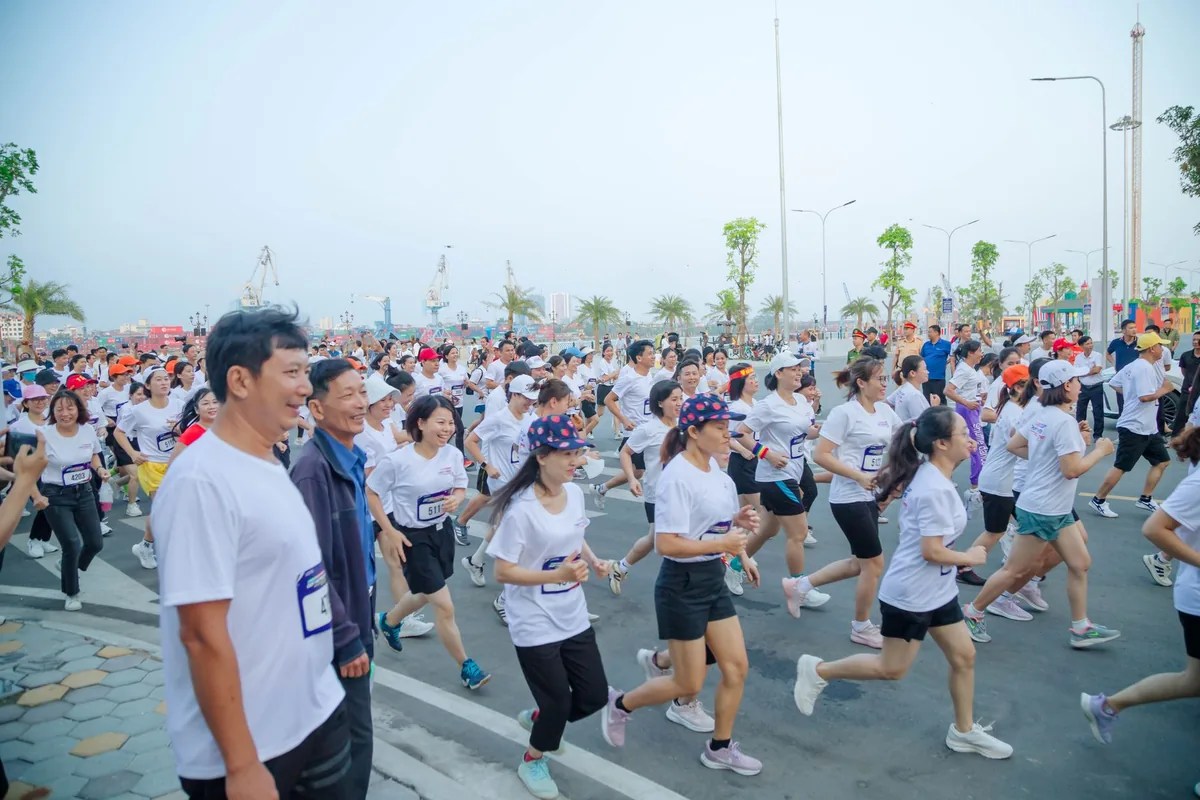
Fitness events and relationship reflection are generating two distinct, bookable demand windows for hospitality operators, according to Lodging Magazine [1]. Under the "Sweat Synergy" trend, 52 percent of solo travelers want to travel for sporting or fitness events, with 66 percent noting that shared physical exertion fosters lasting friendships [1]. Marathons and recurring endurance races deliver predictable compression for rooms, transport, and non-room revenue, such as recovery food and beverage programs [1]. Meanwhile, the "Trailside Therapy" trend showed 47 percent of travelers would consider taking a trip to resolve an argument, and 35 percent view walking or hiking together as the most effective route to hold difficult conversations [1]. Properties with hiking trail access and quiet outdoor areas can position their inventory specifically for this reflection-driven traveler base [1].
Reported by
This article was written from the following reporting. Follow the links for the original coverage.
- [1]Booking.com Report Reveals Shift to Emotion-Driven Travel— Lodging Magazine
Frequently asked
+How many travelers pick destinations based on mood?
According to Booking.com research across 28,000 travelers in 32 countries, 81 percent of travelers choose their destination primarily based on their mood rather than purely by location.
+What is the Plot Twist travel trend?
The Plot Twist trend identifies that 77 percent of travelers want to book trips specifically to experience something out of character, creating opportunities for hotels to market unconventional local activities.
+Why should hotels unbundle all-inclusive packages?
Sixty-six percent of travelers find packages appealing when they can remove services they will not use. Unbundling lowers entry price friction and lets properties generate higher add-on margins.
+How does budget friction affect group travel?
Fifty percent of travelers have reconsidered travel companions due to budget discrepancies, and 51 percent experienced conflict on trips. Providing per-person rates and split payments resolves this tension.
+What is the Sweat Synergy travel trend?
Sweat Synergy highlights that 52 percent of solo travelers want to travel for sporting or fitness events, creating predictable demand spikes for nearby hotels during endurance races and marathons.
+What is Trailside Therapy in hotel demand?
Trailside Therapy captures the 47 percent of travelers open to taking trips to resolve an argument or conflict, with 35 percent finding walking or hiking the best way to talk.
Keep reading
Our reporting

More in marketing