Ahmedabad Needs 22,000 Keys for 2030 Games
Twin cities target 40,000 hotel rooms before major sports events as Accor and Fanidhar sign luxury Sofitel development.
The short answer
Ahmedabad and Gandhinagar face a 22,000-key hotel deficit ahead of the 2029 World Police and Fire Games and 2030 Commonwealth Games. Developers and institutions are considering REIT frameworks, PPP models, and luxury builds like the 2030 Sofitel Ahmedabad to bridge the gap.
The short version
- Ahmedabad and Gandhinagar require 22,000 additional rooms to reach their 40,000-key target for 2030.
- CEPT University researchers recommend a SEBI-regulated sports hospitality REIT and TDR-plus development mechanisms.
- Accor and Fanidhar will add 2,550 square meters of MICE capacity with Sofitel Ahmedabad in 2030.
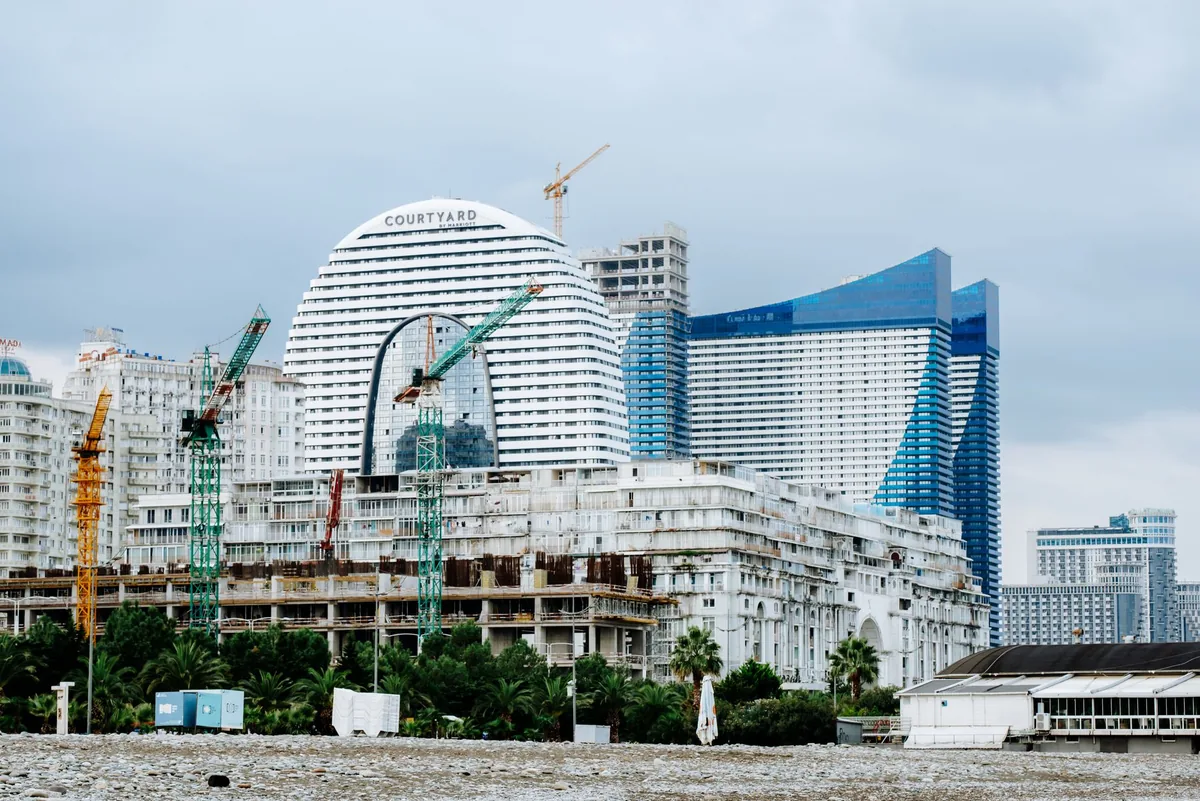
Ahmedabad and Gandhinagar require roughly 22,000 additional hotel rooms to bridge a massive capacity deficit ahead of the 2029 World Police and Fire Games and the 2030 Commonwealth Games [1]. The twin cities currently operate about 18,000 rooms, while researchers project a total demand of 40,000 keys across premium, budget, and event-focused segments [1].
What is the scale of Ahmedabad's hotel inventory deficit?
Ahmedabad and Gandhinagar possess an existing base of 18,000 hotel keys, leaving a projected shortfall of 22,000 rooms to accommodate peak event traffic [1]. According to an assessment titled “Enabling Hospitality, Tourism, and Mobility Infrastructure for CWG in Ahmedabad,” conducted at CEPT University, host operations will demand 40,000 keys [1]. Asian Hospitality reported that the assessment was prepared by CEPT Master’s in Urban Housing student Harsh Shah under the guidance of faculty members Sejal Patel and Amruta Patel, alongside teaching assistant Vidhi Mehta [1].
The study calculates that occupancy rates across boutique properties and four- and five-star hotels currently sit between 60 percent and 68 percent [1]. Despite these stable baseline occupancies, researchers identified acute supply imbalances across specific asset classes [1]. The assessment estimates a 65 percent demand-supply gap for luxury properties, a 60 percent gap for budget inventory, a 70 percent deficit in airport hospitality, and a 90 percent shortage in meetings, incentives, conferences, and exhibitions (MICE) venues [1].
Where does current room supply stand across tiers?
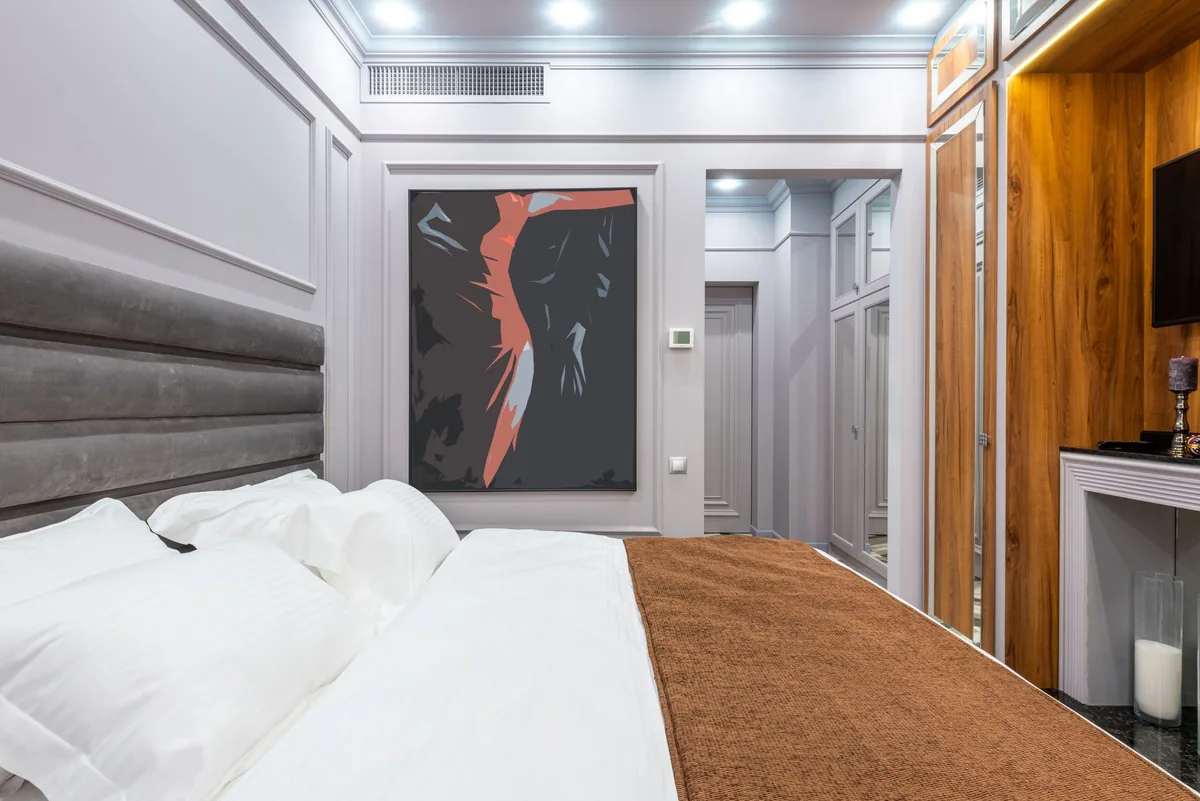
Current high-end lodging capacity remains concentrated in a small group of properties across the twin cities [1]. The CEPT University study estimates that Ahmedabad and Gandhinagar contain 3,694 keys across 22 five-star hotels and 1,557 keys across 24 four-star properties [1].
| Accommodation Tier | Property Count | Current Room Inventory | Estimated Demand Gap |
|---|---|---|---|
| Five-Star Hotels | 22 | 3,694 keys | 65% (Luxury segment) |
| Four-Star Hotels | 24 | 1,557 keys | 60%–68% base occupancy |
| Resorts | 18 | 790 keys | Not specified |
| Boutique Hotels | 16 | 620 keys | 60%–68% base occupancy |
| Airbnb Listings | 141 properties | Unspecified room count | Not specified |
| Airport Hospitality | Unspecified | Unspecified | 70% |
| MICE Venues | Unspecified | Unspecified | 90% |
Beyond four- and five-star inventory, the market holds 790 keys across 18 resorts and 620 keys in 16 boutique hotels, alongside 141 properties listed on Airbnb [1]. The remainder of the operational supply sits in three-star and lower classifications [1]. The CEPT assessment primarily examines the premium tier, where average daily rates match or exceed Rs 5,000 [1].
How are brand developers entering the market?
Commercial developers are executing independent pipeline agreements to introduce upscale supply ahead of the 2030 deadline [2]. In a separate corporate development reported by Asian Hospitality, hotel operator Accor signed an agreement with developer Fanidhar to introduce the luxury Sofitel brand to Gujarat [2].
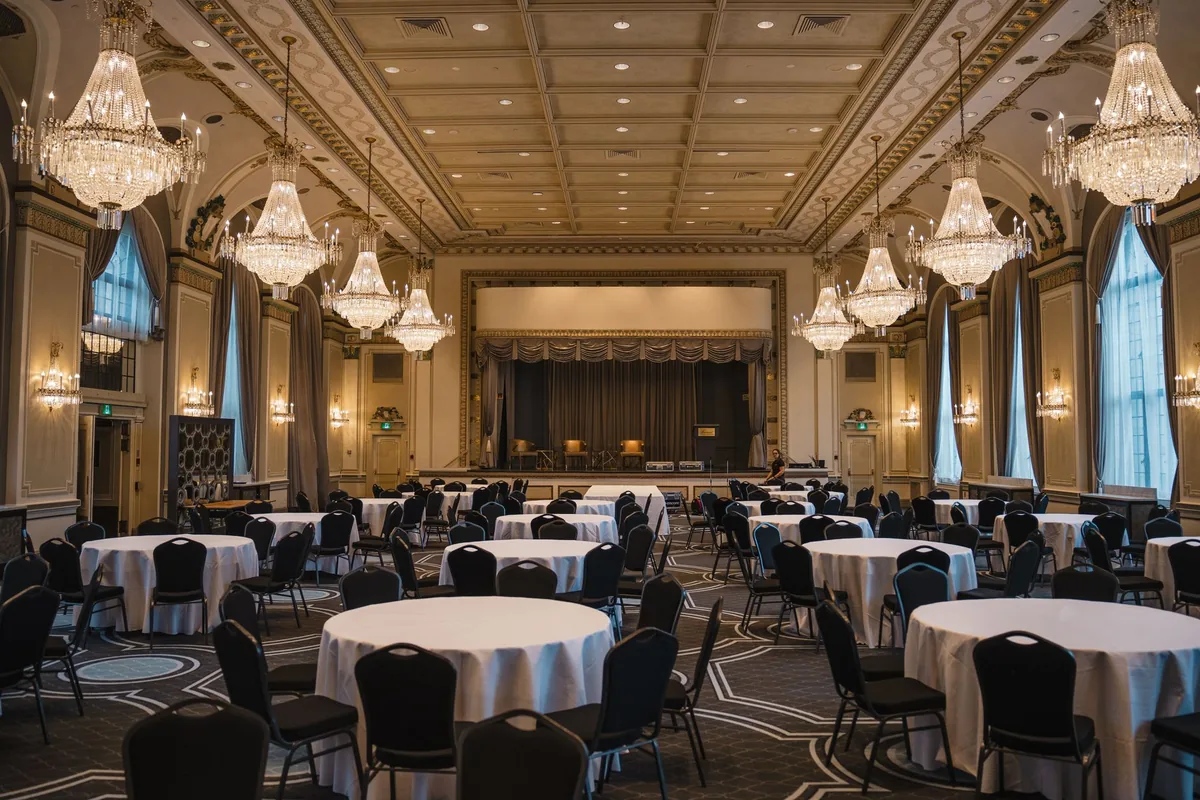
The project, named Sofitel Ahmedabad Palladium Mall Road, will stand in the Thaltej neighborhood of Ahmedabad and is scheduled to open in 2030 [2]. The development features five food and beverage outlets, a kids' club, wellness and leisure amenities, and 2,550 square meters of banquet and MICE space [2]. Fanidhar promoters Krunal Rajiv Bhai Patel, Haresh Patel, Vishal Pandya, and Kaushal Patel stated that the project targets corporate travelers, high-net-worth individuals, non-resident Indians, social events, and weddings [2]. This expansion aligns directly with the 90 percent MICE deficit identified by the CEPT study [1], [2].

What financing mechanisms could fund twin-city construction?
Bridging the remaining 22,000-key deficit will require new regulatory and financial structures rather than piecemeal commercial additions [1]. Harsh Shah proposed establishing a dedicated real estate investment trust model based on Singapore’s hospitality trusts [1]. Under this framework, the Securities and Exchange Board of India (SEBI) would establish a sports hospitality REIT classification to secure institutional funding over a five-year window [1].
For local real estate delivery, the CEPT assessment proposes Transfer of Development Rights (TDR-plus) incentives in designated municipal zones [1]. The study also advises local authorities to structure public-private partnerships to fund hotel construction [1]. Citing international precedents, CEPT University dean Sejal Patel observed that Barcelona expanded its hotel room stock by about 300 percent across five years for the 1992 Olympic Games, whereas Doha added approximately 70,000 beds in four years via public-private partnerships for the 2022 FIFA World Cup [1].
How can owners protect asset values after 2030?
Hotel investors must ensure that physical capacity built for short-term athletic competitions remains profitable during post-games commercial operations [1]. Sejal Patel emphasized that city planners and asset owners must plan hospitality infrastructure for sustained utilization once the events conclude [1].
Regional demand drivers outside major sports tournaments include corporate growth linked to GIFT City, local manufacturing expansion, and commercial aviation connectivity [2]. In separate regional pipeline activity, Avni Carnations Hotel and Resorts is constructing the 150-key Novotel Jaipur Achrol Resort & Spa in neighboring Rajasthan, reflecting ongoing regional development by international flags [2]. Without long-term absorption, overbuilding poses substantial occupancy risks once temporary event demand dissipates [1].
Reported by
This article was written from the following reporting. Follow the links for the original coverage.
- [1]Ahmedabad Needs 22,000 Hotel Keys for 2030 Games— asianhospitality.com
- [2]Accor and Fanidhar to Debut Luxury Sofitel in Gujarat— asianhospitality.com
Compare the systems named here
Frequently asked
+What is the total room requirement for Ahmedabad in 2030?
Ahmedabad and Gandhinagar need approximately 40,000 hotel keys to host the 2029 World Police and Fire Games and the 2030 Commonwealth Games. With an existing inventory of 18,000 keys, the market faces a net shortage of roughly 22,000 rooms.
+Which hotel market segments show the largest supply deficits?
The CEPT University study estimates a 90 percent supply gap for MICE venues, a 70 percent gap for airport hospitality, a 65 percent deficit for luxury properties, and a 60 percent gap for budget inventory across the twin cities.
+What luxury hotels are currently under development in Ahmedabad?
Accor and developer Fanidhar are developing the Sofitel Ahmedabad Palladium Mall Road in Thaltej. Scheduled to open in 2030, the property will provide five food and beverage outlets and 2,550 square meters of banquet and MICE space.
+How do researchers propose funding hotel construction in Gujarat?
Researchers propose creating a dedicated sports hospitality REIT category regulated by SEBI, modeled after Singapore hospitality trusts. Local recommendations also include public-private partnerships and municipal TDR-plus mechanisms in selected development zones.
+How many five-star hotel rooms currently operate in Ahmedabad and Gandhinagar?
The twin cities have 3,694 hotel rooms across 22 five-star properties, alongside 1,557 rooms across 24 four-star properties, 790 keys in 18 resorts, and 620 keys in 16 boutique hotels.
Keep reading
Our reporting

More in finance