Hospitality leaders met with President Donald Trump to advocate for policies driving international tourism following the 2026 World Cup. The U.S. Travel Association set a target of 100 million annual foreign visitors by 2030 to unlock $81 billion in spending.
Key Takeaways
1Hotel CEOs from Hilton, Marriott, and MGM urged Trump to ease visa barriers and boost international inbound travel.
2The U.S. Travel Association set a goal of 100 million annual international visitors by 2030, which could add 400,000 jobs.
3Hotels gained stronger-than-expected performance from the 2026 World Cup, building momentum ahead of the 2028 LA Olympics.
With hotel employment down 10% from pre-pandemic levels, research shows that 42% of turnover is preventable through leadership practices like predictable scheduling and psychological safety. Effective retention strategies require building trust, transparent communication, and coaching rather than relying solely on wage increases.
Key Takeaways
165% of hotels report staffing shortages despite higher wages and expanded benefits.
2Gallup research indicates that 42% of voluntary employee turnover is preventable with better management.
3Predictable shift scheduling and open 15-minute clarity meetings directly reduce employee burnout and turnover.
The General Services Administration announced that standard federal per diem lodging rates will increase by $3 to $113 per night starting October 1, 2026. The American Hotel & Lodging Association applauded the rate adjustment, noting it better reflects rising operational costs for hoteliers.
Key Takeaways
1Standard continental U.S. lodging per diem increases by $3 to $113 per day starting October 1, 2026.
2Standard meals and incidental expenses allowance remains flat at $68 per day.
3AHLA endorsed the decision, citing the necessity of market-based rates to sustain hotel operating costs.
A new Skift Research survey reveals that bank and credit card loyalty programs have surpassed hotel and airline schemes as the most rewarding for travelers. Hotels now rank second in consumer preference, facing stiff competition for direct customer relationships from financial institutions.
Key Takeaways
1Credit card and bank programs ranked most rewarding by 32% of surveyed travelers
2Hotel loyalty programs placed second at 26%, while airlines trailed at 20%
3Online travel agencies fell far behind, earning just 8% of traveler preference
The U.S. hotel industry recorded its 20th consecutive week of year-over-year growth, driven by a 1.7% rise in RevPAR despite a calendar-shift slowdown. San Francisco led performance surges among top markets, while New Orleans experienced the steepest declines.
Key Takeaways
1U.S. RevPAR reached $100.69, lifted by a 1.1% gain in occupancy and a 0.6% increase in ADR.
2San Francisco RevPAR surged 59.9% to $191.87, boosted by the Pokémon World Championships.
3New Orleans saw the sharpest RevPAR drop (-18.4%), while New York posted a 12.3% drop in ADR.
Constellation Hotels has appointed former Six Senses CEO Neil Jacobs to lead its newly established luxury hospitality management company. Jacobs will oversee a global operating brand anchored by landmark properties including The Connaught, The Berkeley, and The Emory.
Key Takeaways
1Neil Jacobs named CEO of Constellation's new luxury management division
2The entity will manage assets including The Connaught and upcoming sites in Paris and Marrakech
3Management takeover of London properties begins as existing third-party contracts conclude
IHG Hotels & Resorts has debuted the 685-room Crowne Plaza Manhattan Times Square as its new Americas flagship property. Owned by ARTIC and managed by Highgate, the 22-story hotel targets blended-travel demand with redesigned public spaces and elevated F&B.
Key Takeaways
1Features 685 guestrooms, the Fifty-First Street Social bar and restaurant, and 24/7 grab-and-go options.
2Owned by Al Rayyan Tourism Investment Company (ARTIC) and operated by Highgate in a converted 1964 landmark building.
3Crowne Plaza currently has more than 400 open hotels globally and a pipeline of nearly 150 properties, representing a 35% footprint expansion.
Surging demand for the upcoming BRICS Summit in Delhi has caused local room rates to jump by up to 325% amid tightening supply. High-end central properties, including Hyatt Regency and Taj Palace, are near total sellouts as premium inventory is squeezed.
Key Takeaways
1Rates across central Delhi properties have risen between 124% and 323% for the September 12-13 summit dates.
2Hyatt Regency New Delhi rates reached $884 per night before taxes, up from $206 the following weekend.
3Major luxury hotels like ITC Maurya, The Oberoi, and Taj Palace have effectively sold out around the Bharat Mandapam venue.
Hospitality brands are shifting from isolated spa retreats toward hybrid models that embed fitness, nutrition, and social wellness across the entire guest stay. Driven by younger travelers who account for 41% of global wellness spending, developers are expanding facilities to several thousand square meters.
Key Takeaways
1Millennials generate 41% of global wellness spending, driving demand for integrated health amenities over standalone spas
2Luxury operators are expanding wellness square footage to support social saunas, recovery tech, and destination fitness
3Executives warn against 'well-washing', advising developers to avoid short-term fads in real estate development
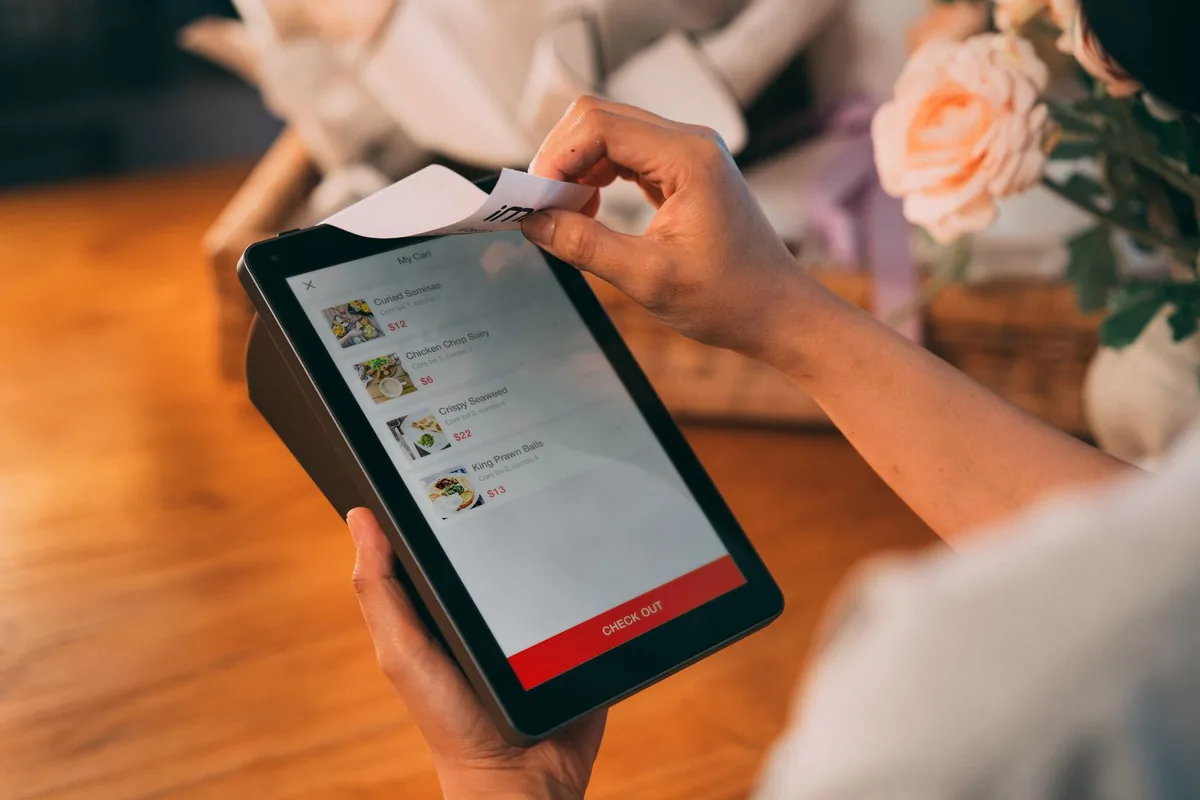
Mews has launched its integrated POS system across the U.S. and Canada, while Borgata Hotel Casino & Spa in Atlantic City has commenced a $107 million tower renovation. Meanwhile, Hotel Equities expanded its footprint in Texas by taking over management of three Austin hotels.
Key Takeaways
1Mews POS launched in the U.S. and Canada to unify PMS, payments, and F&B operations into a single interface.
2MGM Resorts' Borgata began a $107 million redesign of guest rooms, suites, and the lobby with modern Italian finishes.
3Hotel Equities partnered with Lodgic Hospitality to manage a three-hotel portfolio in Austin, Texas.
Lighthouse has launched Ernest Crews, dedicated specialist teams that embed directly with hotel companies to integrate its commercial AI agent in 30 to 60 days. The service aims to bridge the adoption gap by tailoring AI automations and workflows to each property's specific tech stack.
Key Takeaways
1Ernest Crews embed four specialists to customize and deploy AI workflows within 30 to 60 days.
2The initiative addresses data showing only 10% of hospitality leaders feel prepared for AI adoption.
3Early adopter Viceroy Hotel Group reported instant access to commercial data and owner reporting.
Analytics cookies.
We count visits either way — anonymously, with no IP stored. Accepting also lets
Google Analytics measure how the site is used. No advertising cookies, ever.
Privacy policy.
Get the briefing when it lands
One notification a day, the moment the edition publishes. No email needed.