World Cup 2026 Drives 60% Revenue Surge for US Short-Term Rentals
Short-term rental operators in World Cup host cities saw income jump 60 percent year over year, with broadly permitted markets experiencing the largest gains.
The short answer
Short-term rental operators in U.S. World Cup host cities experienced a 60 percent year-over-year revenue increase in June 2026. Markets with lenient rental regulations, such as Miami and Kansas City, saw income spike by more than 600 percent.

The short version
- Baselane reported a 60 percent year-over-year revenue increase for short-term rentals in 11 U.S. host cities.
- Miami led all markets with a 709 percent revenue spike, followed by Kansas City at 607 percent.
- Highly regulated markets like New York and Los Angeles saw only an 18 percent income increase despite the event.
The 2026 FIFA World Cup boosted short-term rental income in U.S. host cities by 60 percent year over year in June, compared to an 11 percent increase in non-host markets. Platforms in cities with lenient rental regulations saw income spike up to 421 percent, while highly regulated markets recorded much smaller gains.
How did the tournament affect overall host market revenues?
Overall short-term rental payouts in the 11 U.S. host markets surged 79 percent from May to June 2026. According to Hotel Online, this month-over-month growth exceeded both non-host market performance and the typical seasonal increases recorded during the exact same period in 2025. The data, compiled by real estate banking platform Baselane, tracked operators active in both June 2025 and June 2026. While non-host markets still grew, their 11 percent year-over-year increase paled in comparison to the 60 percent jump experienced by hosts operating in tournament cities.
The findings reflect customer payout transactions processed from major booking and property management platforms. The analysis included data from Airbnb, Vrbo, Booking.com, Expedia, Guesty, Hospitable, Lodgify, and Cloudbeds. Baselane, which serves more than 50,000 independent real estate investors who process over $3.7 billion annually, noted that the results reflect activity among its specific user base rather than the entire U.S. rental market.
Which cities recorded the highest income growth?
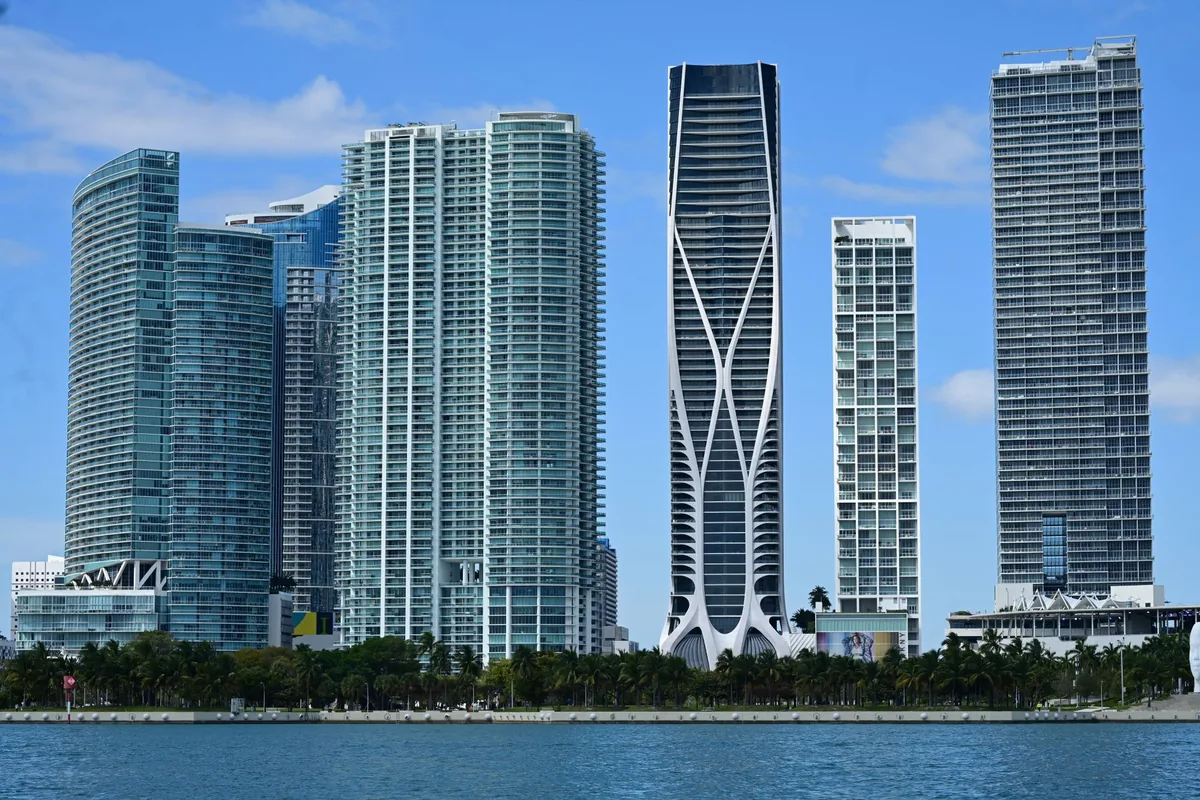
Miami led all host cities with a year-over-year revenue increase exceeding 709 percent between May and June 2026. Kansas City and Dallas-Fort Worth followed closely, posting gains of over 607 percent and 587 percent, respectively. Travel Agent Central reported that the financial impact varied drastically depending on the specific host market. While southern and midwestern cities saw massive spikes, coastal cities with stricter housing rules saw more muted growth. Los Angeles recorded the lowest increase among host cities at just 12 percent.
| Host City | Year-Over-Year Income Increase (May-June 2026 vs 2025) |
|---|---|
| Miami | 709%+ |
| Kansas City | 607%+ |
| Dallas-Fort Worth | 587%+ |
| Atlanta | 219%+ |
| Houston | 214%+ |
| San Francisco Bay Area | 156%+ |
| Seattle | 69%+ |
| Philadelphia | 68%+ |
| Boston | 45%+ |
| New York/New Jersey | 23%+ |
| Los Angeles | 12%+ |
How much did individual property operators earn?
Individual operators reported earning up to 13 times their standard monthly income during the four-week tournament window. The surge was driven by stronger demand, with both booking activity and total revenue climbing well above typical levels. Hotel Online highlighted an Atlanta host with a single rental property who generated approximately $16,000 during the four weeks of the tournament. This same property normally yields roughly $1,200 in a typical month.
In Kansas City, an owner operating three local properties took in roughly $13,900 during the tournament period. This figure represents about seven times the property owner’s normal monthly pace. A larger operator in Dallas-Fort Worth, managing nine properties—seven of which are located in the Dallas-Fort Worth area—generated approximately $25,000 during the window. In a typical month, this operator makes roughly $11,000.
The highest raw revenue figure reported came from a professional operator in Seattle. Managing 23 units, including 14 within Seattle, this operator generated approximately $216,000 over the four weeks. This represents a massive jump from their typical monthly income of approximately $81,000.
What role did local regulations play in financial outcomes?
Local regulations directly determined how much of the tournament-driven demand property owners actually captured. Baselane’s analysis indicates that visitor demand alone does not dictate the financial impact of a major event. Instead, the availability of legal short-term rental inventory dictates how broadly the economic opportunity reaches local property owners.

In host markets where short-term renting is broadly permitted, income increased 421 percent compared with June 2025. Markets enforcing moderate restrictions saw a 75 percent increase. Meanwhile, highly regulated markets, which include New York, Los Angeles, and Boston, experienced only an 18 percent increase.
Mathias Korder, CEO at Baselane, explained the disparity. “The strongest gains are concentrated in markets where visitor demand is high and short-term rental activity is more broadly permitted, while highly regulated cities are seeing a much smaller lift,” Korder said.
How should owners evaluate this sudden revenue spike?
Owners must analyze whether this lift represents a one-time event or a longer-term investment opportunity. The sudden influx of capital requires operators to look beyond the top-line revenue numbers to understand the true profitability of the period.
Korder emphasized that financial visibility is critical for operators experiencing these massive spikes in demand. “Owners need to understand not just that revenue increased, but where the gains came from, how costs changed, and whether the lift reflects a one-time event or a longer-term investment opportunity,” he said.
The data originates from Baselane, a financial technology company and real estate banking platform. The company integrates bookkeeping, tax reporting, and rent collection for its users, allowing for a detailed view of how the 2026 FIFA World Cup altered the financial realities for hosts across the country.
Reported by
This article was written from the following reporting. Follow the links for the original coverage.
- [1]World Cup Drives 60% Revenue Lift for U.S. Short-Term Rentals— hotel-online.com
- [2]World Cup Drives 60% Short-Term Rental Revenue Surge— travelagentcentral.com
Frequently asked
+How much did short-term rental revenue increase in World Cup host cities?
Short-term rental income across 11 U.S. host markets increased 60 percent year over year in June 2026, compared to an 11 percent increase in non-host markets.
+Which U.S. city saw the highest short-term rental revenue growth during the World Cup?
Miami recorded the highest growth, with short-term rental income increasing more than 709 percent between May and June 2026 compared to the same period in 2025.
+How did local regulations affect short-term rental earnings during the tournament?
Markets where short-term renting is broadly permitted saw income increase 421 percent. In contrast, highly regulated markets like New York, Los Angeles, and Boston saw only an 18 percent increase.
+How much did month-over-month payouts increase for hosts in tournament cities?
Hosts in tournament cities experienced a 79 percent increase in short-term rental payouts from May to June 2026.
+Where did the data for this short-term rental analysis come from?
The data came from Baselane, a banking and bookkeeping platform for real estate investors, which analyzed customer payout transactions from platforms like Airbnb, Vrbo, Booking.com, and Expedia.
Keep reading
Our reporting


More in finance