Why Static Smart Thermostats Fail Against Surging Hotel Power Rates
Fixed HVAC schedules leave hotels exposed to utility demand spikes and grid volatility as AI data centers drive up power costs.
The short answer
Outdated, static smart thermostat schedules fail to adjust for dynamic check-ins and grid peak alerts. Properties that recalibrate HVAC systems around real-time occupancy and power prices avoid costly demand ratchets.
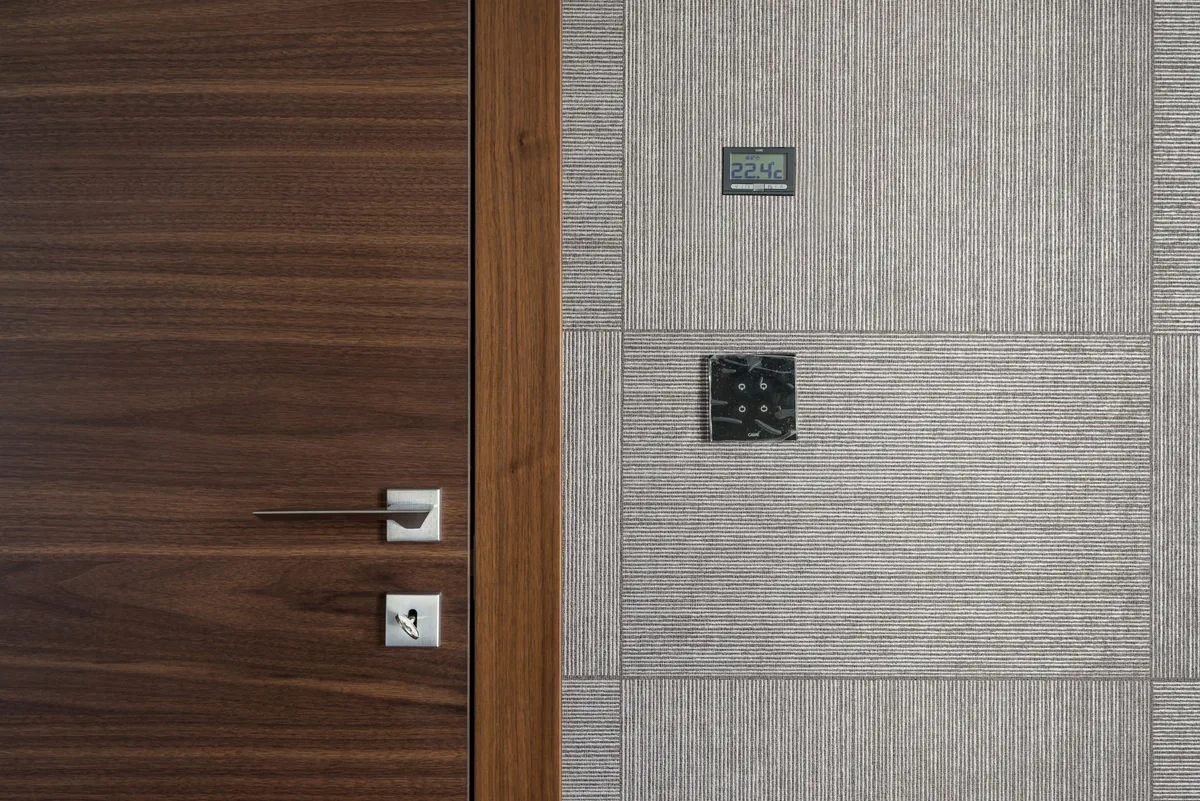
The short version
- Guestroom HVAC accounts for over a third of overall hotel energy spending.
- Over 90 percent of U.S. hotels still lack automated guestroom energy management controls.
- Northern Virginia wholesale power prices spiked past $2,000 per megawatt-hour over the Fourth of July weekend.
Static smart thermostats fail to shield hotels from surging utility costs because they operate on rigid schedules set years earlier rather than responding in real time to fluctuating weather, dynamic guest check-ins, and utility peak demand alerts. When power rates spike, these uncalibrated systems run full HVAC loads, exposing properties to severe utility demand penalties [1].
Why are set-and-forget thermostat schedules failing modern hotels?
Static programming cannot keep pace with an operation where guests check in and out all day and weather patterns shift continuously [1]. Lodging Magazine reported that the traditional "set it and forget it" philosophy works well for cooking dinner, but no longer works for modern hotels [1]. For decades, electricity stood as one of the most predictable expenses on a property's profit-and-loss statement [1]. Operators established setback rules once and allowed automated programs to run uninterrupted [1].
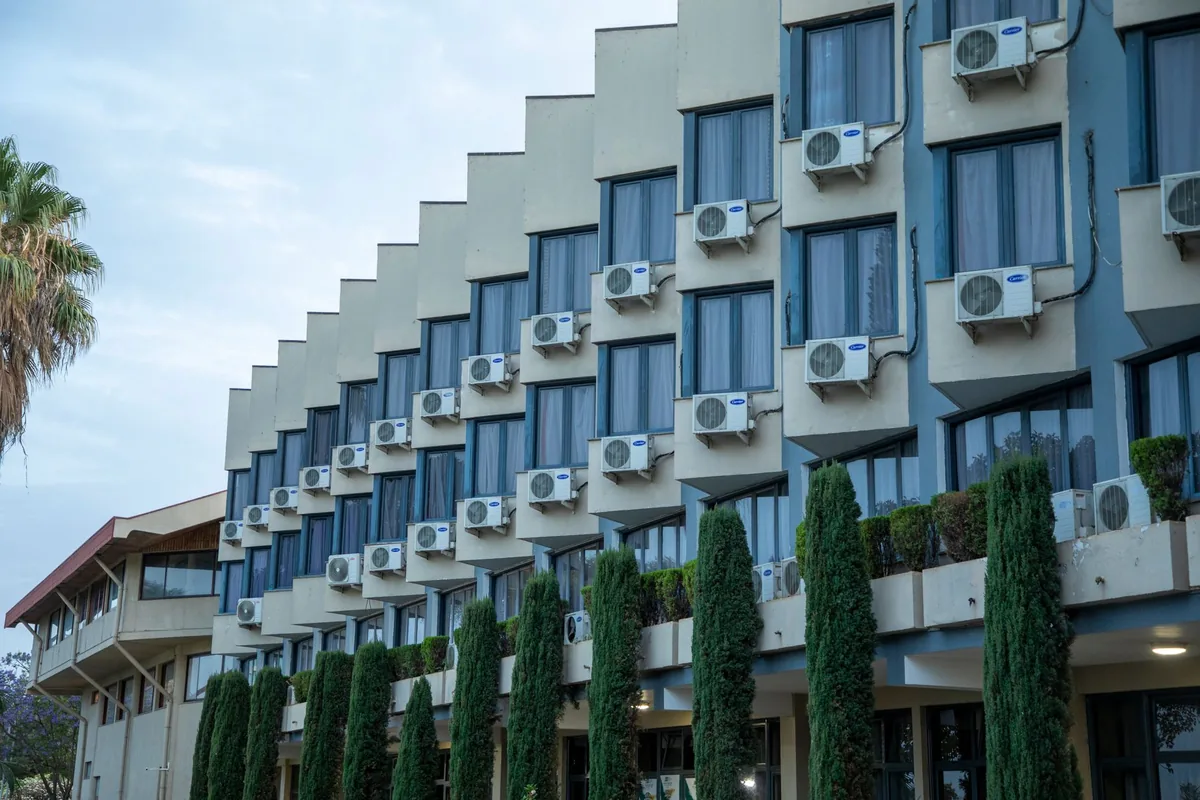
Today, pricing conditions have completely diverged from those historical baselines [1]. According to Lodging Magazine, wholesale electricity rates in Northern Virginia jumped from a normal baseline of roughly $40 per megawatt-hour to more than $2,000 per megawatt-hour over the Fourth of July weekend as the nation celebrated its 250th anniversary [1]. Northern Virginia hosts the highest concentration of artificial intelligence data centers worldwide, creating severe grid strain [1]. While such wholesale price surges do not appear directly on monthly invoices the next morning, recurring grid limitations filter into future hotel bills as elevated supply, transmission, capacity, and demand charges [1].
What does heating and cooling empty hotel rooms cost the industry?
Guestroom heating, ventilation, and air conditioning represents over a third of overall hotel energy expenses, hitting properties that already face high operational baselines [1]. Lodging Magazine documented that average yearly energy costs exceed $3,000 per available room [1]. Across the nearly 5.7 million hotel rooms operating in the United States, unmanaged power usage tied up in empty spaces reaches billions of dollars [1].

Fewer than 10 percent of hotels nationwide have installed guestroom energy management controls and smart thermostats to avoid conditioning unoccupied space around the clock [1]. Yet even among this minority, many teams neglect to update setback schedules to match actual occupancy patterns [1]. More than 90 percent of hotels nationally operate without any automated guestroom energy controls whatsoever, cooling and heating vacant rooms constantly [1].
| Metric | Industry Value | Operational Context |
|---|---|---|
| Average Annual Energy Cost | Above $3,000 | Per available room in the United States [1] |
| Guestroom HVAC Share | Over a third | Portion of total hotel energy spending [1] |
| Adoption of Guestroom Controls | Under 10% | Hotels with smart thermostats installed [1] |
| Hotels Lacking Controls | Over 90% | Properties without automated setback controls [1] |
| Wholesale Power Surge Example | Past $2,000 / MWh | Northern Virginia peak vs. typical $40 / MWh [1] |
| US Guestroom Inventory | Nearly 5.7 million | Total domestic hotel room count [1] |
How does a peak demand event impact a 200-room property?
A property running static schedules absorbs severe utility penalties because it cannot react when grid stress peaks [1]. Consider a 200-room hotel during a hot August afternoon [1]. An electric utility broadcasts an emergency peak alert at 2 p.m. [1]. A property stuck on a fixed schedule remains unaware of the alert, runs full cooling cycles, and only discovers the financial consequence weeks later when the utility issues its demand charge [1].
By contrast, an operation that tracks occupancy, weather forecasts, and direct grid alerts takes preventive action [1]. As Lodging Magazine highlighted, the building pre-cools rooms prior to the 2 p.m. alert window and eases HVAC load during the peak period [1]. This dynamic response protects guest comfort inside the rooms while avoiding expensive utility demand ratchets on the operating statement [1].
Which geographic markets face the steepest energy pressures?
Hotels situated in Hawaii, California, New York, and New England operate within the country's most expensive utility markets [1]. Power grids in these areas encounter high baseline rates alongside expanding power requirements driven by data center development [1]. The price volatility observed in Northern Virginia provides a clear preview of the cost conditions spreading toward other major hospitality markets [1].
Engineering and management teams frequently focus solely on guest experience while leaving underlying HVAC pricing assumptions untouched for years [1]. Lodging Magazine noted that failing to review these assumptions allows guest operations to quietly erode hotel profitability [1]. Moving forward, competitive properties will monitor rooms continuously, using electricity intelligently to react to live occupancy, weather variations, and utility signals rather than relying on historical thermostat timers [1].
Reported by
This article was written from the following reporting. Follow the links for the original coverage.
- [1]Outdated HVAC Controls Cost Hotels Millions as Energy Rates Surge— Lodging Magazine
- [2]Static Smart Thermostats Cost Hotels Millions in Surging Energy Costs— Lodging Magazine
Frequently asked
+Why is the set-it-and-forget approach to hotel thermostats failing?
Fixed schedules cannot adjust to dynamic guest check-ins, changing weather, or grid stress alerts. When utility rates spike or peak alerts are triggered, properties on static schedules run full HVAC cycles, incurring heavy utility demand penalties.
+What proportion of hotel energy expenses comes from guestroom HVAC?
Guestroom heating and cooling typically accounts for over a third of a hotel's total energy spend, against an average yearly cost exceeding $3,000 per available room.
+How many hotels in the United States currently use guestroom energy controls?
Fewer than 10 percent of U.S. hotels have installed guestroom energy controls and smart thermostats. Over 90 percent of properties still lack any automated controls to prevent heating and cooling empty rooms.
+How does dynamic HVAC control protect a 200-room hotel during a peak demand alert?
During an alert such as a 2 p.m. utility peak, an integrated system pre-cools guestrooms beforehand and eases cooling loads during the event window. This preserves guest comfort while avoiding costly peak demand surcharges.
+Which regions face the highest electricity market pressures in the United States?
Hotels in Hawaii, California, New York, and New England face some of the nation's most expensive utility rates, with pressures intensifying due to regional grid demand and data center growth.
Keep reading
Our reporting


More in operations