Soft Brands vs Hard Flags: Why Hotel Owners Choose Flexibility
Hotel developers turn to soft brands for distribution scale and loyalty reach without the rigid operational prototypes of hard flags.
The short answer
Hotel owners are choosing soft brand collections over hard flags to retain unique property designs while capturing global loyalty distribution. The model offers lower fees and faster onboarding but requires stronger operational and marketing capabilities at the property level.
The short version
- Choice Hotels and BWH Hotels report increased developer interest in soft brands due to shifting Millennial and Gen Z guest preferences.
- BWH Hotels highlights faster conversion timelines and lower onboarding fee structures compared to hard brand prototypes.
- Choice Hotels requires Ascend Collection and Radisson Individuals owners to submit a clear identity narrative before opening.
Hotel owners choose soft brands over hard flags because they provide lower fees, faster conversion timelines, and architectural individuality while retaining parent brand distribution systems, loyalty programs, and lender credibility. This hybrid model protects asset distinctiveness without forcing properties to absorb the high costs and customer acquisition risks of fully independent operations [1].
Why Are Developers Shifting Away From Traditional Hard Flags?
Developers are moving away from traditional hard flags because modern travelers, particularly Millennials and Gen Z, prioritize unique, local guest experiences over standard prototypes [1]. According to Lodging Magazine, Choice Hotels International executives note that operating as a purely independent asset is increasingly costly due to technology, customer acquisition, and distribution overhead [1]. Soft brands serve as a middle path, delivering lower fee structures and quicker property onboarding [1].
Amy Hulbert, vice president of boutique and upscale brands at BWH Hotels, noted that soft brands offer agility during conversions, bringing assets to market faster than new-build hard flags [1]. Furthermore, Megan Brumagim, vice president of upscale brands at Choice Hotels International, explained that parent brand affiliation preserves credibility with lenders, development partners, and investors while allowing owners creative license [1].
| Property Name | Soft Brand Collection | Parent Company | Defining Distinctive Features |
|---|---|---|---|
| Hotel Lulu | BW Premier Collection | BWH Hotels | Entrance with architectural blue swoop and playful lobby near Disneyland [1] |
| Egyptian Motor Hotel | BW Signature Collection | BWH Hotels | Classic Route 66 roadside motel with iconic palm tree neon sign [1] |
| The Inn at Lewisburg | BW Signature Collection | BWH Hotels | Former Best Western property in Lewisburg, Pennsylvania renovated to drive ADR [1] |
Which Property Types Fit Soft Brand Collections Best?
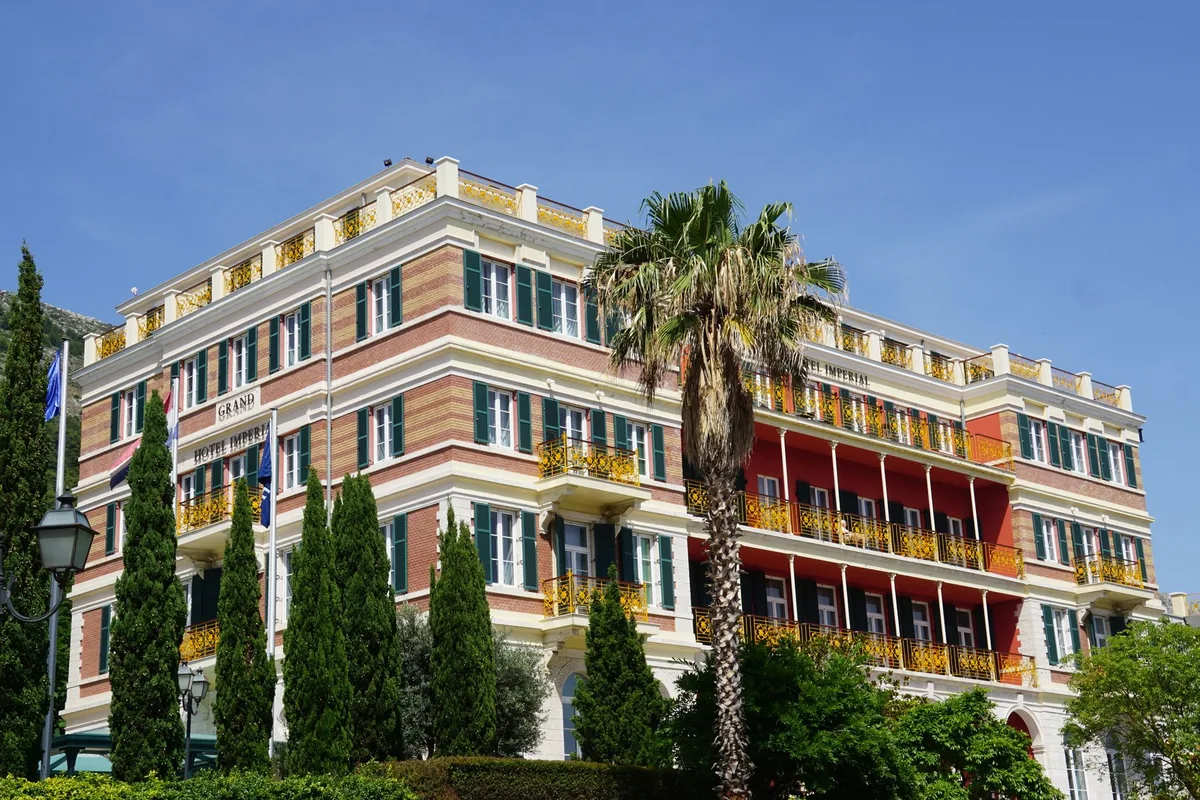
Properties with inherent architectural character, history, or a defined location narrative benefit most from soft branding [1]. As Lodging Magazine reported, properties with unique designs would lose value if forced into a rigid brand prototype [1]. Choice Hotels requires properties entering its Ascend Collection or Radisson Individuals to establish a clear identity narrative prior to opening [1].
Assets that are generic can still join soft platforms, but Choice Hotels indicates that these properties require more intentional capital investment to build an identity [1]. BWH Hotels and Choice Hotels both deploy architecture, design, and dedicated consulting teams early in the development pipeline to ensure physical spaces align with the property's concept [1].
What Operational Support Do Parent Chains Provide Soft Brands?
Parent hotel chains provide property management system integration, global distribution channels, and central loyalty program access to soft-branded properties [1]. Lodging Magazine detailed that parent brands also offer area directors for local field support alongside national sales outreach [1]. Choice Hotels provides "touchstones," which are guest-facing moments designed to reinforce the property story [1].

BWH Hotels provides consultation spanning food and beverage concepts, experiential programming, and local community integration rather than imposing uniform operational templates [1]. This hands-on advisory framework helps owners execute custom boutique concepts while utilizing established enterprise infrastructure [1].
What Risks and Trade-Offs Do Owners Face With Soft Brands?
Soft brand ownership shifts the primary burden of marketing, brand execution, and demand generation onto property-level operators [1]. Without a standardized corporate playbook, owners must have internal creative and operational capability [1]. In addition, Lodging Magazine reported that national marketing funds support hard brands more directly, leaving soft-branded hotels more reliant on localized demand generation [1].
Brumagim issued a warning to investors that certain soft brands in the market are enforcing rigid standards that resemble traditional flags [1]. Owners must audit brand agreements closely during negotiations to evaluate the true operational autonomy granted by each soft collection [1].
Reported by
This article was written from the following reporting. Follow the links for the original coverage.
- [1]Why Hotel Owners Choose Soft Brands Over Hard Flags— Lodging Magazine
Frequently asked
+Why do owners choose soft brands instead of remaining independent?
Operating as a pure independent hotel creates high customer acquisition and distribution costs. Soft brands give owners access to global distribution engines, loyalty programs, and lender credibility without forcing them to adopt standard hard-flag prototypes.
+How do soft brands impact hotel conversion speed and costs?
Soft brands provide greater development agility, enabling owners to onboard existing properties faster and with lower fees than traditional hard-flag build requirements.
+What support do parent brands offer soft-branded hotels?
Parent companies connect soft-branded hotels to property management systems, loyalty programs, and distribution networks while offering guidance on food and beverage, experiential programming, and interior design.
+What marketing obligations fall on soft-branded hotel operators?
Unlike hard brands that rely heavily on centralized national marketing campaigns, soft-branded hotels must fund and execute localized marketing to establish their specific property identity and drive demand.
+Are all soft brand collections equally flexible for owners?
No. Brand executives note that some soft brands have introduced tighter requirements that resemble hard flags. Owners must examine brand contracts to ensure operational flexibility matches expectations.
Keep reading
Our reporting

More in operations