US Plans Mass Revocation of 200,000 Visitor Visas
Trump administration targets B1 and B2 visas tied to asylum claims in the largest mass revocation in American history.
The short answer
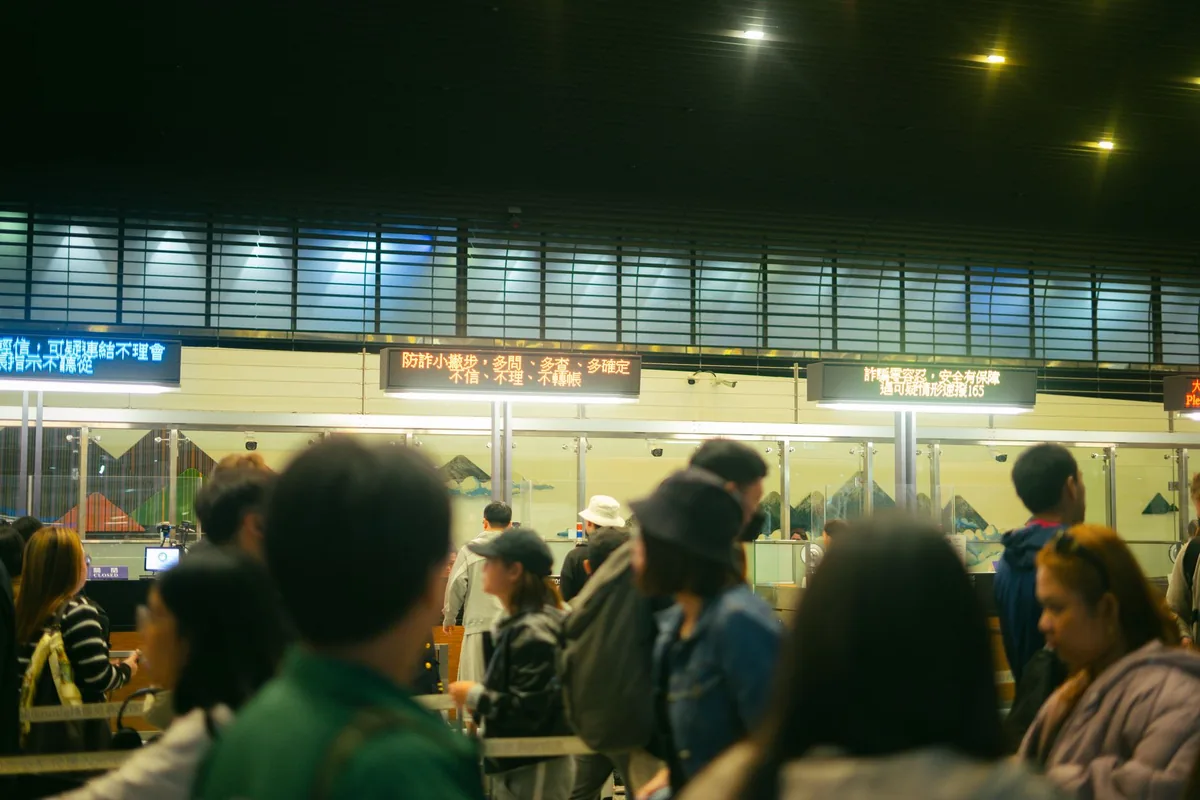
The Trump administration is launching the largest mass visa revocation in U.S. history, targeting up to 200,000 visitor visas held by asylum seekers. The rolling action focuses on B1 and B2 visas issued between 2016 and 2026.
“We are coordinating with DHS to identify and revoke the nonimmigrant visas of foreigners who have come to the United States claiming to be short-term visitors, but then file for asylum to stay here permanently”
The short version
- The Trump administration plans to revoke up to 200,000 B1 and B2 visas held by foreign nationals who applied for U.S. asylum.
- India issued 70,903 visitor visas in September 2025, and reports indicate more than 70,000 Indian nationals could be affected by the policy.
- State Department reviews over the past 18 months have already resulted in more than 175,000 visa cancellations across 55 million screened records.
The Trump administration plans to revoke up to 200,000 business and tourist visas held by foreigners who applied for asylum after entering the United States, marking the largest mass visa revocation in U.S. history [1]. Coordinated by the State Department and the Department of Homeland Security, the rolling cancellations target B1 and B2 nonimmigrant visas issued between 2016 and 2026 [1].
What visas are targeted under the mass revocation plan?
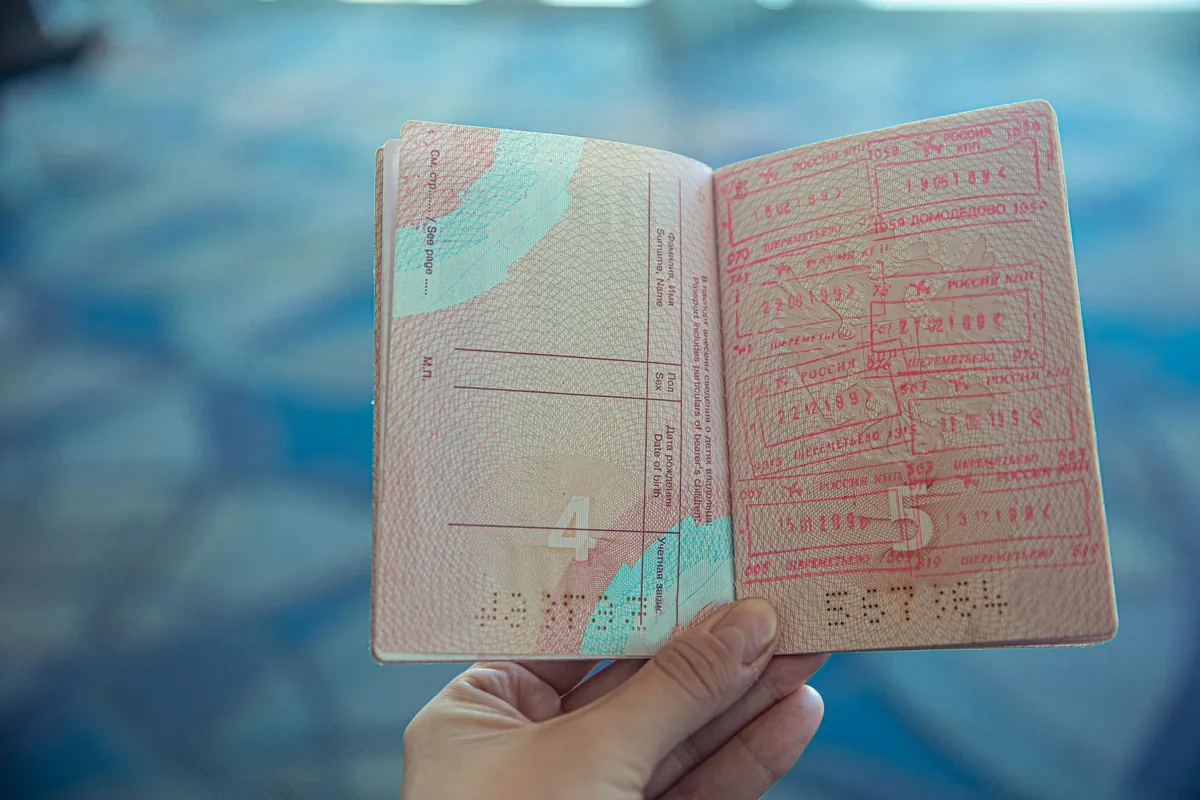
The revocation initiative targets nonimmigrant B1 business and B2 tourist visas issued between 2016 and 2026 to individuals who have sought or are currently seeking asylum in the United States, Asian Hospitality reported [1]. B1 visas allow entry for temporary business travel, while B2 visas cover tourism, family visits, and medical treatment [1]. State Department documents reviewed by The Associated Press show that federal officials intend to cancel these visitor credentials because applicants are required to prove nonimmigrant intent and affirm that they will not seek asylum before entering the country [1].
Deputy Secretary of State Christopher Landau defended the measure on social platform X, stating that asylum procedures should not serve as an avenue to bypass standard immigration rules [1]. State Department spokesman Tommy Pigott confirmed that federal agencies are actively coordinating to identify travelers who entered on short-term visitor permits but subsequently filed for permanent protection [1].
Does visa cancellation mean immediate deportation?
Cancellation of a visitor visa will not automatically result in immediate deportation for affected travelers [1]. Federal officials stated that many individuals with pending asylum petitions will instead be recategorized, losing their B1 or B2 nonimmigrant visa status while their asylum cases proceed through the immigration system [1].
The White House confirmed on X that the administration plans to execute the cancellations on a rolling basis across the targeted pool of up to 200,000 visa holders [1]. However, The Associated Press noted that internal records do not specify exactly how many total B1 and B2 visa holders covered by the 2016 to 2026 window have active or past asylum filings [1].
| Visa Category / Immigration Policy Measure | Targeted Group or Scope | Reported Volume / Detail |
|---|---|---|
| B1/B2 Visitor Visa Revocations | Foreigners entering on visitor visas who filed for asylum (2016–2026) | Up to 200,000 visas |
| Prior 18-Month Visa Revocations | Reviews for crimes, fraud, violations, violence, national security | Over 175,000 visas |
| Student Visa Revocations (Jan–Aug 2025) | Foreign students targeted under immigration crackdowns | More than 6,000 visas |
| Indian Visitor Visas Issued (September 2025) | Indian nationals receiving B1/B2 visitor visas | 70,903 visas |
| Visa Bond Requirements | Applicants from high-scrutiny origins | 50 countries |
| Overturned H-1B Application Fee | Employer-sponsored foreign worker program | $100,000 fee overturned |
Which international source markets face the highest exposure?
Indian nationals represent a primary group affected by the enforcement push, according to reporting by The Print cited in Asian Hospitality [1]. India received 70,903 B1/B2 visitor visas in September 2025 alone, representing the highest volume granted to any South Asian nation during that month [1].
The published figures do not confirm the precise number of Indian citizens who applied for asylum after arriving on visitor visas [1]. Even so, projections cited by The Print indicate the broader visa policy shift could impact more than 70,000 Indian nationals [1].
How broad is the administration's immigration enforcement campaign?
The planned visitor visa cancellations represent one branch of a wider enforcement push conducted across nonimmigrant travel and labor channels [1]. Over the past 18 months, the State Department screened more than 55 million visa holders, revoking more than 175,000 visas due to fraud, criminal offenses, visa violations, national security threats, and public calls for violence [1].
The administration has also introduced financial bond requirements and heightened screening criteria for visa applicants originating from 50 countries [1]. In addition, federal authorities have increased enforcement against birth tourism and foreign student populations; Secretary of State Marco Rubio confirmed that authorities revoked more than 6,000 student visas between January and August 2025 [1].
How are corporate and skilled immigration categories being affected?
Federal scrutiny has expanded alongside legal challenges surrounding employment-based entry pathways [1]. In June, a federal judge struck down a $100,000 fee imposed by President Donald Trump on H-1B visa applications, ruling that the executive branch acted unlawfully by imposing the fee without congressional authorization [1].
That overturned fee had drastically elevated the cost of hiring foreign personnel under the H-1B skilled worker program before the court intervention [1]. Alongside the rolling B1 and B2 cancellations, these measures reflect sustained federal intervention in temporary entry categories that govern corporate travel, international tourism, and specialized foreign labor [1].
Reported by
This article was written from the following reporting. Follow the links for the original coverage.
- [1]U.S. to Revoke 200,000 Visitor Visas Over Asylum Claims— asianhospitality.com
- [2]U.S. Plans Historic Revocation of 200,000 Visas— asianhospitality.com
Frequently asked
+How many visitor visas does the U.S. plan to revoke?
The Trump administration plans to revoke up to 200,000 B1 and B2 business and tourist visas. Officials confirmed the revocations will take place on a rolling basis, making it the largest mass visa cancellation in U.S. history.
+Which specific visa categories are included in the revocation plan?
The plan covers B1 business visas and B2 tourist visas issued between 2016 and 2026 to foreign nationals who have sought or are actively seeking asylum in the United States.
+Will affected travelers be deported immediately upon visa cancellation?
Revocations will not necessarily lead to immediate deportation. Federal officials noted that individuals with pending asylum claims will lose their B1 or B2 status and be recategorized while their asylum cases continue.
+How many Indian nationals could be affected by the policy?
The policy could affect more than 70,000 Indians. India was issued 70,903 B1/B2 visas in September 2025, the highest among South Asian countries, though total asylum claims among them remain unspecified.
+What additional visa crackdowns has the State Department carried out?
Over the past 18 months, the State Department reviewed 55 million visa records and revoked over 175,000 visas for crimes, fraud, and violations, alongside cancelling over 6,000 student visas between January and August 2025.
Keep reading
Our reporting


More in operations