Urban Cowboy Rejects Hotel Blanding with Custom Design
Boutique brand Urban Cowboy counters corporate uniformity by eliminating guestroom TVs and treating historic assets as continuous design experiments.
The short answer
Urban Cowboy rejects corporate hotel blanding through antique sourcing, historic preservation, and screen-free guestrooms. Founders Jersey Banks and Lyon Porter operate three properties designed for continuous experimentation and guest connection.
The short version
- Urban Cowboy operates three historic properties across Nashville, the Catskills, and Denver without standard brand PIPs.
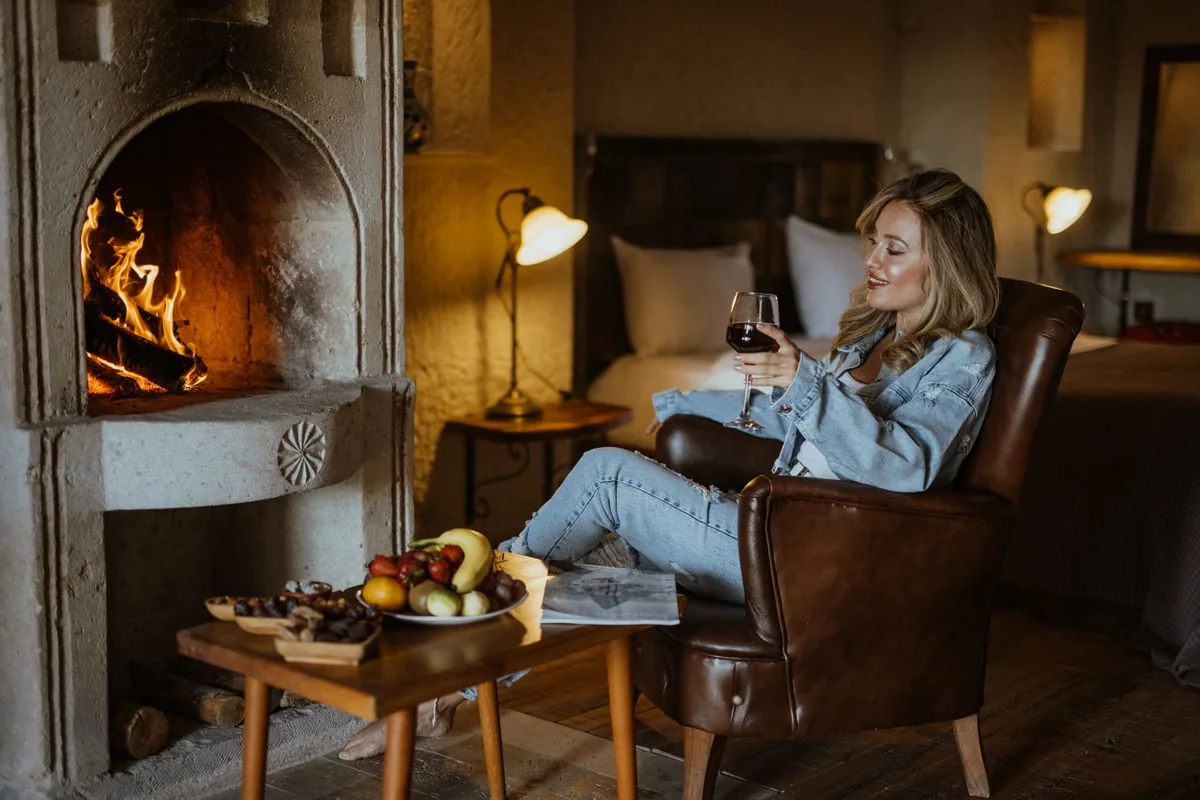
- Guestrooms deliberately omit televisions to push social activity into communal bars, gardens, and fireplaces.
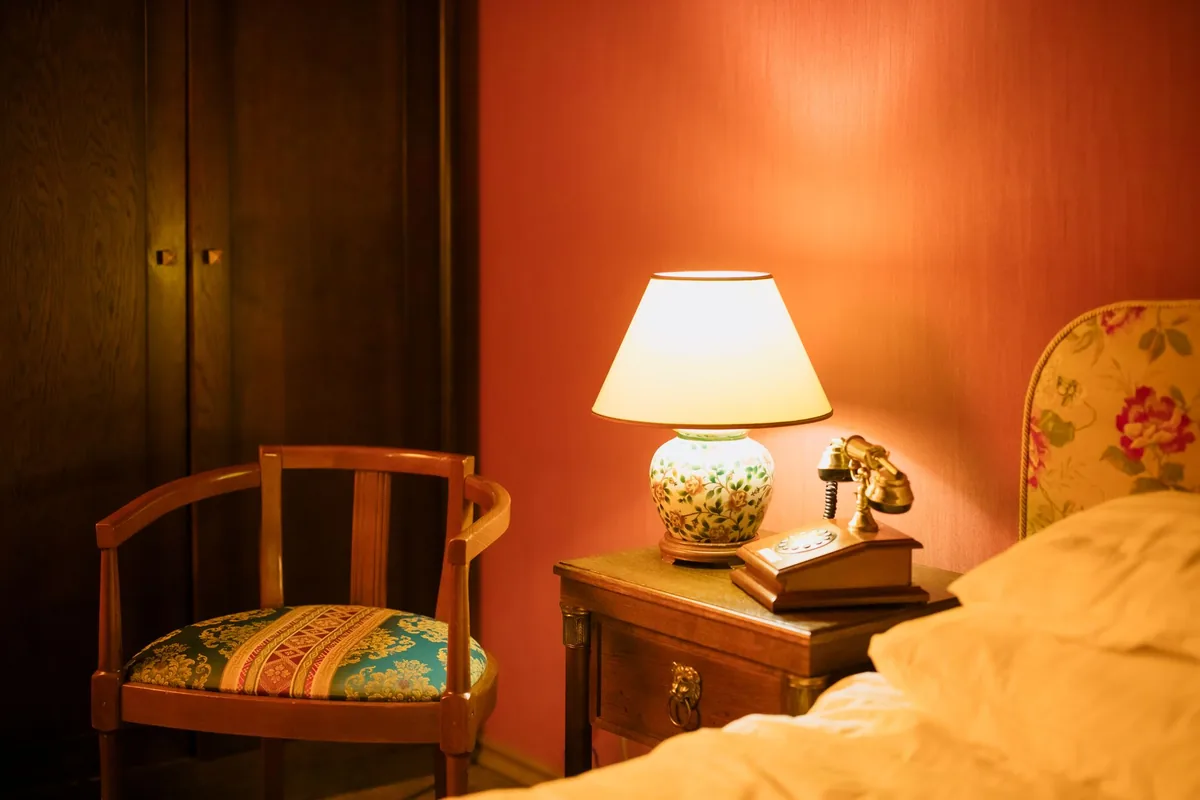
- Founders source custom antiques across the country, ensuring every room layout remains completely unique.
Urban Cowboy counters the widespread beiging of hotel properties by rejecting rigid brand standards, turning historic assets into experimental communal spaces, and sourcing antique furnishings across the country. Founded by Jersey Banks and Lyon Porter, the bootstrapped boutique brand operates three properties in Nashville, the Catskills, and Denver, with more developments scheduled for future release.
How does Urban Cowboy combat the trend of hotel blanding?
Urban Cowboy fights uniformity by treating each property as a continuous craft experiment rather than adhering to traditional scheduled property improvement plans. As eHotelier reported, founders Jersey Banks and Lyon Porter operate on an opposing philosophy to conventional flags that enforce strict brand standards and corporate procurement guidelines [1]. Instead of deploying standardized room packages, the founders drive across the United States collecting authentic antiques and found objects to decorate their properties [1]. Each guestroom features an entirely unique design layout dictated by the individual historic architecture of the building [1]. Furthermore, spaces remain in perpetual development, with teams adjusting physical layouts after observing how guests naturally move through common areas [1].
What physical amenities define the current property footprint?
The brand's physical footprint spans three distinct historic locations, each tailored directly to regional heritage and communal recreation. Urban Cowboy originated out of Banks and Porter's personal townhouse in Brooklyn, which operated as a mixed gathering hub for travelers and locals [1]. The portfolio has since expanded across three independent operating locations across the United States [1].
| Location | Room Count | Key Architectural & Experiential Features |
|---|---|---|
| Nashville | 8 guest suites | Pioneering Americana design featuring a dedicated music parlor |
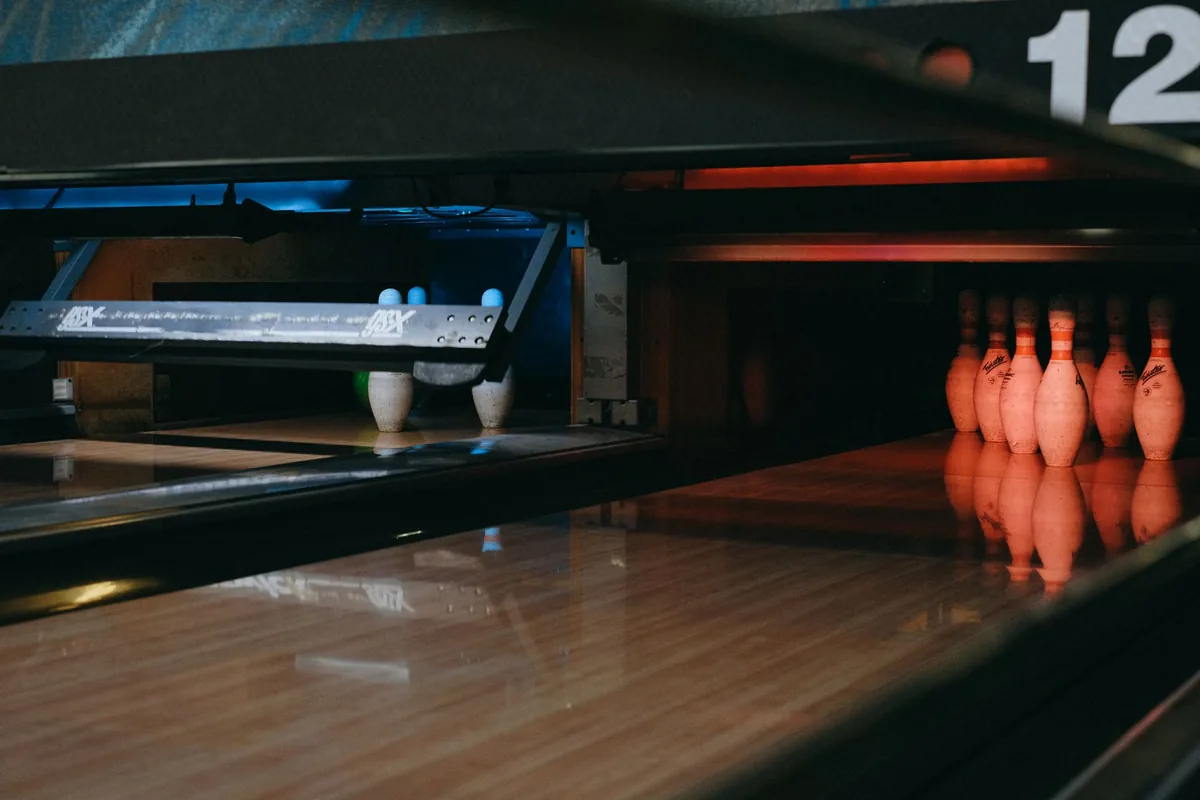
| The Catskills | 44 rooms | Borscht Belt history, hand-reset vintage bowling lanes, Estonian sauna, riverside plunges, communal fireplaces |
| Denver | 16 rooms and suites | Adaptive reuse of a historic Gilded Age mansion |
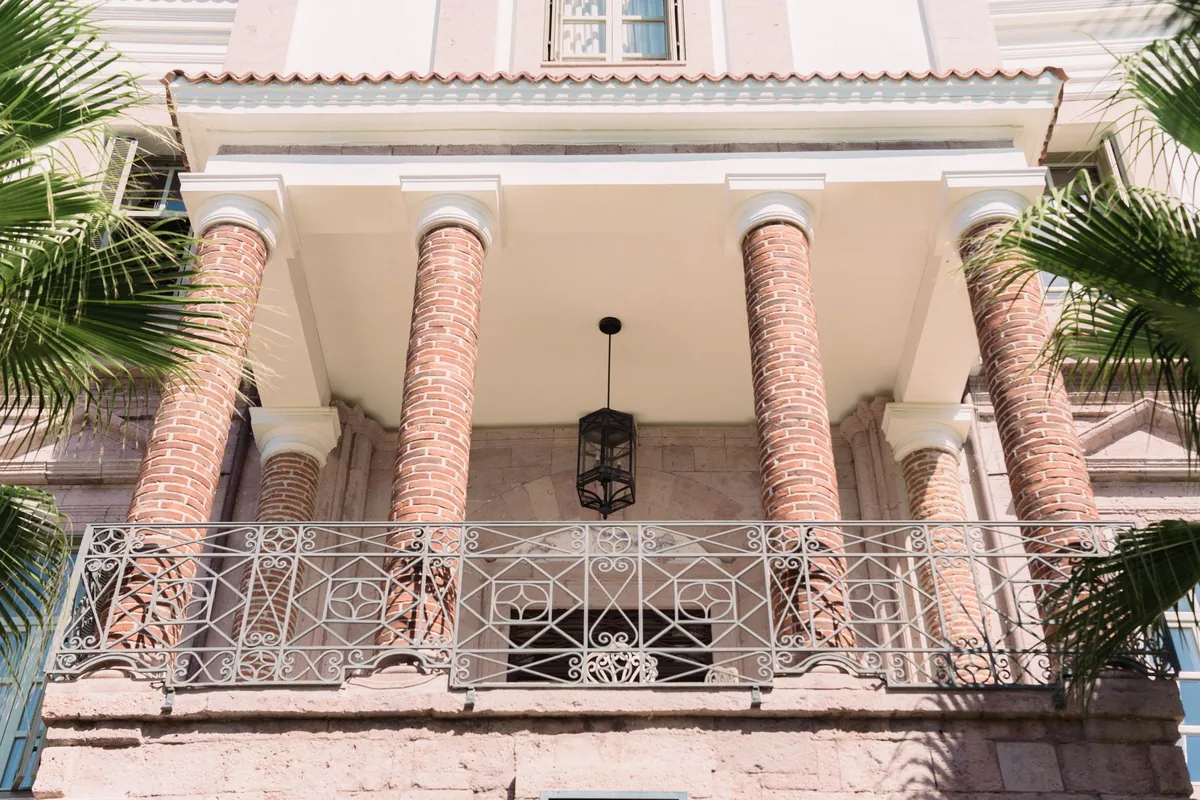
As detailed by eHotelier, the brand deliberately scales its guestroom counts to fit existing historic spaces rather than forcing modern box volumes onto old plots [1]. The Catskills lodge pairs its 44 rooms with acres of protected wilderness, while the Denver property restores the distinct interior quirks of a Gilded Age mansion [1].
Why did the founders deliberately remove guestroom televisions?
Urban Cowboy completely eliminates televisions from all guestrooms to force traveler engagement inside communal public areas. As eHotelier observed, removing screens redirects guest foot traffic straight toward the properties' bars, outdoor gardens, and communal fireplaces [1]. While flagged hospitality operators view the absence of in-room television screens as an operational risk, Banks and Porter use this boundary to filter for travelers seeking genuine human connection over home-like isolation [1]. The founders reported that these design interventions yield real social outcomes, citing guests who arrived as total strangers and departed as business partners, lifelong friends, or spouses [1].
What operational challenges come with running continuous design experiments?
Adapting historic, irregular buildings requires hospitality operators to accept constant physical labor, architectural quirks, and open-ended renovation timelines. According to eHotelier, Banks and Porter openly admit they lack fixed formulas, choosing instead to treat every acquisition as an ongoing design test [1]. Adapting aging sites requires ongoing structural labor alongside creative craftsmanship [1]. Because properties are never treated as finished products, on-site teams consistently apply continuous enhancements, physical improvements, and experiential layering long after the official opening date [1].
Reported by
This article was written from the following reporting. Follow the links for the original coverage.
- [1]Urban Cowboy Rejects Hotel Blanding with Custom Design— eHotelier
Frequently asked
+Who founded Urban Cowboy?
Urban Cowboy was founded by Jersey Banks and Lyon Porter. The business began in Brooklyn when their personal townhouse evolved into a gathering place for locals and travelers before expanding nationally.
+Where are Urban Cowboy hotels currently located?
The brand operates three locations: an 8-suite property in Nashville, a 44-room lodge in the Catskills, and a 16-room property in a Denver Gilded Age mansion.
+Why are there no televisions in Urban Cowboy guestrooms?
The founders deliberately eliminated televisions from guestrooms to encourage guests to leave their rooms and socialize around communal fireplaces, bars, and gardens.
+How does Urban Cowboy source its interior decor?
Founders Jersey Banks and Lyon Porter drive across America to collect authentic antiques and found objects, ensuring every room across their properties has a distinct aesthetic.
+How does Urban Cowboy approach property improvement plans?
Urban Cowboy rejects rigid scheduled brand standards and procurement lists. Instead, teams observe how guests interact with spaces over time and implement continuous, iterative design enhancements.
Keep reading
Our reporting
More in operations