United Airlines Renews Push for American Airlines Mega-Merger
United CEO Scott Kirby continues to advocate for a tie-up with American Airlines despite firm opposition from Fort Worth leadership.
The short answer
United Airlines CEO Scott Kirby continues to advocate for a blockbuster merger with American Airlines despite firm resistance from Fort Worth executives. American Airlines leadership maintains that the proposed transaction is anticompetitive and faces insurmountable regulatory barriers.
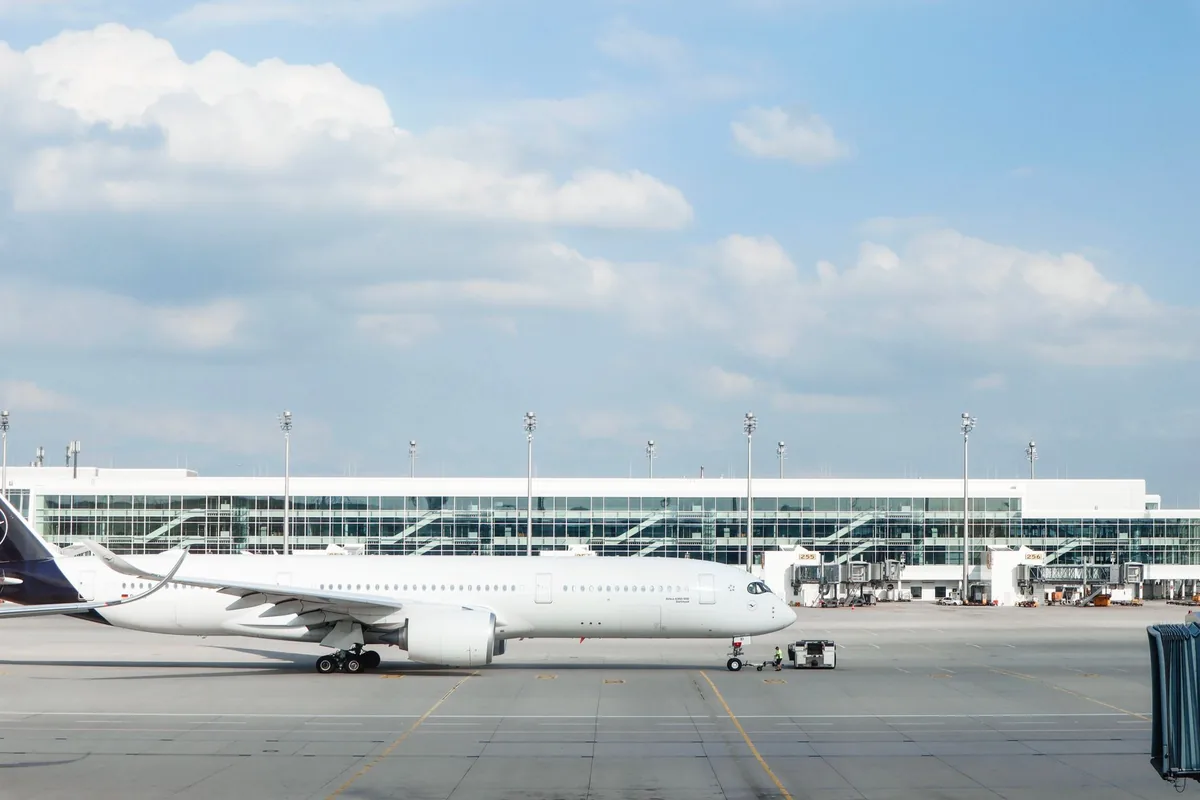
The short version
- United Airlines CEO Scott Kirby continues to push publicly for a merger with American Airlines.
- American Airlines CEO Robert Isom remains firmly opposed, citing regulatory barriers and antitrust concerns.
- Scott Kirby stated that American Airlines' management team is the only missing constituent among five groups required to complete a deal.
United Airlines CEO Scott Kirby continues to push for a mega-merger with American Airlines, asserting that the combination would expand consumer benefits and improve international competitiveness [1]. However, American Airlines Chief Executive Robert Isom has firmly shut the door on discussions, leaving management resistance as the primary obstacle blocking any potential airline consolidation [[1], [2]].
Why is United Airlines pursuing a merger with American Airlines?
Scott Kirby framed the proposed combination not as a standard cost-cutting exercise, but as a path to build the world's premier airline and bolster United States competitiveness abroad [[1], [2]]. Skift reported that Kirby released a public memo detailing his growth-oriented vision after American initially declined to enter talks [2]. According to Skift, Kirby argues the consolidation would create expanded opportunities for passengers and employees alike while improving the global reach of domestic aviation [[1], [2]].
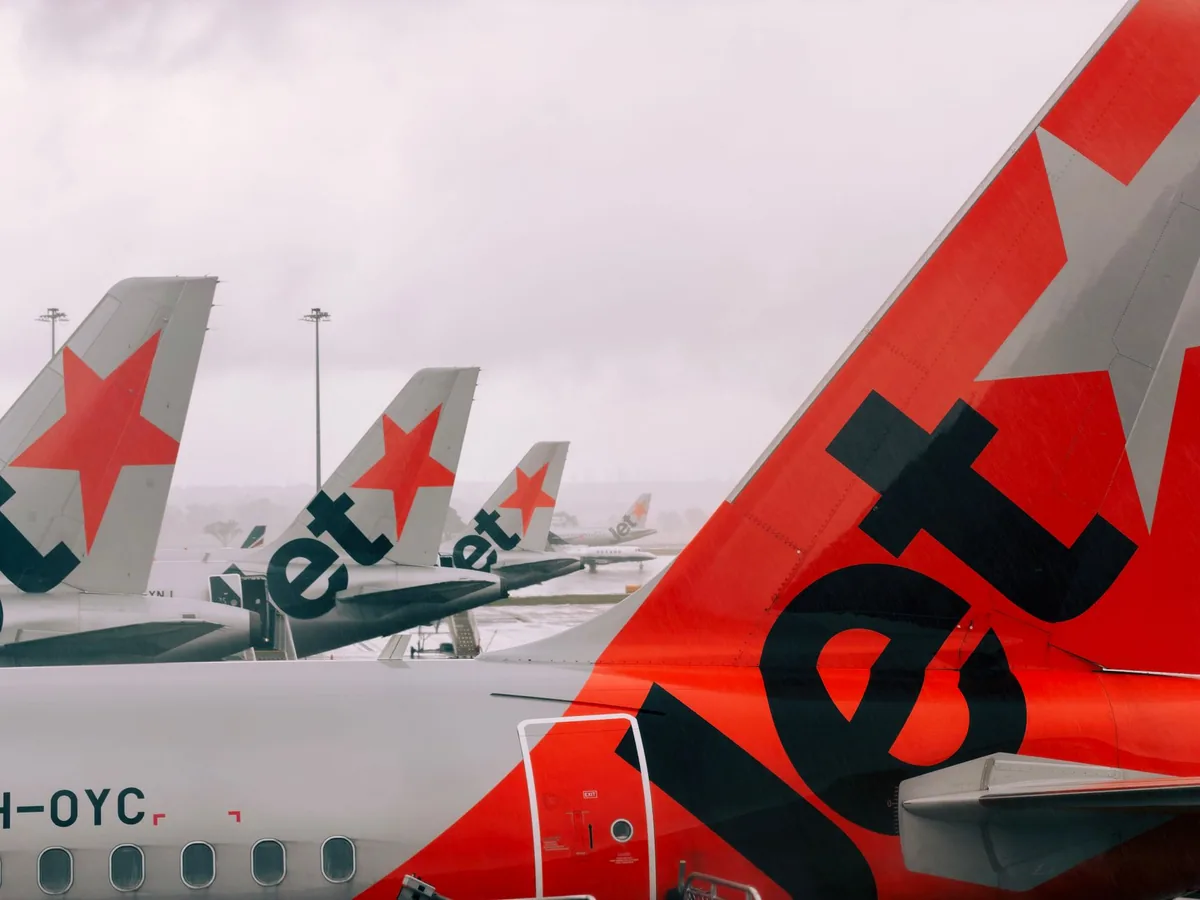
How has American Airlines management responded to the proposal?
American Airlines Chief Executive Robert Isom has repeatedly and publicly rejected the acquisition concept, describing the move as anticompetitive [[1], [2]]. Kirby confirmed that he approached the Fort Worth-based carrier, but leadership refused to engage in discussions [[1], [2]]. Speaking to reporters at the International Air Transport Association (IATA) Annual General Meeting in Rio de Janeiro, Kirby noted that a deal requires five distinct groups: unions, customers, shareholders, regulators, and management [1]. While Kirby expressed confidence that four of those five groups could be secured, he admitted that American's executive leadership remains unwilling to negotiate [1].
| Merger Consideration Group | United Assessment of Status | Stated Position / Key Concerns |
|---|---|---|
| American Airlines Management | Opposed | CEO Robert Isom cited antitrust barriers and anticompetitive impacts [1] |
| Labor Unions | Receptive | Ongoing labor unrest at American; some unions open to exploration [1] |
| Customers & Passengers | Receptive | Pitched on expanded global route access and premium service [[1], [2]] |
| Regulators & Lawmakers | Challenging | Antitrust scrutiny and political pushback against airline consolidation [[1], [2]] |
| Shareholders | Receptive | Pitched on strengthening financial performance and competitiveness [[1], [2]] |
What challenges does American Airlines face amid the takeover talk?
American Airlines is dealing with ongoing labor unrest alongside weaker financial performance relative to its major legacy competitors [1]. In response to these financial pressures and internal calls for operational change, American is attempting to upgrade its premium offerings to regain ground [1]. Despite these operational measures, the airline's underperformance has kept interest alive among certain employee groups, with Skift reporting that some unions remain open to exploring a potential combination [1].
What regulatory hurdles stand in the way of a combined carrier?
Any potential transaction faces severe pushback from antitrust regulators and political leaders in Washington, D.C. [[1], [2]]. Kirby's unusual decision to publish a detailed public memo defending the combination served as an appeal to industry observers and federal policymakers after private talks stalled [2]. American's management maintains that the regulatory barriers surrounding such a massive consolidation are insurmountable under current antitrust policy [1]. Without cooperation between both corporate boards, the deal cannot advance under existing market conditions [[1], [2]].
Reported by
This article was written from the following reporting. Follow the links for the original coverage.
Frequently asked
+What is United Airlines' stated goal with the proposed merger?
United CEO Scott Kirby stated the combination aims to build the world's best airline, enhance international competitiveness for U.S. aviation, and create expanded opportunities for passengers and employees, rather than relying on cost-cutting measures [[1], [2]].
+Why did American Airlines reject the merger offer?
American Airlines Chief Executive Robert Isom rejected the proposal on the grounds that it would be anticompetitive and face insurmountable antitrust hurdles and political opposition from regulatory authorities [[1], [2]].
+Where did Scott Kirby publicly discuss the merger status recently?
Scott Kirby addressed reporters regarding the proposed consolidation at the International Air Transport Association (IATA) Annual General Meeting held in Rio de Janeiro [[1]].
+How have labor unions at American Airlines reacted to merger discussions?
Amid ongoing labor unrest and financial underperformance at American Airlines, some labor unions remain open to exploring a potential merger with United [[1]].
+What five groups did Scott Kirby identify as necessary to complete a deal?
Kirby identified unions, customers, shareholders, regulators, and the airline management team as the five necessary groups, noting that American's leadership is the missing component [[1]].
Keep reading
Our reporting


More in finance