UK Hospitality Warns £1.6bn Visitor Tax and Rates Squeeze Profit
Twin fiscal pressures from local visitor levies and national overhead taxes threaten hotel demand and 33,000 accommodation jobs.
The short answer
UK hotel operators face simultaneous threats from proposed regional visitor levies and high baseline taxation. Oxford Economics data shows an English tourism levy could eliminate 33,000 jobs and £1.8bn in spending, prompting calls for Treasury VAT relief.
“The millions of families who will be forced to pay significantly more for their holiday will hardly be comforted by their money going to prop up local government, when they’re struggling to make ends meet. The 33,000 people who could lose their jobs as a result of this tax, during an employment crisis, will be rightly furious.”

The short version
- Oxford Economics projects a 5% visitor levy would eliminate 11.9 million room nights and £1.8bn in tourism spend by 2030.
- UKHospitality warns 33,000 accommodation jobs are at risk if regional mayors implement uncapped overnight levies.
- The 28 October budget faces four industry demands: cut VAT to 10%, reform business rates, raise NIC thresholds, and scrap local levies.
Proposed UK fiscal changes threaten hotel profitability through a combined squeeze: local visitor levies that inflate guest room rates alongside national employment and property taxes that raise operating costs. According to trade body UKHospitality, the planned tourist levy alone could add £1.6bn to guest costs, slash 11.9 million room nights, and destroy 33,000 jobs [2].
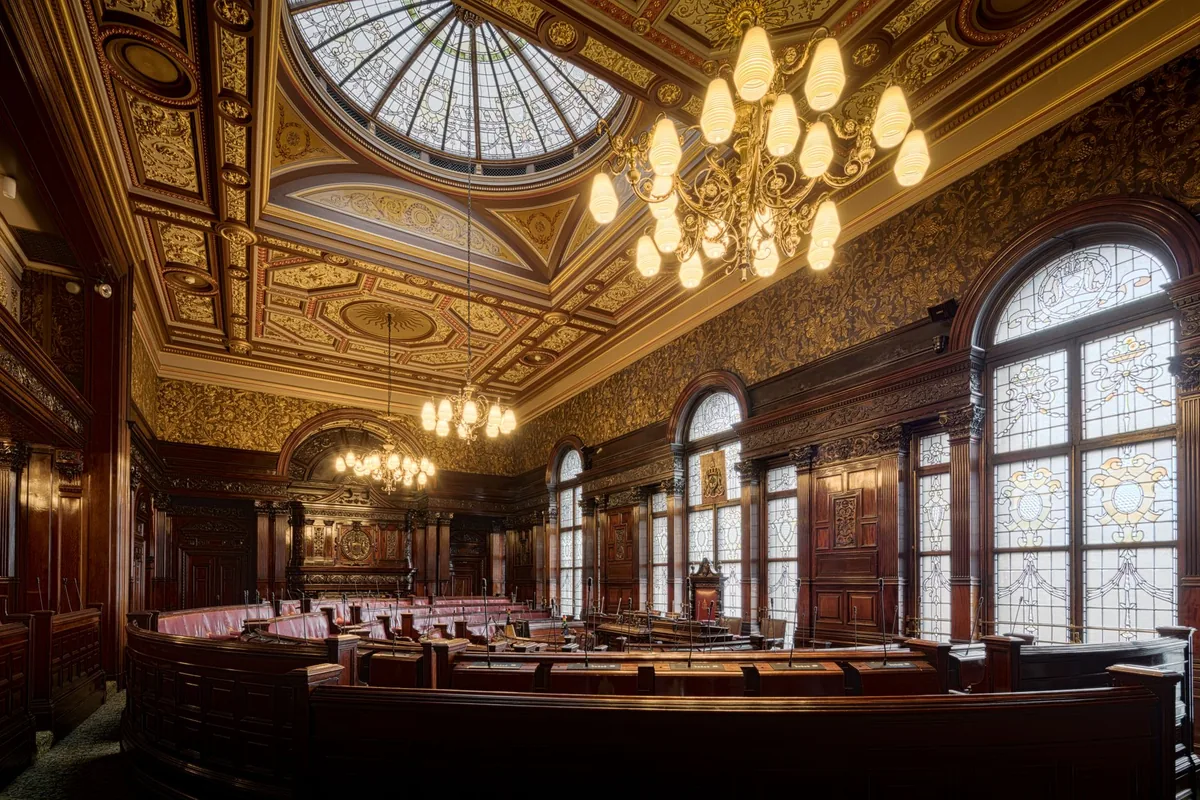
What powers are regional mayors gaining over accommodation rates?
Mayoral Strategic Authorities (MSAs) in England are slated to receive discretionary revenue-raising powers permitting them to introduce a visitor levy on short-term, commercially let overnight accommodation [2]. Hotel Owner reported that the government launched a consultation on the levy's design after announcing the policy at the previous budget [2]. Mayors will have the autonomy to determine whether to introduce a fee, establish the rate, and decide how collected revenues are allocated within their regions [2]. UKHospitality warned the system as designed is unlimited, uncapped, and expansive [2]. Allen Simpson, chief executive of UKHospitality, argued that granting regional mayors this discretionary power on accommodation risks aggressive revenue extraction: "Give Mayors one tax-raising power on one sector and they will pull that lever until it snaps" [2].

How much guest demand could the visitor levy destroy?
Guest price sensitivity will trigger immediate booking drop-offs if local authorities impose additional overnight accommodation charges. Polling conducted by UKHospitality alongside Butlin’s, Haven, and Hilton revealed that 56% of respondents oppose the proposed holiday tax, with only 24% backing it [2]. Furthermore, the research showed one in five people would be deterred from booking an English holiday if the levy increases break costs [2]. As Hotel Owner detailed from Oxford Economics modelling, a fully realised 5% levy across England by 2030 would result in 11.9 million fewer overnight stays [2]. That contraction equates to a direct £1.8bn reduction in domestic tourism spending, while UK gross domestic product would drop by £2.2bn [2]. Direct business investment across hospitality and tourism would decline by £101m under the 5% levy scenario [2].
How does the UK tax framework compare to European competitors?
The UK enforces an uncompetitive fiscal burden on commercial lodging by levying a full 20% VAT rate on top of the proposed municipal visitor taxes [2]. European competitor destinations pair city fees with reduced national lodging taxes. According to UKHospitality, accommodation VAT rates across Europe sit markedly below Britain’s 20% rate: Portugal charges 6%, France, Italy, and Spain levy 10%, and Greece applies 13% [2]. Simpson noted that destinations pairing tourist fees with a 20% baseline VAT rate are virtually non-existent, calling on the UK government to mirror Europe by cutting baseline lodging VAT to 10% before handing tax powers to local mayors [2].

| Destination | Accommodation VAT Rate | Visitor Levy Status |
|---|---|---|
| United Kingdom | 20% | Discretionary Mayoral Levy Proposed |
| France | 10% | Applied |
| Italy | 10% | Applied |
| Spain | 10% | Applied |
| Greece | 13% | Applied |
| Portugal | 6% | Applied |
What tax reliefs are operators demanding from central government?
Hotel owners face high operational overheads from baseline domestic business taxes, prompting industry leaders to seek immediate national relief ahead of the 28 October budget announcement [1]. UKHospitality has presented the Treasury with four specific demands to protect commercial viability: cut VAT to 10%, overhaul commercial business rates, reduce employer National Insurance contributions (NICs) by raising the secondary threshold, and substitute local municipal tourism levies with a centralised tax rebate mechanism [1]. Simpson stated that government decisions have caused the industry's tax load to expand out of proportion with wider enterprise, dampening an engine that creates employment across every UK postcode [1]. Simpson warned that minor adjustments will fail to safeguard operations: "Tinkering around the edges is not enough. There has to be a substantial reduction in hospitality’s tax burden next month. Cut VAT, fix business rates and reduce NICs" [2].
Reported by
This article was written from the following reporting. Follow the links for the original coverage.
- [1]UKHospitality Urges Government to Cut Sector Taxes— hotelowner.co.uk
- [2]UK Tourist Tax Threatens 33,000 Industry Jobs— hotelowner.co.uk
Frequently asked
+What powers would Mayoral Strategic Authorities receive regarding tourist taxes?
Mayoral Strategic Authorities would obtain discretionary powers to implement an uncapped visitor levy on short-term, commercially let overnight accommodation. Regional mayors would hold authority to consult on and set specific tax rates and allocate resulting revenues locally.
+What is the projected economic cost of a 5% English visitor levy by 2030?
Analysis from Oxford Economics projects a 5% levy would reduce UK GDP by £2.2bn, shrink tourism spending by £1.8bn, cost the lodging sector 11.9 million lost nights, and reduce direct capital investment by £101m.
+How does UK accommodation VAT compare with major European holiday destinations?
The UK applies a 20% VAT rate to accommodation. In contrast, Portugal applies 6%, France, Italy, and Spain charge 10%, and Greece charges 13%, softening the impact of municipal visitor levies in those destinations.
+What specific fiscal measures is UKHospitality demanding in the budget?
UKHospitality is demanding a reduction of accommodation VAT to 10%, comprehensive business rates reform, a reduction in employer National Insurance contributions via higher thresholds, and replacing municipal tourist levies with central tax rebates.
+How many jobs are estimated to be at risk from the proposed holiday levy?
UKHospitality estimates that the proposed holiday tax could put 33,000 industry jobs at risk while inflating guest travel expenses by £1.6bn.
Keep reading
Our reporting


More in finance