UK Hotel Utility Bills Rise to £10.10, Squeezing Margins
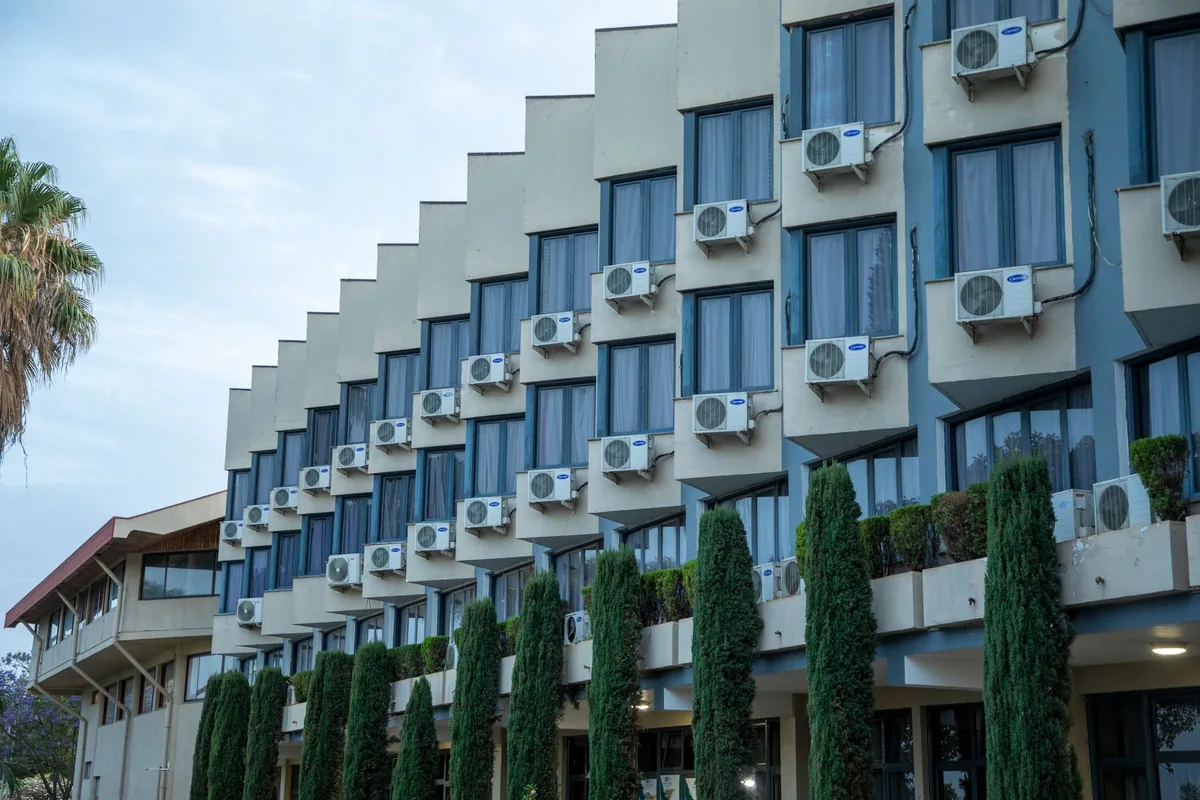
Summer air conditioning demand and surging energy overheads cut gross operating profit margins across the UK despite higher room rates and top-line spending.
The short answer
Surging air conditioning usage during summer heatwaves drove UK hotel utility bills up to £10.10 per room in London, shrinking July gross operating profit margins to 43% nationwide. Although top-line accommodation spending rebounded 3.3% in August, upcoming energy inflation continues to threaten hotel bottom lines.
“It’s clear that charging higher room rates is no longer enough on its own to maintain profits and hoteliers must explore other cost-cutting initiatives and ways to create efficiencies.”
The short version
- UK hotel gross operating profit margins dropped from 43.9% to 43% in July as utility expenses rose to £9.15 per room.
- London utility costs jumped from £8.91 to £10.10 per occupied room, pulling regional operating margins down to 47.7%.
- Barclays reported accommodation spending rebounded 3.3% year on year in August after five months of decline.
Rising utility bills are eroding UK hotel margins, as heavy air conditioning demand during the summer heatwave drove up operational costs despite expanding guest expenditure [2]. While card outlays on accommodation grew 3.3% in August, hoteliers saw July gross operating profit margins contract due to climbing energy expenses [[1], [2]].
Did top-line consumer spending recover in UK hotels?
Top-line spending on hotels rebounded into positive territory after five consecutive months of decline, according to the Barclays Consumer Spend report [1]. Spending across hotels, resorts, and accommodation grew 3.3% year on year in August, supported by a wider travel rebound where total travel spending rose 3.1% to reach its highest level of the year [1].
As Hotel Owner reported from Barclays spend data, broader leisure demand bolstered this trend, with travel agent spend expanding 4.4% and airline outlays gaining 3.5% [1]. Hospitality and leisure saw spending increase 3.3%, while overall card spending rose 2.1% year on year [1]. However, this 2.1% economy-wide expansion lagged behind the prevailing CPIH inflation rate of 3.1% [1].

How much did utility bills rise for UK hoteliers?
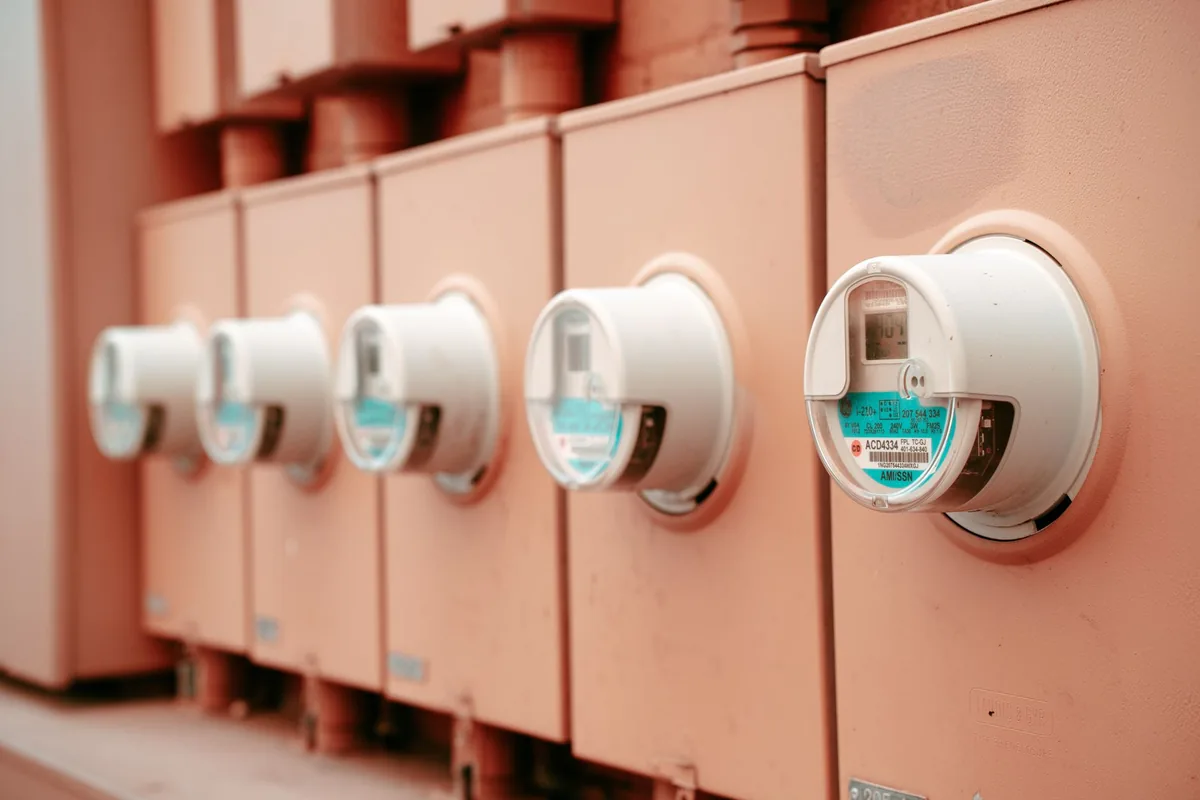
Utility expenses per occupied room climbed across the country in July 2026, driven by intense air conditioning demand during warm summer weather [2]. Based on RSM UK analysis of Hotstats data published by Hotel Owner, nationwide utility costs rose from £8.45 per occupied room in July 2025 to £9.15 in July 2026 [2].
The cost increase proved steeper in the capital [2]. London hotels experienced a jump from £8.91 per occupied room to £10.10, representing an increase of more than 13% [2]. These escalating power bills coincided with a mild contraction in room occupancy, limiting operators' ability to absorb the higher charges [2].
How did higher costs affect hotel profit margins?
Gross operating profit margins dropped across the UK hotel sector despite higher room rates, as reported by Hotel Owner via RSM UK [2]. Nationally, gross operating profits dropped from 43.9% in July 2025 down to 43% in July 2026 [2].
In London, gross operating profit margins fell from 49.2% to 47.7% over the same period [2]. These margin declines occurred despite hoteliers pushing average daily rates (ADR) up 4% across the UK from £176.29 to £182.47, and from £264.34 to £274.40 in London [2]. RevPAR also expanded, increasing from £152.55 to £155.89 nationally, and from £238.15 to £242.57 in London, but these revenue gains could not fully offset rising operational expenses and minor occupancy declines [2].
| Metric | UK July 2025 | UK July 2026 | London July 2025 | London July 2026 |
|---|---|---|---|---|
| Occupancy Rate | 86.5% | 85.4% | 90.1% | 88.4% |
| Average Daily Rate (ADR) | £176.29 | £182.47 | £264.34 | £274.40 |
| RevPAR | £152.55 | £155.89 | £238.15 | £242.57 |
| Utility Cost per Occupied Room | £8.45 | £9.15 | £8.91 | £10.10 |
| Gross Operating Profit Margin | 43.9% | 43% | 49.2% | 47.7% |

What is the economic outlook for hotel operating costs?
Energy price pressures will persist into late 2026 and early 2027, according to economic forecasts from RSM UK [2]. Thomas Pugh, chief economist at RSM UK, stated that inflation will peak close to 4% in the fourth quarter and stay close to that level in the first quarter as higher energy prices begin to push up airfares, manufactured goods, and food prices [2].
These energy increases will prevent inflation from returning to target until 2028 [2]. Concurrently, consumption growth is projected to slow to around 0.1% in the fourth quarter, down from 0.5% per quarter in the first half of the year, weighed down by the prospect of a tax-raising budget in October [2].
How are consumer attitudes influencing hotel demand?
Consumer confidence improved in August, but acute sensitivity to room pricing persists [1]. Barclays Spend Insights found that the proportion of consumers confident in their household finances rose to 66% from 64% in July, with 54% expressing confidence in spending on non-essentials [1].
Yet cost fears remain entrenched [1]. The Barclays report indicated that 84% of consumers worry about rising prices, and seven in 10 expressed concern about the impact of drip pricing and dynamic pricing on their household finances [1]. With consumer spending growth projected to cool, hoteliers cannot rely solely on rate increases to preserve margins [2].
Reported by
This article was written from the following reporting. Follow the links for the original coverage.
- [1]UK Hotel Spending Rebounds 3.3% in August— hotelowner.co.uk
- [2]Rising Utility Bills Squeeze UK Hotel Margins— hotelowner.co.uk
Frequently asked
+Why did UK hotel profit margins fall in July 2026?
Higher utility expenses per occupied room, driven by air conditioning usage during the heatwave, offset increases in average daily rates and RevPAR. Nationwide gross operating profit margins slipped from 43.9% to 43%.
+How much did utility expenses per occupied room increase?
Nationwide utility costs rose from £8.45 in July 2025 to £9.15 in July 2026. In London, the jump was steeper, climbing from £8.91 to £10.10 per occupied room.
+Did UK hotels increase room rates and RevPAR in July?
Yes. UK average daily rates grew 4% from £176.29 to £182.47, while RevPAR rose from £152.55 to £155.89. London ADR reached £274.40 with RevPAR climbing to £242.57.
+What happened to UK accommodation consumer spending in August?
Spending across hotels, resorts, and accommodation rose 3.3% year on year in August, reversing five consecutive months of spending contraction according to Barclays data.
+What is the inflation outlook for hotel operational expenses?
RSM UK forecasts inflation will peak near 4% in the fourth quarter and remain elevated into early 2027 due to energy prices, delaying a return to target inflation until 2028.
Keep reading
Our reporting


More in operations