Housekeeping Upgrades: Software and Textiles Cut Costs and Labor
Hotels are pairing automated PMS platforms with microfiber cleaning programs to cut turnaround times, reduce chemical use, and lower team friction.
The short answer
Hotels are achieving faster room turns and lower operating expenses by pairing automated housekeeping platforms with advanced synthetic microfiber textiles. Real-time digital task management improves staff communication while microfiber cuts chemical consumption and removes up to 95 percent of surface bacteria.
“Today, we’ve built an AI assistant that allows every staff member to use their own language and simply dictate what needs to happen. Flexkeeping automatically translates that into a structured task and delivers it in the recipient’s native language.”
The short version
- Capilon Hotels achieved a 67 percent productivity improvement and saved 114 hours monthly by deploying automated housekeeping software [[1]].
- Microfiber mop heads eliminate 95 percent of surface bacteria without chemicals, compared to 68 percent for cotton mops using disinfectant [[2]].
- Flexkeeping AI assistants enable multilingual housekeeping teams to dictate tasks in their native language with automated cross-translation [[1]].
Hotels reduce room cleaning times, chemical costs, and turnover by combining automated housekeeping software with advanced physical tools like synthetic microfiber. Mobile task coordination replaces paper lists to speed turnaround and support multilingual workforces, while dense microfiber cloths cut cleaning chemical needs and eliminate up to 95 percent of surface bacteria. Together, they streamline operations.
How does housekeeping automation software lower room turnaround times?
Housekeeping management software cuts room turnover delays by dispatching real-time assignments straight to mobile devices rather than making staff rely on printed sheets. Luka Berger, founder and CEO of Flexkeeping—which was acquired by Mews last September—noted that early property management systems treated housekeeping as a simple tab for printable lists rather than an active workflow [1]. Today, modern tools automate room assignments, cleaning plans, shift schedules, and inspection routing [1].
As Lodging Magazine reported, Mews stated that Flexkeeping helps hotel teams increase productivity by 40 percent and drop guest complaints by 45 percent [1]. Real-time connectivity alerts front desk teams immediately when a room is completed. For example, Capilon Hotels adopted Flexkeeping across four boutique properties in London, replacing paper workflows [1]. Capilon reported a 67 percent productivity gain, saved 114 hours per month, and earned a 343 percent return on investment while front desk staff gained live visibility into room readiness [1].
How can multilingual staff tools help reduce employee friction and turnover?
Housekeeping platforms reduce turnover friction by using native-language task translation and intuitive interfaces that accommodate diverse workforces. Housekeeping departments frequently rely on staff from varied backgrounds who speak different primary languages. Berger explained that Flexkeeping includes an AI assistant that allows employees to dictate messages in their primary language, which the system automatically translates into structured tasks delivered in the recipient's native language [1].
This automated translation prevents misunderstandings, speeds up training, and helps teams integrate faster [1]. By reducing administrative frustration and clarifying daily expectations, operations protect staff morale, which directly impacts retention across back-of-house teams [1].
Why does switching from cotton cloths to microfiber lower chemical costs?
Microfiber cleaning cloths lower supply expenses because their dense, synthetic construction requires far less detergent and chemical solution to lift dirt than traditional organic cotton. Microfiber is manufactured from a synthetic blend of polyester and polyamide [2]. The thinner fibers allow millions of strands to fit into a single cloth, increasing total surface area [2]. According to Hotel Business, this fiber density enables housekeepers to pick up more dust and grease per swipe while cutting the volume of chemical products needed to clean each room [2].
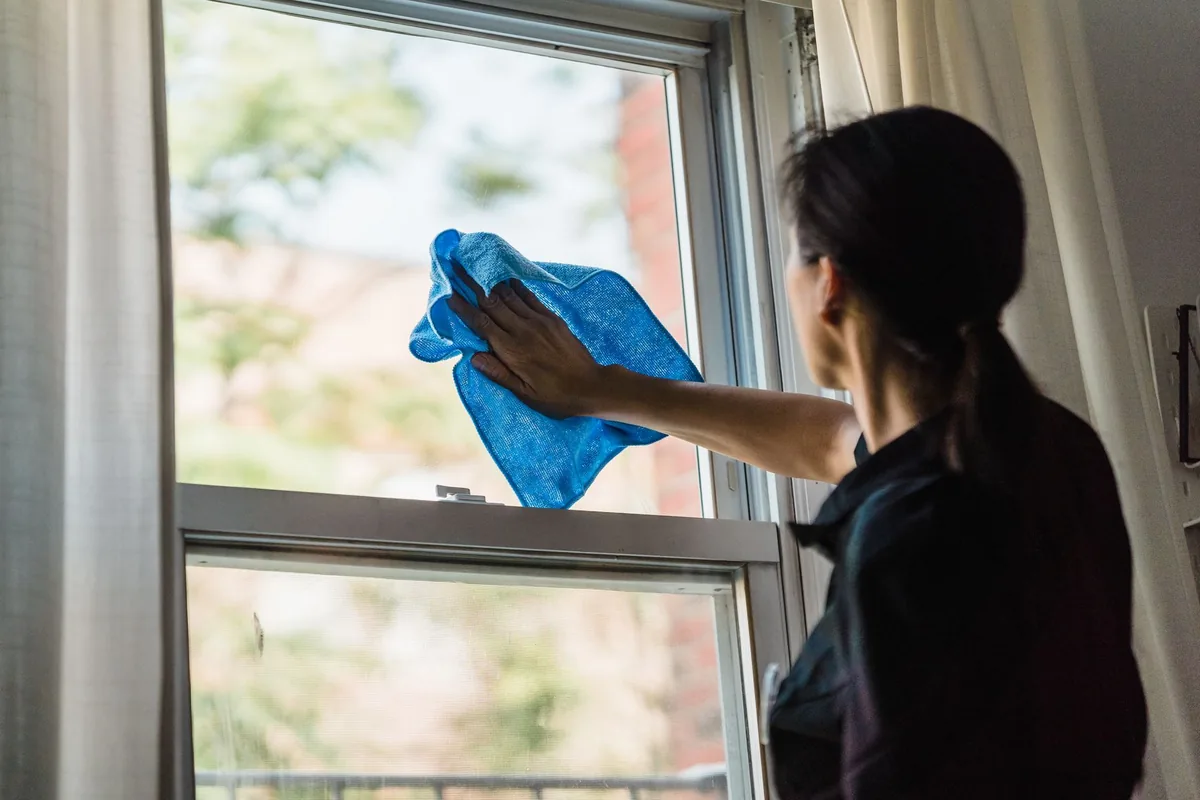
In addition to surface density, microfiber holds a positive charge, allowing it to attract negatively charged particles like dust, grease, dirt, and allergens without heavy chemical reliance [2]. Cotton, by comparison, features large natural fibers that require higher volumes of water and cleaning solutions to achieve clean surfaces [2].
What are the sanitation and durability differences between microfiber and cotton?
Microfiber cleans surfaces more effectively than cotton and outlasts it through commercial laundry cycles, even though cotton remains cheaper to purchase initially [2]. A study published by the American Journal of Infection Control revealed that microfiber mop heads removed 95 percent of bacteria from surfaces without chemical disinfectants, whereas cotton mops combined with a disinfectant removed only 68 percent [2]. Research from The Journal of Hospital Infection found microfiber cloths effectively reduce MRSA, E. coli, and C. difficile on surfaces, and their cleaning performance actually improved after repeated washings [2].
| Operational Metric | Microfiber Cloths & Mops | Traditional Cotton Cloths |
|---|---|---|
| Material Composition | Synthetic polyester-polyamide blend [2] | Natural organic fibers [2] |
| Upfront Replacement Cost | Higher initial purchase price [2] | Significantly cheaper upfront [2] |
| Bacteria Removal (No Chemical) | 95% surface bacteria removed [2] | Under 68% (even with disinfectant) [2] |
| Chemical Requirements | Lower detergent and chemical demand [2] | Standard to heavy chemical use [2] |
| Lint Shedding and Longevity | Lint-free; performance improves after wash cycles [2] | Sheds lint; wears thin and develops holes over time [2] |
| Laundry Handling | Must be washed separately to prevent attracting lint [2] | Can be washed with standard cotton laundry [2] |
What operational trade-offs must managers weigh when choosing cleaning supplies?
Adopting microfiber requires specific laundry protocols and higher upfront procurement spending compared to cotton [2]. Hotel Business noted that cotton cleaning rags remain popular because hotels already launder extensive volumes of cotton bath towels, bed sheets, and uniforms [2]. Cotton cleaning cloths can simply be added to existing loads without altering wash parameters [2].
Conversely, microfiber attracts stray lint, hair, and dirt when combined with other textiles due to its static charge [2]. Properties transitioning to microfiber must wash these synthetic cleaning towels in separate dedicated cycles to maintain their cleaning efficacy [2]. Managers must balance this laundry handling against microfiber's extended lifespan, lint-free performance, and reduction in recurring chemical purchases [2].
What lies ahead for predictive housekeeping management?
The next phase of housekeeping operations connects automated task management directly with predictive property data and hotel systems. Current AI features already automate daily schedules and multilingual communication [1]. Looking ahead, Berger pointed out that the largest efficiency gains will stem from linking housekeeping data directly to wider hotel operations, occupancy forecasts, and guest profiles [1].
Predictive platforms will soon evaluate length of stay, guest history, and maintenance records to flag rooms requiring deep cleans before complaints arise [1]. Integrating real-time room readiness with revenue management systems, upselling options, and guest satisfaction metrics enables properties to make informed operational decisions while keeping labor aligned with actual room demand [1].
Reported by
This article was written from the following reporting. Follow the links for the original coverage.
- [1]Mews Flexkeeping Boosts Housekeeping Productivity by 40%— Lodging Magazine
- [2]Microfiber Cuts Chemical Costs and Traps Bacteria— Hotel Business
Compare the systems named here
Frequently asked
+How does housekeeping software improve daily room turnaround times?
Software replaces physical paper lists with digital task assignments delivered directly to mobile phones. As housekeepers mark cleans complete, room status updates automatically in the property management system, providing front desk teams with instant visibility and speeding up guest check-ins [[1]].
+How does automated translation software reduce housekeeping staff turnover?
Housekeeping management platforms like Flexkeeping feature AI assistants that allow workers to dictate notes in their native language, automatically translating instructions for the recipient. This eliminates language barriers, simplifies onboarding, minimizes miscommunication, and reduces workplace stress for diverse, multilingual hotel teams [[1]].
+Why do microfiber cloths require fewer cleaning chemicals than cotton?
Microfiber consists of densely packed synthetic polyester and polyamide fibers that yield an expansive surface area. This physical structure, combined with a natural positive static charge, attracts and traps negatively charged particles such as dirt, dust, and grease using far less detergent or chemical solution [[2]].
+How much more sanitary is microfiber compared to cotton?
Research published in the American Journal of Infection Control revealed that microfiber mop heads eliminate 95 percent of bacteria from surfaces without any disinfectant, whereas cotton mops combined with chemical disinfectant removed only 68 percent [[2]].
+What is the primary laundry requirement when caring for microfiber cleaning towels?
Microfiber cloths must be washed separately from other hotel linens. Because microfiber holds an electrical charge, washing it alongside cotton sheets or towels causes it to trap loose lint, dirt, and hair, which degrades its cleaning performance [[2]].
Keep reading
Our reporting

More in operations