Skift Creator Summit 2026 Targets $115B Social Travel Demand
The inaugural New York forum will gather 100 senior leaders to solve the gap between creator-inspired travel demand and actual social bookings.
The short answer
The inaugural Skift Creator Summit 2026 will gather senior travel executives in New York to address how social media creators drive direct bookings. The forum aims to help brands integrate creators as core sales channels rather than standalone influencers.

The short version
- Skift Research estimates social media inspires $115 billion in travel demand, but only captures $7 billion in direct bookings.
- CreatorIQ data shows only 8% of brands rank follower count as the primary factor when selecting creator partners.
- Meta will present a working session at the September 2026 summit mapping the creator-to-commerce chain.
The Skift Creator Summit 2026, presented by Meta on September 22 in New York City, will gather over 100 senior travel executives to address how social media creators directly drive bookings. The closed-door forum aims to help brands transition from treating creators as standalone influencers to integrating them as core sales channels. [1]
Why are travel brands rethinking creator budgets?
Brands are changing their funding models because a creator in 2026 functions as a content team, media buy, marketing partner, distribution channel, and sales desk all at once. According to Skift, most travel brands still price creators merely as influencers and budget them as a side experiment. [1] This approach proves expensive, as creators now spark the trip, hold the trust, and close the sale. [1] Measuring a creator's value against reach alone misses where the actual transaction occurs. [1] The traditional value chain never touches the transaction when a single person can spark the trip, earn the trust, and close the booking. [1] Treating that person as a standalone line item, walled off from the campaigns they should amplify, means brands misprice their most vital channel. [1]
How much travel demand originates on social media?
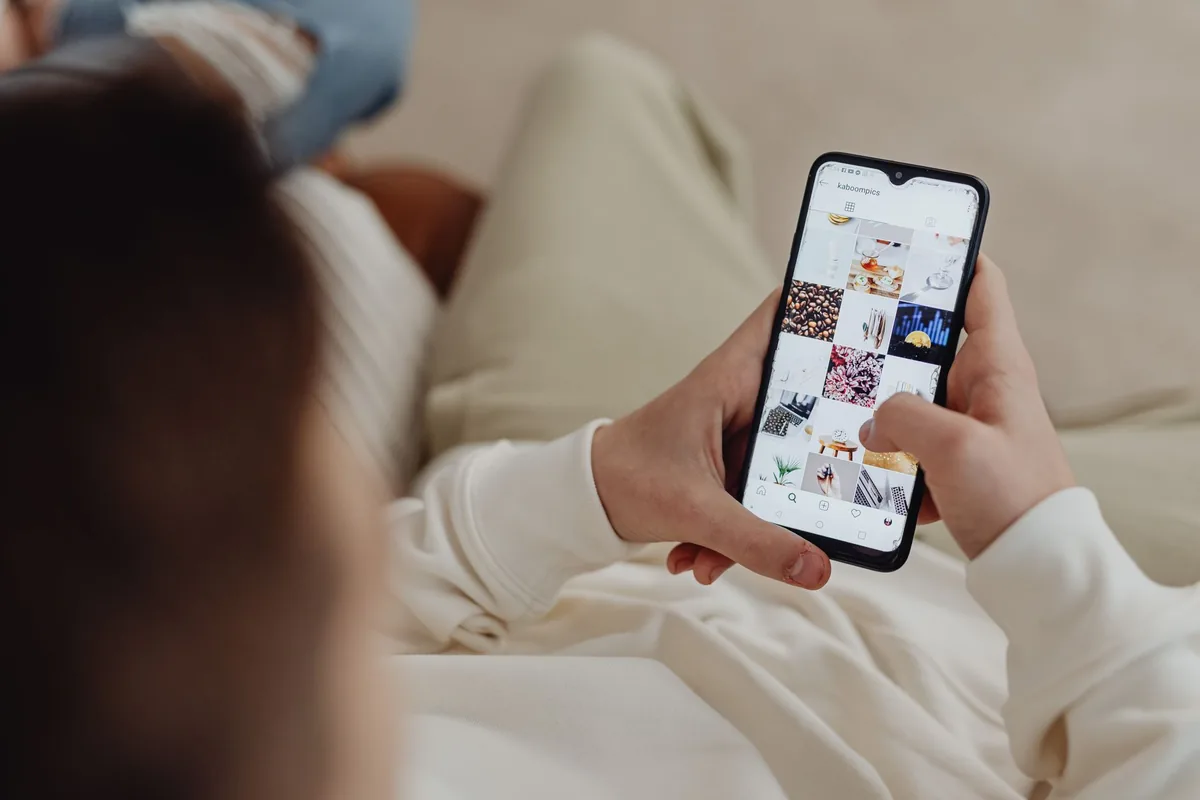
Social media inspires as much as $115 billion in travel demand across hotels, short-term rentals, and airlines, according to Skift Research. [1] The discovery shift is nearly complete, with Skift Research’s Global Traveler Mindset and Trends 2026 report placing social media at 36% of trip discovery, trailing search at 41% by just a five-point gap. [1] Among younger travelers setting the pace, this gap disappears entirely. [1] Skift Research’s Social Commerce in Travel report found that 57% of Millennials and Gen Z cite social media as a top planning source, a rate more than six times higher than the next-closest channel. [1] Despite this massive inspiration engine, actual booking through social channels sits at a conservative estimate of around $7 billion today. [1] The demand is proven, but the conversion path remains unfinished work. [1]
Do smaller follower counts drive actual hotel bookings?
Smaller follower counts are proving highly effective at closing sales, as brands shift their focus from buying reach to buying a track record of conversion. Skift reported this month on a New York creator with just over 6,000 followers who drove about $30,000 in sales for a Midtown hotel in 60 days. [1] This volume came from a single affiliate post, earning the creator roughly $1,500 on a 5% commission. [1] The market is pricing creators accordingly. [1] A survey by CreatorIQ shows that just 8% of brands now rank follower count as the top factor in choosing creators. [1] Furthermore, data from eMarketer reveals that creators with under 20,000 followers now account for nearly half of U.S. influencer marketing spend, an increase from under 20% in 2021. [1]
What structural hurdles prevent better creator integration?
The primary barrier is structural, as creator spend and primary campaign spend still live in different budgets, run by different teams, and are measured against different goals. [1] This creates a dilemma similar to the one that kept many online travel agencies slow to move in the past. [1] Companies remain comfortable optimizing a predictable paid-search channel, while a faster-moving, less measurable channel builds real demand alongside it. [1] These efforts remain unconnected to the campaigns they should reinforce. [1] Nobody currently has a clean number for what a brand gains by closing that gap and running creator activity inside the same system as its primary media buy. [1]

What decisions will the room work through?
The summit will tackle the open problems surrounding creator commerce, rather than simply reciting statistics. [1] The agenda includes mapping the creator-to-commerce chain from discovery through booking to loyalty, presented by Meta. [1] The working sessions will address specific conflicts in the current marketing model. [1] These include Reach vs. Depth, exploring the best approaches for matching brand, platform, and creator at scale as artificial intelligence and commerce overlap with social in the booking journey. [1] Attendees will also debate Brand vs. Performance, determining how brands should define and measure a program when most run on production value, reach, and commerce simultaneously without clear measurement. [1] Trust vs. Scale will cover how creators protect their credibility as AI-generated content floods the internet. [1] Own vs. Rent will ask whether brands should build a proprietary creator network, plug into a platform’s marketplace, or run it through an agency. [1] Finally, Content vs. Commerce will define where influence ends and the transaction begins, identifying which content actually closes a trip. [1]
Who will attend the 2026 strategy forum?
The event will convene more than 100 senior decision-makers as part of the Skift Global Forum. [1] The room draws chief marketing and growth officers, alongside heads of brand, social, media, and performance. [1] These executives represent airlines, hotels, online travel agencies, cruise lines, and short-term rental platforms. [1] Destination marketing, loyalty, and partnership leaders will also attend, joining the platform executives who are building creator commerce tools. [1] Attendance is limited, and applications are reviewed for role and fit to ensure a closed-door strategy forum for leaders focused on creator-led discovery. [1]
| Metric Category | Data Point | Source |
|---|---|---|
| Trip Discovery (General) | Social media at 36% vs. search at 41% | Skift Research |
| Trip Discovery (Millennials/Gen Z) | 57% cite social media as top planning source | Skift Research |
| Travel Demand Inspired by Social | $115 billion | Skift Research |
| Actual Bookings through Social | $7 billion | Skift Research |
| Follower Count Importance | 8% of brands rank it as the top factor | CreatorIQ |
| Micro-Creator Spend Share | Nearly half of U.S. influencer marketing spend | eMarketer |
Reported by
This article was written from the following reporting. Follow the links for the original coverage.
Frequently asked
+When and where is the Skift Creator Summit 2026?
The Skift Creator Summit will take place on September 22, 2026, in New York City, as part of the broader Skift Global Forum. It is presented by Meta.
+How much travel demand is inspired by social media?
According to Skift Research, social media inspires as much as $115 billion in travel demand across hotels, short-term rentals, and airlines, though actual booking through social channels is currently estimated at around $7 billion.
+What percentage of younger travelers use social media for trip planning?
Skift Research found that 57% of Millennials and Gen Z cite social media as a top planning source for travel, which is more than six times higher than the next-closest channel.
+Do brands still prioritize follower counts when choosing creators?
No, a survey by CreatorIQ shows that just 8% of brands now rank follower count as the top factor in choosing creators, as companies shift their focus to conversion and sales track records.
+How much of the influencer marketing budget goes to smaller creators?
Creators with under 20,000 followers now account for nearly half of U.S. influencer marketing spend, an increase from under 20% in 2021, according to data from eMarketer.
+Who is attending the Skift Creator Summit?
The event will host over 100 senior decision-makers, including chief marketing and growth officers, and heads of brand, social, media, and performance across various travel sectors. Attendance is limited and requires an application.
Keep reading
Our reporting


More in marketing