Saudi Hotel Capital Shifts From Megaprojects to Business Travel
PIF pares back funding for Neom and leisure megaprojects while private ventures deploy $1B into urban corporate hotels.
The short answer
Saudi Arabia's Public Investment Fund is scaling back financing for leisure megaprojects like Neom to focus on AI and aviation infrastructure. Meanwhile, private investors are committing $1 billion to build 50 mid-market business hotels across the Kingdom's primary commercial cities.
“some priorities have been reshuffled and investment objectives repositioned with greater focus on AI infrastructure and investments in AI companies.”
The short version
- PIF is scaling back tourism megaproject funding to prioritize AI infrastructure and aviation hubs.
- Patel Family Office and AHQ are deploying $1 billion to build 50 business hotels by 2029.
- Neom and The Line face scope reductions and hotel opening delays under the updated 2026-2030 strategy.
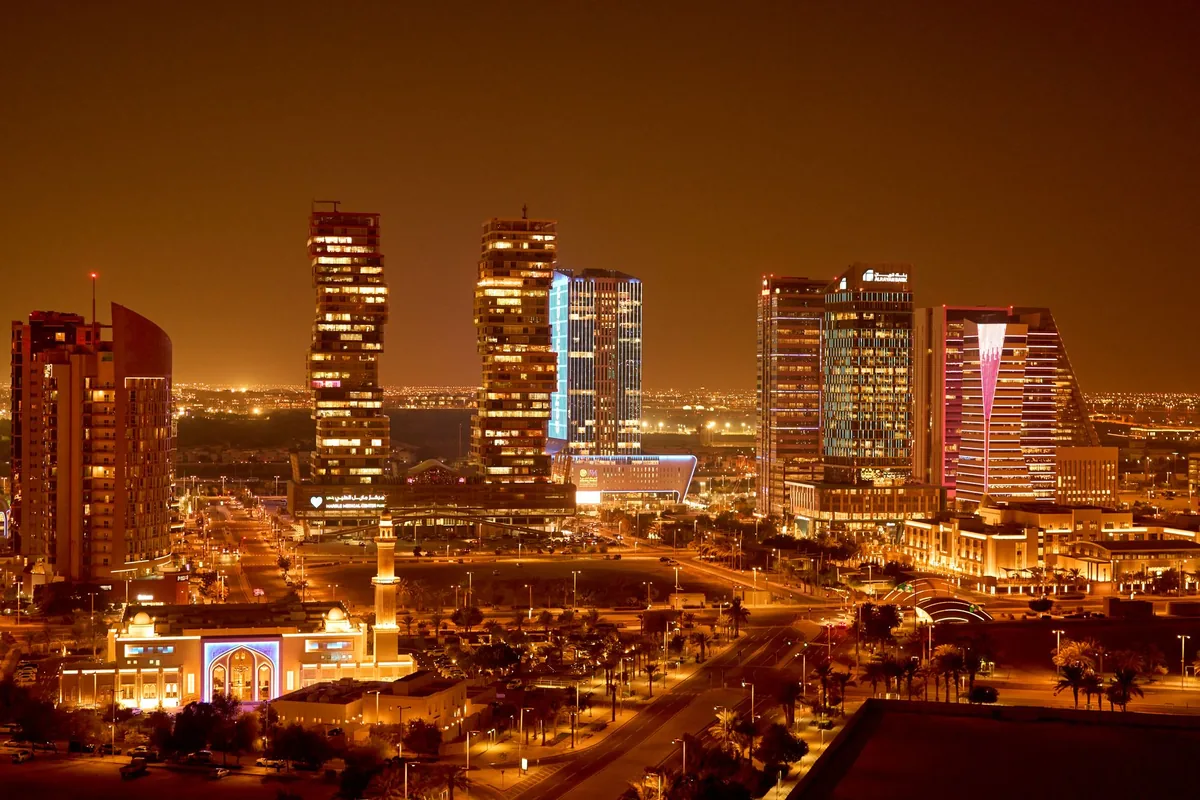
Saudi Arabia is redirecting state capital away from leisure megaprojects like Neom and toward artificial intelligence infrastructure, while private capital steps in to build mid-market corporate hotels [1]. The Public Investment Fund is scaling back sovereign financing for long-timeline developments, creating room for private joint ventures targeting commercial demand in major urban hubs [[1], [2]].
Why is the Public Investment Fund scaling back megaproject funding?
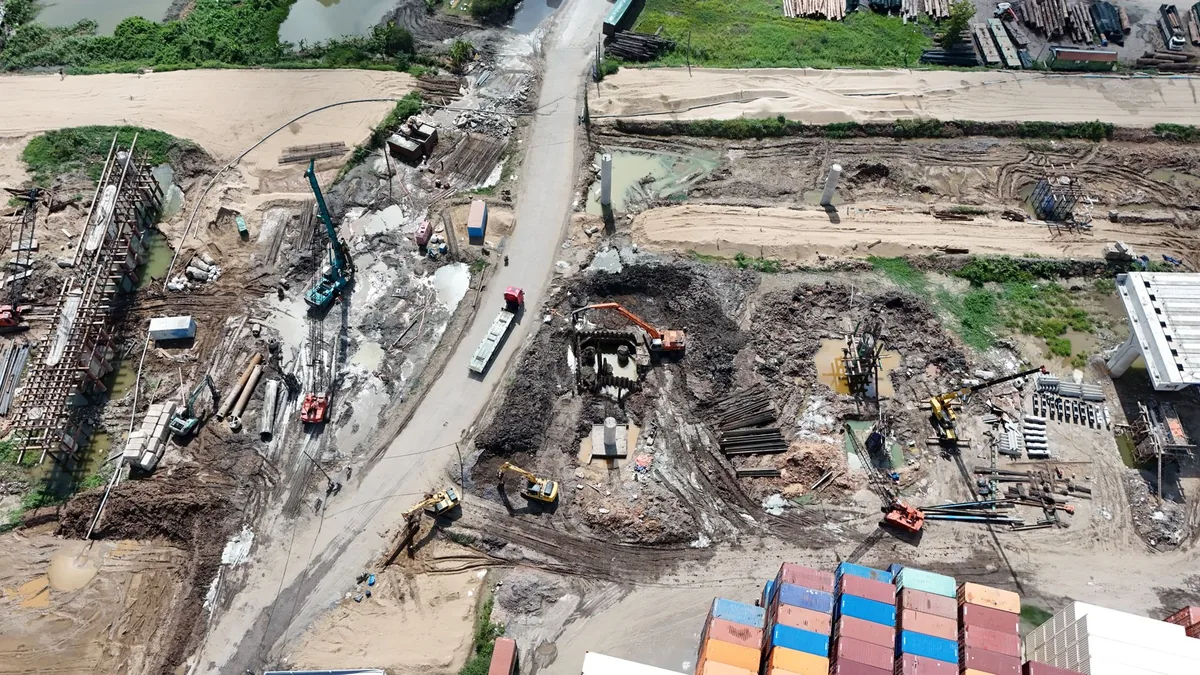
The sovereign wealth fund is adjusting its capital allocation to emphasize technology and immediate demand drivers over remote leisure builds. As reported by Skift, Public Investment Fund Governor Yasir Al-Rumayyan confirmed during an update to the PIF 2026-2030 program that investment objectives have been repositioned with greater focus on AI infrastructure and AI companies [1]. Flagship developments under the Vision 2030 framework, initially launched in 2016 to diversify the economy away from oil, face construction delays, reductions in scope, and missed delivery targets [1]. Neom, the $500 billion desert development announced in 2017, has fallen behind on hotel openings, while its 170-kilometer linear city, The Line, is being scaled down [1]. State capital is shifting toward proven infrastructure, including aviation hubs and preparations for major events, requiring future tourism developments to source private funding [1].

Where is private hotel investment deploying capital instead?
Private capital is targeting urban corporate hotel demand in Saudi Arabia's primary commercial markets rather than greenfield luxury destinations. Skift reported that the Patel Family Office, a United States investment firm, partnered with Saudi industrial conglomerate Abdel Hadi A. Al-Qahtani & Sons to launch a $1 billion business hotel platform [2]. Operating under the Ayara hospitality platform, the joint venture plans to construct 50 hotels containing between 5,000 and 7,000 rooms across Riyadh, Jeddah, and Dammam by 2029 [2]. These properties will operate under international brand flags using a vertically integrated development model [2].
What hotel segments face inventory imbalances across the Kingdom?
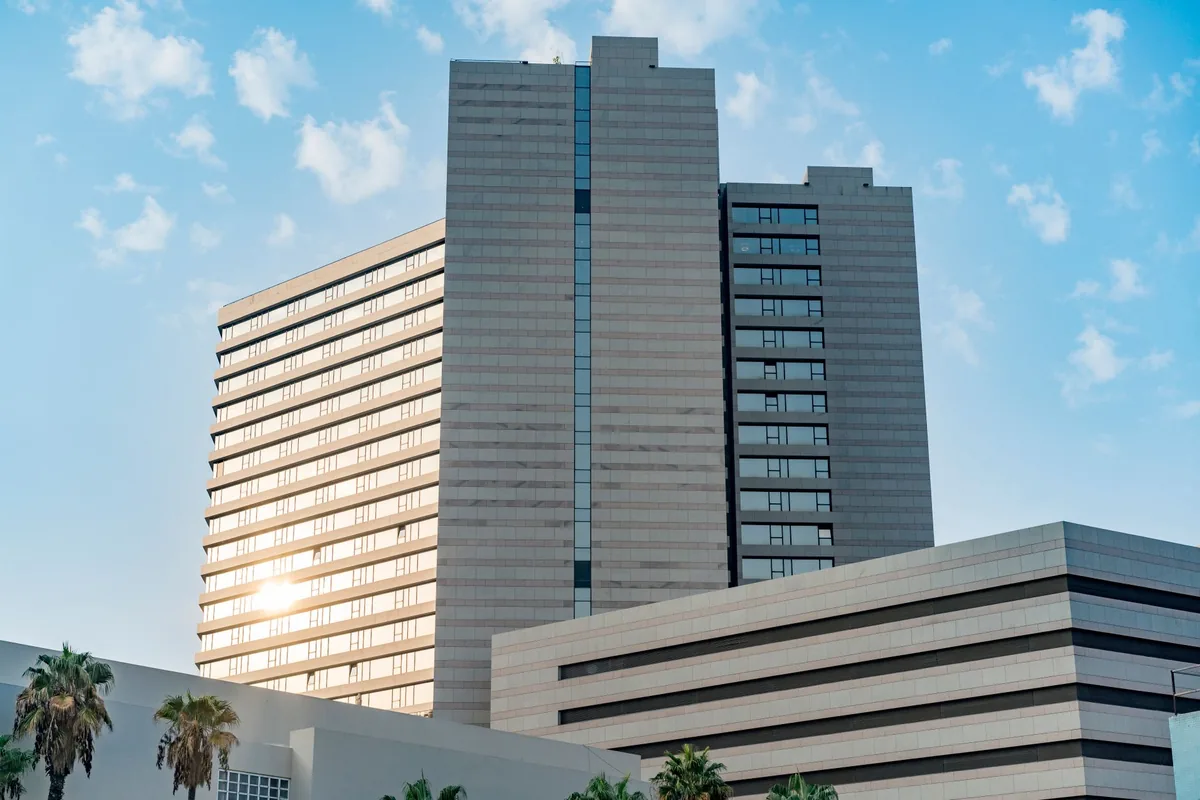
The domestic market currently exhibits an oversupply of luxury developments alongside an undersupply of mid-market business inventory. Existing supply and pipeline projects have leaned toward high-end luxury concepts, leaving commercial and MICE travelers underserved in commercial centers [2]. The Ayara venture aims to resolve this gap by delivering corporate-focused rooms across economic hubs [2]. Meanwhile, leisure destinations like Sindalah yachting island, Trojena ski resort, and the Red Sea Destination face adjusted delivery timelines and downscaled state backing [1].
| Project / Initiative | Capital & Scope | Lead Entities | Target Timeline |
|---|---|---|---|
| Neom Master Plan | $500 billion original plan; scope scaled down | Public Investment Fund (PIF) | Phased (Sindalah 2024, Trojena 2027, The Line 2045) |
| Ayara Hospitality Platform | $1 billion (50 hotels, 5,000-7,000 rooms) | Patel Family Office & Abdel Hadi A. Al-Qahtani & Sons (AHQ) | 2029 completion target |
| PIF 2026-2030 Strategy | Capital redirected to AI and aviation hubs | Public Investment Fund (PIF) | 2026-2030 cycle |
How do these two shifts redefine the hotel development outlook?
The simultaneous scale-back of state-backed megaprojects and the expansion of private urban platforms highlight a transition toward demand-driven asset classes. According to Skift, the state is prioritizing aviation hubs and event infrastructure, leaving greenfield leisure resorts to secure non-government funding [1]. In parallel, commercial ventures are deploying private equity into high-yield, corporate-focused hotel rooms that align with current commercial activity in metropolitan centers [2]. Asset managers and developers are focusing on mid-tier supply that serves direct business travel demand rather than waiting for remote megaproject completions [[1], [2]].
Reported by
This article was written from the following reporting. Follow the links for the original coverage.
Frequently asked
+Why is the PIF reducing funding for tourism megaprojects?
The Public Investment Fund is shifting capital toward AI infrastructure and AI companies while focusing state resources on proven demand drivers like aviation hubs and major international events.
+Which megaprojects are affected by the funding reshuffle?
Neom and the Red Sea Destination are facing funding cutbacks. Neom components like Sindalah, Trojena, and The Line face delays, hotel opening shortfalls, or reductions in scope.
+What is the Ayara hospitality initiative?
Ayara is a hospitality management platform formed by the US-based Patel Family Office and Saudi conglomerate Abdel Hadi A. Al-Qahtani & Sons to invest $1 billion into corporate hotels.
+How many hotel rooms will the Ayara venture add by 2029?
The partnership plans to deliver 50 hotels comprising between 5,000 and 7,000 rooms across Riyadh, Jeddah, and Dammam under international hotel brand flags.
+Why are investors focusing on mid-market business hotels in Saudi Arabia?
Current hospitality pipelines are heavily concentrated in the luxury segment, creating an undersupply of mid-market hotel rooms for corporate and MICE travelers in primary economic hubs.
Keep reading
Our reporting

More in finance