Saudi Airport Attacks Threaten Inbound Hotel Demand
A week of deadly strikes on Riyadh's airport challenges airline routes and international tourism investment across the kingdom.
The short answer
Repeated strikes on King Khalid International Airport have disrupted flight operations and cast uncertainty over inbound travel routes to Saudi Arabia. Hotel asset managers must track airline responses as international carriers reassess service to Riyadh.
The short version
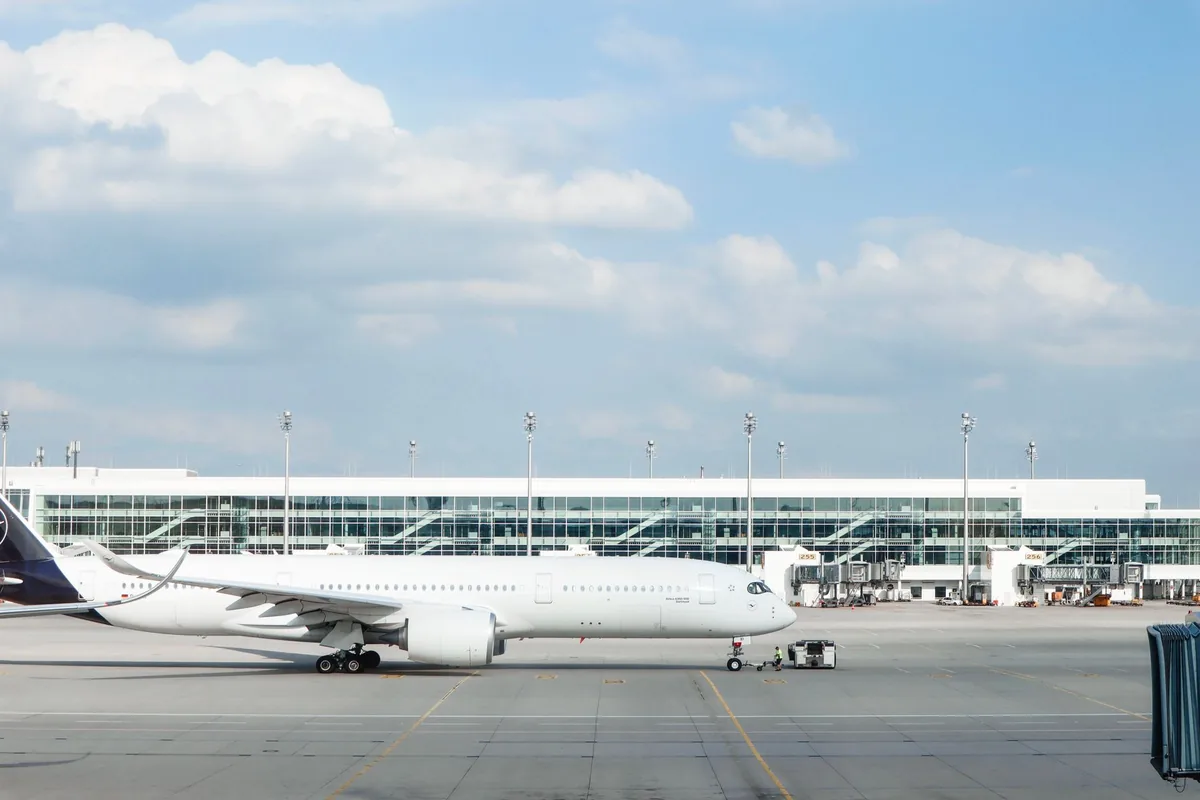
- King Khalid International Airport suspended operations after an October 10 strike killed at least 12 people and injured more than 300.
- Delta Air Lines faces an October 23 launch for nonstop Atlanta-Riyadh service amid airport attacks, having previously promoted seats for 15,000 miles.
- Virgin Atlantic withdrew its London-Riyadh service in April over security concerns and schedule reliability.
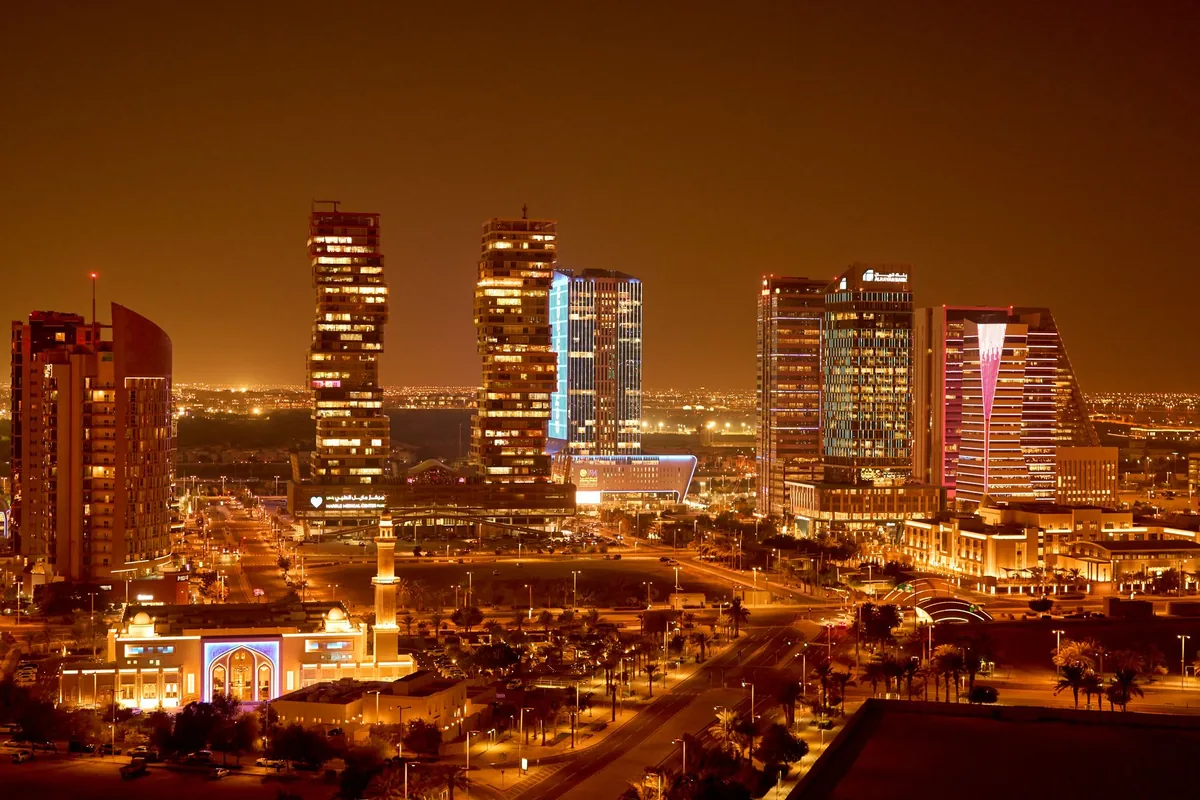
A sustained wave of deadly strikes on Saudi airports, particularly King Khalid International in Riyadh, directly threatens the kingdom's inbound tourism pipeline [1]. By targeting commercial aviation corridors and halting flights, Yemen's Houthi movement has forced flight suspensions, prompted route cancellations, and cast doubt on international airline expansions critical to filling regional hotel rooms [[1], [2]].
What happened during the recent strikes on Riyadh's airport?
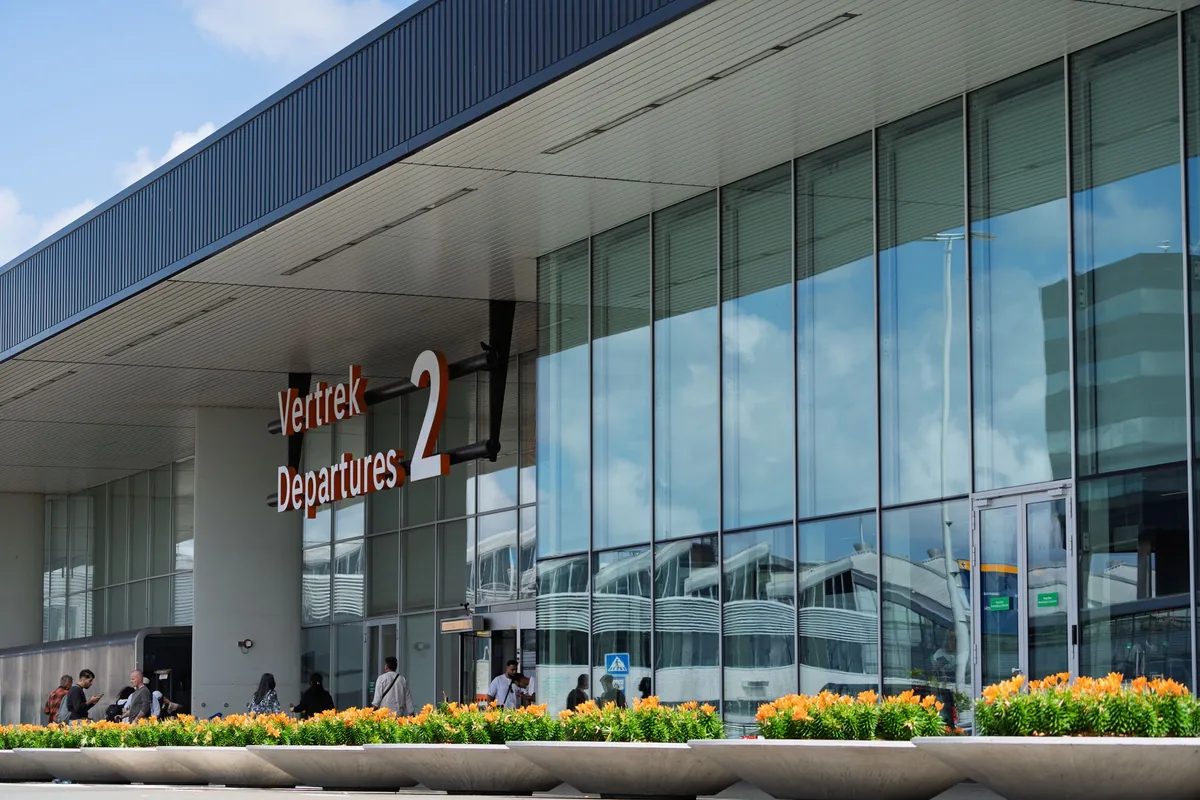
Attacks began on October 5 and culminated in an October 10 strike on King Khalid International Airport that killed at least 12 people and injured more than 300, according to Saudi authorities [[1], [2]]. Yemen's Houthi movement claimed responsibility for the operations, explicitly declaring Saudi airports and airspace as active targets while warning international carriers and travelers to stay away [[1], [2]]. The incident forced yet another complete suspension of airport operations in Riyadh, disrupting regional flight schedules [2].
Which international airline routes face immediate disruptions?
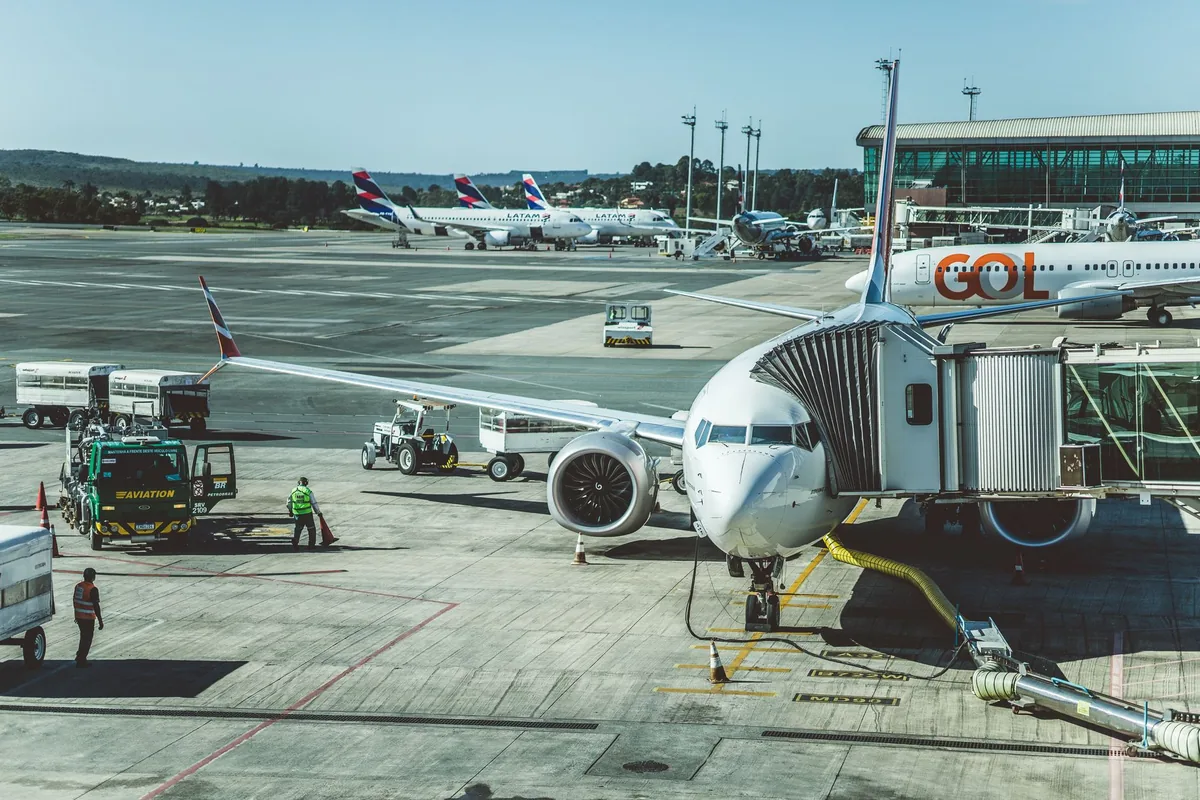
Virgin Atlantic cancelled its London–Riyadh route back in April after safety assessments highlighted the regional conflict and operational difficulties in keeping reliable schedules, Skift reported [2]. Virgin Atlantic is 49% owned by Delta Air Lines [2]. The upcoming launch of Delta Air Lines' nonstop service from Atlanta to Riyadh, scheduled for October 23 as the first direct route by a U.S. carrier, faces immediate scrutiny [2]. In August, Delta offered one-way award tickets for as low as 15,000 miles to stimulate early bookings and introduce travelers to the destination [2]. Delta has not announced a postponement of the October 23 launch, according to Skift [2].
How do airport attacks alter tourism investment economics?
Saudi Arabia has committed years of planning and billions of dollars to establish itself as a global aviation and travel powerhouse, but airport attacks directly shake the safety assumptions underpinning that capital deployment, Skift reported [1]. Hotel investors depend on high-volume international connectivity to fill new rooms and generate projected yields [1]. Physical interruptions at primary hub airports instantly curtail foreign visitor arrivals and threaten the commercial viability of planned long-haul airline routes [[1], [2]].
| Carrier / Route | Status or Event Date | Details and Impact |
|---|---|---|
| London–Riyadh (Virgin Atlantic) | Cancelled in April | Withdrawn following safety reviews and schedule reliability issues [2] |
| King Khalid International (Riyadh) | October 5–10 | Week of strikes; October 10 attack left 12 dead and over 300 injured [[1], [2]] |
| Atlanta–Riyadh (Delta Air Lines) | Scheduled October 23 | First U.S. carrier nonstop route; promotional award pricing offered at 15,000 miles [2] |
What specific warnings have been issued to international carriers?
Yemen's Houthi movement explicitly identified Saudi airports and airspace as military targets, issuing public warnings for foreign airlines and commercial passengers to avoid the kingdom [1]. By identifying civilian aviation infrastructure as conflict zones, these declarations complicate airline insurance rates, route viability, and passenger willingness to travel to Riyadh [1].
Reported by
This article was written from the following reporting. Follow the links for the original coverage.
Frequently asked
+What caused the recent flight suspensions at King Khalid International Airport?
A wave of deadly attacks by Yemen's Houthi movement struck the airport, including an October 10 strike that killed at least 12 people and injured more than 300, forcing authorities to suspend operations [[1], [2]].
+Did Virgin Atlantic pull out of Saudi Arabia because of the regional conflict?
Yes, Virgin Atlantic cancelled its London–Riyadh route in April, citing the ongoing regional conflict, safety assessments, and difficulties maintaining a reliable flight schedule [[2]].
+Is Delta Air Lines still launching its scheduled nonstop flight to Riyadh?
Delta Air Lines scheduled its first nonstop flight from Atlanta to Riyadh for October 23 and has not announced a postponement despite the October 10 airport strike [[2]].
+What warnings were directed at international airlines operating in Saudi Arabia?
Yemen's Houthi movement explicitly identified Saudi airports and airspace as active targets, warning international carriers and foreign travelers to stay away from the kingdom [[1]].
+How did Delta promote early seat sales on its Riyadh route?
Delta offered one-way award redemption seats for as low as 15,000 miles in August to encourage early bookings and introduce passengers to Riyadh [[2]].
Keep reading
Our reporting


More in operations