Red Roof Redesigns Economy Rooms to Cut Housekeeping Labor
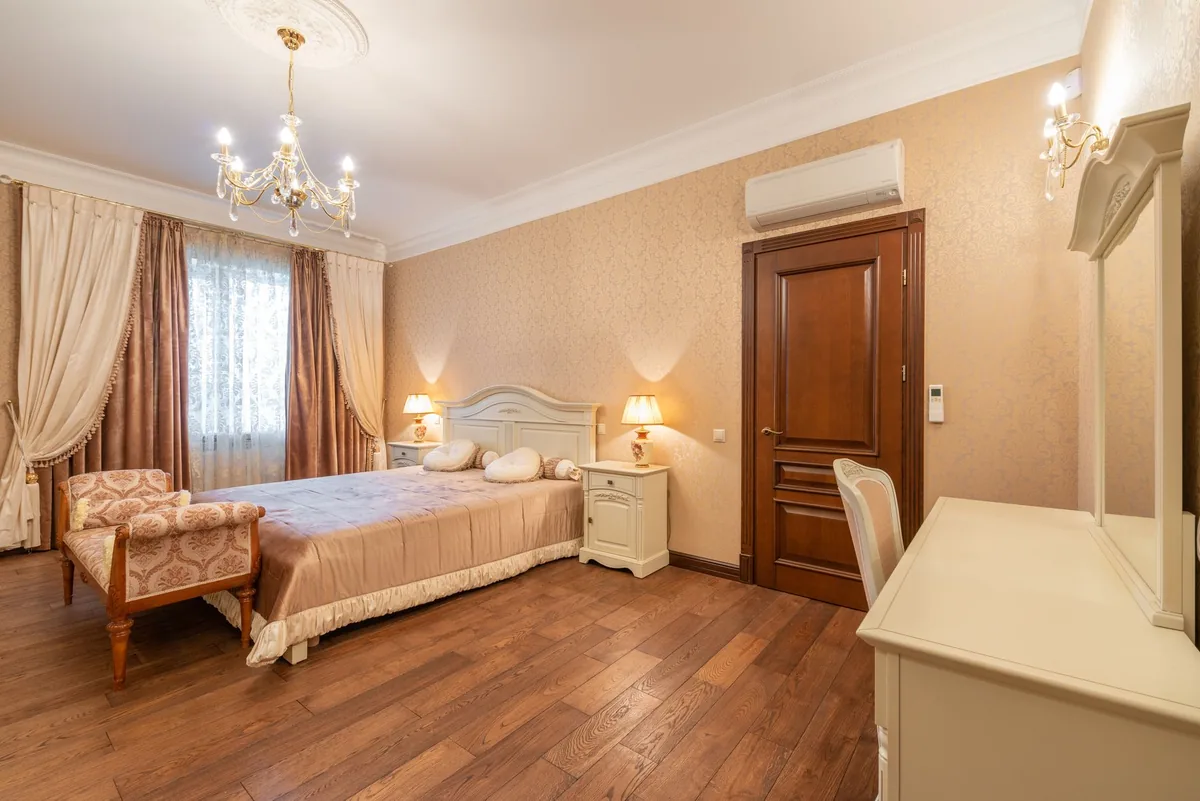
The budget brand is replacing traditional casegoods with open cubbies and installing floating furniture to speed up room turnover and reduce maintenance costs.
The short answer
Red Roof is modernizing its economy hotel rooms by removing drawers and installing floating furniture to speed up housekeeping. The brand is also utilizing a centralized procurement platform to help franchisees manage renovation costs.
“The new open cubbies look modern, are less likely to get damaged, are easier for the cleaning staff to access and prevent guests from leaving items behind.”
The short version
- Red Roof replaced traditional dressers with open cubbies to reduce hardware damage and speed up room cleaning.
- Faux-wood flooring increased guest satisfaction scores by keeping pet-friendly rooms smelling clean.
- Q&A Hospitality provides a Room-In-A-Box solution to streamline purchasing for franchisees converting properties.
Red Roof is modernizing its economy hotel properties by redesigning guestrooms to prioritize operational efficiency and durability while meeting evolving guest expectations. Through initiatives like replacing traditional casegoods with open cubbies, installing faux-wood flooring, and utilizing a centralized procurement platform with more than 100 vendors, the brand reduces housekeeping labor and maintenance costs for franchisees [1].
How does removing drawers and doors from casegoods benefit franchisees?
Eliminating closed storage in guestrooms directly reduces maintenance costs and speeds up the cleaning process [1]. Michael Sharp, vice president of design, construction and procurement at Red Roof, told Hotel Business that the company value-engineered its casegoods package for both the core Red Roof brand and the extended-stay HomeTowne Studios brand [1]. The updated design removes all unnecessary drawers and doors from the furniture [1]. Instead of traditional dressers and cabinets, the rooms feature open cubbies [1]. Sharp noted that these cubbies have a modern appearance and suffer damage less frequently than traditional closed cabinets [1]. Broken hinges and stuck drawers no longer require maintenance tickets [1]. Furthermore, cleaning staff can access the open spaces faster during room turnover, and guests do not leave personal items behind as often because their belongings remain visible [1]. This structural change provides a combination of convenience for the guest and strict cost efficiency for the franchisee [1].
Why is faux-wood flooring replacing carpet in these economy rooms?
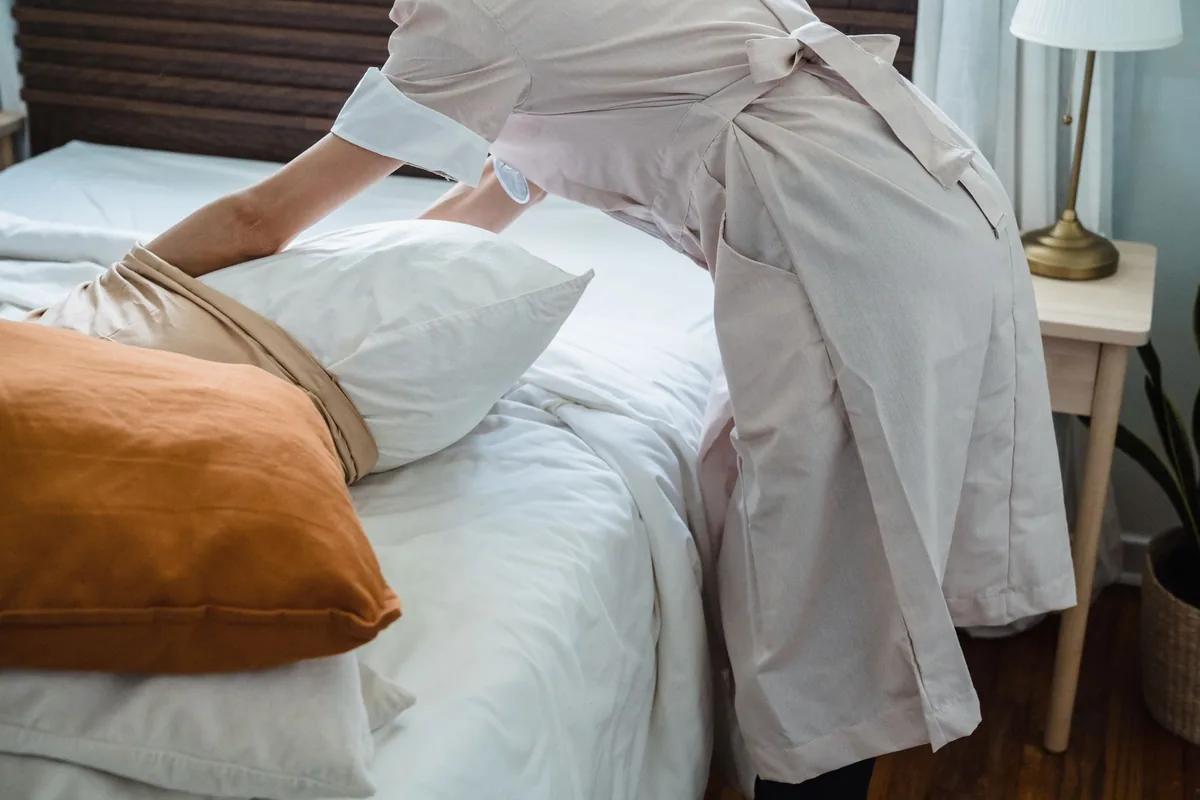
Hard surface flooring drastically cuts down on cleaning time and odor retention, particularly for a pet-friendly brand [1]. Hotel Business reported that Red Roof shifted to traditional faux-wood flooring to make guestrooms easier to clean [1]. This specific design choice directly resulted in increased guest satisfaction scores across the portfolio [1]. Because Red Roof allows pets, the wood floors serve a highly functional purpose by keeping the rooms looking and smelling clean [1]. Carpet traps pet dander and spills, requiring extensive shampooing, whereas faux-wood allows housekeepers to quickly sweep and mop the surface [1]. In the economy tier, executing these basic essentials properly often determines the success or failure of the entire guest experience [1].
What role does color psychology play in the updated room aesthetic?
A shift to neutral tones aims to replicate a calming residential environment [1]. Rather than utilizing the bright red walls that characterize Red Roof's public areas and exterior branding, the company introduced a "greige" color scheme inside the guestrooms [1]. Greige is a specific blend of gray and beige [1]. Hotel Business noted that this interior color palette rolled out across the portfolio in 2019 [1]. The corporate design decision followed the rapid rise in popularity of greige within the residential design market [1]. Bringing these familiar, neutral tones into the hotel environment allows properties to evoke that same calming residential feeling for travelers, contrasting with the highly functional nature of the economy segment [1].
Which specific furniture choices reduce housekeeping labor?
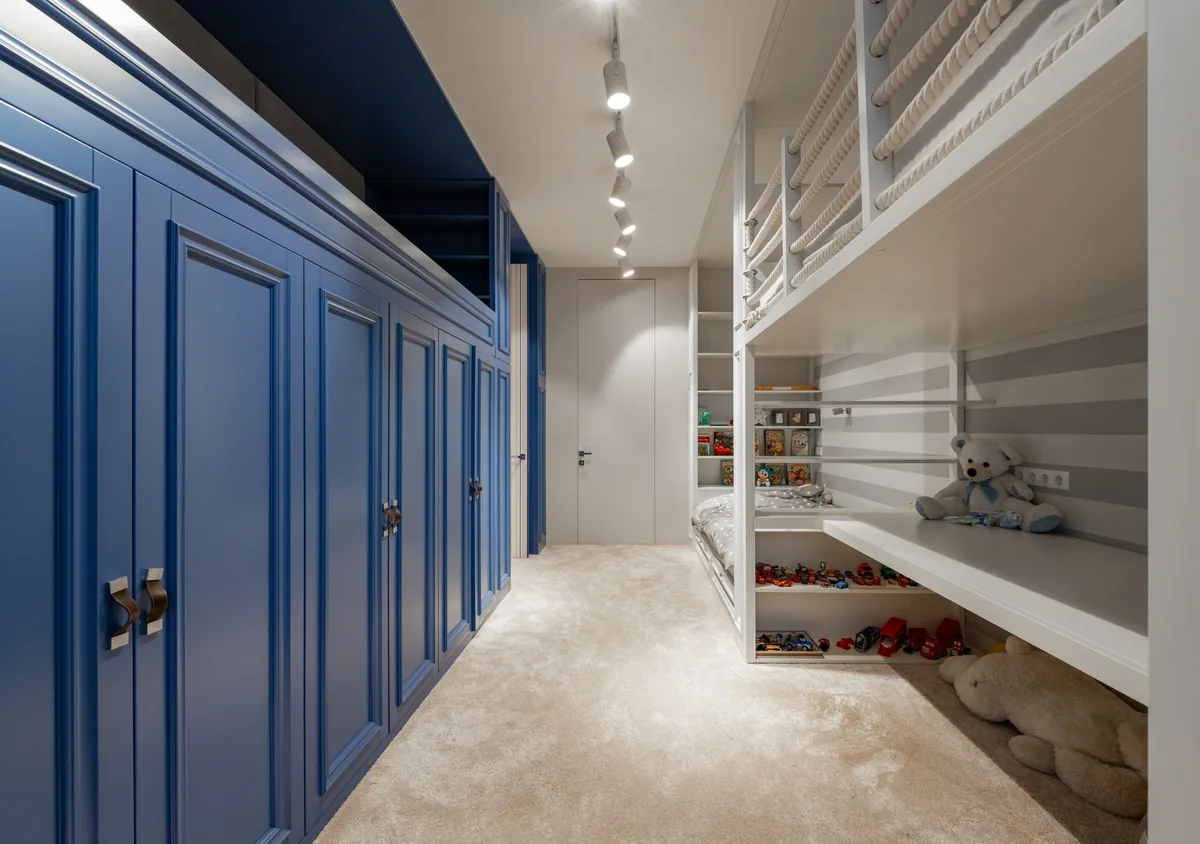
Wall-mounted fixtures like floating side tables clear floor space, allowing staff to vacuum and mop faster [1]. Sharp explained that the design team constantly evaluates ways to improve room layouts and construction through deliberate, functional touches [1]. Floating side tables eliminate furniture legs from the floor, which simplifies the physical cleaning process [1]. Housekeepers no longer need to move heavy side tables or clean around awkward legs [1]. This physical design change reduces the total time required to prepare a room for the next arrival [1]. When combined with operational adjustments at HomeTowne Studios—such as less frequent housekeeping, optional lobby coffee, and reduced open lobby hours—these design choices save owners money on daily labor [1].
How does the procurement strategy keep renovation costs down?
A centralized procurement platform offering a "Room-In-A-Box" solution streamlines purchasing and limits the number of suppliers owners must manage [1]. The Red Roof procurement platform currently features a growing roster of more than 100 vetted vendors [1]. According to Hotel Business, the corporate team evaluates every vendor on the platform for price, quality, and service levels [1]. This structure gives franchisees multiple reliable options for each product category, allowing them to select the purchasing program that fits their specific property [1]. To further simplify renovations and brand conversions, Red Roof uses Q&A Hospitality as its approved "Room-In-A-Box" vendor [1]. Q&A Hospitality sources every single item required for a project [1]. This arrangement gives owners access to necessary supplies without the burden of managing numerous separate suppliers, providing peace of mind during complex hotel conversions [1].
What future upscale trends will impact economy hotel design?
Wellness features and artificial intelligence-driven personalization are expected to move from luxury tiers into the budget space [1]. Hospitality trends historically trickle down from upscale and luxury properties until they eventually reach economy hotels [1]. Sharp told Hotel Business that Red Roof is currently watching wellness amenities develop in upscale hotels [1]. The company expects these wellness features to eventually infiltrate the broader industry as they become more accessible and cheaper to implement [1]. Beyond physical design, artificial intelligence technology is advancing personalization across all hotel tiers [1]. Red Roof formed partnerships with Milestone Inc., Sojern, ibex, and Zeta Global to update its approach to marketing, guest communications, and personalization using artificial intelligence [1]. While the exact impact of these technological trends on physical hotel design remains undetermined, their influence already affects how economy brands operate and market themselves to guests [1].
| Design Element | Operational Benefit | Guest Benefit |
|---|---|---|
| Open Cubbies | Eliminates broken drawer hardware and speeds up cleaning access | Prevents leaving personal items behind |
| Faux-Wood Flooring | Reduces cleaning time and eliminates carpet shampooing | Keeps rooms smelling clean, especially with pets |
| Greige Wall Colors | Standardizes paint across the portfolio | Provides a calming, residential feel |
| Floating Side Tables | Allows mops and vacuums to pass underneath without moving furniture | Creates a modern, uncluttered aesthetic |
Reported by
This article was written from the following reporting. Follow the links for the original coverage.
- [1]Red Roof Modernizes Economy Hotels with Operational Design— Hotel Business
Frequently asked
+Why did Red Roof remove drawers from its casegoods?
Red Roof removed drawers and doors to create open cubbies, which suffer less damage, allow cleaning staff faster access, and prevent guests from leaving items behind [[1]].
+What type of flooring does Red Roof use in renovated rooms?
Red Roof uses traditional faux-wood flooring because it is easier to clean, holds fewer odors from pets, and has increased guest satisfaction scores [[1]].
+What color are the new Red Roof guestrooms?
The guestrooms feature a "greige" color scheme—a blend of gray and beige—which rolled out in 2019 to mimic calming residential design trends [[1]].
+How do floating side tables help hotel operations?
Floating side tables clear the floor space, making it easier and faster for housekeepers to clean the floor and prepare the room for the next guest [[1]].
+How many vendors are on the Red Roof procurement platform?
The Red Roof procurement platform includes more than 100 vendors, all vetted for price, quality, and service [[1]].
+Who provides the Room-In-A-Box package for Red Roof?
Q&A Hospitality serves as the approved Room-In-A-Box vendor, sourcing everything needed to renovate or convert a hotel into a Red Roof [[1]].
Keep reading
Our reporting
More in operations