Mexico Spends $115M on Record Sargassum Surge as Hotels Cut Rates
The Mexican government is investing in vessels and barriers to fight foul-smelling seaweed on the Caribbean coast, while hotels are forced to lower prices.
The short answer
Mexico is spending $115 million on vessels and barriers to combat a record surge of sargassum seaweed on its Caribbean coast. The environmental crisis is forcing local hotels to clean beaches and slash room rates to maintain bookings.
The short version
- Mexico is investing $115 million in specialized vessels, offshore barriers, and monitoring systems to combat the seaweed.
- The 2026 sargassum surge is shaping up to be the worst on record since the algae emerged in 2011.
- Hotels are being forced to slash room rates and clean beaches as the decomposing seaweed deters swimmers.
Mexico is combating a record-breaking surge of foul-smelling sargassum seaweed along its Caribbean coast by allocating $115 million for specialized vessels, offshore barriers, and monitoring systems. The environmental disruption is forcing local hotels to clean beaches and slash room rates as the decomposing algae deters tourists and inflicts mounting economic damage.
What is driving the record seaweed surge?
Warmer ocean temperatures and nutrient pollution are fueling the unprecedented growth of sargassum in the Caribbean. According to Skift, the brown algae initially emerged in the region in 2011, but the current year is shaping up to be the worst on record [2]. CityNews Toronto reported that this record wave of seaweed continues to wash up on beaches along Mexico's Caribbean coast, inflicting mounting economic damage on the region [1]. While a moderate amount of sargassum in the open ocean contributes to a healthy environment by providing a habitat for birds and marine life, the sheer volume washing ashore has overwhelmed local infrastructure [2].
How is the government responding to the crisis?
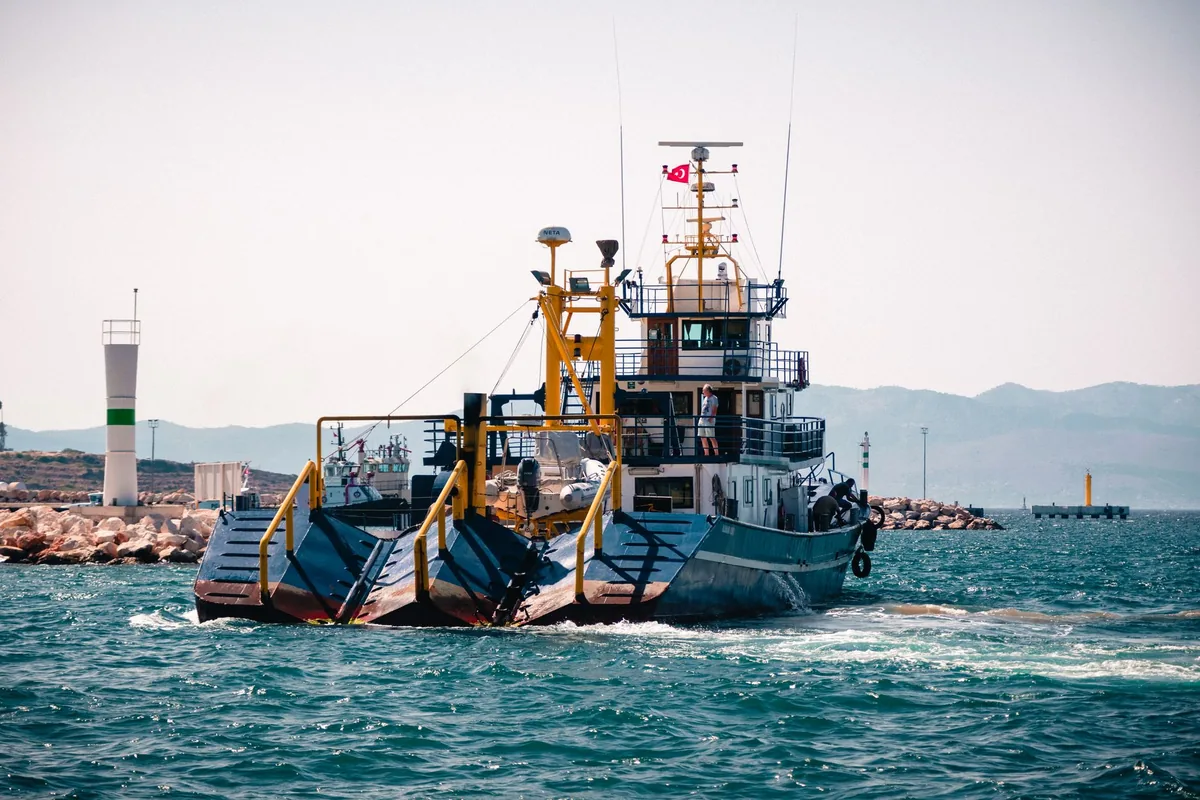
Mexico is spending $115 million on offshore barriers, monitoring systems, and specialized vessels to intercept the algae. Skift reported that these funds are specifically directed at dealing with the smelly seaweed that has plagued the Caribbean on an unprecedented scale this year [2]. The tourism industry has welcomed this financial move, but operators are also calling for more long-term planning focused on environmental fixes rather than just immediate removal tactics [2].
What impact is the algae having on hotel operations?
Properties are being forced to slash room rates and take on the physical burden of cleaning the affected beaches themselves. The influx of sargassum is sinking tourism on the coast, according to CityNews Toronto [1]. Hotels have been left to clean the beaches manually while simultaneously cutting their rates to entice travelers who might otherwise be deterred by the conditions [2].
How does decomposing sargassum affect the local environment?
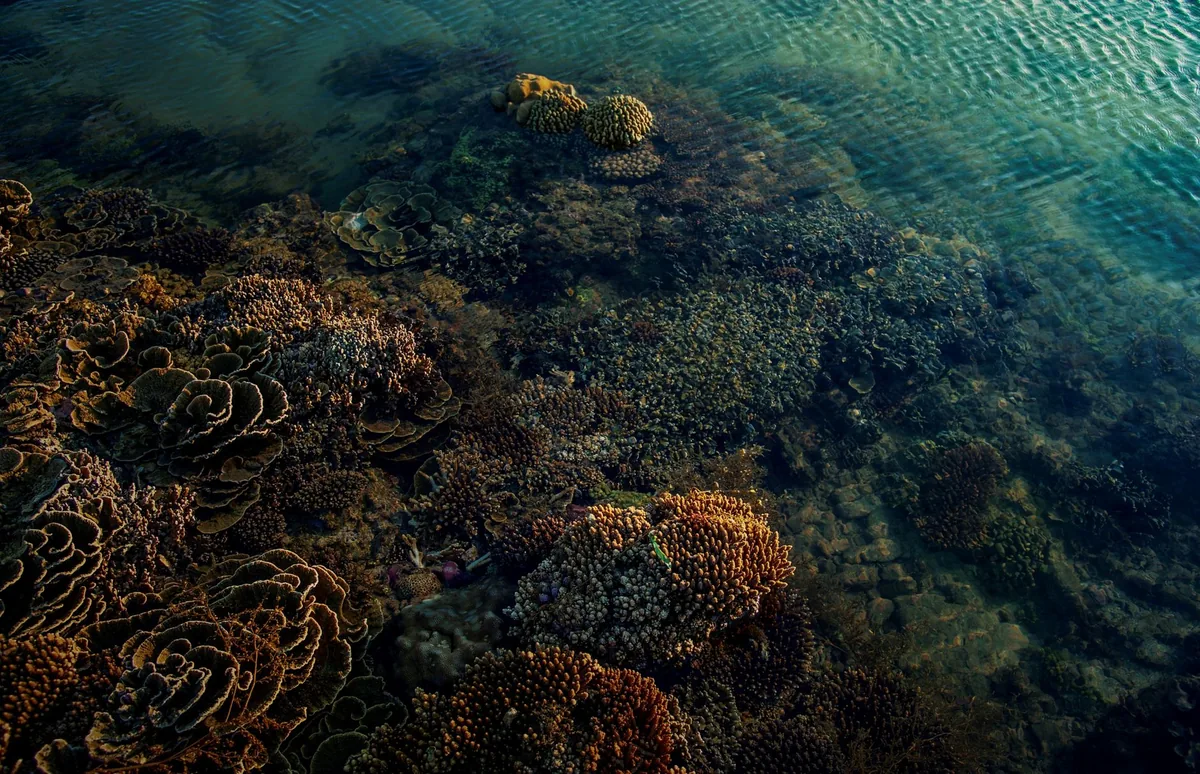
The rotting algae releases hydrogen sulphide gas, creating a rotten-egg smell that attracts flies and suffocates shallow coral reefs and seagrass. When the brown algae washes ashore and decomposes, the distinctive odor deters swimmers from entering the water [2]. This environmental degradation is a primary driver of the mounting economic damage reported by CityNews Toronto, as the foul-smelling beaches directly impact the guest experience [1].
| Metric / Event | Detail |
|---|---|
| Initial Emergence | Sargassum first emerged in the Caribbean region in 2011 [2]. |
| Current Status | This year is shaping up to be the worst on record for the seaweed surge [2]. |
| Government Investment | Mexico will spend $115 million fighting the rotting seaweed [2]. |
| Operational Impact | Hotels are forced to clean beaches and slash rates [2]. |
The combination of climate change and nutrient pollution ensures that the threat remains a persistent challenge for operators in the region [2]. As the government rolls out its specialized vessels and offshore barriers, the hospitality industry will be watching closely to see if these measures can protect the fragile coastal tourism economy from further disruption [2].
Reported by
This article was written from the following reporting. Follow the links for the original coverage.
- [1]Record Sargassum Surge Hurts Mexican Caribbean Tourism— toronto.citynews.ca
- [2]Mexico Allocates $115M to Fight Sargassum Seaweed Surge— Skift
Frequently asked
+How much is Mexico spending to fight the sargassum surge?
Mexico will spend $115 million to deal with the smelly seaweed that has plagued the Caribbean coast this year [[2]].
+What is causing the increase in sargassum?
The uptick in sargassum is attributed to warmer ocean temperatures caused by climate change and nutrient pollution, which boost the growth of the algae [[2]].
+How is the seaweed affecting hotels?
The seaweed surge is forcing hotels to clean the beaches themselves and slash room rates to attract guests [[2]].
+What happens when sargassum washes ashore?
When it washes ashore and decomposes, it releases hydrogen sulphide gas, creating a rotten-egg smell that attracts flies, deters swimmers, and suffocates shallow coral reefs and seagrass [[2]].
+When did sargassum first become a problem in the region?
The brown algae initially emerged in the Caribbean region in 2011 [[2]].
Keep reading
Our reporting

More in operations