Institutional Resort Deals: Asset Recycling and JV Strategies
Public REITs monetize large hotels for equity repurchases while joint venture partnerships deploy capital improvements across premier coastal resorts.
The short answer
Institutional investors are selling urban assets to fund share buybacks while deploying joint ventures into premier coastal resorts. Recent major deals highlight asset recycling strategies and post-acquisition capital improvement plans.
The short version
- Sunstone Hotel Investors agreed to sell the 821-room Hyatt Regency San Francisco for $279 million to Blackstone affiliates, earmarking $70 million for share buybacks.
- Henderson Park and Pyramid Global Hospitality entered Puerto Rico by purchasing the 579-key Hyatt Regency Grand Reserve for $190 million.
- Trinity Investments and Sculptor Real Estate formed a joint venture to acquire the 809-key JW Marriott Marco Island Beach Resort from MassMutual.
Institutional hospitality investors are executing two distinct transactional plays: public entities are selling large properties to private buyers to unlock liquidity for share repurchases, while private equity partnerships are acquiring premier resort assets with plans for targeted capital improvement programs to drive performance across both group and leisure segments.
How are public REITs using asset recycling to return equity?
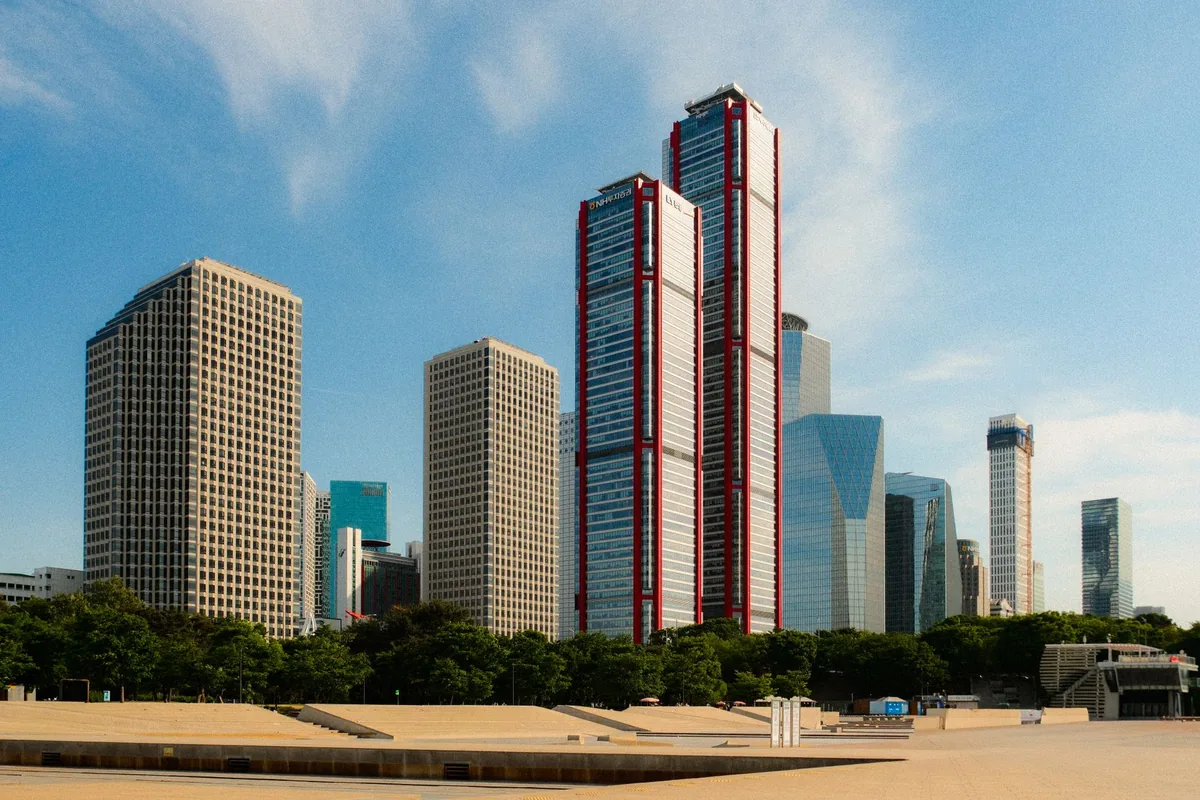
Public real estate investment trusts are divesting large assets to capture pricing differentials between public trading discounts and private market appetite. Hotel Dive reported that Sunstone Hotel Investors agreed to sell the 821-room Hyatt Regency San Francisco to funds affiliated with Blackstone Real Estate for $279 million, or about $340,000 per key [1].
Proceeds from these transactions are frequently redirected into stock repurchases rather than immediate property reinvestment. Sunstone plans to allocate $70 million of the sales proceeds from the San Francisco transaction to buy back common stock [1]. According to Hotel Dive, Sunstone also sold the 252-room Hilton New Orleans St. Charles for $47 million to fund share repurchases, having bought back 3.18 million shares for $29.1 million during the first quarter of 2026 alone [1]. Sunstone CEO Bryan Giglia stated that selling assets allows the firm to capitalize on higher private market valuations and direct proceeds into accretive options on a risk-adjusted basis [1].
What investment structures are acquiring premier resort assets?
Joint ventures combining private equity capital with seasoned operating platforms are acquiring high-inventory resort properties. In Puerto Rico, global private equity real estate firm Henderson Park teamed up with Boston-based Pyramid Global Hospitality to purchase the 579-room Hyatt Regency Grand Reserve in Río Grande [2]. As reported by Hotel Dive, a source familiar with the deal stated that the joint venture acquired the beachfront property for $190 million, marking the first Puerto Rican investment for both firms [2].
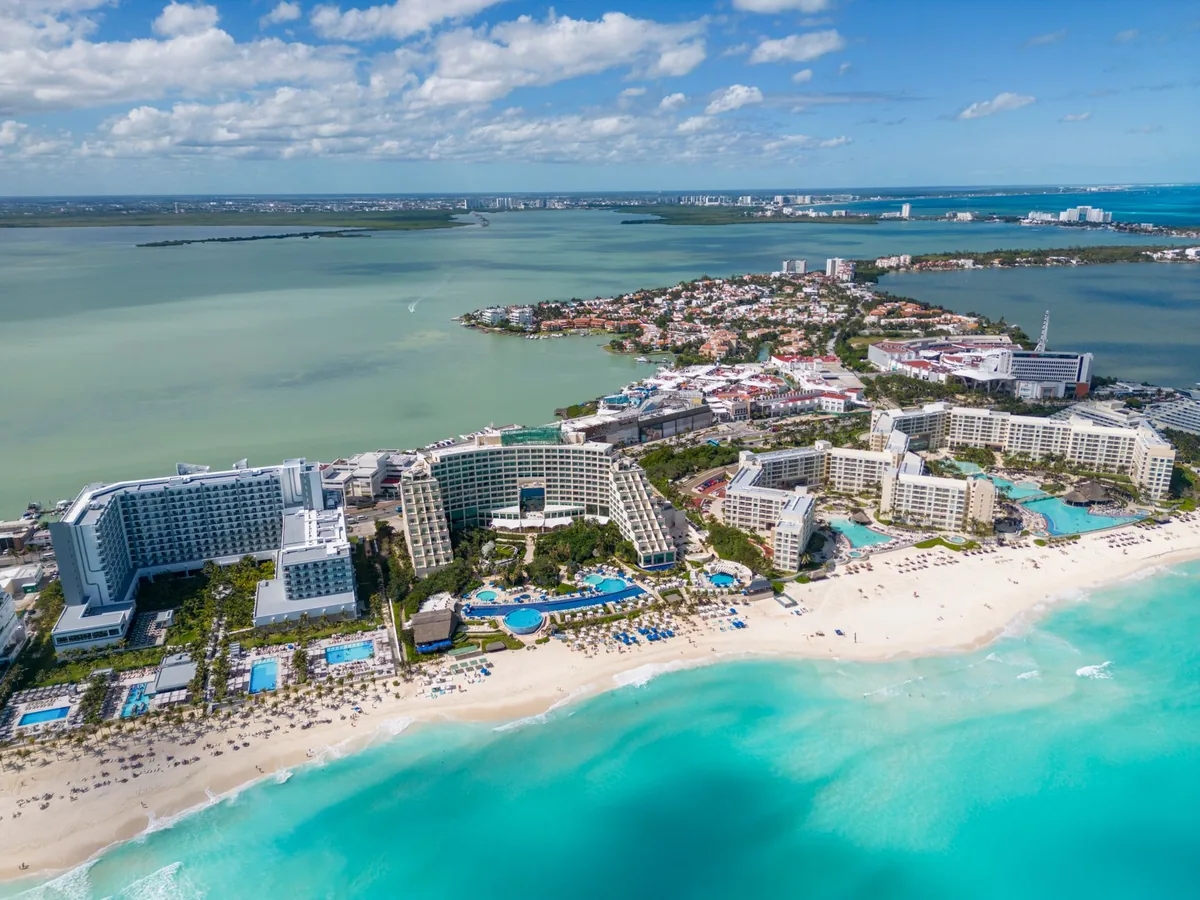
A similar joint venture model appeared on Florida's Gulf Coast. Hotels Magazine reported that a partnership between Sculptor Real Estate Income Strategy and Trinity Investments purchased the 809-room JW Marriott Marco Island Beach Resort from MassMutual, which had held the resort for more than four decades alongside asset manager Barings [3]. The transaction terms were not disclosed [3].
How do recent transactions compare across property metrics?
The pricing and physical footprints of recent large transactions reveal distinct profiles across urban convention properties and coastal leisure destinations.
| Property | Buyer / Partnership | Seller | Keys | Reported Price | Reported Price Per Key |
|---|---|---|---|---|---|
| Hyatt Regency San Francisco | Blackstone Real Estate affiliates | Sunstone Hotel Investors | 821 | $279 million | About $340,000 |
| Hyatt Regency Grand Reserve (Puerto Rico) | Henderson Park & Pyramid Global Hospitality | Undisclosed | 579 | $190 million | Not disclosed |
| JW Marriott Marco Island Beach Resort | Trinity Investments & Sculptor Real Estate | MassMutual | 809 | Undisclosed | Undisclosed |
Why are coastal and island resort destinations drawing buyers?
Buyers are targeting leisure markets that demonstrate multiple demand generators alongside supportive regional economic factors. Henderson Park founder and CEO Nick Weber highlighted that the Puerto Rico acquisition was supported by demand from the United States, expanding airlift, and favorable tax incentives [2].
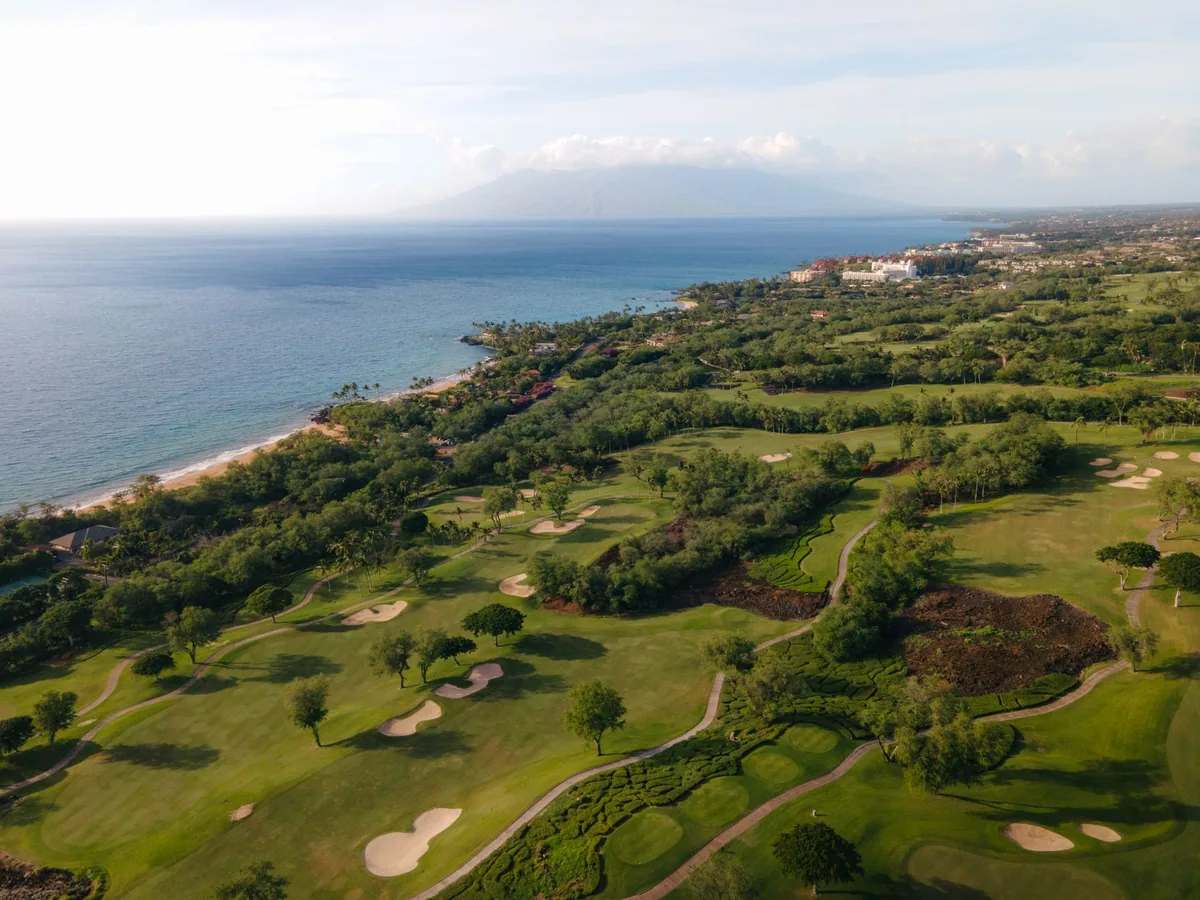
These properties frequently pair extensive lodging capacity with comprehensive recreation and event spaces. The Hyatt Regency Grand Reserve occupies a private peninsula featuring 37,000 square feet of event space, four pools, 14 dining venues, a 27-hole championship golf course, and a full-service Rainforest Spa [2]. Similarly, the JW Marriott Marco Island encompasses more than 26 acres with a quarter mile of private beachfront, a private membership club, and access to more than 400 acres of additional golf and resort amenities [3].
What role do capital improvement programs play post-acquisition?
New joint venture owners view planned post-sale capital outlays as the primary mechanism to upgrade facilities and unlock long-term asset value. Sculptor Real Estate founder and president Steven Orbuch noted that a disciplined capital improvement program will enhance the competitive position and value of the Marco Island property over their ownership period [3].
Trinity Investments brings previous repositioning experience to its regional acquisitions. According to Hotels Magazine, Trinity has directed more than $225 million into renovations and repositioning across its Florida portfolio, which includes The Diplomat Beach Resort, Grande Lakes Orlando Resort, and EAST Miami [3]. Henderson Park and Pyramid Global Hospitality have likewise planned capital improvements at the Hyatt Regency Grand Reserve to upgrade offerings for both group and leisure travelers [2].
Reported by
This article was written from the following reporting. Follow the links for the original coverage.
- [1]Sunstone to Sell Hyatt Regency San Francisco for $279M— Hotel Dive
- [2]Henderson Park and Pyramid Acquire Hyatt Regency Puerto Rico— Hotel Dive
- [3]Trinity-Led JV Acquires JW Marriott Marco Island Resort— Hotels Magazine
Frequently asked
+Why did Sunstone Hotel Investors sell the Hyatt Regency San Francisco?
Sunstone agreed to sell the 821-room property to Blackstone Real Estate affiliates for $279 million to take advantage of higher private market valuations. The company plans to deploy $70 million from the sale proceeds into repurchasing company stock, providing capital flexibility for accretive reinvestment options.
+What did Henderson Park and Pyramid Global Hospitality acquire in Puerto Rico?
The joint venture acquired the 579-room Hyatt Regency Grand Reserve in Río Grande, Puerto Rico, for $190 million. The beachfront property spans a private peninsula with four pools, 37,000 square feet of meeting space, 14 dining venues, and a 27-hole golf course.
+Who bought the JW Marriott Marco Island Beach Resort?
A joint venture between Sculptor Real Estate Income Strategy and Trinity Investments purchased the 809-room resort from MassMutual, which owned the asset for over 40 years alongside Barings. The transaction terms were not publicly disclosed.
+How much has Trinity Investments spent on Florida hotel renovations?
Trinity Investments has invested more than $225 million in renovations and repositioning programs across its Florida assets, which include The Diplomat Beach Resort in Hollywood, Grande Lakes Orlando Resort, and EAST Miami.
+How are REITs funding stock buybacks in 2026?
Public REITs such as Sunstone Hotel Investors are selling select properties to private buyers. Sunstone repurchased 3.18 million shares for $29.1 million in Q1 2026 after selling the Hilton New Orleans St. Charles and planned $70 million more from San Francisco proceeds.
Keep reading
Our reporting
More in finance