Atlas Concorde 3D Wall Tiles Redefine Hotel Interiors
Hotels adopt textured 3D wall finishes and ceramic claddings to shape guest experience, adjust room proportions, and enhance functional durability.
The short answer
Hotels are implementing 3D wall tiles and textured ceramic surfaces to enhance guest perception, scale, and interior acoustics. Drawing on materials from manufacturers like Atlas Concorde, operators create durable focal points that reinforce property identity.
The short version
- Atlas Concorde 3D wall tiles create shifting light-and-shadow effects that alter perceived room scale.
- Ceramic coverings offer hospitality operators wear resistance, easy cleaning, and concrete or marble aesthetics.
- Wood panelling and technical claddings improve indoor acoustic comfort across public hotel areas.
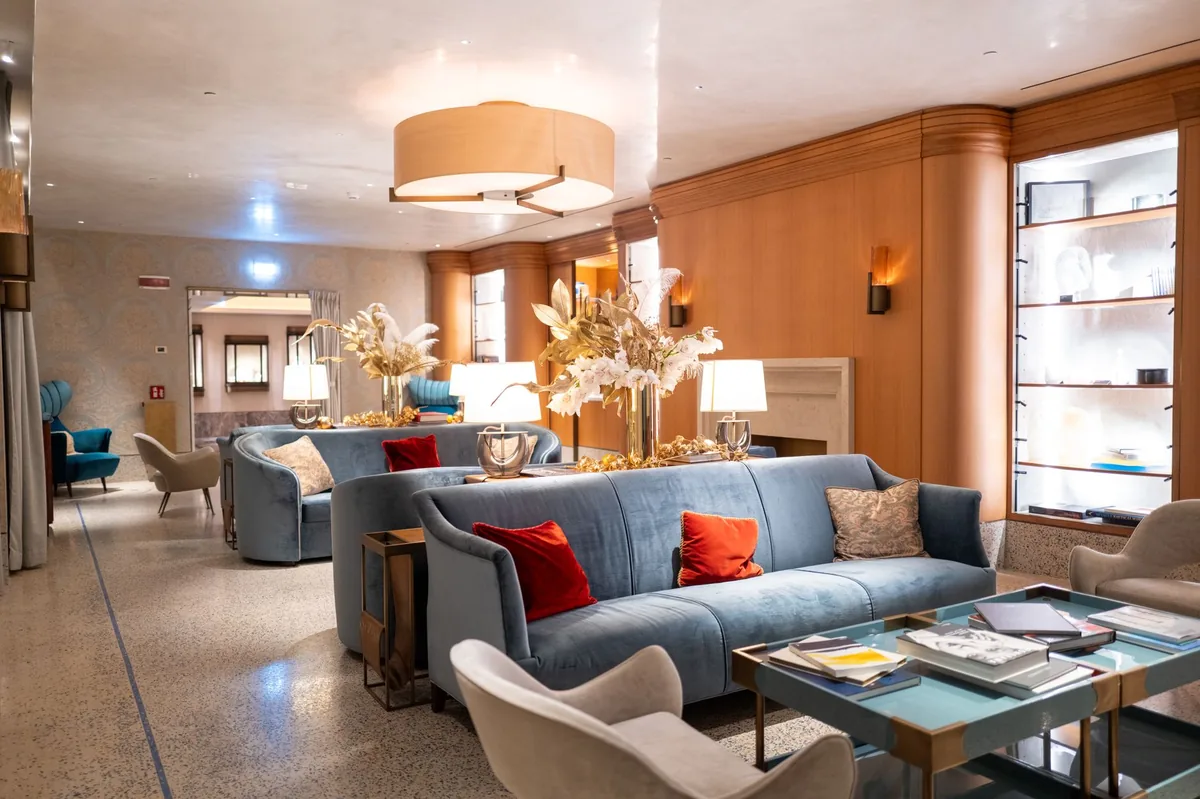
Hotels are transforming vertical surfaces into primary interior design features by deploying textured 3D wall finishes, ceramics, and reliefs that enhance visual depth [1]. These dimensional materials alter perceived room dimensions, guide guest movement, establish a recognisable property identity, and resist wear in high-traffic operational environments while working in continuity with flooring, lighting, and furniture [1].
How do vertical surfaces shape the identity of a hotel?
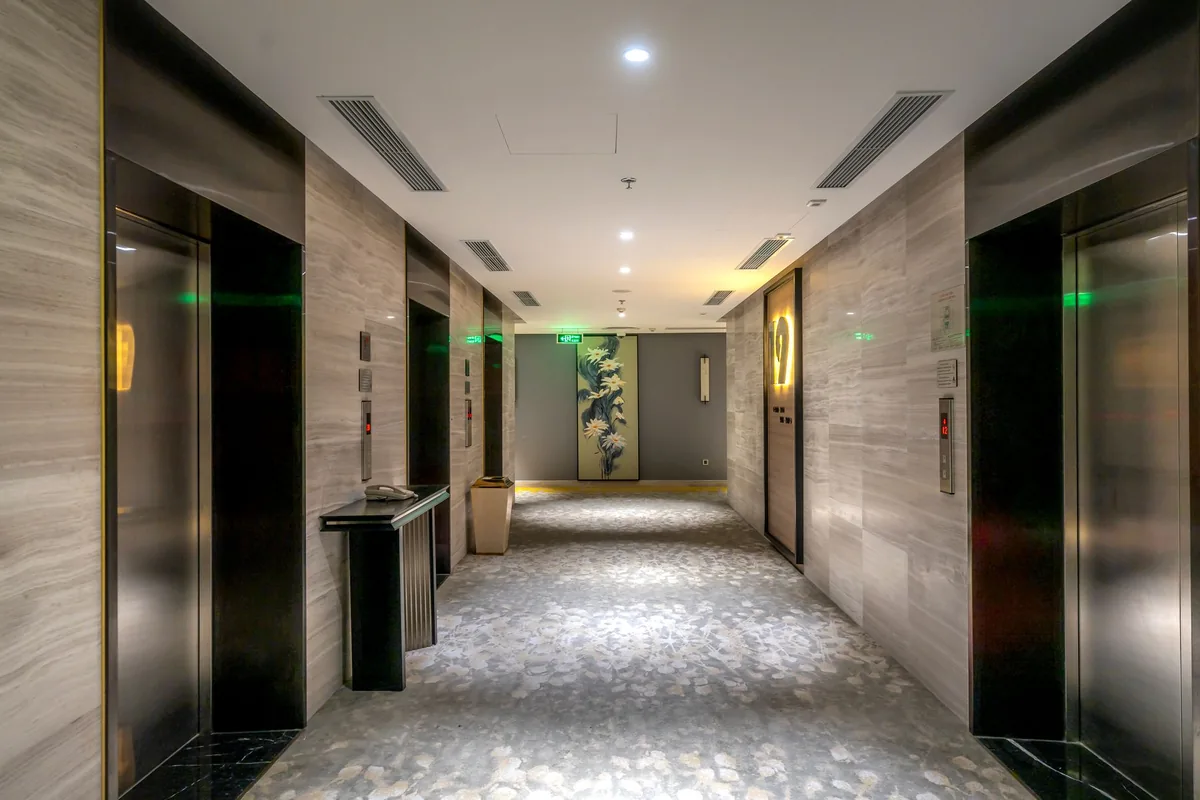
Vertical surfaces serve as active architectural features rather than passive spatial dividers [1]. According to Hotel Owner, walls now establish the core identity of an interior through coordinated combinations of finishes, materials, and textures [1]. By using tactile surfaces, designers build a cohesive aesthetic language that links furniture, intended operations, and property branding [1].
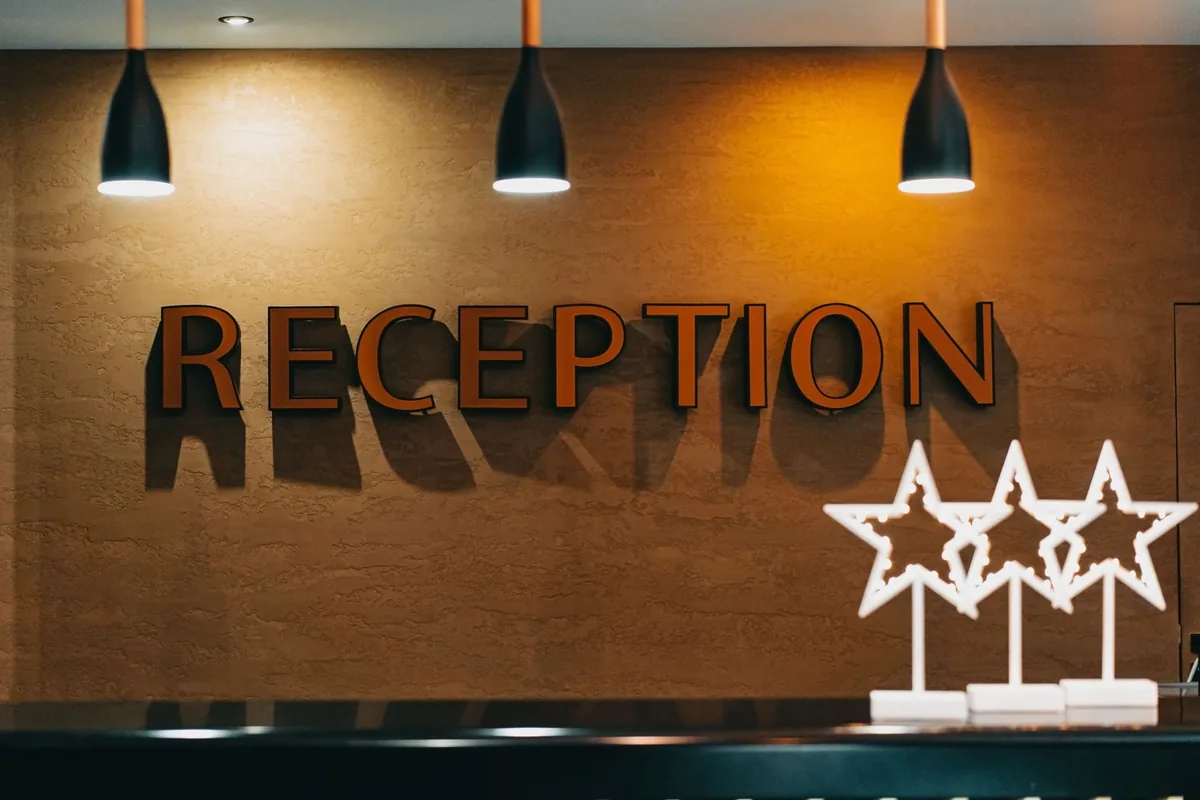
These surfaces also direct guest flow throughout the property [1]. Hotel Owner reported that detailed wall finishes create focal points and spotlight distinct architectural accents, steering visitors across a curated visual journey from arrival lounges to guestrooms [1].
What visual effects do 3D wall tiles achieve under hotel lighting?
Three-dimensional wall tiles alter how volume and illumination interact across a room [1]. Atlas Concorde manufactures textured 3D wall tiles engineered to generate relief, structural movement, and fluctuating shadows that shift according to natural illumination and the guest's viewing angle [1]. This three-dimensionality alters the perceived dimensions of hotel spaces, adding dynamic movement to both compact footprints and expansive communal zones [1].
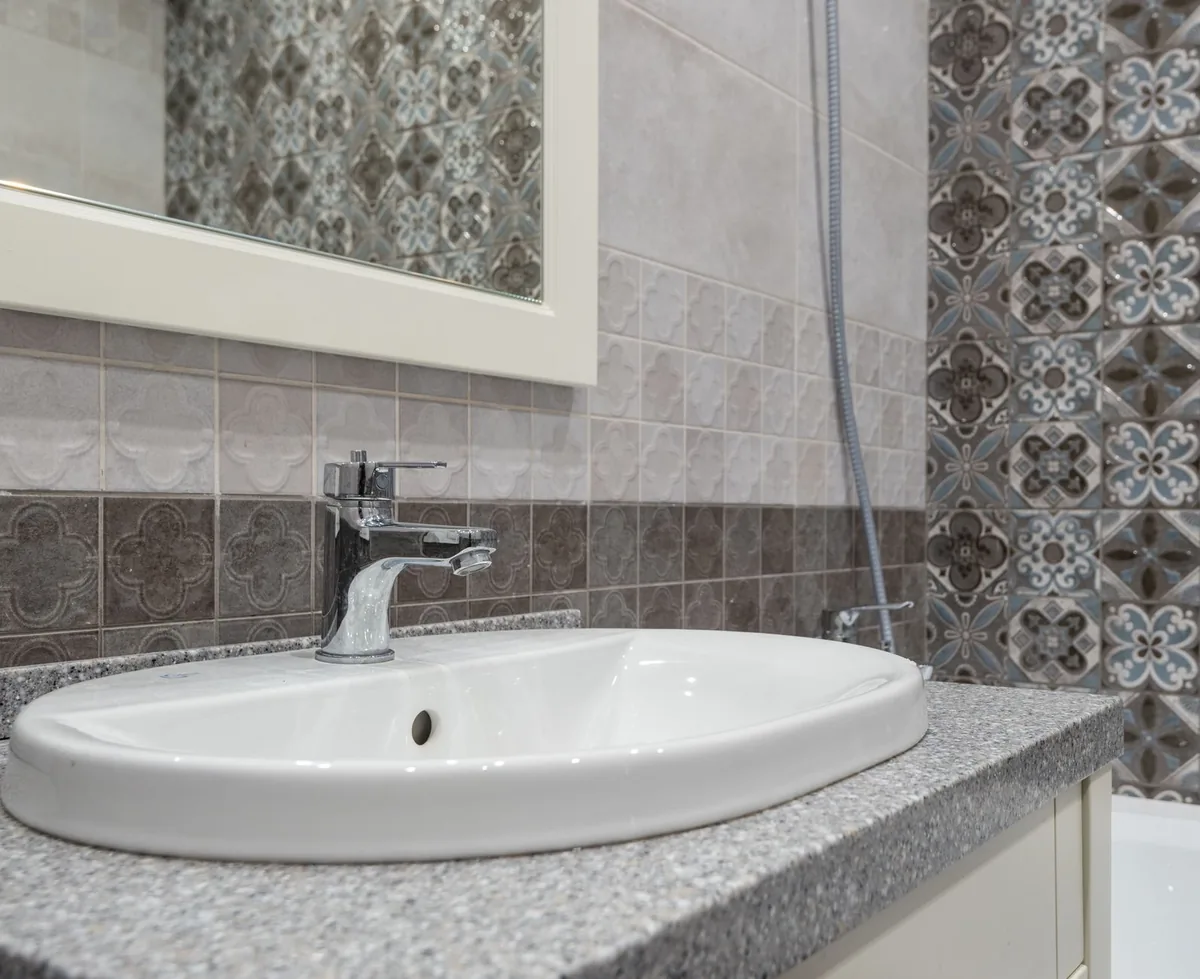
As noted by Hotel Owner, relief claddings bring character to plain layouts by generating light-and-shadow interplays that elevate overall visual comfort [1].
| Cladding Material | Primary Aesthetic Effect | Core Functional and Performance Benefits |
|---|---|---|
| Ceramic Coverings | Replicates marble, stone, concrete, or wood effects [1] | Offers versatile formats, low maintenance, and high durability [1] |
| 3D Textured Tiles | Generates shifting relief, depth, and shadow patterns [1] | Creates dynamic focal points and alters perceived room scale [1] |
| Wood Panelling | Delivers welcoming, warm, and traditional or modern textures [1] | Contributes to improved acoustic comfort in interior spaces [1] |
| Decorative Wallpaper | Introduces graphic patterns, motifs, and rich textures [1] | Enables visual room definition without requiring structural work [1] |
| Resins and Trowelled Finishes | Provides smooth or industrial continuous surfaces [1] | Creates high-impact, seamless transitions across vertical planes [1] |
Which cladding materials deliver the highest performance for hospitality?
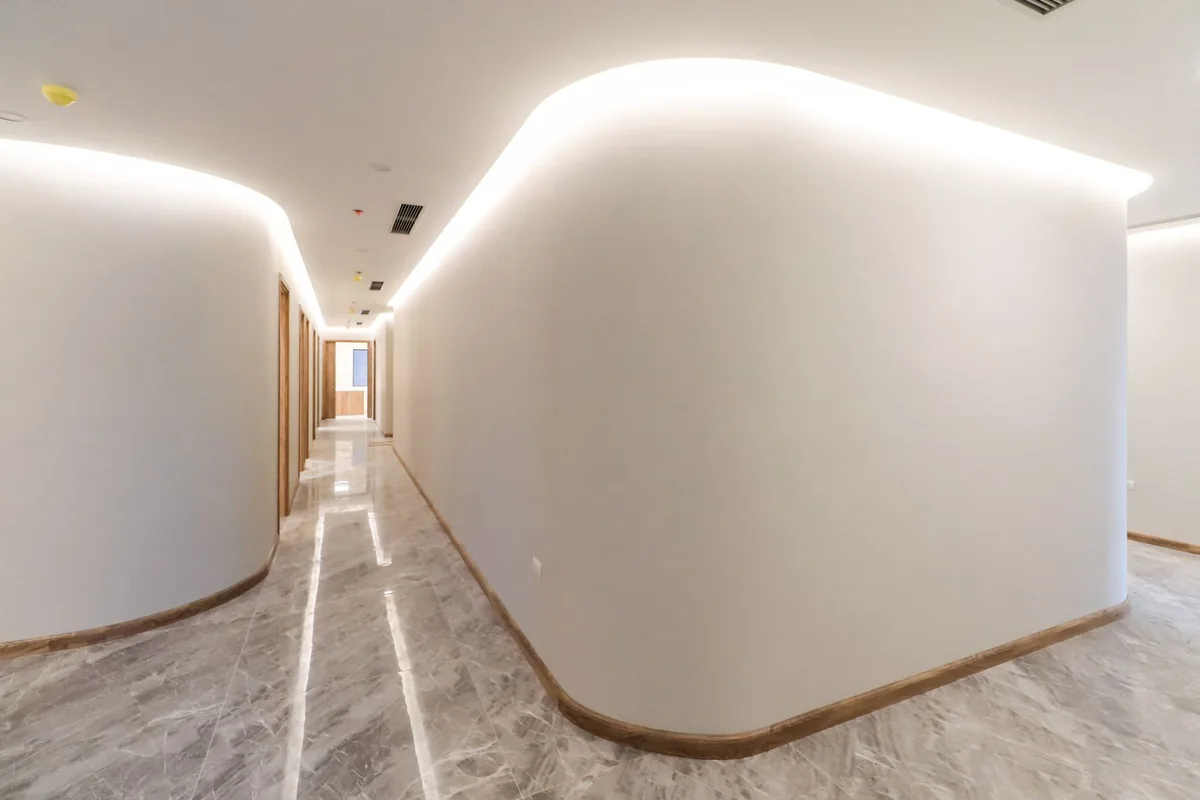
Ceramic coverings provide some of the most versatile solutions for commercial accommodation because of their range of colours, formats, and simulation of natural textures like stone, concrete, marble, and timber [1]. Hotel Owner highlighted that hospitality spaces require high-performance products that guarantee wear resistance, low maintenance, and ease of cleaning over long operational lifecycles [1].
Beyond ceramics, operators install acoustic-enhancing wood panelling, trowelled finishes, decorative paints, and graphic wallpaper to define separate spaces without executing invasive structural reconfigurations [1].
How does wall design connect hotels, retail, and workplaces?
Commercial interior sectors share the practice of using vertical surfaces to direct human behavior and reinforce brand positioning [1]. As Hotel Owner reported, hotels use textured walls to foster welcoming, memorable guest stays, while retail stores employ vertical surfaces as visual communication tools to present merchandise and define customer pathways [1]. Similarly, corporate offices install technical, sound-absorbing panels and textured finishes to demarcate communal workspaces and conference areas [1].
Reported by
This article was written from the following reporting. Follow the links for the original coverage.
- [1]Hotels Use 3D Wall Finishes to Elevate Interior Spaces— hotelowner.co.uk
Frequently asked
+Why are hotels installing 3D wall tiles instead of flat paint?
Hotels use 3D wall tiles, such as those from Atlas Concorde, to add visual depth, movement, and shifting shadow effects that alter perceived room dimensions and elevate plain interior spaces.
+How do textured wall coverings assist hotel operations?
Textured ceramic and high-performance claddings deliver high wear resistance, straightforward cleaning, and durability, preserving aesthetic quality in high-traffic hospitality environments without heavy maintenance demands.
+Can wall design affect room acoustics in hospitality settings?
Yes, selecting specific wall coverings, such as wood panelling and technical architectural panels, improves acoustic comfort while delivering an elegant aesthetic across communal and private spaces.
+How does wallpaper help hotel spaces without construction?
Decorative wallpaper introduces graphic patterns, colors, and distinct surface textures that clearly define zones within a room without requiring structural interventions or heavy renovations.
+What finishes can ceramic wall coverings simulate in hotels?
Modern ceramic wall tiles can reproduce the visual characteristics of marble, stone, concrete, and wood, allowing properties to match either minimalist or traditional interior design styles.
Keep reading
Our reporting
More in operations