Hotels Adopt Hybrid Wellness Models for Younger Guests
Hotels are expanding health, fitness, and social dining across properties as millennials drive 41% of global wellness spending.
The short answer
Hotels are expanding wellness spaces into multi-thousand-square-metre hubs to satisfy younger travellers who want social fitness and nutrition integrated into luxury stays. Millennial spending and integrated food concepts are outpacing traditional, isolated retreat formats.

The short version
- Millennials generate 41% of global wellness spending, driving demand for flexible, health-conscious hotel stays [[1]].
- Luxury wellness facilities are expanding from hundreds of square metres to several thousand square metres [[1]].
- Six Senses and Kamalaya are replacing restrictive retreats with social dining tables, adaptogen-rich menus, and communal activities [[1]].
Hotels are shifting from isolated spa retreats to hybrid wellness models as younger guests demand fitness, nutrition, and social experiences integrated directly into normal luxury stays. Speaking at BEING Thailand 2026, industry leaders confirmed that millennial spending, expanded real estate footprints, and holistic guest journeys now drive hospitality development worldwide [1].
Why are luxury hotels moving away from dedicated retreats?
Hotels are moving away from traditional models where visitors travel exclusively to pursue isolated medical or detox goals. The modern preference favours flexible stays that let guests choose their depth of engagement rather than commit to rigid regimes [1]. According to eHotelier, Six Senses now allows visitors to alternate between structured clinical programmes and everyday luxury comforts like sustainable dining, group fitness, and social gatherings [1]. Jael Fischer, head of development for Asia Pacific at Six Senses, noted that wellness now blends directly into conventional stays rather than functioning as an insular activity [1].
Who is driving the demand for integrated wellness experiences?
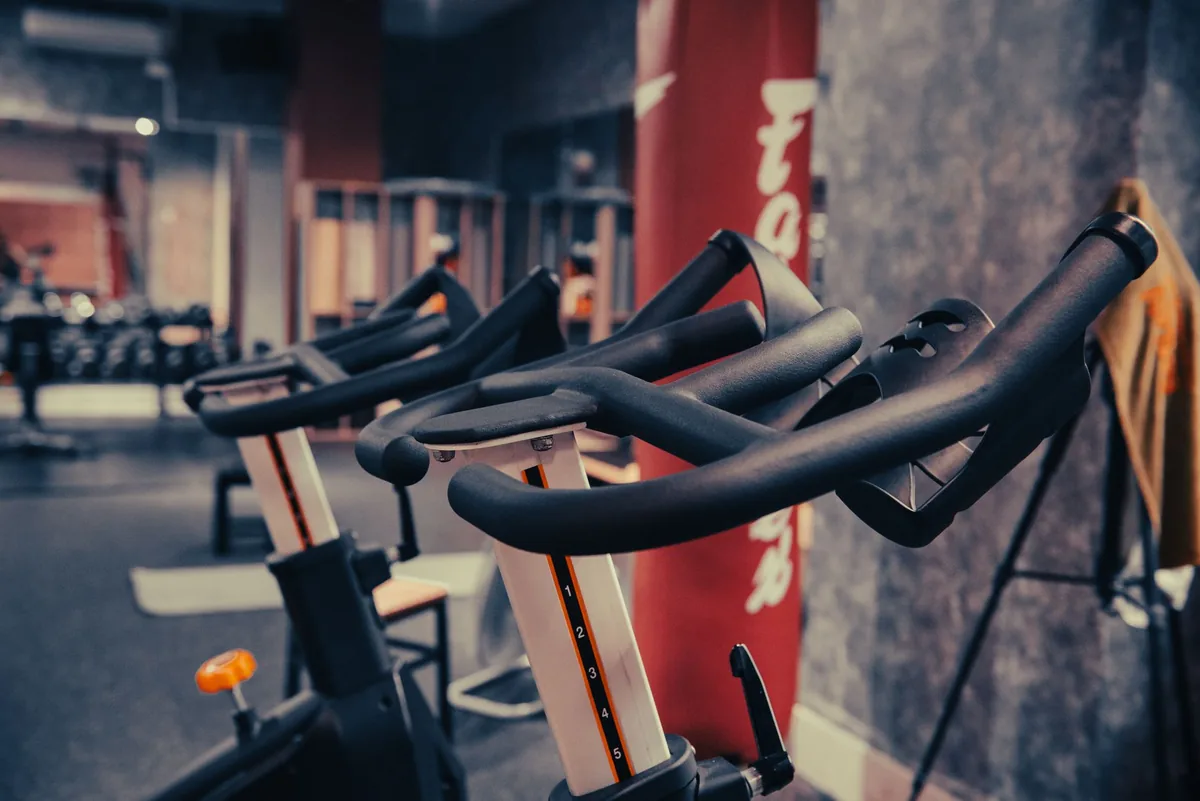
Younger demographics, specifically millennials, represent the primary economic force behind this operational transformation. Ingo Schweder, founder and chief executive officer of GOCO Hospitality and managing director of Horwath HTL Health & Wellness, reported that millennials account for 41% of global wellness spending [1]. Younger travellers deliberately allocate capital toward hospitality experiences that sustain everyday vitality, recovery, and active living [1]. Consequently, concepts such as cold-water immersion, ice baths, and sound healing introduce emerging consumers to wellness treatments, setting up long-term demand for mainstream hospitality operators [1].
How is property development and square footage changing?
Real estate planning for wellness areas is expanding beyond the historical basement spa template. Facilities that previously took up hundreds of square metres now require several thousand square metres in high-end hotels and resorts, Schweder stated at the Phuket conference [1]. Developers now dedicate physical footprints to comprehensive recovery zones, movement studios, and communal amenities [1]. Furthermore, this design shift is spreading directly into metropolitan markets. Luxury city properties are reserving larger spatial allocations for comprehensive wellness centres, enabling urban guests to incorporate recovery practices into daily schedules rather than waiting for an annual vacation [1].
| Operational Focus | Traditional Model | Hybrid Wellness Model |
|---|---|---|
| Facility Size | Hundreds of square metres [1] | Several thousand square metres [1] |
| Target Market | Older guests, dedicated retreat seekers [1] | Millennials (41% of global wellness spend) [1] |
| Food & Beverage | Strict, restrictive diet regimens [1] | Everyday dining, fermented foods, adaptogens [1] |
| Social Dynamic | Solitary, silent treatments [1] | Community tables, shared saunas, group fitness [1] |
| Urban Presence | Confined to remote resort locations [1] | Full-service urban properties in major cities [1] |
What role do food and beverage programmes play?
Food and beverage departments are abandoning strict, restrictive diet menus in favour of nutritionally elevated, familiar cuisine. Operators are focusing on menu engineering that introduces adaptogens and fermented ingredients into ordinary dining offerings [1]. For instance, Six Senses integrates regular resort dining with personalised menus targeted toward specific physiological aims like detoxification, general fitness, and weight management [1]. Dining acts as an effortless entry point, allowing guests to consume functional ingredients without feeling segregated from casual culinary pleasures [1].
How are operators handling social connection and solitary travel?
Communal wellness spaces are replacing the presumption that health improvement must be an isolated, solitary pursuit. Communal dining setups, group runs, open-water swimming, and shared sauna facilities encourage organic guest interaction [1]. At wellness resort Kamalaya, Chief Financial Officer Matthew Brennan confirmed that the resort's dedicated community table has become exceptionally popular with guests travelling by themselves [1]. Connecting physical movement to local topography also allows properties to link outdoor fitness with the host destination [1].
What risks do developers face from well-washing?
Industry executives warn hotel owners against "well-washing," which involves tacking on cosmetic brand labels or purchasing trendy recovery gadgets without rethinking the wider property operations [1]. Ingo Schweder cautioned owners against building real estate around passing fads: "It’s not about following the trends where there’s always a beginning and an end... That means you should never do something in a real estate development which is a short-term trend" [1]. Leaders also noted that regional destinations such as Thailand must safeguard their historical health assets. Matthew Brennan emphasized that Thailand must protect its traditional medicine and heritage while blending Eastern and Western methods to stay ahead of shallow wellness branding [1].
Reported by
This article was written from the following reporting. Follow the links for the original coverage.
- [1]Hotels Shift to Hybrid Wellness Models for Young Guests— eHotelier
Frequently asked
+What is a hybrid wellness model in hospitality?
A hybrid wellness model allows guests to integrate fitness, nutritious dining, and recovery into a normal luxury hotel stay. Rather than isolating guests in rigid, structured retreats, it provides options ranging from everyday healthy dining to intensive programmes without forcing a restrictive schedule [[1]].
+What share of wellness spending comes from millennials?
Millennials account for 41% of global wellness spending, according to GOCO Hospitality Chief Executive Ingo Schweder. This demographic shift is leading operators to move past traditional spa treatments toward active recovery, social activities, and functional nutrition [[1]].
+How large are modern wellness facilities in luxury hotels?
Wellness facilities that historically covered hundreds of square metres now routinely span several thousand square metres in luxury hotels and resorts. Operators are dedicating substantial square footage to fitness, recovery zones, and social wellness amenities in both resort and urban settings [[1]].
+How are hotel food and beverage departments adapting to hybrid wellness?
Hotels are moving away from restrictive diets toward healthier versions of familiar foods. Kitchens are incorporating adaptogens and fermented items, and operators like Six Senses offer functional menus targeting detox, fitness, and weight control alongside regular culinary choices [[1]].
+What is well-washing in the hotel industry?
Well-washing refers to properties adding wellness branding, marketing claims, or trendy gadgets without embedding authentic health, movement, and nutritional practices across the entire stay. Industry leaders warn that physical real estate developments should not be built around short-term trends [[1]].
Keep reading
Our reporting
More in operations