Hotels Expand Wellness Beyond Spas for Millennials
Millennials now drive 41% of wellness spending, pushing hotels from isolated spa treatments to integrated hybrid models.
The short answer
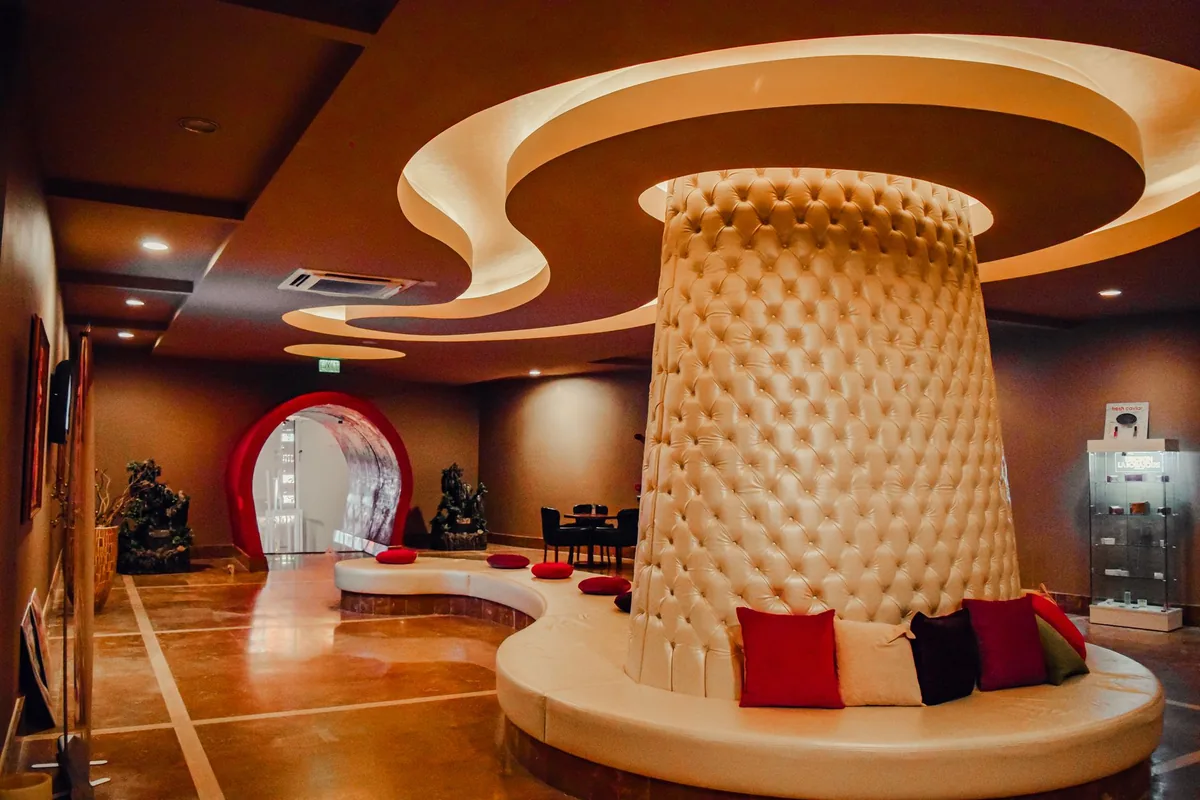
Hotels are moving beyond traditional spas toward hybrid wellness models that combine fitness, nutrition, and social spaces within luxury stays. Millennial travellers now drive 41% of global wellness spending, prompting developers to dedicate thousands of square metres to holistic health facilities.
The short version
- Millennials generate 41% of global wellness spending, driving demand for hybrid hotel stays.
- Six Senses and other luxury brands are expanding wellness spaces to several thousand square metres.
- Ingo Schweder warned hotel developers against constructing physical real estate around temporary wellness trends.
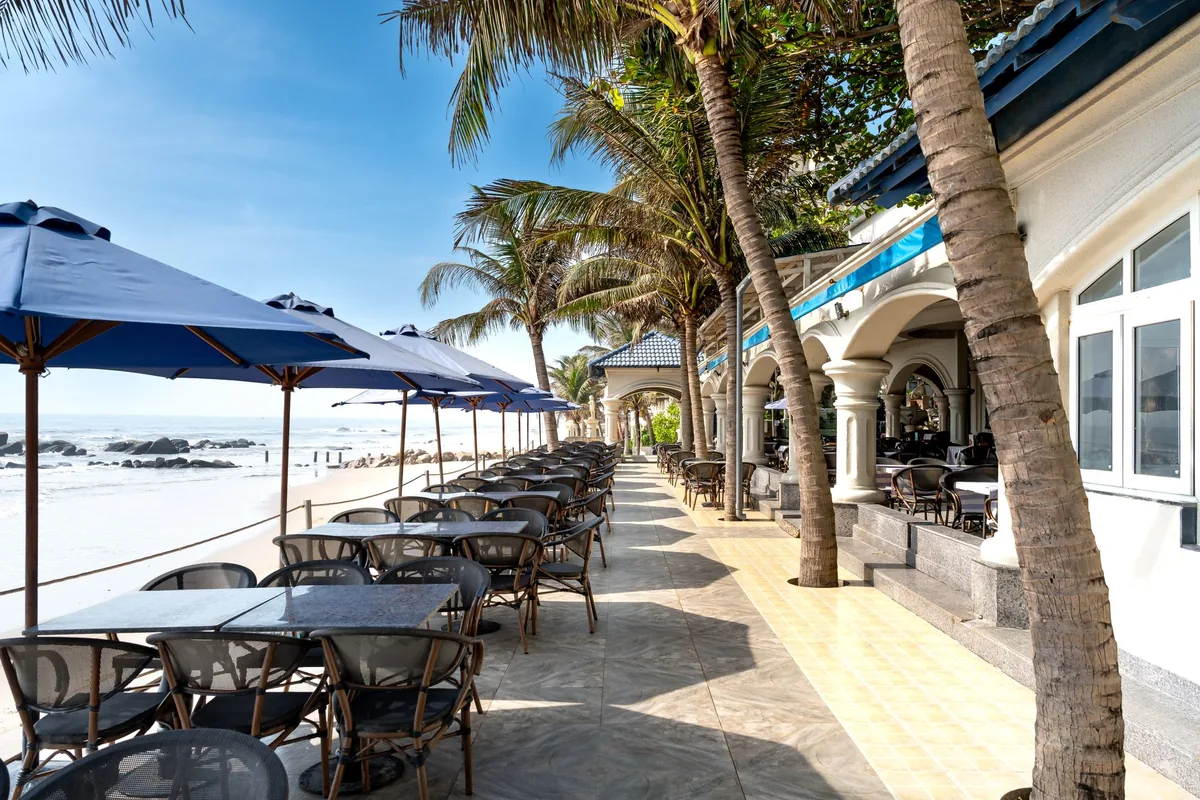
Hotels are expanding wellness beyond spas and dedicated retreats to meet millennial guest expectations for integrated fitness, food, and social spaces [1]. According to eHotelier, properties are shifting toward hybrid models where wellness elements fit into standard luxury stays rather than requiring guests to visit isolated, single-focus retreat destinations [1].
Why are luxury hotels altering their wellness models?
Millennials now account for 41% of global wellness spending and actively pursue experiences supporting physical health during normal hotel stays, according to eHotelier [1]. Ingo Schweder, founder and chief executive officer of GOCO Hospitality and managing director of Horwath HTL Health & Wellness, stated at BEING Thailand 2026 that younger consumers are driving this transition away from pure immersive retreats [1]. Guests no longer travel solely for standalone treatments; instead, they expect flexible options that weave into conventional leisure or business trips [1].
How much space are operators allocating to wellness facilities?
Physical space allocations for wellness facilities in high-end hotels and resorts have grown from hundreds of square metres to several thousand square metres, reported eHotelier [1]. Schweder pointed out that this expanded footprint accommodates fitness, recovery, and social elements rather than single-use treatment rooms [1]. The table below outlines how hotel wellness models are transforming across operational areas based on industry reporting [1].
| Operational Area | Traditional Model | Emerging Hybrid Model |
|---|---|---|
| Facility Size | Hundreds of square metres | Several thousand square metres |
| Guest Dining | Restrictive diet menus | Familiar dishes, fermented foods, and adaptogens |
| Social Dynamics | Solitary, silent treatments | Community tables, shared saunas, and group workouts |
| Urban Presence | Annual destination getaways | City properties supporting daily health routines |
How are food and beverage programmes adapting to the shift?
Food and beverage programmes are discarding restrictive diet plans in favour of healthier takes on familiar dishes alongside functional ingredients like fermented foods and adaptogens [1]. Jael Fischer, head of development for Asia Pacific at Six Senses, explained to eHotelier that the brand pairs everyday dining with structured menus targeted toward detoxification, fitness, and weight management [1]. Guests can pick their engagement level rather than adhere to strict food regimes [1].
What role does social connection play in new wellness programming?
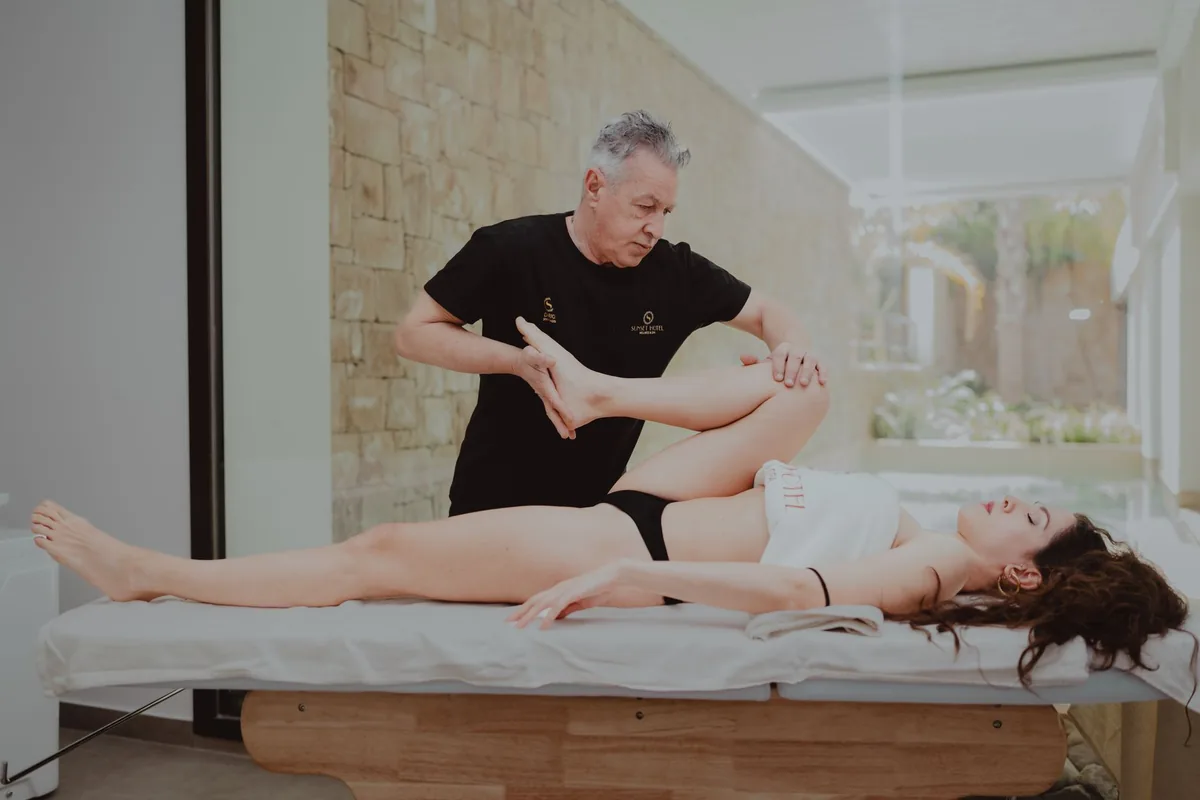
Social interactions are replacing the perception of wellness as an isolated, solitary pursuit [1]. Operators are introducing community tables, shared saunas, and communal fitness routines [1]. At Kamalaya, Chief Financial Officer Matthew Brennan noted that the resort's community table is especially popular among solo travellers looking to connect with others during their stay [1].
Why are urban hotels investing heavily in wellness real estate?
Urban luxury properties are establishing full-scale wellness concepts so travellers and local patrons can maintain wellness as a daily habit rather than an annual getaway [1]. Six Senses has created urban wellness operations that integrate athletic facilities, spas, nutrition, and communal areas inside metropolitan centres, according to eHotelier [1]. Schweder cautioned developers, however, to avoid designing real estate around short-term fads like ice baths or sound healing, advising instead that long-term assets should focus on lasting fundamentals [1].
What steps must destinations like Thailand take against well-washing?
Hospitality leaders warn operators against well-washing, which involves adding superficial health branding or trendy equipment without changing the core guest experience [1]. Fischer told eHotelier that Thailand holds a competitive edge by uniting Eastern and Western practices with established medical infrastructure and hospitality expertise [1]. Brennan stated that Thailand must protect its traditional medicine and cultural heritage to stand out as global travel offerings become more standardised [1].
Reported by
This article was written from the following reporting. Follow the links for the original coverage.
Frequently asked
+What demographic is leading the demand for hybrid hotel wellness?
Millennials are driving the shift, representing 41% of global wellness spending. According to industry executives, younger consumers seek health, nutrition, and fitness elements integrated into luxury stays rather than standalone, isolated retreats.
+How is wellness facility design changing in hotel real estate?
Wellness areas in luxury properties have expanded from hundreds of square metres to several thousand square metres. Operators are allocating this space to recovery zones, fitness areas, and social amenities instead of only private treatment rooms.
+What is well-washing in the hospitality industry?
Well-washing refers to hotels marketing wellness or installing trendy gear and superficial branding without embedding health, nutrition, fitness, and sustainability into the broader operational guest journey.
+How are food menus shifting within hotel wellness programmes?
Properties are moving away from restrictive diets toward healthier versions of familiar foods. Kitchens are incorporating adaptogens and fermented items while offering flexible menus that accommodate fitness, detox, and regular dining side by side.
+Why are urban hotels developing extensive wellness spaces?
Urban luxury hotels are creating comprehensive wellness hubs to help guests integrate health routines into daily city life, changing wellness from an occasional annual retreat into a regular, continuous lifestyle practice.
Keep reading
Our reporting


More in operations