Adagio Direct Ticketing Deal Shows Sports Tourism Growth
Hotels integrate booking engines into stadium ticketing as sports tourism spending heads towards £974bn.
The short answer
Hotels are capturing event-driven demand by embedding room sales directly into venue ticketing systems, bypassing third-party distribution channels. The strategy capitalises on an expanding sports tourism market forecast by Skift Research to reach £974bn by 2032.
“Major events are sometimes a little trickier than the repeated secondary events. People often think they’re going to generate huge demand throughout, but that’s not always the case.”
The short version
- Skift Research forecasts global sports tourism spending to expand from over £419bn in 2023 to £974bn by 2032.
- Adagio renewed its London Stadium agreement to sell its 136 Stratford aparthotel rooms directly inside venue ticket purchases.
- Accor commercial leaders caution that mega-events produce booking displacement, making recurring sporting calendars more predictable for base occupancy.
Hotels capture sports demand by embedding room reservations directly into event ticketing platforms at checkout, transforming single-fixture ticket buyers into room nights before third-party booking channels intervene. This direct-distribution method locks in proximity-seeking spectators, smooths seasonal demand through recurring venue calendars, and secures ancillary spend across extended city visits before displacement can depress booking figures.
How does direct stadium ticketing integration function for properties?
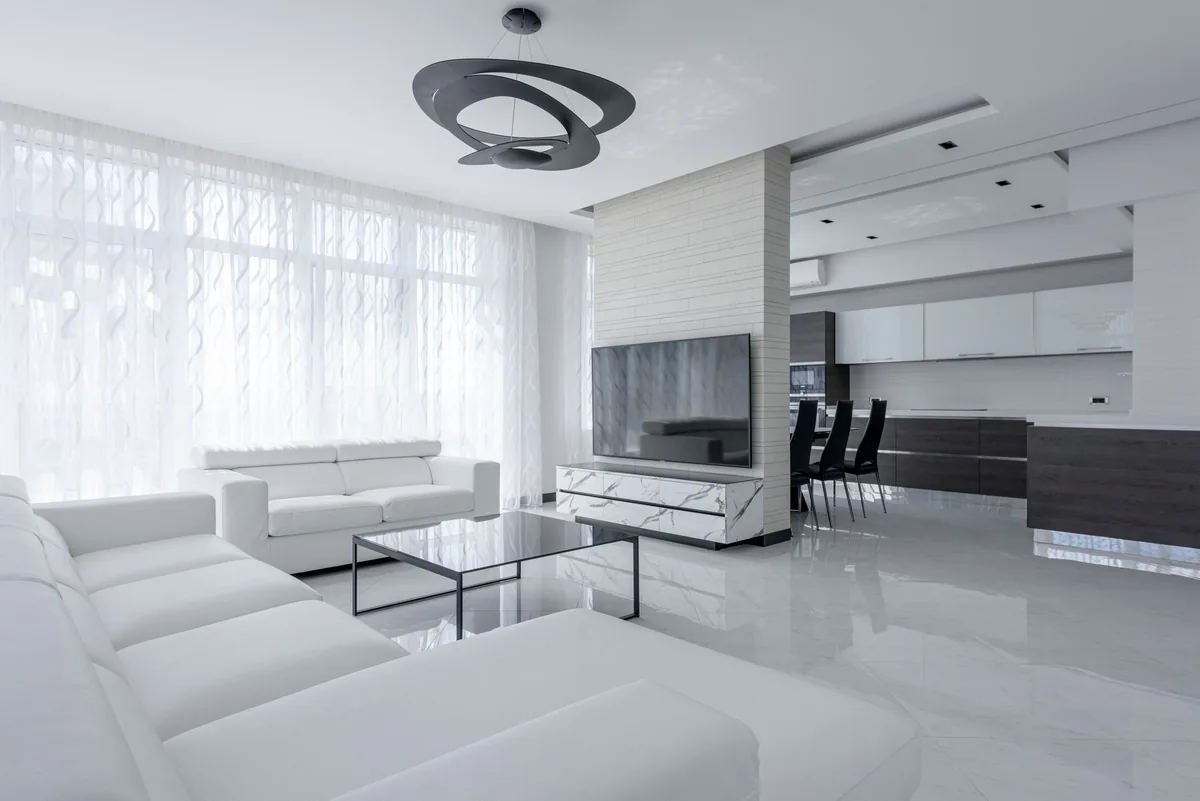
Integrating hotel inventory directly into venue box offices allows ticket buyers to reserve lodging at the precise moment of purchase. Hotel Owner reported that European aparthotel brand Adagio renewed its partnership with London Stadium, an East London venue originally built for the London 2012 Olympic Games [2]. Under this renewed agreement, spectators can book accommodation at Adagio's 136-room Stratford property directly when purchasing event tickets [2]. Located less than a 15-minute walk from the stadium, the property offers fully equipped kitchens, living areas, a fitness centre, co-living space, business facilities, and an on-site mini-market [2].
The London Stadium partnership—which has operated since 2022—positions Adagio as an accommodation partner for spectators, event professionals, teams, and partners attending West Ham United football fixtures, UK Athletics meets, concerts, and international competitions [2]. The initiative sits within Adagio's FIRST 2030 corporate plan, designed to establish agreements across destination hubs [2]. Created in France in 2007 as a joint venture between Accor and Pierre and Vacances Centre Parcs, Adagio operates 130 sites and 14,700 apartments across 16 countries [2].
What makes sports tourism an expanding commercial opportunity?
Sports-driven journeys have evolved from isolated calendar spikes into a constant revenue stream. According to UN Tourism figures cited by Hotel Owner, sports tourism accounts for roughly 10% of global tourism spending [1]. Skift Research valued the global sports tourism market at more than £419bn in 2023 [1]. Skift Research forecasts that this valuation will more than double to £974bn by 2032 [1].
| Metric or Milestone | Value / Detail | Source |
|---|---|---|
| Global sports tourism spend share | Around 10% of global tourism spending | UN Tourism [1] |
| Global sports tourism valuation (2023) | More than £419bn | Skift Research [1] |
| Global sports tourism projected valuation (2032) | £974bn | Skift Research [1] |
| Adagio Stratford property capacity | 136 rooms / apartments | Hotel Owner [2] |
| Adagio total portfolio scale | 130 sites, 14,700 apartments across 16 countries | Hotel Owner [2] |
| Inception of Adagio-London Stadium deal | 2022 (renewed under FIRST 2030 plan) | Hotel Owner [2] |
Accor Chief Commercial Officer for Europe and North Africa Julie White stated that sport is a defining pillar of the wider experience economy [1]. White noted that while sports tourism was always present in hospitality, traveler volume has expanded because consumers choose experience-driven trips alongside concerts, festivals, and exhibitions [1]. Fans travel internationally with high dedication, such as New York football supporters flying to London to watch Chelsea at Stamford Bridge, rugby enthusiasts touring across Europe, or Formula One followers scheduling holidays around Grand Prix weekends [1].
Why do recurring fixtures outperform mega-events for revenue planning?
Mega-events present operational volatility that recurring local stadium fixtures avoid. Julie White cautioned that events like the FIFA World Cup, the Olympic Games, and the UEFA European Championship prompt booking misconceptions [1]. Large tournaments do not ensure continuous occupancy; demand surges during opening ceremonies and headline fixtures, dips during intermediate stages, and rebounds near the finals [1].
White pointed to the Paris Olympics, where congestion fears, steep pricing, and overcrowding prompted traditional leisure travellers to postpone journeys entirely [1]. Similar displacement and avoidance patterns emerge across FIFA World Cup destinations [1]. White stated that hotels cannot rely on local historical data for mega-tournaments, urging revenue teams to benchmark against similar tournaments internationally and alter room rates dynamically in real time rather than expecting continuous sell-outs [1].
Conversely, recurring domestic and continental matches provide reliable historic data. Annual fixtures such as Premier League matches, Wimbledon, city marathons, and the Tour de France provide stable customer trends across the year [1]. These regular events smooth seasonal dips and generate multiple booking windows [1]. Supporters with advance arrangements secure rooms months ahead via tour groups, whereas other fans wait until knockout tournament results are determined before reserving [1].
Which customer groups create demand beyond ticket-holding spectators?
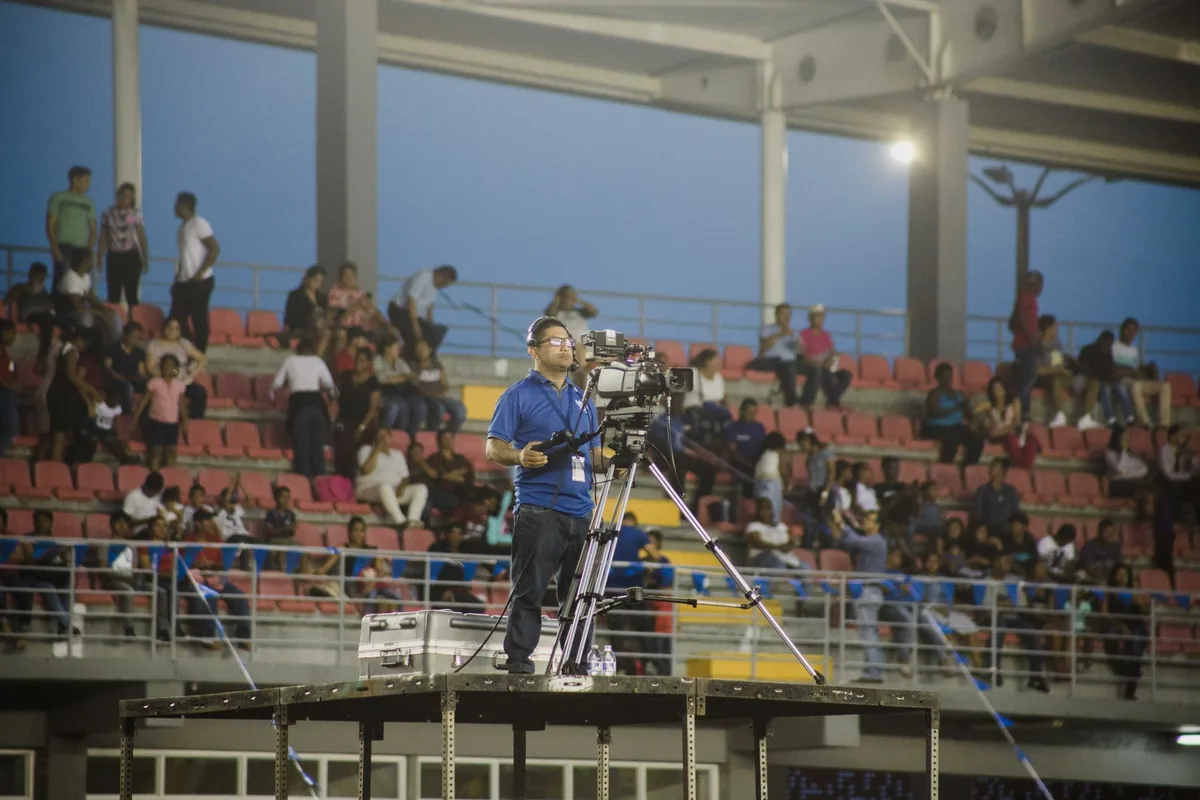
Capturing sports revenue requires operators to look past stadium seat holders. Julie White advised operators to review the wider contingent accompanying athletic competitions [1]. Visiting teams bring coaching personnel, match officials, governing executives, security details, technical operators, broadcast crews, and corporate sponsors [1].
These operational groups work on timelines distinct from general spectators [1]. Technical crews and production teams frequently arrive weeks prior to an event to arrange venues and broadcast infrastructure [1]. Many operational teams remain behind after the final whistle to dismantle equipment [1]. Tailoring commercial sales to these distinct segments allows properties to extend baseline occupancy before and after match days [1].
Reported by
This article was written from the following reporting. Follow the links for the original coverage.
- [1]Accor: Sports Tourism Shifts to Year-Round Driver— hotelowner.co.uk
- [2]Adagio Renews London Stadium Partnership to Boost Event Bookings— hotelowner.co.uk
Frequently asked
+How does Adagio integrate room bookings with London Stadium?
Under a renewed collaboration established in 2022, visitors purchasing tickets for events at London Stadium can book rooms at Adagio's 136-room Stratford aparthotel directly during the checkout flow.
+What is the projected size of the sports tourism market?
According to Skift Research, global sports tourism was valued at over £419bn in 2023 and is projected to more than double to £974bn by 2032.
+What portion of global travel spend comes from sports tourism?
Data from UN Tourism indicates that sports tourism accounts for around 10% of total global tourism spending.
+Why do mega-events create displacement demand for hotels?
Concerns over crowding, local congestion, and inflated prices often cause regular leisure travellers to cancel or postpone visits to host cities during major tournaments like the Olympic Games.
+Which guest segments generate lodging demand beside match spectators?
Production crews, broadcast staff, technical teams, coaching personnel, security squads, governing officials, and corporate sponsors require lodging, often arriving weeks ahead of events and staying after competitions end.
Keep reading
Our reporting