Hotels Cut Costs Up to 20% by Auditing Service Contracts
Auditing recurring vendor agreements unlocks margin relief across laundry, elevators, and facility operations without degrading service.
The short answer
Hotel operators can reduce expenses by up to 20 percent by auditing service contracts across facilities, laundry, and maintenance. Centralizing vendor portfolios and tracking spend visibility protects margins without compromising guest service.

The short version
- 20 percent operational cost savings can be achieved by auditing routine service contracts.
- Food and beverage expenses are expected to rise between 3 percent and 4.5 percent through 2027.
- Procurement platforms and AI analytics reveal cross-property vendor pricing variances.
Hotel operators can reduce operational expenses by up to 20 percent by conducting detailed audits of recurring service contracts [1]. As food and beverage expenses rise between 3 percent and 4.5 percent through 2027 alongside elevated labor rates, reviewing agreements in facility services, elevator maintenance, and laundry provides immediate margin relief without degrading the guest experience [1].
Why should hoteliers audit service contracts right now?
Hotel operators face severe pressure on operational margins as core departmental costs climb [1]. According to Lodging Magazine, food and beverage expenses are projected to rise by 3 percent to 4.5 percent through 2027 [1]. Labor expenses also remain elevated across the industry [1].
Because hoteliers have already addressed obvious budget lines, finding uncaptured savings requires looking past conventional food and labor line items [1]. Recurring service agreements represent hundreds of thousands of dollars in annual spending [1]. Despite this scale, service agreements routinely renew year after year without detailed performance reviews or cost reassessments from property management [1].
Which service categories offer the largest savings?
Facility maintenance, guest-facing background operations, and utility operations offer the most immediate opportunities for cost reductions [1]. Auditing these areas regularly yields 20 percent savings, with certain operational categories yielding even higher returns [1].
The primary vendor categories carrying hundreds of thousands of dollars in operating expenses include [1]:
- Elevator maintenance [1]
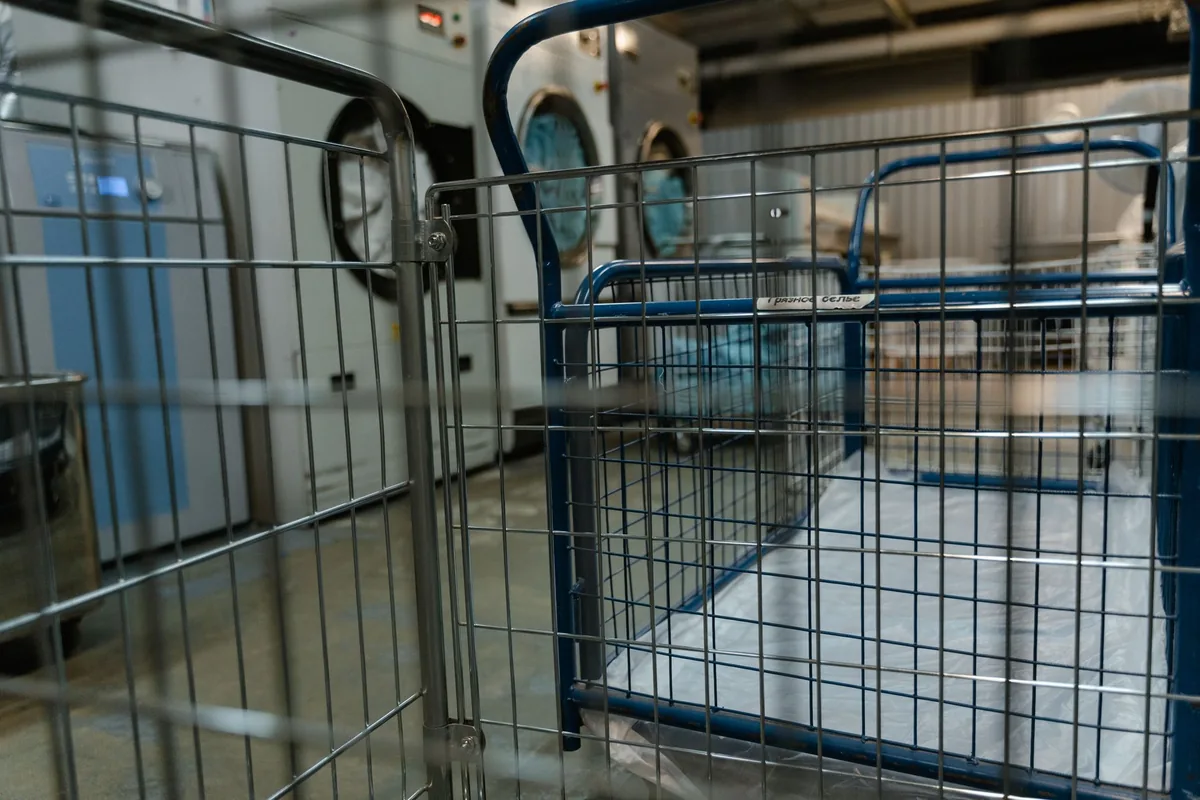
- Commercial laundry services [1]
- Landscaping [1]
- Energy management programs [1]
- Staff uniform rental and cleaning programs [1]
- Commercial floor care [1]
- Facility services and preventative maintenance [1]

| Operational Service Category | Typical Contract Risk | Financial & Governance Benefit |
|---|---|---|
| Elevator Maintenance | Automatic renewals without performance reviews | Up to 20% savings and stricter response timelines [1] |
| Commercial Laundry | Fragmented local supplier pricing | Lower unit costs and consolidated volume pricing [1] |
| Landscaping & Grounds | Disparate agreements across regional sites | Consolidated regional vendor accountability [1] |
| Uniform Programs | Missing rebate structures and fee creep | Enforced supplier credits and volume rebates [1] |
| Facility & Floor Care | Absence of Certificates of Insurance | Standardized risk protections and verified SLAs [1] |
How does multi-property vendor consolidation create value?
Consolidating spend across multi-property portfolios creates immediate pricing power and administrative clarity [1]. Hotel groups frequently use entirely different suppliers for the exact same services across properties located in the same geographic market [1].
Lodging Magazine reported that bundling these fragmented services under unified regional providers improves pricing, simplifies ongoing accounting administration, and strengthens vendor accountability [1]. Consolidating local spend eliminates unnecessary variance between sister properties while ensuring standard operating procedures apply across the entire portfolio [1].

What contract terms matter beyond baseline pricing?
Contract structure protects hotel operations just as much as baseline fee negotiations [1]. Cost control requires managers to inspect performance terms, service-level agreements, performance incentives, vendor rebates, and compliance protections such as verified Certificates of Insurance [1].
While guests rarely notice a functioning elevator cab or clean linen inventory, they react instantly to operational failures when third-party services break down [1]. Well-negotiated contracts link vendor payouts to consistent operational performance, shielding properties from operational bottlenecks and liability issues [1].
Why do hotel groups lack visibility into vendor spend?
Decentralized property administration creates blind spots that prevent asset managers and corporate operators from spotting overpayments [1]. Many hotel agreements are managed at the individual property level, negotiated independently by local managers, or renewed automatically through evergreen clauses [1]. In some cases, vendors perform regular work with no formal written contract on file [1].
Modern procurement platforms eliminate these blind spots by aggregating purchasing records, supplier invoices, and service agreements into a centralized system [1]. Lodging Magazine highlighted that artificial intelligence tools and automated analytics can identify pricing variances across properties, flag cost trends, and recommend supplier alternatives [1]. Self-service dashboards allow corporate teams and general managers to monitor contract performance and expenditure patterns across entire portfolios from any location [1].
Reported by
This article was written from the following reporting. Follow the links for the original coverage.
- [1]Hotels Cut Costs Up to 20% by Auditing Service Contracts— Lodging Magazine
Frequently asked
+How much can hotels save by auditing service contracts?
Hotels can generate savings of up to 20 percent by strategically reviewing service contracts, with certain specialized expense categories delivering even higher cost reductions [[1]].
+Why is cost reduction outside of food and labor necessary now?
Food and beverage costs are projected to climb 3 percent to 4.5 percent through 2027 while labor costs remain elevated, forcing operators to protect margins in other expense categories [[1]].
+Which hotel service contracts should be audited first?
High-spend recurring contracts should be prioritized, including elevator maintenance, commercial laundry services, landscaping, energy management, uniform programs, floor care, and ongoing facility services [[1]].
+How does vendor consolidation reduce hotel expenses?
Using unified suppliers for multiple hotels located in the same geographic vicinity leverages portfolio spend to secure better pricing, reduce administrative burden, and enforce supplier accountability [[1]].
+What contract terms should operators negotiate besides base price?
Hoteliers should secure service-level agreements, concrete performance standards, vendor rebates, performance incentives, and mandatory risk protections such as updated Certificates of Insurance [[1]].
+Why do hotels frequently miss savings opportunities in service agreements?
Agreements are often executed at the individual property level, renewed automatically, or lack written contracts entirely, obscuring pricing variances across the broader hotel portfolio [[1]].
Keep reading
Our reporting


More in operations