Hotel Hurricane Prep: Preventive Maintenance Protocols
Proactive building envelope inspections and generator testing protect hotel assets and operations before severe storms strike.
The short answer
Hotel operators must execute structured preventive maintenance on roofs, exterior openings, PTAC systems, and backup generators ahead of hurricane season. Proactive envelope inspections and hardware securing mitigate physical storm damage and ensure business continuity.
“The best time to prepare a hotel for hurricane season is well before a storm is in the forecast.”
The short version
- Ross Haigler notes the best time to prepare a hotel is well before a storm enters the forecast.
- Packaged Terminal Air Conditioners must slope toward the exterior to stop wind-driven rain from entering rooms.
- Lodging Magazine recommends an annual generator load test alongside routine fuel checks to maintain life-safety power.
Hotel property managers must conduct preventive maintenance well before hurricane season by executing thorough inspections of roofs, exterior building openings, guestroom PTAC units, and life-safety backup generators. Addressing roofing deterioration, worn perimeter seals, loose mechanical equipment, and fuel readiness prior to forecasts limits physical damage, preserves operations, and safeguards continuity for displaced residents and emergency responders.
How should hotel operators evaluate roof integrity?
Roof inspections represent a hotel's first line of defense against severe wind and wind-driven rain, requiring early identification of surface deterioration [[1], [2]]. Hotel Dive notes that operators should inspect the roof surface for missing or damaged shingles, punctures, rips, and tears in the roof membrane, alongside evidence of standing water and staining [2]. Lodging Magazine adds that maintenance teams must look for blistering, material degradation, and ensure flashing remains securely attached [1].
Clearing rooftop drainage pathways is equally essential for water management. Debris such as vegetation, construction waste, and trash must be cleared from the roof surface because high winds turn loose items into abrasive hazards that cut membranes [2]. Unchecked debris also clogs gutters and drains, leaving standing water that increases intrusion risks and exterior slip hazards [[1], [2]].
What measures protect rooftop equipment from high winds?
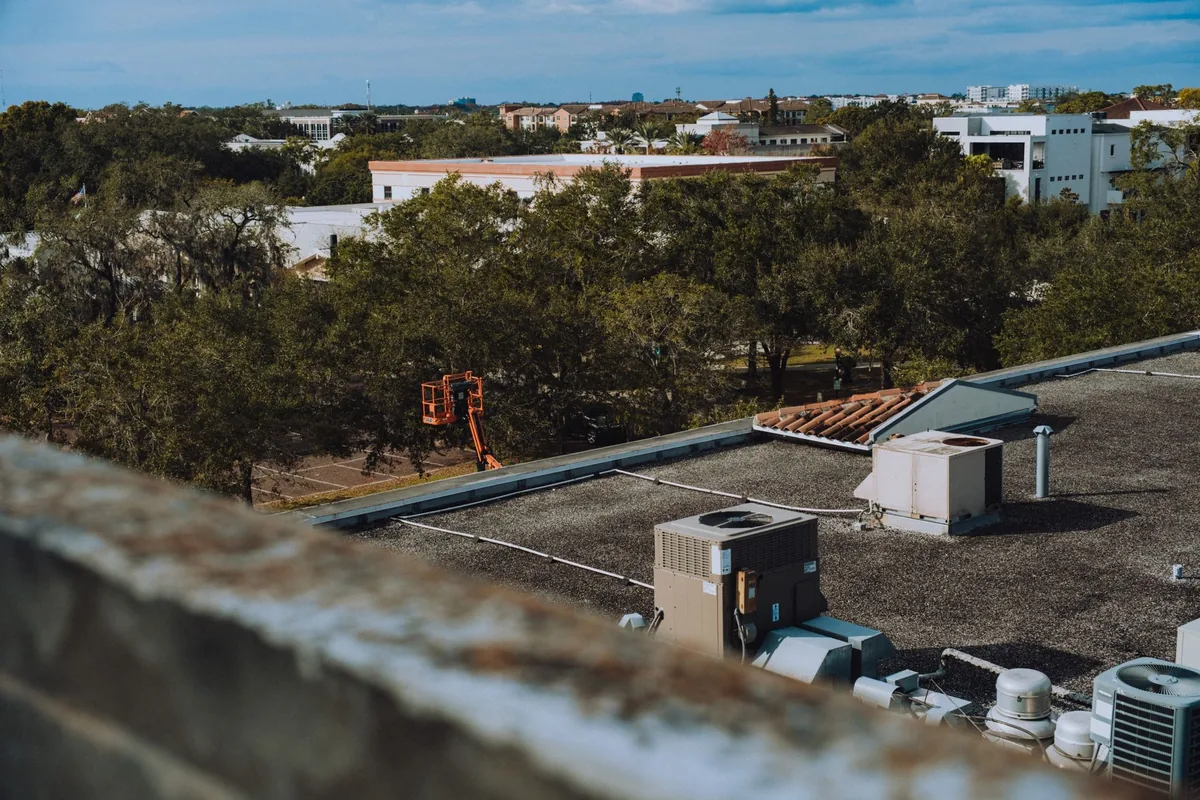
Mechanical units atop the building must remain firmly anchored to prevent them from shifting or becoming airborne projectiles during high-wind events [[1], [2]]. Lodging Magazine reports that HVAC systems, vents, and exhaust units must be fastened at the base or secured with straps [1]. Technicians should evaluate mounting hardware, support cables, attachment points, and screws for signs of rust, corrosion, or loosening [[1], [2]].
Hotel Dive includes solar panels among the equipment demanding careful attachment reviews [2]. Lodging Magazine further specifies that satellite dishes should never use ballast on the roof surface; they must be fastened directly to the building structure to prevent wind detachment [1]. Inadequate anchoring can cause heavy machinery to slide, slicing the roof cover or damaging neighboring properties [[1], [2]].
| Building Area | Inspection Focus | Critical Failure Risk |
|---|---|---|
| Roof Covering & Drainage | Membrane punctures, tears, flashing attachment, drains, gutters | Water intrusion, standing water, and membrane damage from loose debris |
| Rooftop Equipment | HVAC, vents, exhaust systems, solar panels, satellite dish anchors | Equipment sliding across roof, membrane slicing, airborne missile damage |
| Exterior Windows & Doors | Glazing, perimeter sealant, gaskets, weatherstripping, door latching | Wind-driven rain entry, frame corrosion, drywall and carpet staining |
| PTAC Guestroom Units | Exterior caulk, unit slope, drain lines, physical movement | Rainwater and condensation pooling back into guestrooms |
| Emergency Generators | Load testing, electrical connections, diesel fuel readiness | Loss of emergency lighting, maintenance power, and safety systems |

How do engineers seal exterior doors, windows, and wall openings?
Exterior openings require tight sealing because wind-driven rain penetrates any compromised building joint [1]. Glazing, gaskets, weatherstripping, and caulking degrade over time from weather exposure [2]. Technicians must inspect window perimeters for rust, frame corrosion, and structural movement, looking inside the building for stained drywall and wet carpets that reveal hidden leaks [2].
Exterior doors require matching protocols. Maintenance teams should verify that perimeter seals, thresholds, and door weatherstripping lack cracks or gaps [2]. Doors must close, latch, and seal tightly [2]. Hotel Dive emphasizes that sliding doors need clear tracks free of debris to close properly [2]. Furthermore, Lodging Magazine advises sealing exterior wall penetrations with fire- and waterproof materials, noting that applying these seals to interior wall openings prevents water from spreading across rooms if the exterior envelope fails [1]. When sourcing replacement windows or doors, operators must verify the products meet site design wind pressure ratings [2].
Why do guestroom PTAC units require specialized preparation?
Packaged Terminal Air Conditioners create large penetrations in the hotel envelope, making them vulnerable pathways for wind-driven moisture [1]. Routine maintenance checks must confirm each PTAC chassis is securely mounted with zero noticeable movement [[1], [2]].
Sealing around the exterior wall sleeve demands constant upkeep. Caulking and weatherstripping around the outside frame must be completely intact and free of cracks [[1], [2]]. Both trade outlets report that units must slope slightly toward the property exterior, allowing condensation and driving rain to run outside rather than draining onto interior guestroom floors [[1], [2]]. Technicians must also clear the internal drain lines to keep water moving freely [[1], [2]].
What protocol ensures emergency generators perform during power failures?
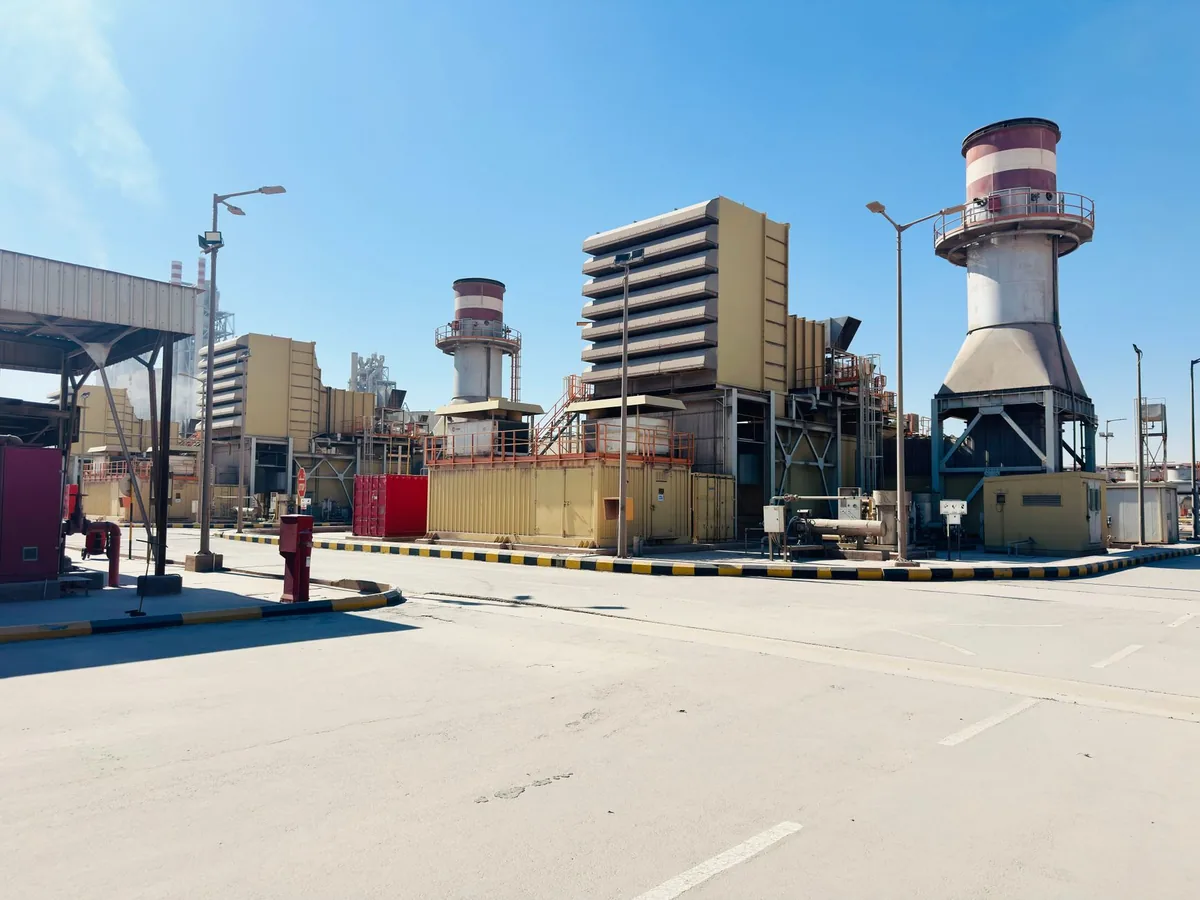
Emergency generators provide critical life-safety functions during municipal outages, supplying electricity to hallway lights, maintenance areas, and property protection systems [1]. Generators must be tested regularly to confirm functional reliability [1].
Lodging Magazine specifies that generator preventive maintenance requires conducting an annual load test to confirm system capacity [1]. Technicians must also routinely monitor and test diesel fuel supplies to ensure reserves are clean, stable, and ready for immediate deployment when an outage strikes [1].
Reported by
This article was written from the following reporting. Follow the links for the original coverage.
- [1]Hotels Cut Storm Risk with Year-Round Hurricane Prep— Lodging Magazine
- [2]Hotels Must Conduct Early Maintenance to Prepare for Hurricane Season— Hotel Dive
Frequently asked
+Why is roof clearing essential before hurricane season?
Clearing vegetation, trash, and construction materials prevents high winds from blowing debris across the roof, which can tear coverings. It also prevents clogged drains and gutters, stopping standing water accumulation that leads to interior leaks.
+How should rooftop satellite dishes be secured?
Satellite dishes should never be ballasted with loose weights on the roof surface. They must be fastened directly and securely to the building structure to prevent high winds from detaching them and damaging nearby property.
+What should hotel engineers look for when inspecting PTAC units?
Engineers must verify units are securely fastened with no movement, check that perimeter exterior caulking is intact without cracks, confirm drain lines are clear, and ensure the unit slopes toward the exterior to direct water outside.
+How should hotel backup generators be tested before storm season?
Operators should conduct routine operational tests alongside a full annual load test. Teams must also regularly check the diesel fuel supply to guarantee it is clean and ready for deployment during utility outages.
+What interior signs indicate compromised window seals?
Interior signs of compromised window assemblies include water staining on drywall, moisture in guestroom carpeting, rust, frame corrosion, and visible daylight or gaps around the window frame.
Keep reading
Our reporting


More in operations