Hotel F&B Upgrades Focus on Space, Drinks, and Climate Tech
Hoteliers turn to premium daytime coffee, specialised cocktail lounges, Gen Z bar trends, and outdoor climate control to lift revenue per square metre.
The short answer
Hotel operators are deploying automated espresso systems, outdoor climate tech, and specialized cocktail lounges to grow beverage revenue. These adjustments maximize underused square footage and capture shifting consumer spending across all dayparts.
“When we bought this hotel over a year ago, we knew it had great strengths and enormous potential. Our research also revealed clear demand for a premium bar which would offer a different type of experience and act as a natural draw for locals, as well as hotel guests.”
The short version
- McKeever Hotels invested £600,000 into a 120-cover destination cocktail bar to capture non-resident and local spend.
- Allegra World Coffee Portal reports 71 percent of consumers demand beverage customisation, driving hotels toward automated espresso systems.
- IWSR data reveals Gen Z alcohol consumption climbed to 74 percent, expanding the evening beverage audience.
Hotel food and beverage teams are lifting revenue by treating underused square footage as commercial space, installing automated premium coffee equipment, opening specialised cocktail venues, and adding outdoor ductless climate controls. These distinct operational moves allow properties to capture higher-margin drink orders from morning through late evening while expanding dwell times across both indoor lounges and exterior terraces.
How are operators driving revenue from underused hotel spaces?
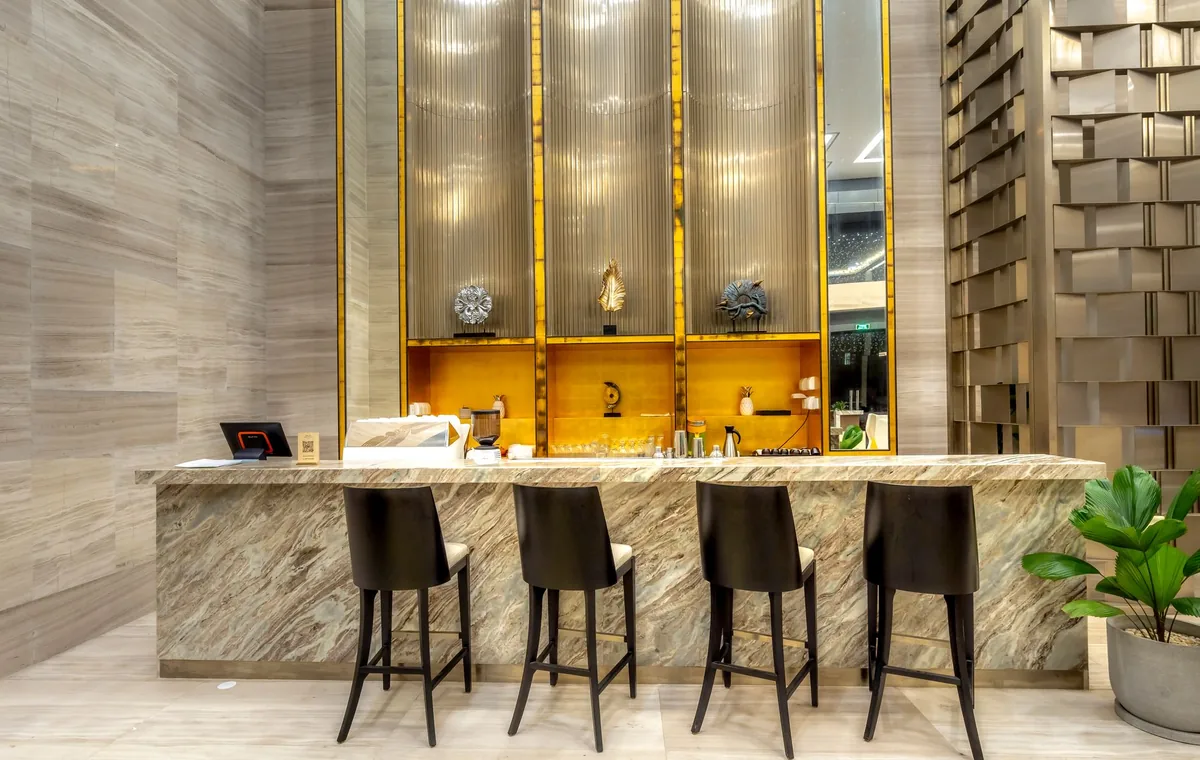
Hotel operators are re-evaluating physical layouts so that every square metre generates verifiable commercial returns rather than merely functioning as an overhead amenity. As reported by Hotel Owner, industry observers note a shift away from the traditional model where guest rooms subsidised lagging food outlets [4]. Hospitality consultant Ricord explained that hotels now view all footprints as commercial spaces that can transition throughout the day, such as converting daytime zones into evening bars or versatile event spaces [4]. At Sun Street Hotel in London, introducing an authentic Peruvian culinary concept through an operational licensing agreement doubled revenues, demonstrating that niche food profiles attract both overnight guests and local neighborhood trade [4].
Why are hotels upgrading morning coffee programs with automation?
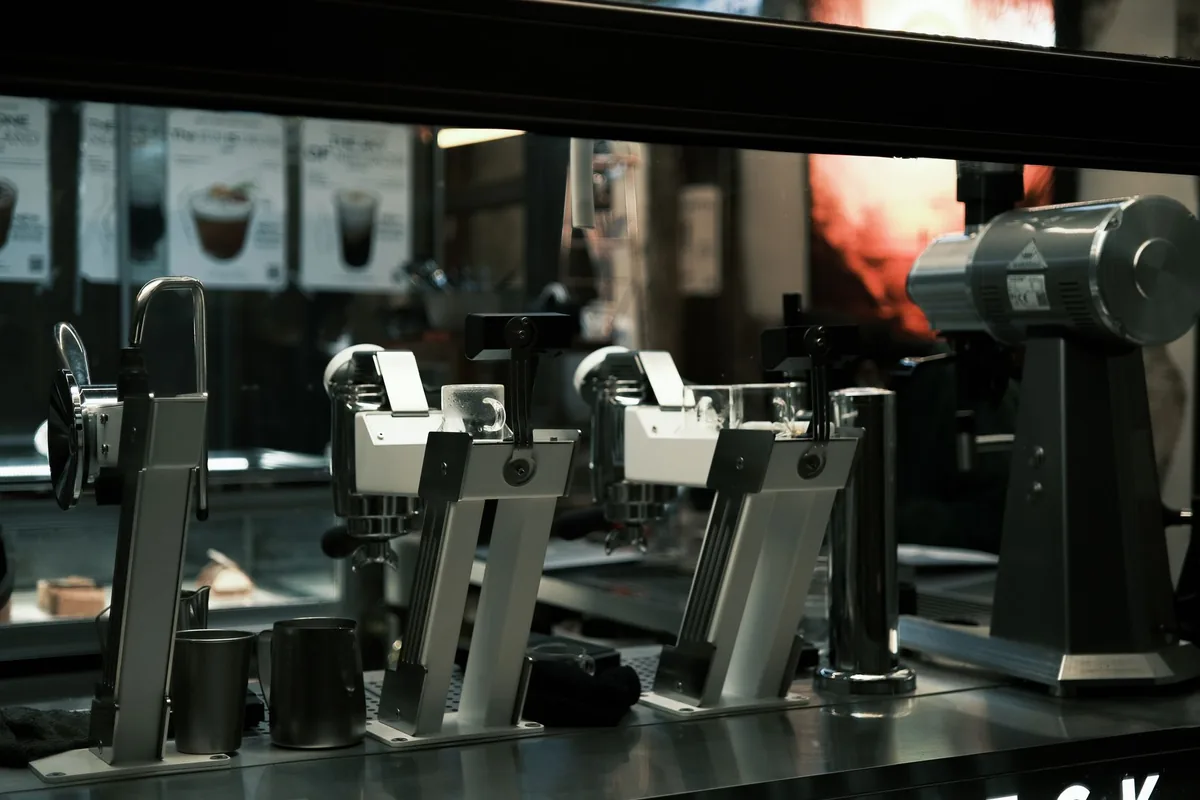
Hotels are introducing programmable espresso machines with built-in grinders to counter direct competition from fast-food chains that capture morning beverage spending. Lodging Magazine reported data from Allegra World Coffee Portal’s Project Café USA 2026 report showing that 48.9 percent of United States coffee consumers purchased coffee from McDonald’s during a 12-month span [5]. Furthermore, 71 percent of consumers consider beverage customisation important to their ideal coffee shop visit, and 29 percent willingly pay an extra dollar for an additional espresso shot [5].
Because 68 percent of consumers link beverage quality to barista skill—a figure that rose six percentage points year over year—hotels are utilizing automated equipment to eliminate service inconsistency across shifts [5]. Automated units capable of switching beans and self-cleaning allow front-of-house staff to focus on guest service rather than manual preparation, protecting morning capture rates against off-property quick-service venues [5].
How are dedicated cocktail bars lifting evening beverage spend?
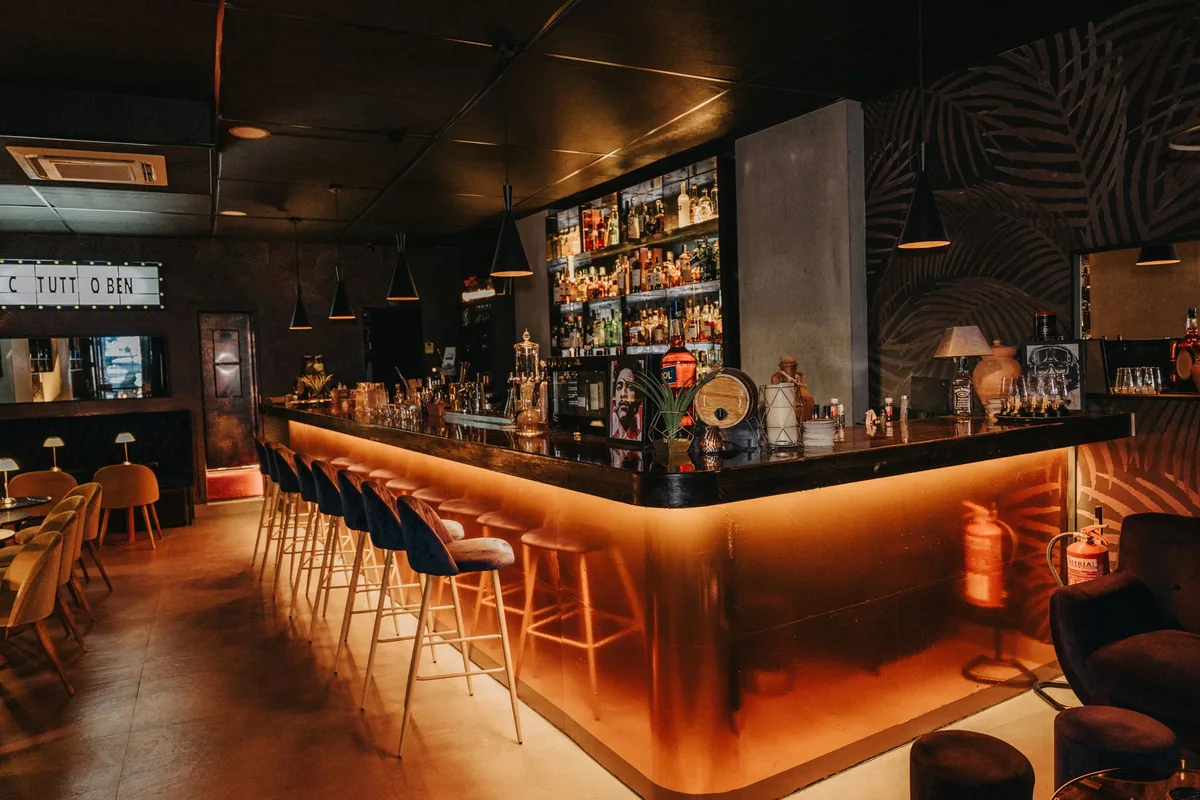
Hotels are funding targeted capital projects to build immersive cocktail spaces designed to attract both resident travellers and destination diners. In Northern Ireland, McKeever Hotels committed £600,000 toward The Meridian, a 120-cover cocktail bar inside the Armagh City Hotel, as part of an overall £4 million transformation program [3]. Designed by hospitality firm Drinksology and fitted out by McCue Fit-Out, the venue references local astronomy and timekeeping linked to the Armagh Observatory [3].
The venue integrates The Constellation Room for spirit and wine tastings, private dining, and a custom cocktail menu created by Greg Buda, formerly of New York bar The Dead Rabbit [3]. Managing director Eddie McKeever stated that research showed clear demand for a distinct bar concept serving as a destination for hotel residents and outside patrons alike [3].
How are changing generational drinking habits affecting hotel bars?
Beverage directors must balance programming to cater to rising Gen Z alcohol adoption alongside steady spending from older cohorts. Hospitality Design reported findings from beverage insights firm IWSR revealing that Gen Z alcohol consumption increased from 66 percent in 2023 to 74 percent today [1]. While Baby Boomers represent the only demographic trimming intake frequency and volume per visit, overall Boomer participation remains steady at 76 percent [1]. Hotel bars that program premium cocktails, experiential tastings, and versatile spaces can capture spend across these overlapping demographic cohorts [[1], [3]].
| Metric or Project Component | Data / Detail | Operational Context |
|---|---|---|
| Armagh City Hotel Bar Investment | £600,000 | Part of a £4m capital programme by McKeever Hotels for The Meridian [3] |
| Meridian Bar Seating Capacity | 120 covers | Includes The Constellation Room for spirit and wine tastings [3] |
| US Coffee Drinkers Visiting McDonald's | 48.9% | Tracked over 12 months by Allegra Project Café USA 2026 report [5] |
| Coffee Drinkers Demanding Customisation | 71% | Allegra report; 29% pay an extra $1 for an added espresso shot [5] |
| Gen Z Alcohol Participation | 74% | Up from 66% in 2023 according to IWSR research [1] |
| Baby Boomer Alcohol Participation | 76% | Highest demographic rate, despite moderation in volume per occasion [1] |
Can outdoor climate engineering protect open-air dining revenue?
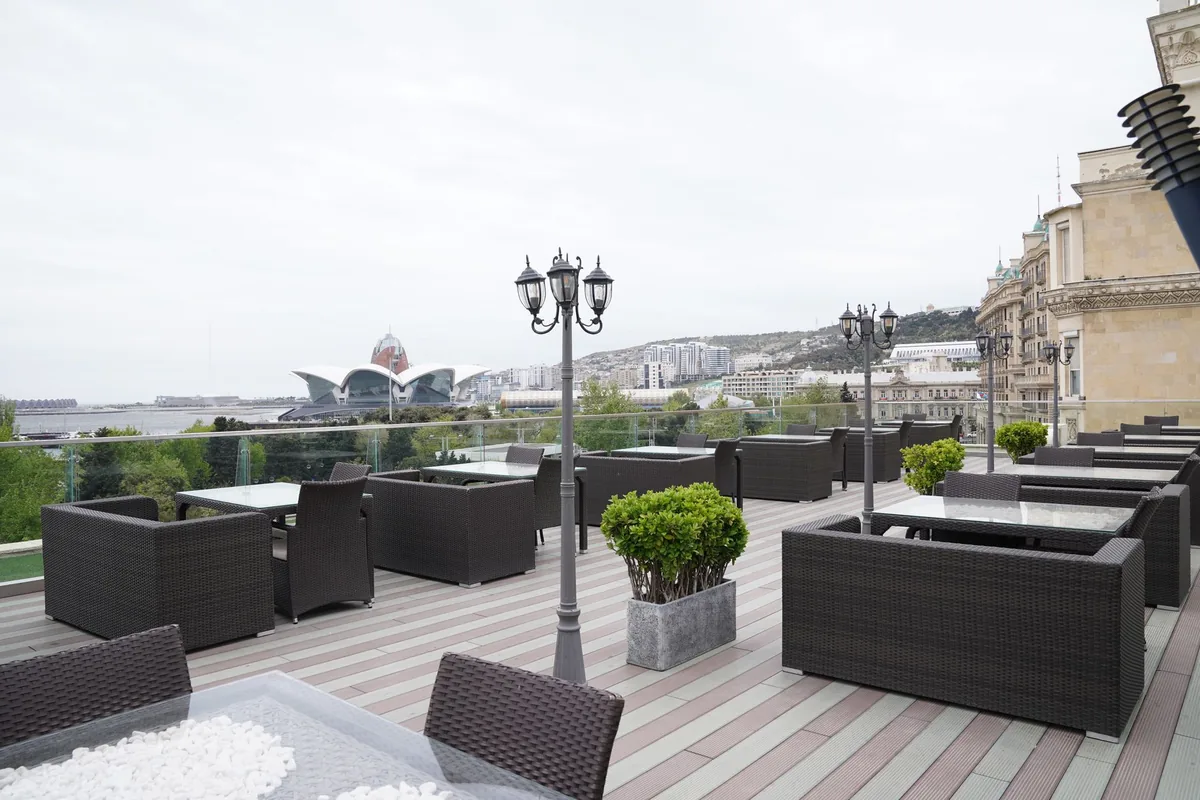
Installing outdoor ductless cooling equipment allows hotels to maintain patio, terrace, and rooftop covers during periods of extreme summer heat. In an interview with Lodging Magazine, David Rames, HVAC research and development leader at Midea, pointed out that standard canopy shade alone fails to keep open-air environments comfortable in hot conditions [2]. Operating ductless mini-split units underneath protective coverings directs conditioned air across seated areas [2].
These units use variable-speed inverter compressors that scale output according to ambient conditions. For example, during a 65- or 70-degree breakfast service, the compressor operates at 30 percent capacity to save energy, then ramps output up as afternoon temperatures climb [2]. By moving 60-degree air over guests on a 95-degree afternoon, properties extend guest dwell times at outdoor bars, translating directly into incremental beverage receipts while managing utility expenses [2].
Reported by
This article was written from the following reporting. Follow the links for the original coverage.
- [1]Gen Z Alcohol Consumption Rises to 74%, IWSR Reports— hospitalitydesign.com
- [2]Ductless Cooling Boosts Hotel Outdoor F&B Revenue— Lodging Magazine
- [3]McKeever Hotels Invests £600k in New Armagh City Cocktail Bar— hotelowner.co.uk
- [4]How Hotel F&B Teams Can Overcome Operational Bias— hotelowner.co.uk
- [5]Hotels Pivot to Premium Coffee to Meet Guests' Growing Demands— Lodging Magazine
Frequently asked
+Why are hotel guests buying coffee from fast-food chains instead of hotel lobbies?
Fast-food brands have normalised drink customisation and rapid service. Allegra World Coffee Portal reports 48.9 percent of US consumers bought coffee from McDonald's within 12 months. Guests leave hotel properties when lobby outlets offer inconsistent espresso or lack customisation options like flavour shots and milk alternatives.
+How does automated espresso equipment benefit hotel coffee operations?
Automated units with built-in grinders produce identical quality cups regardless of which employee is on duty. With 68 percent of consumers saying barista skill affects drink quality, programmable machines prevent service inconsistencies and free staff to focus directly on hospitality rather than manual drink preparation.
+How can hotel operators make outdoor dining areas profitable in extreme heat?
Hotels can pair shade structures with outdoor-rated ductless mini-split cooling units. Variable-speed inverter compressors adjust their cooling capacity based on temperature, moving chilled air across outdoor dining spaces to prolong guest dwell time and increase bar tabs without generating excessive energy costs.
+Are Gen Z consumers buying alcohol in hospitality venues?
Yes. Research from beverage analytics firm IWSR indicates that Gen Z alcohol participation climbed from 66 percent in 2023 to 74 percent today. This makes younger consumers a viable market for hotel beverage programs, even as Baby Boomer drinking volumes moderate.
+What design elements make hotel cocktail bars destination venues?
Successful properties incorporate strong local themes, dedicated tasting rooms, and high-end menus. McKeever Hotels invested £600,000 into The Meridian at Armagh City Hotel, featuring a 120-cover layout with astronomy-themed decor, private dining, and cocktail menus created by experienced bar consultants to pull in local patrons.
Keep reading
Our reporting
More in operations